As an affiliate, we may earn a commission from qualifying purchases. We get commissions for purchases made through links on this website from Amazon and other third parties.
For most homes, the best water leakage detector is a whole-house flow-monitoring system with an automatic shutoff valve, backed up by small moisture sensors in high-risk areas. This combination can catch unusual water use inside the plumbing and also detect water that reaches the floor.
A simpler moisture alarm is often enough for a small home, apartment, rainwater pump room, or one problem area. The right choice depends on what you want the detector to protect and whether you need it to actually stop the water.
The Best Type of Water Leak Detector for Most Homes
Home leak detectors fall into three main types.
| Detector type | What it detects | Best use |
|---|---|---|
| Point moisture sensor | Water touching the sensor | Under sinks, appliances, tanks, and water heaters |
| Whole-house flow monitor | Unusual water moving through a pipe | Monitoring most plumbing in the house |
| Flow monitor with automatic shutoff | Unusual flow and can close the supply | Broad protection when the house is unattended |
For the strongest protection, use the third type along with several point moisture sensors.
The U.S. EPA notes that moisture detectors and flow-monitoring devices solve different problems. Moisture sensors detect water where it should not be, while flow monitors watch water movement through the plumbing. Some systems can automatically operate a shutoff valve when they detect a likely leak.
Neither approach catches every possible leak. Using both gives you better coverage.
Why a Whole-House Flow Detector Is Useful
A whole-house detector is normally installed on the main water line. It watches water flowing into the home.
The system can look for patterns that do not seem normal, such as:
- water running continuously for a long time
- flow when nobody should be using water
- unusually large water use
- repeated low-level flow that may indicate a small leak
Some models only send an alert. Others can close a motorized valve.
Automatic shutoff can be especially useful when you travel or leave the house empty for long periods. A phone warning has limited value if nobody can get home to close the valve.
EPA guidance describes point-of-entry flow monitors as devices that can monitor an entire home downstream of their installation point.
Whole-house monitoring has limits
A flow detector only sees water passing through the pipe it monitors.
For example, a detector installed on a municipal water main may not detect a leak from:
- a separate rainwater tank and pump
- an independent irrigation supply
- a sump system
- stored water already inside an appliance
- water entering through the roof or foundation
If your home uses both mains water and a pressurized rainwater system, think of them as two separate water supplies. Each may need its own protection.
When Point Moisture Sensors Are the Better Choice
A point sensor is a small device placed where leaking water is likely to collect.
When water bridges its electrical contacts, the sensor sounds an alarm or sends a notification.
These detectors are simple and useful because they sense the thing you actually care about: water on the floor.
Good locations include:
- beside or below the water heater
- behind the washing machine
- beneath kitchen and bathroom sinks
- near a dishwasher
- beneath a refrigerator water connection
- beside a water softener or filtration system
- near a pressure tank
- near a rainwater pump or treatment equipment
- around indoor storage tanks
A moisture detector does not need to understand your normal water use. If water reaches it, it responds.
The weakness is coverage. A sensor under the kitchen sink cannot detect a leak across the room.
For that reason, several inexpensive point sensors can sometimes provide better practical protection than one sophisticated sensor placed in the wrong location.
Features Worth Looking For
You do not need every smart-home feature available. Focus on features that actually help prevent water damage.
A loud local alarm
The detector should make enough noise that somebody inside the house can hear it.
This remains useful even if your internet connection or smart-home service is unavailable.
Remote notifications
Wi-Fi or another connected system can send an alert when you are away.
Check what happens if:
- internet service goes down
- Wi-Fi changes
- the manufacturer's cloud service is unavailable
- your phone is offline
A detector should not become useless simply because an app cannot connect.
Automatic water shutoff
For whole-house protection, this is one of the most useful features.
A motorized valve can stop further water flow when the system decides that a serious leak is occurring.
However, automatic shutoff needs careful setup. Normal activities such as irrigation, filling a large tub, or running certain appliances can look unusual to a monitoring system.
You should also know how to operate the valve manually.
Battery backup
Power failures sometimes happen at the same time as storms, freezing weather, or other plumbing problems.
Check whether the detector, communications system, and automatic valve can continue operating during a power outage.
Remote sensor probes or cables
A detector body may not fit exactly where water will collect.
Some systems use small wired probes or sensing cables that can be placed beneath appliances or around equipment.
This can improve coverage.
Low-battery warning
A battery-operated detector is useful only while its battery works.
Choose one that clearly warns you before the battery becomes too weak.
Regular self-testing
Smart features are not a substitute for testing the detector.
EPA recommends checking installed leak detection and flow-monitoring systems at least yearly to make sure they still operate correctly.
Testing more often may make sense for important areas such as an unattended cabin or equipment room.
Where Should Water Leak Sensors Be Placed?
Think about two things:
- Where is a leak most likely?
- Where will the leaking water travel first?
The second question is important.
Putting a sensor six inches from a water heater may accomplish little if the floor slopes in the opposite direction.
Place the sensing contacts where the first small amount of water is likely to reach them.
Water heaters
Details about practical what do plumbers use for leak detection help verify the compromises that affect the upcoming system choice.
Place the sensor near the lowest part of the surrounding floor or drain pan.
Do not place electronics where normal heat, condensation, or maintenance water will constantly trigger false alarms.
Washing machines
Washing machine supply hoses and connections can release substantial amounts of water.
Put a sensor where water from the valves, hoses, or machine is likely to collect.
Under sinks
Keep the sensor beneath the plumbing rather than at the front of the cabinet.
Check that stored bottles and cleaning supplies cannot knock it out of position.
Toilets
A sensor beside or behind the toilet can detect water from the supply connection, tank, or seal area.
Filtration and treatment equipment
Filter housings, pumps, pressure tanks, softeners, UV equipment, and plumbing fittings create additional connections.
If treatment equipment is indoors, putting a moisture sensor below the plumbing is sensible.
Rainwater systems
Indoor rainwater equipment deserves the same protection.
Consider sensors around:
- pumps
- pressure tanks
- filters
- treatment equipment
- tank connections
- manifolds
If a rainwater pump supplies pressurized plumbing independently from the home's normal water main, a whole-house detector on the municipal supply will not necessarily see a rainwater leak.
Should You Choose Automatic Shutoff?
Automatic shutoff is worth considering when a plumbing failure could continue unnoticed.
It is especially useful for:
- second homes
- cabins
- frequently empty houses
- homes with finished basements
- plumbing located above living spaces
- equipment rooms containing several water connections
But installing an inline automatic valve changes the plumbing system.
EPA notes that inline devices are more invasive than simple moisture sensors and may require professional plumbing installation. The device also needs to be compatible with the pipe arrangement and operating conditions.
A shutoff system must not interfere with a fire sprinkler supply. Have the layout checked by a qualified professional if fire protection shares any part of the water system.
Check Pipe and System Compatibility Before Buying
Whole-house leak systems are not universally interchangeable.
Check the manufacturer's requirements for:
- pipe size
- pipe material
- available installation space
- maximum operating pressure
- indoor or outdoor installation
- electrical supply
- Wi-Fi or network requirements
- valve orientation
- water meter compatibility
- irrigation connections
EPA specifically advises checking product limitations because some systems may not work under certain pressures or with some water-meter arrangements.
Do this before cutting any pipe.
What About Homes With Irrigation?
Irrigation can complicate whole-house leak detection.
A sprinkler system may intentionally use a large amount of water for an extended period. The detector needs to distinguish that from a broken pipe.
Depending on the plumbing layout, you may need a detector that can account for outdoor water use or place monitoring equipment where it covers only the desired part of the system.
EPA recommends considering whether a whole-home device needs to monitor both indoor and outdoor water use.
The same issue applies to filling rainwater tanks, topping up ponds, and other high-flow uses.
Do Not Rely Only on Smart Leak Detection
A leak detector reduces risk. It does not replace plumbing maintenance.
Periodically inspect:
- washing machine hoses
- toilet supply lines
- flexible faucet connectors
- water heater connections
- filter housings
- pump fittings
- pressure tanks
- exposed pipes
- outdoor plumbing
A detector may tell you that something has gone wrong. Keeping the plumbing in good condition reduces the chance of the failure happening in the first place.
EPA also recommends looking for signs such as unexplained water use and checking the water meter when no water should be running.
What I Would Choose for Different Homes
For a typical owner-occupied house, I would use a whole-house flow monitor with automatic shutoff plus individual moisture sensors near the water heater, washing machine, sinks, and other high-risk equipment.
For an apartment or rental where plumbing modifications are not practical, multiple battery-powered moisture sensors are usually the simplest option.
For a cabin or second home that can sit empty, remote alerts and automatic shutoff become much more important.
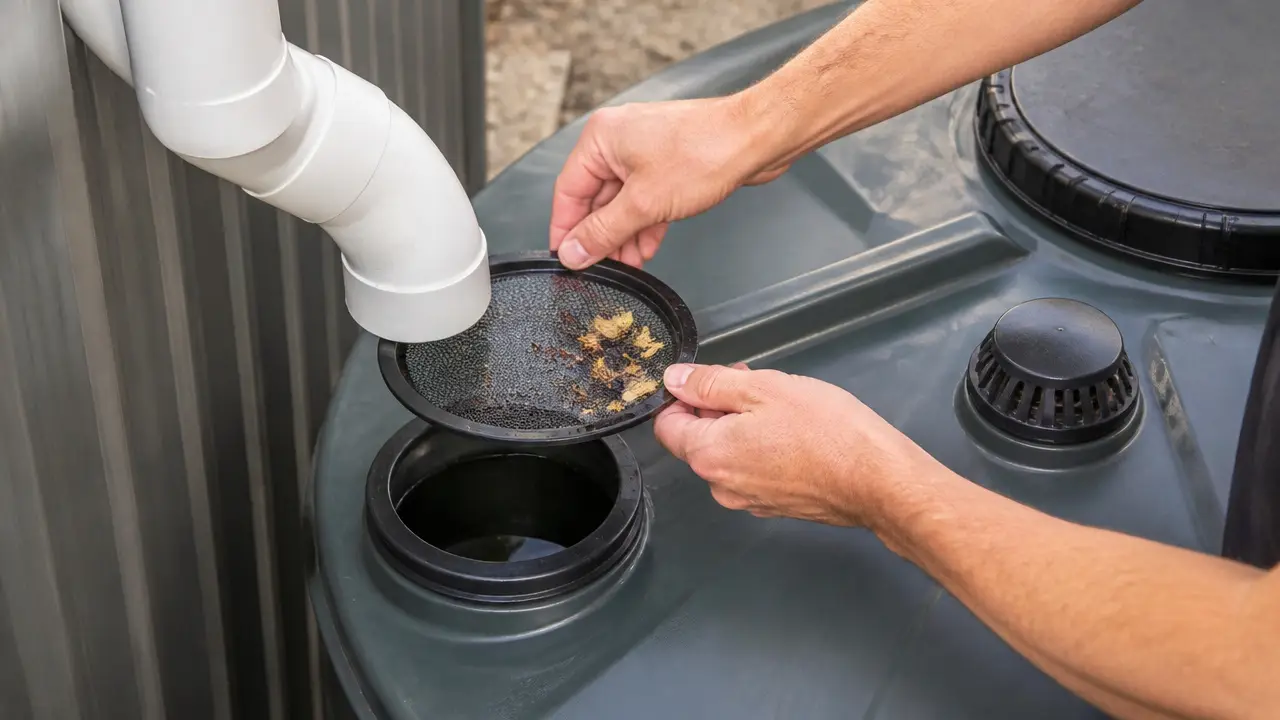
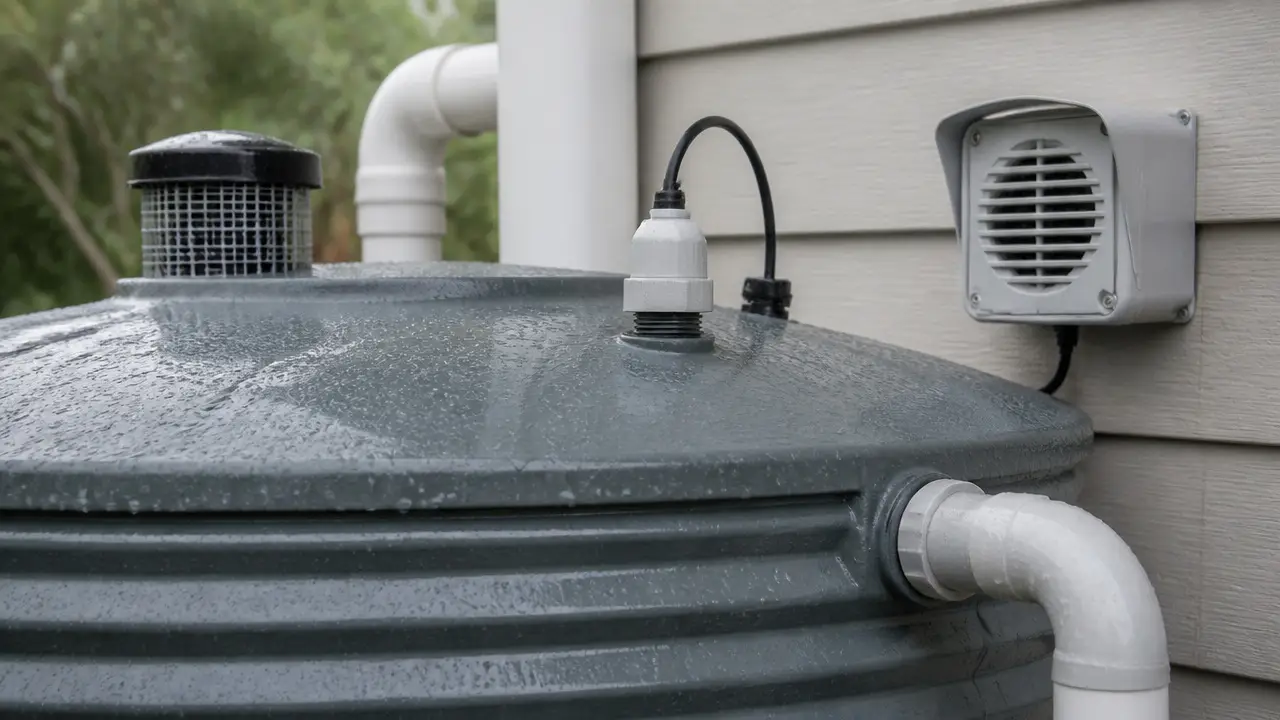
For a home with a separate rainwater supply, make sure the detection system covers the rainwater plumbing as well as the normal water supply. A detector can only monitor the water that passes through the pipe or area it watches.
Frequently Asked Questions
What is the best water leak detector for a house?
For broad protection, a whole-house flow-monitoring detector with automatic shutoff is the strongest single type. Using it with point moisture sensors near appliances and plumbing connections gives better coverage because the two systems detect leaks differently.
Are smart water leak detectors worth it?
They can be useful if you want alerts while away from home. Models with automatic shutoff can also stop continued water flow. However, smart features depend on proper installation, setup, power, and sometimes an internet connection.
How many water leak sensors do I need?
There is no fixed number. Place sensors at the main locations where a plumbing or appliance leak could cause damage. Common priorities are the water heater, washing machine, kitchen sink, bathrooms, dishwasher, refrigerator supply, and indoor water-treatment equipment.
Where should I put a water leak detector near a water heater?
Place the sensing area where leaking water is most likely to collect first, often near the bottom edge of the heater or its drain pan. Consider the slope of the floor rather than simply placing the sensor beside the heater.
Can a water leak detector automatically shut off the water?
Some whole-house systems can. They use a motorized valve to close the water supply when the system identifies a likely leak. Other detectors only sound an alarm or send a notification.
Will a whole-house leak detector detect a rainwater system leak?
Only if the rainwater flows through the monitored pipe. A detector installed on the municipal water main generally cannot monitor a separate tank-and-pump plumbing circuit. Separate monitoring may be needed.
How often should water leak detectors be tested?
Check them regularly according to the manufacturer's instructions and after changing batteries or modifying the plumbing. EPA recommends checking leak detection and flow-monitoring systems at least once each year to confirm that they are working correctly.