As an affiliate, we may earn a commission from qualifying purchases. We get commissions for purchases made through links on this website from Amazon and other third parties.
What Is the Longest-Lasting Screen Material?
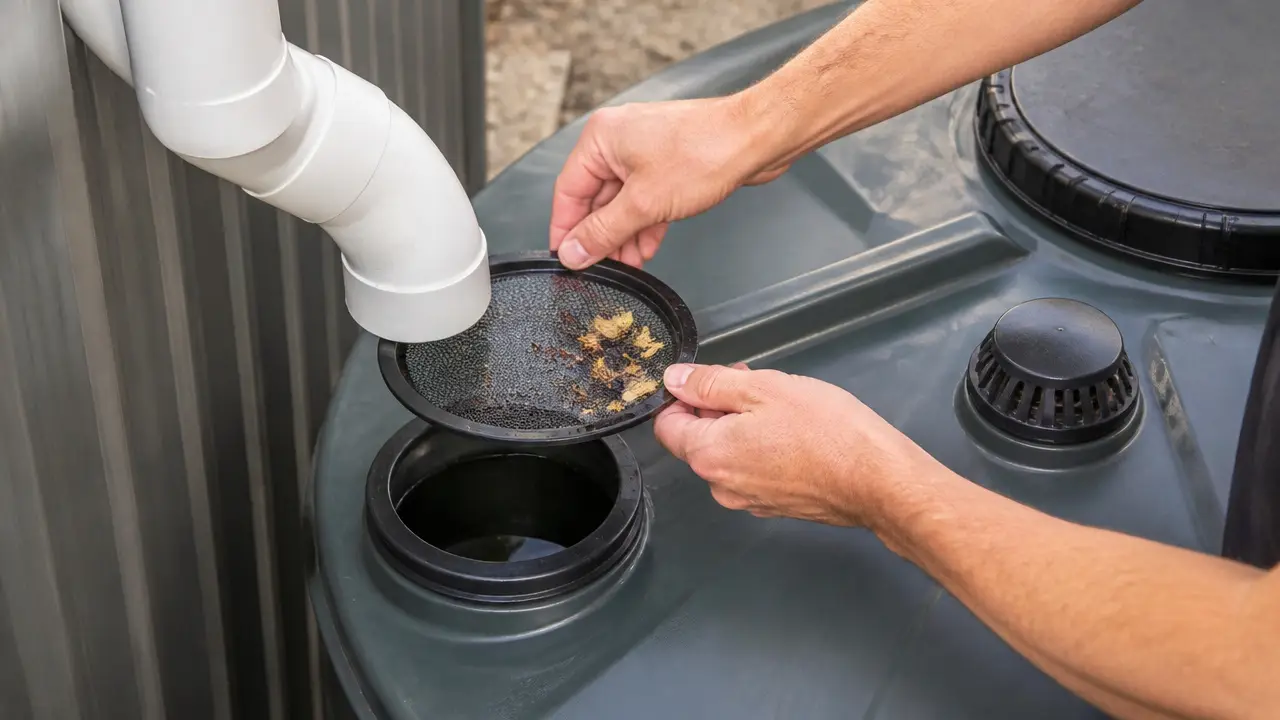
For most rainwater harvesting and gutter applications, stainless steel mesh is the longest-lasting practical screen material.
It resists rust, sunlight, moisture, insects, and repeated cleaning better than common fiberglass, plastic, and plain steel screens. A good stainless steel screen can remain usable for many years when it is installed correctly and kept free of heavy debris.
That does not mean every stainless steel screen lasts forever. Its life still depends on the grade of steel, wire thickness, location, water chemistry, and how the screen is supported.
Why Stainless Steel Lasts So Long
Rainwater screens spend much of their life in difficult conditions. They may be exposed to:
- Rain and standing moisture
- Strong sunlight
- Leaves and organic debris
- Bird droppings
- Wind-blown dirt
- Temperature changes
- Repeated brushing or washing
Stainless steel handles these conditions well because it forms a thin protective layer on its surface that helps resist corrosion.
It also stays stronger than many nonmetal screens as it ages.
This makes stainless steel especially useful for:
- Rain barrel inlet screens
- Cistern inlet screens
- Gutter guards
- Downspout debris screens
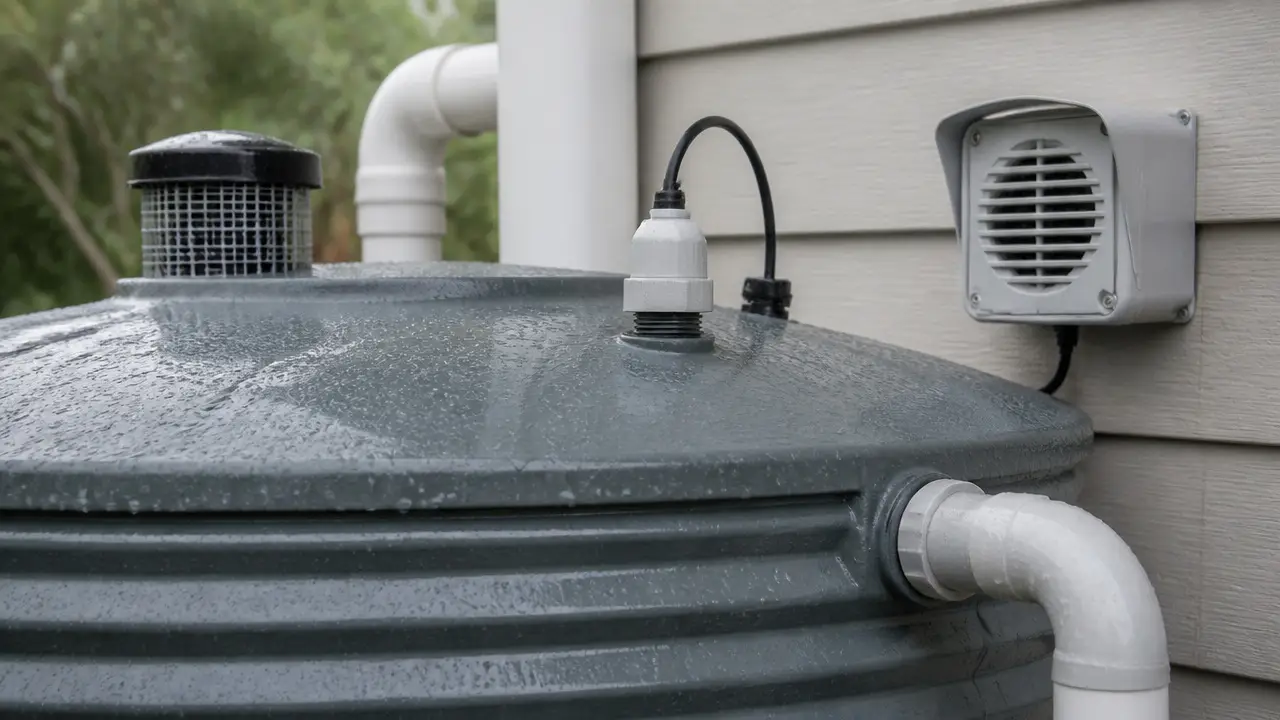
- Tank vent screens
- Mosquito screens on rainwater systems
How Common Screen Materials Compare
| Screen material | Durability | Main concern |
|---|---|---|
| Stainless steel | Excellent | Higher-grade material may be needed near saltwater |
| Aluminum | Good | Can corrode in some environments and is easier to dent |
| Fiberglass | Moderate | Can weaken from sun exposure and physical wear |
| Plastic or nylon | Moderate to low | UV exposure can make some plastics brittle |
| Galvanized steel | Moderate | Protective coating can eventually wear away and rust |
| Plain steel | Low outdoors | Rusts readily when repeatedly exposed to water |
For a screen that will stay outdoors year after year, stainless steel is usually the safest choice for long service life.
Stainless Steel Grade Matters
Not all stainless steel performs the same way.
304 stainless steel
Type 304 is widely used for outdoor screens and general rainwater equipment. It offers good corrosion resistance in normal residential environments.
For many inland rainwater systems, it is a practical choice.
316 stainless steel
Type 316 contains additional alloying elements that improve resistance to chloride-related corrosion.
It may be a better choice for:
- Coastal homes
- Areas exposed to salt spray
- Harsh industrial environments
- Installations where corrosion has already been a problem
Using 316 stainless steel does not make a screen maintenance-free. Salt, dirt, and organic material should still be cleaned away.
Mesh Size Also Affects Screen Life
Durability is not only about the material.
A very fine mesh uses thinner openings and may clog faster than a coarse screen. Frequent clogging can lead to more cleaning and more physical wear.
A coarse screen is usually easier to keep clear, but it allows smaller particles through.
The explanation of limits in “Are Gutter Screens a Good Idea?” connects this choice to the way the complete rainwater system performs.
For rainwater harvesting, screen size should match the job.
For example, a leaf screen near a gutter outlet does not need to catch the same particles as a fine tank inlet screen. Using several stages of debris removal is often better than expecting one fine screen to catch everything.
Wire Thickness and Construction Matter
Two screens made from the same stainless steel can have very different lifespans.
A screen made from thicker wire and held in a rigid frame can usually withstand more:
- Brushing
- Water pressure
- Debris weight
- Handling
- Wind
- Accidental impacts
Very thin mesh may last a long time chemically but still tear or deform physically.
When choosing a screen, consider both corrosion resistance and mechanical strength.
What Usually Shortens Screen Life?
Even stainless steel screens can fail early if the installation creates unnecessary stress.
Constant wet debris
Leaves and roof debris can hold moisture against the screen for long periods.
This encourages staining, biological growth, and corrosion around trapped material.
Clean debris before it forms a thick mat.
Poor support
A large sheet of mesh stretched across a wide opening can sag under wet leaves or water.
A frame or support underneath the mesh can reduce strain.
Harsh cleaning
Wire brushes, scraping tools, or aggressive chemicals can damage some screens and surrounding parts.
Gentle brushing and rinsing are usually enough for routine cleaning.
Mixed metals
Contact between different metals in wet conditions can sometimes increase corrosion.
The options compared “5 Best Rain Barrel Screens for Leaves, Insects, and Debris Control” clarifies a related design decision that can affect day-to-day operation.
This is called galvanic corrosion.
For example, stainless steel attached directly to certain other metals may behave differently depending on the installation and environment. Compatible fasteners and fittings are worth using.
Coastal salt
Account for comparing gutter filter options to assess filtration requirements for the intended household application.
Saltwater spray is much harder on metals than ordinary rain.
A screen that lasts well inland may corrode faster near the coast.
Is Aluminum a Good Alternative?
Yes. Aluminum screens can work well where weight and corrosion resistance matter.
They do not rust like ordinary steel, and they are usually suitable for many outdoor uses.
However, aluminum is softer than stainless steel. It can bend, tear, or become damaged more easily during cleaning.
It can also corrode under certain conditions, especially when exposed to incompatible metals or harsh environments.
For maximum durability, stainless steel normally has the advantage.
How Long Does Fiberglass Screen Last?
Fiberglass screen is common because it is light and easy to work with.
It can be useful for:
- Mosquito barriers
- Light-duty vent screens
- Covered rain barrel openings
Its main weakness outdoors is aging from sunlight and weather.
Over time, fiberglass mesh can become:
- Brittle
- Frayed
- Stretched
- Torn
It may work well when shaded and protected, but it is generally not the best choice when maximum service life is the goal.
What About Plastic Screen?
Plastic or nylon mesh can resist rust completely, but rust resistance does not automatically mean long life outdoors.
Ultraviolet light from the sun can slowly weaken many plastics.
UV-stabilized materials usually last longer than untreated plastics, but the exact lifespan depends on the material and installation.
Plastic mesh can still be useful where corrosion is severe or where metal is unsuitable, but stainless steel is usually more dependable for long-term exposed use.
The walkthrough “How to Keep Debris Out of a Rain Barrel” shows where this detail fits into planning the broader system.
The Best Screen Depends on Its Job
The longest-lasting material is not always the only thing that matters.
A rainwater screen also needs to fit the system.
Check:
- Opening dimensions
- Mesh opening size
- Frame strength
- Water flow
- Debris load
- Mosquito protection needs
- Access for cleaning
- Exposure to sunlight
- Exposure to salt
- Compatibility with nearby metals
A durable screen that clogs constantly or cannot be removed for cleaning can still cause problems.
Screens Are Only One Part of Rainwater Treatment
A screen removes physical debris based on the size of its openings.
It does not make roof runoff safe to drink.
Even a very fine stainless steel mesh cannot reliably remove:
- Dissolved chemicals
- Very small particles
- Bacteria
- Viruses
- Contaminants washed from the roof
If rainwater is intended for drinking, screen selection is only one part of a larger system involving suitable collection surfaces, debris control, prefiltration, appropriate treatment, maintenance, current laboratory testing, and applicable local requirements.
How to Make a Screen Last Longer
A durable material still needs basic care.
Inspect rainwater screens periodically and:
- Remove leaves before they build up.
- Rinse away fine dirt and organic material.
- Check for holes or torn wire.
- Make sure the frame is still secure.
- Look for corrosion around fasteners and joints.
- Replace damaged mesh before insects or debris can enter the tank.
Screens that are easy to remove and clean are usually easier to maintain for the long term.
Frequently Asked Questions
What screen material lasts the longest outdoors?
Stainless steel is generally the longest-lasting practical screen material for outdoor rainwater and gutter systems because it combines corrosion resistance with good physical strength.
Is 316 stainless steel better than 304 stainless steel?
316 stainless steel generally provides better corrosion resistance in salty or chloride-rich environments. For many inland residential installations, 304 stainless steel is often adequate.
Does stainless steel screen rust?
Stainless steel is highly rust resistant, but it is not completely immune to corrosion. Salt exposure, trapped debris, damaged surfaces, and unsuitable metal combinations can increase corrosion.
Is fiberglass or aluminum screen more durable?
Aluminum usually has better long-term outdoor durability than standard fiberglass because fiberglass can weaken from sunlight and weather. Stainless steel generally lasts longer than either one when maximum durability is needed.
Can I use window screen on a rain barrel?
Some window screens can keep mosquitoes and large debris out, but their durability and mesh size vary. The material should resist outdoor exposure, fit securely, and be fine enough to prevent insects from entering around the opening.
Does a finer mesh protect rainwater better?
A finer mesh catches smaller debris, but it also clogs more easily. Screen size should match the intended purpose and should not be treated as a substitute for proper water treatment.
How often should a rainwater screen be replaced?
There is no single replacement interval. Inspect it regularly and replace it when the mesh becomes torn, badly corroded, permanently deformed, brittle, or unable to stay securely attached.