As an affiliate, we may earn a commission from qualifying purchases. We get commissions for purchases made through links on this website from Amazon and other third parties.
Most gutters last about 20 to 30 years, but the real lifespan depends on the material, weather, installation, and upkeep. Aluminum gutters often fall in that 20-to-30-year range. Vinyl usually wears out sooner, while copper can last 50 years or much longer.
Age alone does not tell you when to replace gutters. A well-kept older system may still work well. A newer system can fail early if it holds standing water, clogs often, pulls away from the roof, or has poor joints.
For a rainwater harvesting system, gutter condition matters for another reason. Leaks reduce the amount of water you collect. Rust, peeling coatings, dirt, and damaged joints can also add unwanted material to the water flowing toward your tank.
Typical Gutter Lifespan by Material
These are useful planning ranges, not guaranteed service lives.
| Gutter material | Typical planning lifespan | Common aging problems |
|---|---|---|
| Vinyl or PVC | 10–20 years | Cracking, warping, brittle joints |
| Aluminum | 20–30 years | Dents, loose joints, sagging |
| Galvanized steel | About 15–25 years | Rust after the protective coating wears |
| Copper | 50+ years | Joint or fastener problems may occur before the gutter fails |
| Zinc | Several decades, often 40–50+ years | Joint, fastener, or installation problems |
Published estimates vary because climate and installation make a large difference. The National Association of Home Builders' housing-component study listed about 20 years for aluminum and galvanized steel gutters and 50 years or more for copper. More recent homeowner guidance commonly places aluminum around 20–30 years, vinyl around 10–20 years, and copper at 50 years or more.
Aluminum Gutters
Aluminum is common because it does not rust like ordinary steel and is fairly light.
A useful planning range is about 20 to 30 years.
The metal itself may still be usable when problems start appearing. Weak hangers, leaking corners, damaged outlets, and old sealant can fail before the main gutter channel does.
Aluminum can also dent from ladders, falling branches, hail, or heavy ice.
For rainwater collection, inspect the inside surface as well as the outside. Look for accumulated debris, damaged coatings, loose fasteners, and places where water sits instead of draining.
Vinyl Gutters
Vinyl gutters commonly last around 10 to 20 years.
They do not rust, but sunlight and temperature changes slowly affect the plastic. Older sections may become brittle. Joints can also move as the material expands and contracts.
Cold climates can be especially hard on aging vinyl. Snow, ice, and repeated freezing can expose weak joints or cause brittle sections to crack.
A small crack is important in a rainwater harvesting system because water may escape before reaching the storage tank.
Galvanized Steel Gutters
Galvanized steel is steel protected by a zinc coating. The coating slows rusting.
The NAHB housing-component study listed about 20 years as a typical life expectancy for galvanized steel gutters. Other published estimates vary around this figure.
Once the protective surface is damaged or worn away, the steel underneath can begin to rust.
Small areas of surface discoloration do not always mean the whole gutter needs replacement. Deep rust, holes, weak metal, or repeated leaks are more serious.
Rust also matters when the gutter feeds a rainwater tank. Flaking corrosion and debris can travel downstream into screens, first-flush devices, filters, or storage.
Copper Gutters
Copper gutters can last 50 years or more, and well-installed systems may last much longer.
Copper develops a surface patina as it ages. That color change is normal and does not by itself mean the gutter is failing.
With a long-lived metal such as copper, joints, brackets, fasteners, and connections may need attention before the gutter channel itself needs replacement.
Zinc Gutters
Zinc is another long-lasting gutter material. Published lifespan estimates vary widely, but several decades of service is reasonable for a properly installed system. Some estimates place zinc systems well beyond 50 years.
Correct installation matters because zinc needs suitable joints, fasteners, and detailing. It is not simply a matter of replacing an aluminum section with zinc and keeping every other part of the system unchanged.
What Makes Gutters Wear Out Faster?
Gutter material is only part of the story. Several conditions can shorten the useful life of almost any system.
Standing Water
Gutters should move water toward their outlets rather than hold pools of water between storms.
Standing water can happen because of poor slope, sagging sections, clogged outlets, or damaged hangers.
It adds weight and keeps metal surfaces wet longer. In freezing weather, that water can also turn to ice.
For rainwater harvesting, standing water collects dirt between storms and can wash that material into the tank when rain begins again.
Leaves and Roof Debris
Leaves, needles, seeds, grit, and other debris can block the gutter or downspout.
A blockage makes water back up. The extra weight can strain hangers and joints. Wet organic material can also stay against the gutter surface for long periods.
Cleaning frequency depends on the roof and surrounding trees. A house under large trees may need attention much more often than a roof in an open area.
Poor Installation
A durable gutter can still have a short useful life if it was installed badly.
Problems include:
- Too few or poorly secured hangers
- Low spots that hold water
- Leaking corner joints
- Poorly sealed outlets
- Downspouts that are too limited for the roof runoff
- Sections that move during expansion and contraction
- Incompatible metals or fasteners
Correcting an installation problem early can sometimes prevent the gutter itself from being damaged.
Snow and Ice
Snow and ice can place large loads on gutters.
Problems become more likely when roof snow slides into a gutter, ice builds inside it, or water repeatedly freezes at a blocked outlet.
A gutter system in a freezing climate therefore needs more than normal cleaning. Hangers, slope, roof conditions, and downspout drainage all need attention.
Do not work from an icy or wet roof to inspect gutters. Difficult roof access is a good reason to use a qualified contractor.
Coastal Air
Salt exposure can speed corrosion of some metals and fasteners.
If your home is near the coast, material choice becomes more important. Check the gutter manufacturer's guidance for the specific material, coating, and fasteners being used.
Falling Branches and Ladder Damage
A gutter can be relatively young and still need replacement after physical damage.
Branches can bend a run or tear hangers loose. Resting a ladder directly against some gutters can also dent or deform them.
A badly bent section may no longer drain correctly even if it does not visibly leak.
Seamless vs. Sectional Gutters
A seamless gutter is made as one long section for most of a roof run. A sectional gutter is assembled from shorter pieces.
Seamless construction does not make aluminum itself last forever. Its main advantage is that there are fewer joints along the run where leaks can develop.
Corners and outlets still require connections.
Sectional systems can work well, but they have more joints to inspect. Over time, movement and aging sealant can cause those joints to drip.
For a rainwater collection system, fewer leaks mean more roof runoff reaches the downspout and storage tank.
How Gutter Condition Affects Rainwater Harvesting
A gutter can still move stormwater away from a house while being in poor condition for collecting water.
Inspect the whole collection path:
Roof → gutter → outlet → downspout → prefilter or screen → first-flush device → storage tank
Reviewing the best season for gutter cleaning helps assess collection capacity with suitable debris exclusion.
A first-flush device diverts some of the first runoff from a storm. That early runoff often carries more dust and debris from the collection surface.
Check gutters for:
- Rust or loose corrosion
- Peeling or failing coatings
- Heavy sediment
- Bird or animal contamination
- Standing water
- Cracked joints
- Holes
- Loose screws or fasteners
- Plant growth
- Roof debris trapped against the gutter
- Old screens that are breaking apart
Do not assume that replacing dirty gutters makes collected rainwater safe to drink.
Drinking-water use is a whole-system decision. It requires suitable collection materials, proper prefiltration and treatment, current laboratory testing, ongoing maintenance, and compliance with applicable local requirements.
Signs Your Gutters May Need Replacement
Replacement makes more sense when problems affect large parts of the system rather than one small repairable area.
Watch for these signs.
Many Leaks
One leaking joint may be repairable.
Leaks appearing at many seams, corners, or sections suggest the system is aging as a whole.
Holes or Deep Corrosion
A small isolated defect might be repaired. Widespread rust or metal that has become thin and weak usually points toward replacement.
Repeated Sagging
Sagging can sometimes be fixed by repairing hangers.
But if the gutter has become permanently bent or distorted, it may continue to hold standing water even after the supports are repaired.
Gutters Pulling Away From the House
Loose fasteners or damaged fascia can allow the system to separate from the roof edge.
The fascia is the board along the lower roof edge where many gutter systems are attached.
If the fascia itself is rotten or damaged, simply installing new gutters may not solve the problem. The supporting structure needs to be checked first.
Cracked or Brittle Vinyl
An isolated broken vinyl piece can sometimes be replaced.
If many sections are brittle, faded, cracked, or failing at their joints, replacing the system may make more sense than continuing to patch it.
Constant Repairs
A 25-year-old gutter does not automatically need replacement.
However, if an older system needs new sealant, hangers, joints, and patches every season, replacement may be more practical than continuing small repairs.
How to Help Gutters Last Longer
Good maintenance cannot stop aging, but it can prevent avoidable damage.
Keep Them Clear
Remove leaves and debris before they block outlets.
Check downspouts too. A clean gutter does little good if the downspout is plugged below it.
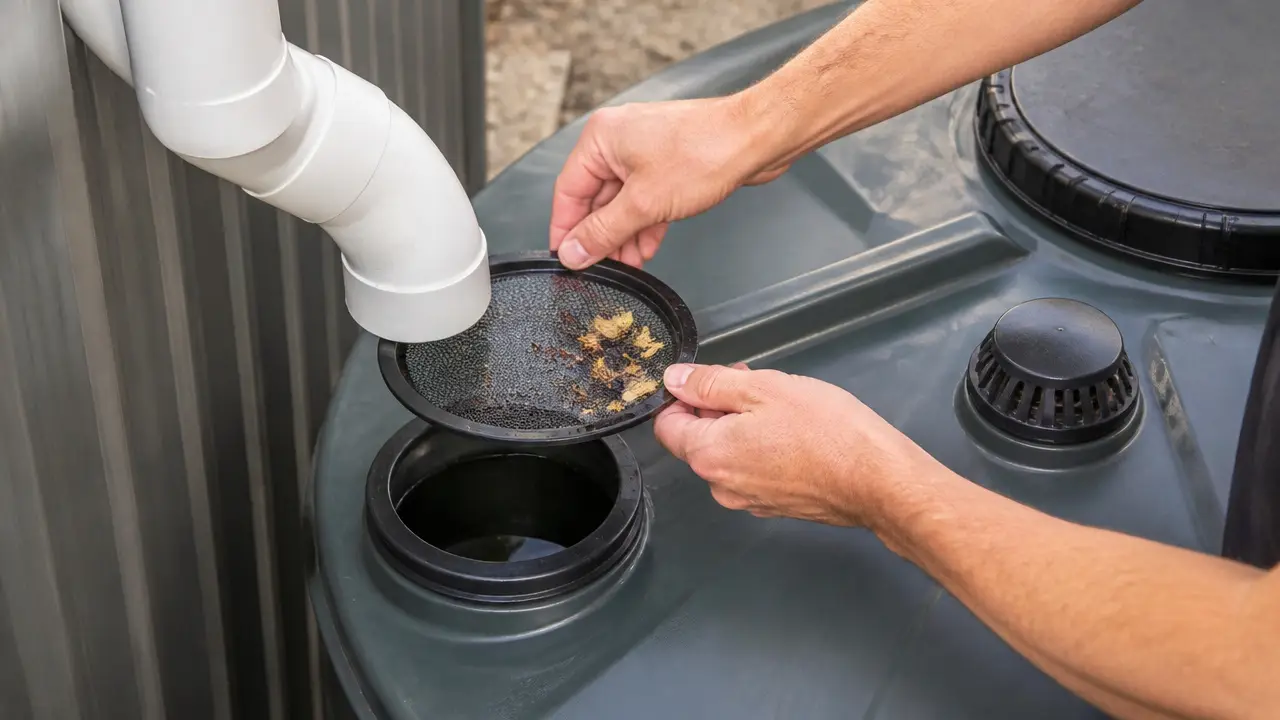
For rainwater systems, also clean leaf screens and other prefilters according to their design.
Check Drainage After Rain
You can learn a lot without climbing onto the roof.
During or shortly after a safe rainfall, look from the ground for:
- Water overflowing the front edge
- Drips at joints
- Water running behind the gutter
- Sections that stay full
- Downspouts with little or no flow
- Water escaping before reaching the rain tank
Never inspect gutters from a ladder during a storm.
Repair Small Problems Early
A loose hanger or minor leak can become a much larger problem if ignored.
Water is heavy. Once one part of a run begins to sag, the low spot can collect even more water and debris.
Keep Nearby Trees Managed
Branches rubbing against the roof or gutter can cause physical damage.
Trimming large branches near a roof can also involve fall hazards and tree hazards. Use a qualified professional when the work cannot be done safely from the ground.
Repair or Replace?
The best choice depends on how much of the gutter system is damaged.
Repair often makes sense when:
- One joint leaks
- A small section is damaged
- A few hangers are loose
- One outlet is blocked or damaged
- The rest of the gutter is still solid
Replacement becomes more reasonable when:
- Rust or cracking is widespread
- Several sections sag
- Many joints leak
- The gutter has lost its proper shape
- Repairs keep failing
- The system is poorly sized or poorly laid out
- Damaged gutters are interfering with reliable rainwater collection
Do not replace a gutter simply because it has reached an estimated age. Inspect its actual condition and performance first.
Downspouts May Last a Different Length of Time
Gutters and downspouts are part of the same drainage system, but they do not always age at the same rate.
The NAHB study, for example, listed aluminum gutters at about 20 years and aluminum downspouts at about 30 years.
A downspout may therefore still be usable when the horizontal gutter needs replacement.
However, check compatibility before reusing it. The new gutter outlet and the existing downspout need to fit correctly, and the downspout must provide enough flow for the roof area and local rainfall conditions.
For rainwater harvesting, it also needs to connect properly with any diverter, first-flush device, screen, or tank inlet.
Frequently Asked Questions
How long do aluminum gutters last?
Aluminum gutters commonly last about 20 to 30 years. Installation quality, weather, physical damage, and maintenance can move the actual lifespan above or below that range.
How often should gutters be replaced?
There is no fixed replacement schedule. Replace gutters when corrosion, cracking, leaks, sagging, or repeated repairs keep them from moving water properly. Their condition matters more than their birthday.
Can gutters last 30 years?
Yes. Well-installed and maintained aluminum gutters can sometimes reach around 30 years, while copper and other long-lived metals can last much longer.
Do seamless gutters last longer?
Seamless gutters have fewer joints along each run, so there are fewer places where leaks can develop. Their total lifespan still depends on the gutter material, hangers, installation, weather, and maintenance.
Do gutter guards make gutters last longer?
Gutter guards can reduce the amount of large debris entering some systems, but they do not make gutters maintenance-free. Gutters, guards, outlets, and downspouts still need inspection and cleaning when needed.
Should rusty gutters be replaced?
Minor surface rust does not always require complete replacement. Gutters with deep corrosion, holes, weak metal, or widespread rust are stronger candidates for replacement. Rusting gutters that feed a rainwater tank should also be checked for their effect on collected water and downstream filters.
Can old gutters still be used for rainwater harvesting?
They can sometimes remain useful if they are structurally sound, drain properly, and are made from materials suitable for the intended water use. Inspect them for rust, peeling coatings, debris, standing water, damaged joints, and contamination before connecting them to storage. Rainwater intended for drinking requires a suitable whole collection and treatment system rather than relying on gutter condition alone.