As an affiliate, we may earn a commission from qualifying purchases. We get commissions for purchases made through links on this website from Amazon and other third parties.
Water in a rain barrel can become unpleasant or contaminated over time, but it does not “go bad” on a fixed schedule like food.
The bigger issue is water quality. Stored rainwater can collect dirt, bird droppings, roof chemicals, insects, algae, and microorganisms. Warm temperatures, sunlight, and long storage can make some of these problems worse. Even clear, odor-free rainwater should not be assumed safe to drink. The CDC notes that roof-collected rainwater can contain both germs and chemicals.
For normal rain-barrel use, such as watering ornamental plants, the best approach is to keep the barrel covered, keep insects and debris out, use the water regularly, and clean the barrel when sediment builds up.
Does Rain Barrel Water Have a Shelf Life?
There is no reliable number of days after which rain barrel water suddenly becomes unusable.
A well-covered barrel may hold water for quite a while without an obvious problem. A poorly protected barrel can develop algae, odors, mosquitoes, or heavy sediment much sooner.
How well the water keeps depends on several things:
- How much dirt enters from the roof and gutters
- Whether the barrel opening is screened
- How much sunlight reaches the water
- How hot the water becomes
- Whether leaves and other organic material enter
- How often fresh rainwater mixes with old water
- How often the barrel is emptied
- What you plan to use the water for
The intended use matters most. Water that is reasonable for watering a flower bed is not automatically suitable for washing food, bathing, or drinking.
What Happens When Rainwater Sits in a Barrel?
Stored rainwater is not sterile. Several changes can happen while it sits.
Sediment settles to the bottom
Dust, pollen, bits of leaves, roofing particles, and other debris can wash through the downspout.
Some of this material settles into a layer of sludge at the bottom of the barrel. A small amount of sediment is common, but a thick layer can make cleaning harder and may contribute to odors.
A gutter screen or inlet screen can reduce larger debris.
A first-flush diverter can also help. This device sends the first portion of runoff from a storm away from the storage tank. That first runoff often carries a larger share of the dirt and contamination that accumulated on the roof between storms.
Microorganisms can enter
Rainwater can pick up microorganisms from animal droppings, dirt, and other material on the roof.
Bird droppings are one common source. Rain falling after a long dry period can wash accumulated contamination into the barrel.
Storing the water does not automatically remove these organisms.
Algae may grow
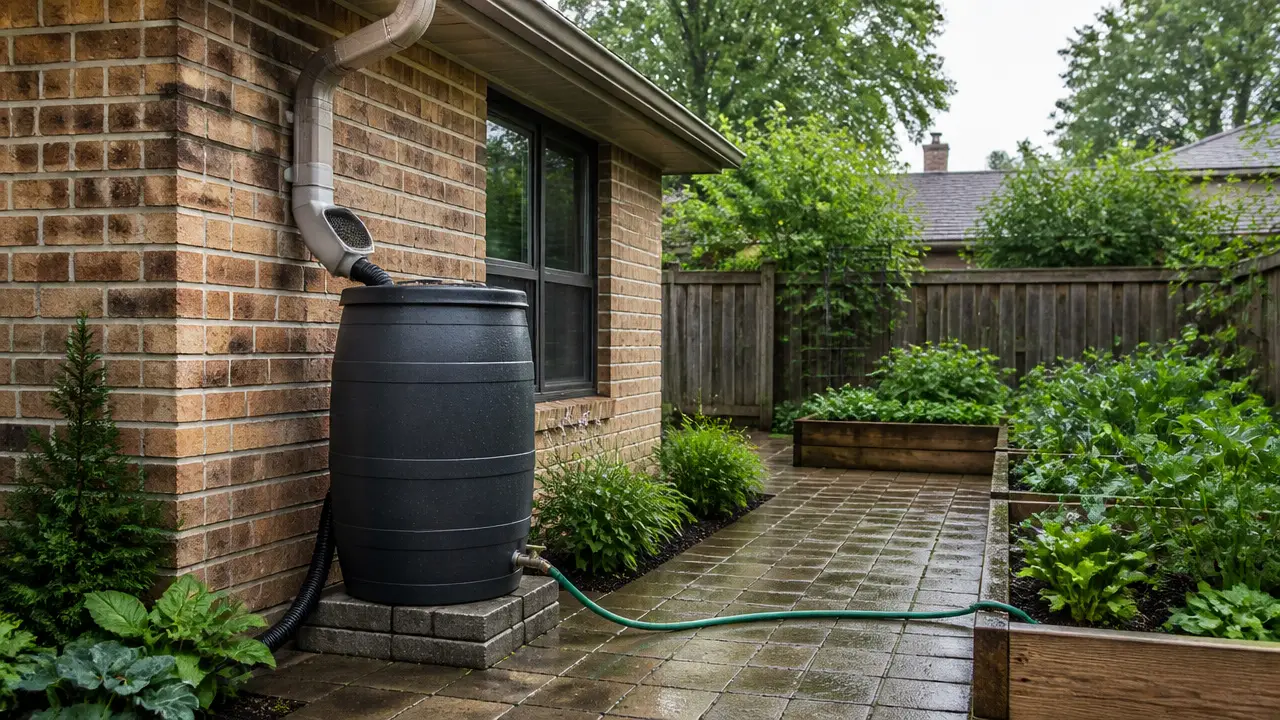
Algae needs light, so a dark or opaque rain barrel is much less likely to develop heavy algae growth than a clear or translucent container.
Green water or a slippery green coating inside the barrel usually means enough light and nutrients are reaching the water to support algae.
Algae is often more of a maintenance problem than a simple indication that the water has reached a particular age. Blocking light and reducing debris are usually more useful than trying to determine how many days the water has been stored.
Mosquitoes can breed
An open or poorly screened rain barrel can become mosquito habitat.
The CDC recommends using a screen where water enters the rainwater system or emptying the barrel at least every 10 days to help prevent mosquitoes from laying eggs. EPA guidance also emphasizes eliminating accessible standing water as part of mosquito control.
A rain barrel should therefore have tight-fitting covers and fine screening over openings that mosquitoes could use.
Signs That Rain Barrel Water Needs Attention
Check the water and the barrel if you notice:
- A strong rotten or sewage-like smell
- Green water or heavy algae
- Mosquito larvae or other insects
- A large amount of sludge
- Dead animals or obvious animal contamination
- Oil, paint, chemicals, or unusual runoff entering the barrel
- A major change in water color
- Clogged screens, hoses, or outlets
In many of these cases, emptying and cleaning the barrel is more sensible than continuing to store the water.
However, appearance and smell cannot tell you whether water is safe to drink. Harmful germs and chemicals may be present even when water looks and smells normal.
Can You Use Old Rain Barrel Water on Plants?
For ornamental plants and landscaping, stored rainwater is commonly used as a non-potable water source. EPA describes rain barrels as a way to store roof runoff for uses such as lawns and gardens.
A few precautions still make sense.
Avoid using water that has been obviously contaminated by fuel, pesticides, paint, roofing work, or other hazardous chemicals. Also consider what the roof is made from and what may have washed across it.
Roof runoff can pick up bacteria from animals and chemicals from roofing and gutter materials.
For plants you intend to eat, be more cautious. CDC recommends, when possible, using treated tap or bottled water rather than untreated collected rainwater for watering edible plants. Local health or agricultural guidance may provide more specific recommendations for your area and crop.
Can Old Rain Barrel Water Be Used for Drinking?
Do not treat ordinary rain-barrel water as drinking water simply because it looks clear or has been stored for a long time.
Rainwater can collect:
- Bacteria and other microorganisms
- Animal waste
- Dust and smoke particles
- Metals
- Chemicals from roofing
- Chemicals from gutters, pipes, or storage materials
The CDC specifically states that rainwater is not necessarily safe to drink unless appropriate steps are taken to address germs and chemicals.
A simple screen, sediment filter, carbon filter, UV unit, boiling step, or home test strip by itself does not establish that roof runoff is potable.
Potable means suitable for drinking.
If rainwater will be used for drinking, cooking, brushing teeth, or similar uses, it should be treated as a complete water-supply system. That means suitable collection materials, contamination control, appropriate treatment for the contaminants present, regular maintenance, and laboratory testing.
Review practical considerations for rainwater have a smell to understand this decision within the complete collection path.
CDC recommends regularly testing rainwater used for drinking, cooking, or bathing and consulting the local health department about which germs and chemicals should be tested. CDC also advises testing private rainwater drinking systems at least annually.
How to Keep Rain Barrel Water in Better Condition
You cannot make outdoor stored water permanently maintenance-free, but a few design choices make a large difference.
Keep sunlight out
Use an opaque barrel and keep the lid closed. Light encourages algae growth.
If you can clearly see daylight through the barrel wall, shading the barrel or switching to an opaque storage container can help.
Screen every opening
Place insect-resistant screening at the inlet and any other opening that mosquitoes could reach.
Check the screen regularly. Leaves and sediment can tear it, push it aside, or clog it.
Reduce roof debris
Clean gutters when needed and keep large leaves and other debris from entering the barrel.
A first-flush diverter can reduce the amount of contamination from the beginning of a storm, especially after dry weather. It does not make the water automatically safe to drink.
Use the water instead of storing it indefinitely
Rain barrels work best when they have space available for the next rain.
Regularly using the stored water also prevents the same batch from sitting through long periods of warm weather.
If a barrel is not adequately protected from mosquitoes, CDC recommends emptying it at least every 10 days.
Clean accumulated sediment
Eventually, sediment will collect at the bottom.
Drain the barrel when practical and remove accumulated debris. How often this is needed depends on the roof, trees, gutter condition, screening, and how much material enters the system.
Inspecting the bottom periodically is more useful than following an arbitrary cleaning date.
Maintain the overflow
A full barrel needs a safe place for excess rainwater to go.
Make sure the overflow is not blocked and sends water away from the building foundation. Keep overflow openings screened when their design could otherwise allow mosquitoes into the barrel.
What About Water Left in the Barrel Over Winter?
Freezing changes the problem.
Water expands when it freezes. A barrel, valve, hose, fitting, or pipe that is full of water can crack or split in freezing conditions.
In climates with hard freezes, follow the barrel manufacturer's winter instructions. Many simple above-ground systems need to be drained and disconnected before sustained freezing weather.
Do not rely on the fact that the barrel survived one winter. Freeze damage can occur at fittings and valves before the barrel itself visibly fails.
When Should You Empty the Barrel?
Emptying the barrel is a sensible choice when:
- The water has a severe odor
- Mosquitoes have entered it
- An animal has fallen into it
- There is heavy algae or sludge
- Chemicals or contaminated runoff entered it
- You need to clean or repair the barrel
- Freezing weather requires winterization
You may also want to drain old water before a major storm if making storage space for new runoff is one of the reasons you use the barrel.
For ordinary garden use, however, water does not need to be discarded simply because it has been sitting for a particular number of days. Storage conditions and contamination matter more than age alone.
Frequently Asked Questions
How long can water sit in a rain barrel?
There is no universal safe storage time. A sealed, opaque, screened barrel can keep water in better condition than an open barrel exposed to sunlight and debris. Use the water regularly and inspect the system rather than relying on a fixed expiration date.
Why does my rain barrel water smell bad?
Leaves, pollen, animal waste, and other organic material may be breaking down in the water or sludge at the bottom. Drain and clean the barrel if the odor is strong, and check the gutter and inlet screen to reduce future debris.
Is green rain barrel water bad?
Green water usually points to algae growth. Sunlight reaching the stored water is a common cause. An opaque, covered barrel helps limit algae. Heavy algae is also a sign that the barrel could use cleaning.
Can I water flowers with old rain barrel water?
Rainwater stored in a properly maintained barrel is commonly used for ornamental plants. Do not use water that has been contaminated by fuels, hazardous chemicals, or other questionable runoff.
Can I drink rain barrel water if I boil it?
Do not assume so. Boiling can address many germs, but it does not remove many chemical contaminants that may enter roof runoff. Drinking-water rainwater systems require appropriate collection, treatment, testing, and maintenance based on the actual risks present.
Should I empty my rain barrel to prevent mosquitoes?
Keep the barrel tightly covered and screen openings so mosquitoes cannot reach the water. If the system cannot keep mosquitoes out, CDC recommends emptying the barrel at least every 10 days.
Does a rain barrel need to be cleaned?
Yes. Dirt and sediment eventually accumulate even in a screened system. Inspect the barrel and clean it when sediment, algae, odors, clogged outlets, or other buildup becomes noticeable.