As an affiliate, we may earn a commission from qualifying purchases. We get commissions for purchases made through links on this website from Amazon and other third parties.
Rain barrel water stays fresher when you keep dirt, sunlight, insects, and animals out, then use the stored water regularly instead of letting it sit for long periods. A covered, opaque barrel with screened openings and a clean roof collection path needs much less cleanup than an open barrel.
For most homes, untreated rain barrel water is best treated as non-potable water, meaning water that is not intended for drinking. Roof runoff can pick up bird droppings, dirt, germs, and chemicals before it reaches the barrel. Even clear, odor-free water is not automatically safe to drink.
Keep Leaves and Dirt Out of the Barrel
The easiest way to keep rainwater fresh is to stop organic material from entering it.
Leaves, pollen, seeds, roof grit, and other debris can settle on the bottom of a barrel. As that material breaks down, the water may become cloudy or develop an earthy, swampy, or rotten smell.
Start with the collection path:
- Keep gutters reasonably clean.
- Remove piles of leaves or other debris from the roof when this can be done safely.
- Put a debris screen or suitable prefilter ahead of the barrel.
- Make sure the screen can be removed and cleaned.
- Inspect it after storms that carry a lot of leaves or pollen.
Do not use such a fine screen that every heavy rain causes water to back up or overflow in the wrong place. The inlet still needs enough open area to handle the expected flow from the downspout.
Keep the Barrel Covered
A rain barrel should not have a large open top.
Use a secure lid or screened inlet so insects, rodents, frogs, leaves, and other debris cannot easily enter. Any vent or overflow opening should also be protected where needed.
Screens need regular inspection. A screen that has torn, shifted, or become clogged cannot do its job.
A covered system also reduces the chance of children or animals getting into the barrel. Never leave a large water-storage container open where someone could fall into it.
Block Sunlight to Reduce Algae
Algae need light to grow. That is why a clear or translucent container can develop green water even when very little debris gets inside.
An opaque rain barrel is usually the better choice.
If sunlight can shine through the barrel wall, block the light with a suitable opaque covering or coating that is compatible with the barrel material and intended use. Pay attention to fittings and openings too. Light entering through a large uncovered inlet can still support growth near the top.
Placing a barrel where it receives less direct sun can also help. However, do not put it somewhere that creates drainage, structural, roof-access, or freeze-related problems.
Shade alone is not enough if the barrel is full of leaves and other organic matter. Light control and debris control work best together.
Use the Water Regularly
Rain barrel water generally keeps better when it moves through the system instead of remaining untouched for long stretches.
Use stored water between storms when you have a suitable use for it. This creates room for the next rainfall and limits the time debris and microorganisms have to build up in the barrel.
The CDC recommends regularly emptying rain barrels as part of rainwater-system maintenance. It also advises either screening the inlet against mosquitoes or emptying the barrel at least every 10 days to help prevent mosquito breeding.
There is no single number of days after which all rainwater suddenly becomes "bad." Storage conditions matter. A clean, dark, tightly covered barrel will usually stay in better condition than an open barrel sitting in full sun.
Consider a First-Flush Diverter
The first runoff from a roof after a dry period can carry a larger load of dirt, bird droppings, pollen, and other material.
A first-flush diverter sends some of this first roof runoff away from the storage container before cleaner runoff enters the barrel.
The CDC recommends considering a first-flush device as one way to improve collected rainwater quality. The amount that should be diverted depends in part on the roof area feeding the system.
A first flush does not make the remaining water safe to drink. It is simply a prefiltration step that can reduce some of the contamination reaching storage.
The diverter also needs maintenance. If it fills with sediment and is never drained or cleaned, it can become another dirty part of the system.
Keep Mosquitoes Out
Mosquito control is an important part of maintaining a rain barrel.
Check all places where mosquitoes could reach standing water, including:
- The main inlet
- Vents
- Overflow pipes
- Gaps around the lid
- Damaged screens
- Open hoses or fittings where appropriate
EPA guidance recommends keeping rain barrels tightly closed and using debris screens to reduce mosquito access.
If mosquitoes are getting inside, fix the access point rather than relying only on repeated treatments. Where a mosquito-control product is being considered, use only one intended for that application and follow its label. Consider how the stored water will later be used.
Clean the Barrel When Sediment Builds Up
Even a well-screened system will usually collect some fine sediment.
Check the bottom of the barrel periodically. Cleaning is especially worthwhile if you notice:
- A thick layer of sediment
- Persistent bad odors
- Heavy algae growth
- Slime on internal surfaces
- Insect activity
- Water that stays unusually cloudy
- Debris entering after a screen failure
How often cleaning is needed depends on the roof, surrounding trees, local weather, prefiltration, and how often you empty the barrel.
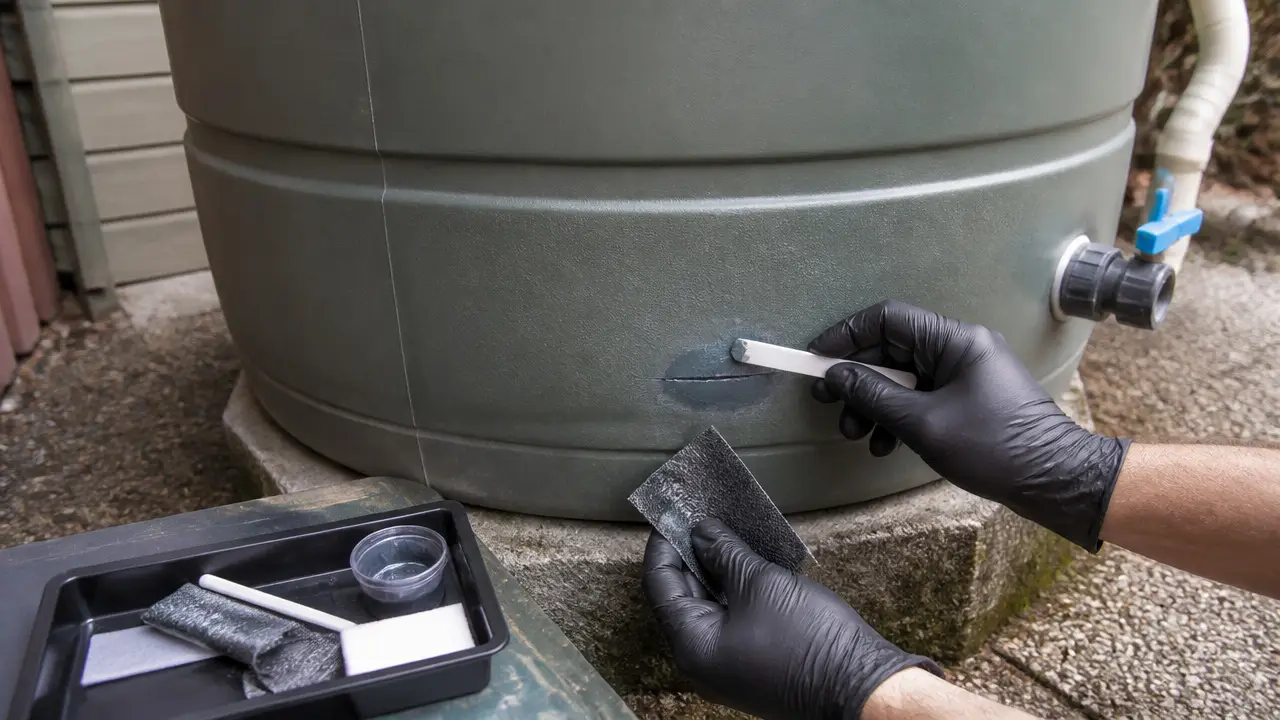
For a simple outdoor rain barrel, cleaning usually means disconnecting or bypassing the incoming runoff, safely emptying the container, removing accumulated debris, cleaning accessible surfaces, rinsing as appropriate for the barrel and intended use, and reconnecting the system.
Do not climb into a cistern or large enclosed tank. Confined spaces can be dangerous and require special procedures and equipment.
Check the Spigot and Bottom of the Barrel
Sediment naturally collects near the lowest point of a storage container.
If the outlet is very close to the bottom, fine debris may enter hoses or watering equipment each time you use the water. A little space below the outlet can provide a settling zone for sediment.
Periodically check the:
- Spigot
- Hose connection
- Bulkhead fitting
- Inlet
- Overflow
- Screens
A bulkhead fitting is the fitting that passes through the barrel wall and creates a sealed connection for a pipe, valve, or spigot.
Slow leaks can keep the area around a barrel wet, while clogged outlets can make the barrel difficult to drain and clean.
Make Sure the Overflow Works
Account for spoilage risks in stored rainwater to evaluate service needs that influence lifecycle performance.
Freshness is not only a water-quality issue. The barrel must also handle the next storm safely.
Once a barrel is full, additional roof runoff needs somewhere to go. Keep the overflow line clear and direct it to a suitable drainage location away from foundations and places where water could cause erosion or other damage.
Do not seal a barrel so completely that incoming or outgoing water cannot move air through the system as required by its design. Vents should be screened rather than simply left open when insect access is a concern.
Do Not Add Bleach Just to Make the Water "Fresh"
Routine chemical treatment is usually unnecessary for a basic rain barrel used for suitable outdoor non-potable purposes.
Adding bleach or another disinfectant without knowing the correct concentration, water demand, contact time, intended use, and container condition can create new problems. Disinfection also does not remove every chemical contaminant that may wash off a roof.
If the water smells bad, first look for the underlying problem:
- Remove accumulated leaves and sediment.
- Check whether sunlight is entering the barrel.
- Check for dead insects or animals.
- Clean clogged screens and gutters.
- Confirm that the lid is secure.
- Start using the stored water more regularly.
A barrel that repeatedly becomes foul despite these steps may need to be drained and cleaned.
Be Careful With Edible Gardens
Roof-collected water may contain germs and chemicals picked up from roofing, gutters, animal waste, airborne particles, and storage materials.
For that reason, untreated rain barrel water is easiest to manage when used where swallowing the water is unlikely, such as ornamental landscaping. CDC guidance recommends, when possible, using treated tap or bottled water rather than collected rainwater for watering plants that will be eaten.
If local guidance allows rainwater use on edible crops, follow the health and agricultural recommendations for your area and consider the roof material, contamination sources, irrigation method, and intended crop.
Fresh-Looking Water Is Not the Same as Drinking Water
Clear water with no odor can still contain contaminants.
Taste, smell, and appearance cannot reliably tell you whether water is safe to drink. CDC guidance says rainwater intended for drinking, cooking, or bathing should be regularly tested for relevant germs and chemicals, with treatment selected for the contaminants present.
Making roof runoff potable is therefore a whole-system project. It may involve:
- Suitable roofing and collection materials
- Debris removal
- First-flush control
- Protected storage
- Appropriate filtration
- Disinfection
- Treatment for relevant chemical contaminants
- Current laboratory testing
- Regular maintenance
- Compliance with local requirements
A single filter, UV light, water test strip, or disinfectant does not by itself prove that collected rainwater is safe to drink.
A Simple Routine for Fresher Rain Barrel Water
For a typical barrel supplying outdoor non-potable water, a practical routine is:
After major storms
Check that the inlet screen, overflow, and downspout are clear. Remove obvious leaves and debris.
During normal use
Draw water from the barrel regularly rather than keeping the same water stored indefinitely.
Every few weeks
Look through accessible openings without reaching or climbing inside. Check for insects, odors, algae, damaged screens, and excessive sediment.
During heavy leaf or pollen seasons
Clean prefilters more often. These periods can send much more organic matter into the system.
When sediment becomes significant
Empty and clean the barrel using a method appropriate for its material and intended use.
Before freezing weather
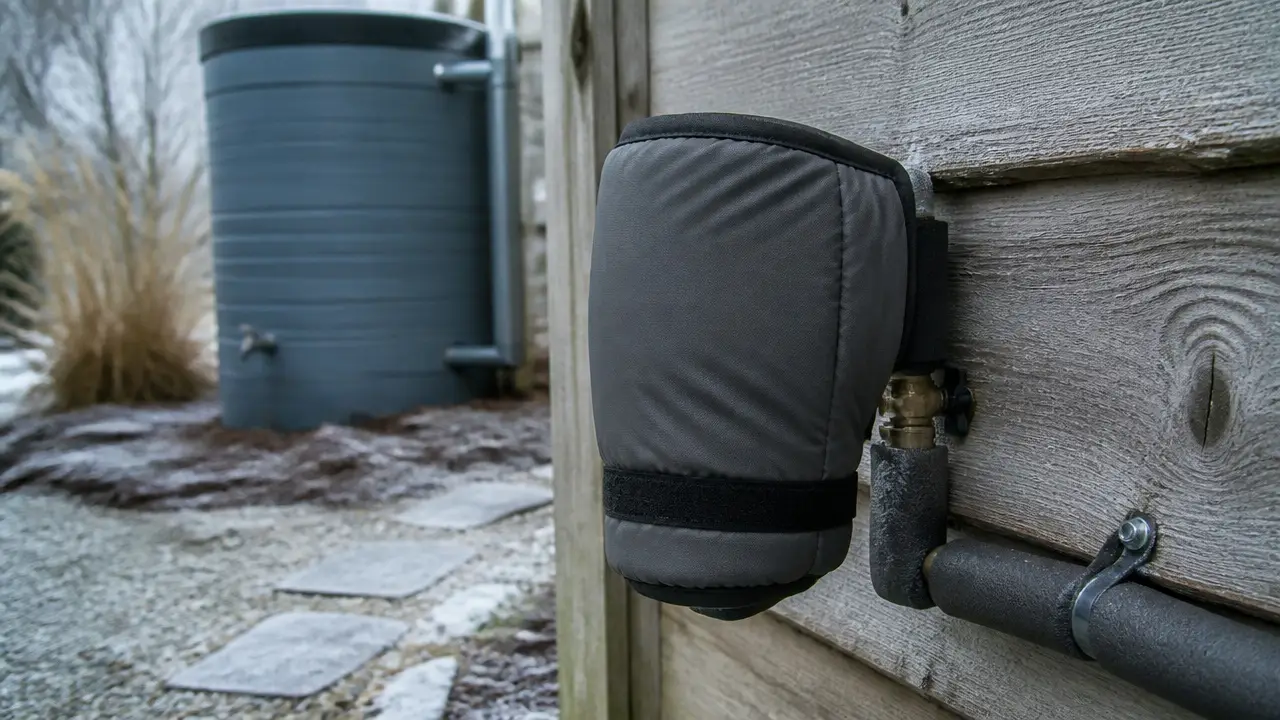
Follow a suitable winterization plan if the barrel, fittings, or connected plumbing can freeze. Water expands when it freezes and can damage containers and fittings.
With these habits, most rain barrel problems are easier to prevent than to correct after the water has already become foul.
Frequently Asked Questions
How long can water sit in a rain barrel?
There is no universal storage limit. Water condition depends on sunlight, temperature, debris, insects, barrel cleanliness, and how well the container is sealed. For a simple rain barrel, it is generally better to use the water regularly rather than leave it untouched for long periods.
Why does my rain barrel water smell bad?
The most common causes are decaying leaves, pollen, sediment, algae, insects, or other organic material. Emptying and cleaning the barrel, improving inlet screening, reducing sunlight, and keeping the collection path clean usually address the underlying problem.
Should I put bleach in my rain barrel?
Not routinely just to keep the water smelling fresh. Chemical disinfection requires the right product, concentration, contact time, and intended use. It also does not remove all possible contaminants from roof runoff. For ordinary outdoor non-potable use, preventing contamination and cleaning the system are usually better first steps.
How do I stop rain barrel water from turning green?
Block sunlight from reaching the stored water. Use an opaque barrel, keep the lid closed, and cover openings appropriately. Also remove leaves and sediment because they provide nutrients that can support algae growth.
Does a rain barrel need a filter?
At minimum, some form of debris screening or prefiltration is useful. It keeps larger leaves and other material from entering the barrel. More advanced filtration depends on what you plan to do with the water and does not automatically make rainwater potable.
Can I drink rain barrel water if it looks clean?
Not based on appearance alone. Roof runoff can contain harmful germs and chemicals even when it looks and smells normal. Rainwater intended for drinking requires appropriate collection, treatment, laboratory testing, maintenance, and compliance with applicable local requirements.
Should I completely empty my rain barrel?
Regular turnover can help keep water from sitting too long and makes it easier to inspect for sediment. CDC guidance also recommends regularly emptying rain barrels as part of maintenance. Emptying may also be necessary for cleaning or winterization.