As an affiliate, we may earn a commission from qualifying purchases. We get commissions for purchases made through links on this website from Amazon and other third parties.
Water can stay drinkable for months or even longer, but there is no single safe storage time for every type of water.
For home-filled drinking water, the CDC recommends replacing it every 6 months. For unopened commercially bottled water, follow the date and storage instructions on the container. Rainwater is different: untreated roof runoff should not be considered safe to drink just because it has been stored in a sealed tank.
The condition of the water when it goes into storage, the container, temperature, light, and handling all affect how long it remains suitable for drinking.
How Long Different Types of Water Can Be Stored
| Type of water | Practical storage guidance |
|---|---|
| Home-filled tap water | Replace about every 6 months |
| Unopened commercially bottled water | Follow the manufacturer's date and storage instructions |
| Opened bottled water | Use promptly and protect it from contamination |
| Treated emergency water | Store in a clean, sanitized, tightly closed container and rotate it regularly |
| Untreated rainwater | Do not assume it is potable based on storage time |
| Treated rainwater intended for drinking | Safety depends on the entire collection, treatment, storage, testing, and maintenance system |
Potable simply means suitable for drinking.
The CDC's current emergency-water guidance, published June 27, 2025, recommends replacing water you fill into storage containers every six months. It also recommends storing that water in a cool location away from direct sunlight and chemicals such as gasoline and pesticides.
That six-month period is a practical rotation schedule. It does not mean water instantly becomes unsafe on the first day of month seven.
Why Stored Water Does Not Have One Exact Expiration Date
Pure water itself does not spoil like milk or food. The problem is what can happen to the water while it is stored.
Germs can enter when you fill the container, open it, dip something into it, or touch the inside. Chemicals can also get into water from an unsuitable container or nearby substances.
Several things matter.
The water must start out safe
Water from a public drinking-water supply is generally a much better starting point for long-term drinking-water storage than untreated surface water or roof runoff.
If contaminated water goes into a tank, storing it longer does not make it safer.
The container matters
For drinking water, use a container intended for food or drinking-water storage.
The CDC recommends a durable container that:
- Can close tightly
- Is made from suitable food-grade material
- Has a small opening when practical
- Has not previously held toxic chemicals
Never reuse a container that held pesticides, fuel, bleach, or other hazardous chemicals for drinking-water storage. Chemical residues may remain even after cleaning.
Heat and sunlight matter
Store drinking water in a cool, dark area.
The CDC recommends keeping home-stored emergency water around 50°F to 70°F (10°C to 21°C) when practical and protecting it from direct sunlight.
A hot shed, sunny porch, or vehicle is a poor place for long-term drinking-water storage.
Opening the container changes things
A sealed container is easier to protect than one you open every day.
Each opening gives dirt and germs another chance to enter. Putting your hands, cups, hoses, or dirty scoops inside makes contamination more likely.
For frequently used storage tanks, a sanitary outlet or spigot is usually better than repeatedly opening the top.
Is Water Still Safe After Six Months?
Water that has been stored for more than six months is not automatically unsafe. The CDC's six-month recommendation is a simple way to maintain the quality of home-filled emergency water and reduce uncertainty.
However, you cannot confirm that old stored water is safe just by looking at it.
Clear water can still contain microorganisms or chemicals that you cannot see, smell, or taste.
If you have a reliable source of fresh drinking water, replacing an old emergency supply is usually the simplest choice.
If stored water is your only available supply during an emergency, follow current health-department or CDC instructions for making water safe rather than guessing from its age alone. Boiling or approved disinfection methods can address many germs, but they do not remove every possible chemical contaminant. Water contaminated with fuel or toxic chemicals should not be treated and consumed.
How to Store Drinking Water for Six Months
Good storage starts before the water enters the container.
1. Choose a food-grade container
Use a container made for storing drinking water or food.
Make sure the lid or cap closes tightly. A container with a narrow opening can also reduce contact with hands and utensils.
2. Clean and sanitize it
The CDC recommends washing the container with soap and water first, then sanitizing it.
Its current guidance gives a sanitizing solution of 1 teaspoon of unscented household chlorine bleach containing 5% to 9% sodium hypochlorite per 1 quart of water. The solution should contact all inside surfaces for at least 30 seconds before being poured out. The container can then air-dry before being filled with safe water.
This amount is for sanitizing an empty container. It is not the same as the amount used to disinfect drinking water.
3. Fill it with safe water
Fill the sanitized container with water that is already safe for drinking.
Avoid touching the inside of the cap, opening, or container.
4. Seal and label it
Close the container tightly.
Write something simple on it, such as:
- Drinking water
- Date filled
Explore practical steps for storing water for 6 months to understand this decision within the complete collection path.
The date makes a six-month rotation much easier to manage.
5. Store it correctly
Choose a cool, shaded indoor location when possible.
Keep drinking-water containers away from:
- Direct sunlight
- Gasoline
- Pesticides
- Paint thinner
- Cleaning chemicals
- Other substances that could leak or release vapors
Also remember how heavy stored water is. One U.S. gallon weighs a little over 8 pounds, so large supplies need a strong floor or shelf.
Does Bottled Water Last Longer?
Commercially bottled water is handled differently from water you fill yourself.
The CDC describes unopened commercially bottled water as the safest and most reliable emergency water source and recommends following the expiration date on the bottle.
FDA rules require bottled-water producers to use sanitary processing and handling practices and to control microbiological and chemical hazards.
Even so, storage conditions still matter.
Keep bottled water away from excessive heat, sunlight, fuels, pesticides, and other chemicals. Once the bottle has been opened, treat it as an opened food or beverage rather than as sealed long-term storage.
What About Water in Large Tanks and Cisterns?
A large tank can physically hold water for a long time, but tank size does not tell you whether the water is safe to drink.
A drinking-water storage system also needs to control contamination at:
- The water source
- Inlet
- Tank
- Vent
- Overflow
- Pump and piping
- Treatment equipment
- Outlet
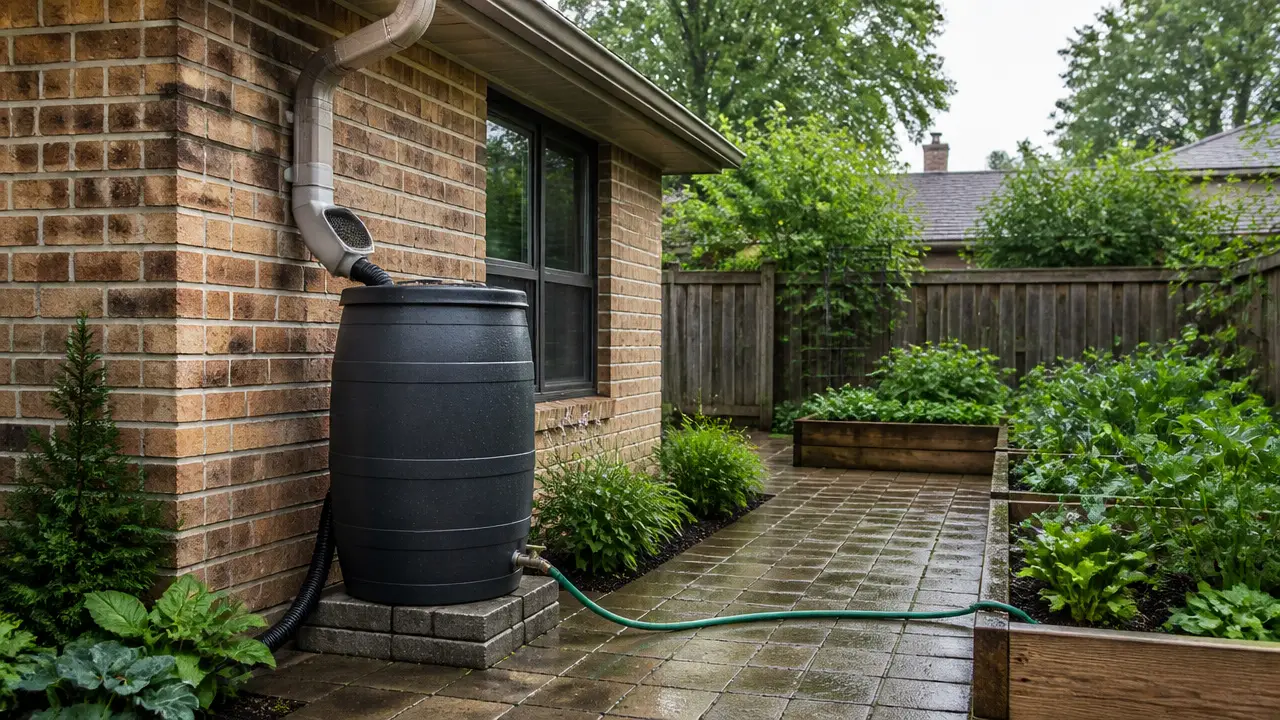
A closed tank filled with potable municipal water is very different from an outdoor cistern receiving untreated roof runoff.
Large tanks also need inspection and maintenance. Sediment, insects, damaged screens, dirty openings, failed treatment equipment, and cross-connections can all affect water quality.
How Long Can Rainwater Be Stored for Drinking?
There is no responsible rule such as "rainwater stays drinkable for six months."
Roof runoff can pick up bird droppings, dust, leaves, roofing material residues, microorganisms, and other contaminants before it ever reaches the tank.
A first-flush device can divert some of the dirtiest early runoff from a roof, and screens can keep out larger debris. Neither step by itself makes rainwater safe to drink.
For rainwater intended for drinking, treat safety as a whole-system issue. That may include suitable catchment materials, debris control, prefiltration, protected storage, appropriate treatment, current laboratory testing, regular maintenance, and compliance with local requirements.
CDC guidance also warns that untreated catchment water in cisterns can become contaminated or re-contaminated through open connections.
A storage tank therefore does not turn untreated rainwater into potable water simply because the water has been sitting undisturbed.
Signs Stored Water Should Not Be Used for Drinking
Do not drink stored water if you know or suspect that it has been contaminated with fuel, pesticides, or other toxic chemicals. CDC guidance states that water contaminated with fuel or toxic chemicals cannot simply be made safe through ordinary emergency treatment.
Other reasons to replace or investigate stored water include:
- A damaged or unsealed container
- Floodwater entering the tank
- Insects or animals getting inside
- Visible growth or heavy sediment
- An unusual color
- An unusual odor
- Unknown storage history
- A container that previously held hazardous chemicals
Remember that the opposite is not true. Water that looks and smells normal is not automatically safe.
A Simple Storage Routine
For drinking water that you fill yourself, a six-month rotation is easy to manage.
Write the fill date on each container. Every six months, replace the water and inspect the container for cracks, damaged seals, dirt, or other problems.
You can use rotated water for suitable non-drinking purposes instead of wasting it, provided its condition makes that appropriate.
For rain barrels and untreated rainwater tanks, do not apply the six-month emergency drinking-water rule as proof that the water is potable. Those systems need to be managed according to their intended use.
Frequently Asked Questions
Can water be stored for years and still be drinkable?
Possibly, under controlled conditions, but there is no simple rule that makes home-filled water safe for years. The CDC recommends replacing home-filled emergency drinking water every six months. Long-term safety depends on the original water quality, container, storage conditions, and handling.
Does drinking water expire after six months?
Not suddenly. Six months is the CDC's recommended replacement interval for water you fill into storage containers. It is a practical way to maintain quality and reduce uncertainty rather than an exact spoilage date.
How long does unopened bottled water last?
Follow the date and storage instructions provided with the commercially bottled water. Keep bottles sealed and protected from excessive heat, sunlight, and chemicals.
Can I drink water that has been sitting in a water tank for a year?
Do not decide from time alone. Consider where the water came from, whether the tank is suitable for potable water, whether contamination could enter, and how the system has been maintained. If drinking safety is uncertain, use a known safe supply or obtain appropriate water-quality testing and professional guidance.
Can stored water grow bacteria?
Yes. Germs can enter from the original water, a dirty container, hands, utensils, plumbing, vents, or other openings. A clean, sanitized, tightly sealed container helps reduce contamination.
Can I drink rainwater after storing it for six months?
Storage time does not make rainwater safe to drink. Roof runoff can contain microbial and chemical contaminants. Drinking-water use requires an appropriate collection, treatment, storage, testing, and maintenance system.
Is clear stored water safe to drink?
Not necessarily. Many microorganisms and chemicals cannot be seen. Appearance, smell, and taste can identify some obvious problems, but they cannot provide a complete drinking-water safety assessment.