As an affiliate, we may earn a commission from qualifying purchases. We get commissions for purchases made through links on this website from Amazon and other third parties.
For most homes, the best time of year to clean gutters is late fall, after most leaves have dropped. A second cleaning in spring is also useful, especially if trees hang over the roof.
There is no single month that works everywhere. The best timing depends on nearby trees, storms, snow, and how quickly debris builds up.
Why Late Fall Is Usually the Best Time
Gutters often collect the most debris during fall. Leaves, small twigs, seeds, and roof grit can build up quickly.
Cleaning after most leaves have fallen helps prepare the gutters for winter rain and snow. It also reduces the chance that a clogged gutter will overflow beside the house.
If you clean too early in fall, you may have to do the job again after the remaining leaves drop.
A practical approach is to wait until the trees around your home are mostly bare, but clean the gutters before freezing weather becomes common.
Spring Is a Good Time for a Second Cleaning
Spring cleaning removes debris that collected during winter.
This may include:
- Twigs from winter storms
- Pine needles and seeds
- Roof shingle grit
- Leaves that stayed on nearby trees into winter
- Debris carried by birds or animals
Spring is also a good time to check whether gutters or downspouts were damaged by snow, ice, or strong winds.
For a rainwater harvesting system, this cleaning is especially useful before periods when you expect to collect more water.
How Often Should You Clean Gutters?
Many homes benefit from gutter cleaning at least twice a year, usually once in late fall and once in spring.
You may need to clean more often if:
- Large trees hang over the roof.
- You have pine trees nearby.
- Your area gets frequent windstorms.
- Seeds, flowers, or small leaves regularly land on the roof.
- Downspouts clog between normal cleanings.
- Your rainwater system depends on good gutter flow.
A home with few nearby trees may need less frequent cleaning. Check the gutters rather than relying only on a calendar.
When to Clean Gutters for Rainwater Harvesting
If your gutters feed a rain barrel, IBC tote, or cistern, clean them before your main rain collection season.
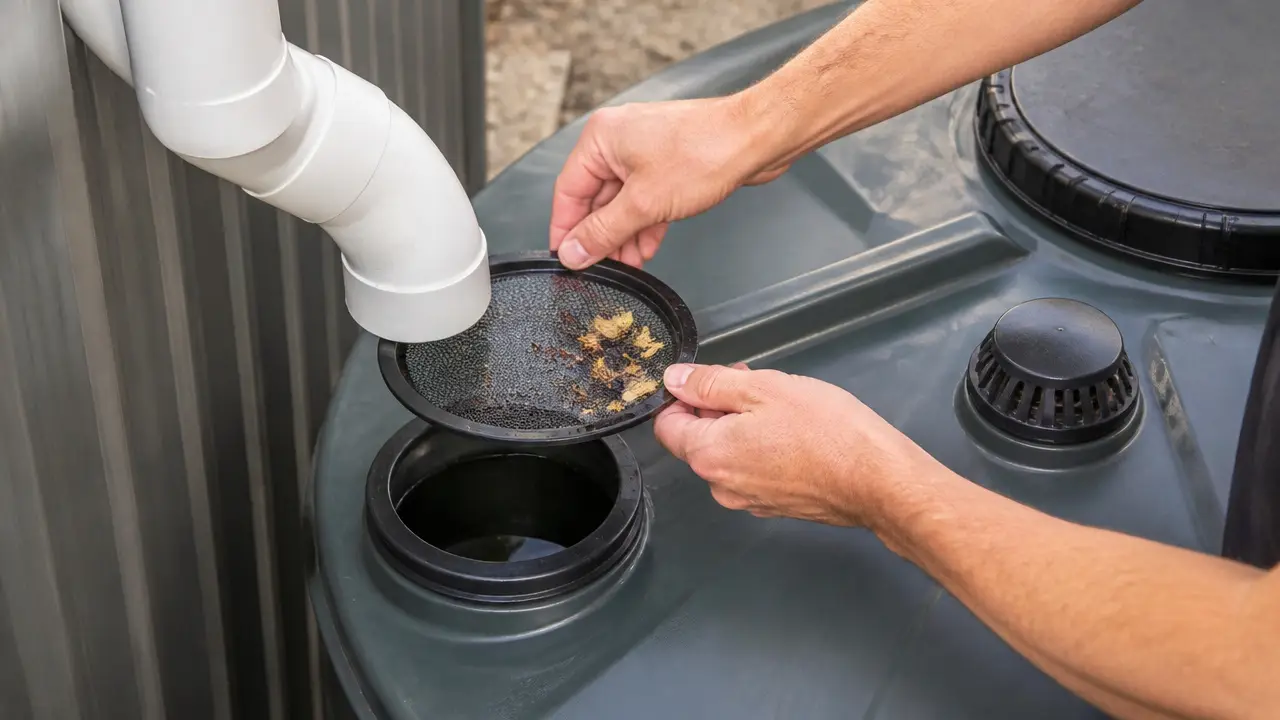
The gutter is part of the collection system. Debris left in it can wash into screens, first-flush devices, pipes, and storage tanks.
A first-flush diverter is a device that sends the first portion of roof runoff away from the storage tank. This can help reduce some of the dirt washed from the roof at the start of a storm. It does not replace gutter cleaning or make collected rainwater safe to drink.
Before restarting a seasonal rainwater system, check the:
- Gutters
- Downspouts
- Leaf screens
- Inlet screens
- First-flush device, if installed
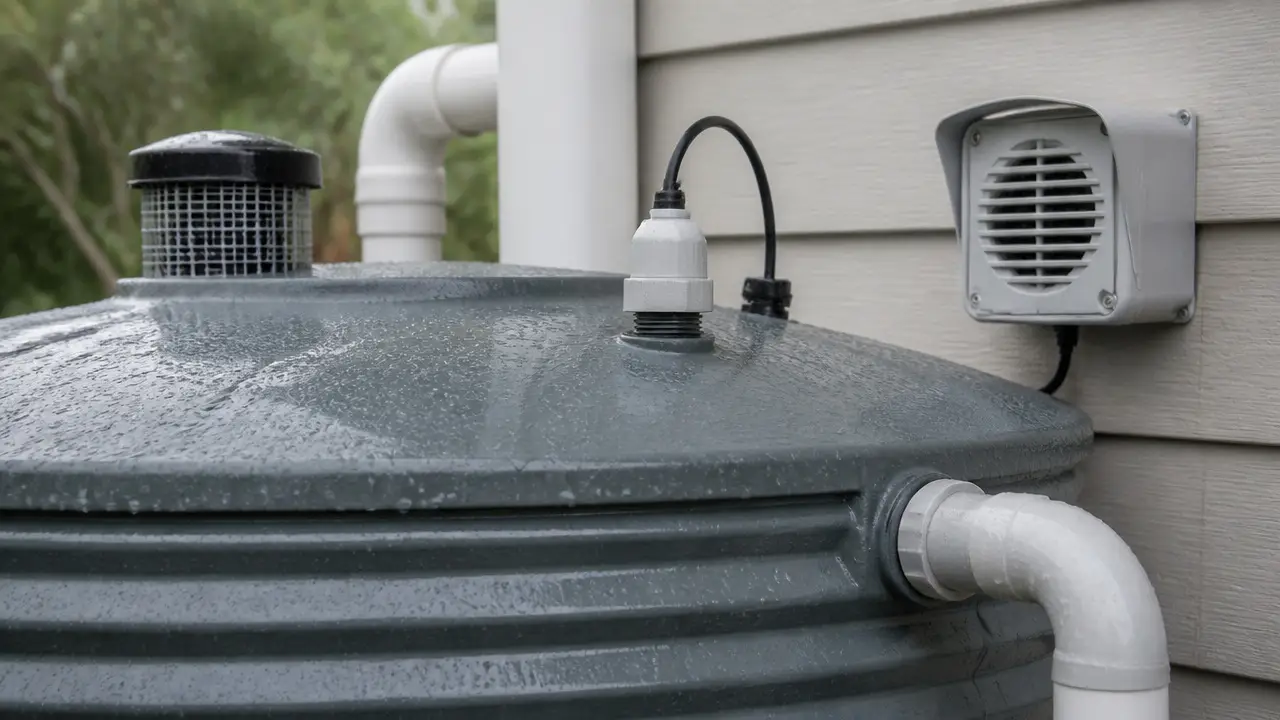
- Overflow pipe
- Tank inlet
Remove accumulated material before sending new runoff into storage.
Watch the Trees, Not Just the Calendar
Different trees drop debris at different times.
Deciduous trees may drop most of their leaves during fall. Pines and other evergreens can shed needles throughout the year. Some trees release flowers, seed pods, or pollen during spring and early summer.
If your roof sits below several trees, inspect the gutters after the heaviest shedding period.
You may find that your best schedule is different from the usual spring-and-fall routine.
Clean After Major Storms When Needed
Strong storms can fill gutters even if you recently cleaned them.
Wind may carry leaves, branches, and other debris onto the roof. Check the system after a major storm if you notice:
- Water spilling over the gutter edge
- Little or no water coming from a downspout
- Water flowing behind the gutter
- A rain barrel filling much more slowly than normal
- Debris packed around the downspout opening
You do not necessarily need a complete cleaning after every storm. An inspection can tell you whether one is needed.
What About Winter?
Study gutter cleaning without nearby trees to coordinate debris control at gutter outlets and downspout entries.
It is better to clean gutters before freezing conditions arrive.
Working on an icy roof or ladder is dangerous. Frozen debris is also harder to remove.
Clogged gutters can contribute to standing water and ice buildup, but gutter cleaning alone cannot prevent every winter drainage or ice problem.
If gutters are already frozen, damaged, or difficult to reach safely, consider waiting for safer conditions or hiring a qualified gutter professional.
Pick a Safe Day
The season matters, but the weather on cleaning day matters too.
Choose a dry, calm day when the roof edge, ground, and ladder surfaces are not slippery.
Avoid gutter work during:
- Rain
- Strong winds
- Lightning
- Snow
- Icy conditions
Two-story homes, steep ground, difficult rooflines, and gutters near electrical lines can make the job much more hazardous. Professional cleaning may be the safer choice in those situations.
Check the Downspouts at the Same Time
Cleaning the open gutter does little good if the downspout remains blocked.
After removing loose debris, confirm that water can move through each downspout and reach its intended discharge point.
For rainwater harvesting systems, also inspect connections between the downspout and storage tank. A clogged screen, diverter, or pipe can restrict flow even when the gutter itself looks clean.
A Simple Seasonal Schedule
For many homes, this schedule works well:
| Time | What to Do |
|---|---|
| Spring | Remove winter debris and inspect for damage |
| Summer | Check after major storms or heavy tree shedding |
| Late fall | Perform the main cleaning after most leaves fall |
| Winter | Inspect from the ground when practical; avoid unsafe icy conditions |
Adjust the schedule for your trees and local weather.
A property surrounded by trees may need several cleanings each year. A home with an open roof and few trees may need much less attention.
Frequently Asked Questions
What month is best for cleaning gutters?
There is no universal best month. In many places, the best time is late fall after most nearby trees have dropped their leaves. The exact timing depends on your climate and tree cover.
Should gutters be cleaned before or after leaves fall?
Usually after most leaves have fallen. Cleaning too early can leave the gutters full again a few weeks later. However, heavily clogged gutters may need an earlier cleaning followed by another one later in the season.
Is once a year enough?
It can be for some homes with very little tree cover. Many homes are better served by spring and late-fall cleaning. Inspect the gutters regularly and adjust the schedule based on how quickly they fill.
Should I clean gutters before the rainy season?
Yes, especially if the gutters supply a rainwater collection system. Removing debris before regular rainfall improves drainage and reduces the amount of loose material that can wash toward your storage tank.
Do gutter guards eliminate the need for cleaning?
No. Guards can reduce some debris, but leaves, needles, roof grit, and fine material can still collect on or inside the system. Gutters and guards still need periodic inspection and cleaning.
How can I tell if my gutters need cleaning?
Common signs include water overflowing the sides, slow downspout flow, visible plants or debris, standing water, and poor flow into a rain barrel or tank.
Should I clean gutters after a storm?
Inspect them after severe wind or storms that drop a lot of debris. Clean them if branches, leaves, or other material are restricting water flow.