As an affiliate, we may earn a commission from qualifying purchases. We get commissions for purchases made through links on this website from Amazon and other third parties.
What Is the Number One Gutter Protection?
For most homes, stainless-steel micro-mesh gutter guards are the best all-around type of gutter protection.
Micro-mesh uses a very fine metal screen over the gutter. Rain can pass through the screen while leaves, pine needles, seed pods, and much of the smaller roof debris stay on top. Current gutter-guard testing has found micro-mesh more effective at stopping fine debris than standard screens, brushes, and many other common guard styles.
That does not mean micro-mesh is perfect. It can still collect pollen, roof grit, small organic matter, and wet leaves on its surface. Heavy rain can also overwhelm a poorly sized or poorly installed system.
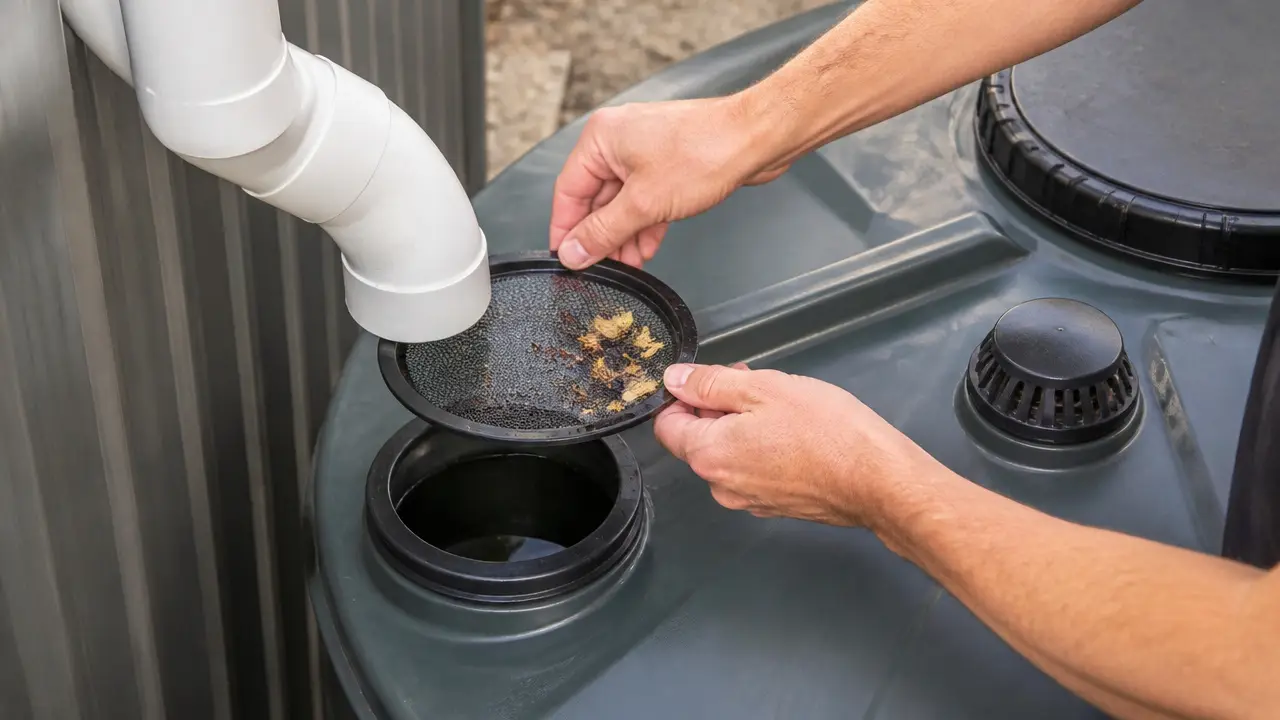
For a rainwater harvesting system, gutter protection should be treated as the first debris-control step, not as a water filter.
Why Micro-Mesh Gutter Guards Work Well
The main advantage is the small opening size.
A basic gutter screen may stop large leaves but allow pine needles, seeds, and roof grit into the gutter. Brush guards also leave large spaces between their bristles.
Micro-mesh provides a much finer barrier. Testing has found it especially useful for pine needles and other narrow debris that can pass through ordinary gutter screens.
A good micro-mesh guard can help:
- Keep large leaves out of the gutter
- Block most pine needles
- Reduce twigs and seed pods
- Reduce debris reaching downspouts
- Make gutter cleaning easier
- Reduce large debris entering a rain barrel or cistern
Stainless steel is usually a good material for the screen because it handles long outdoor exposure better than many plastic materials.
The frame matters too. A very fine screen without enough support can sag or collect debris.
How the Main Gutter Protection Types Compare
| Gutter protection | Large leaves | Pine needles and small debris | Maintenance | Best use |
|---|---|---|---|---|
| Micro-mesh | Very good | Very good | Moderate | Best all-around choice |
| Standard screen | Good | Fair to poor | Moderate | Areas with mainly large leaves |
| Perforated metal | Good | Fair | Moderate | Simple, durable leaf protection |
| Reverse-curve cover | Good | Varies | Moderate | Heavy leaf areas with suitable roof and gutter setup |
| Brush insert | Fair | Poor | Often high | Simple temporary debris control |
| Foam insert | Fair | Varies | Often high | Limited situations |
No design eliminates maintenance.
The best guard is the one that handles the debris around your particular roof while still allowing enough rain into the gutter.
Micro-Mesh Is Especially Useful Around Pine Trees
Pine needles are difficult for many gutter guards.
They are narrow enough to pass through common screens. They can also become caught in brush-style guards and form mats with other organic debris.
Current comparative testing found micro-mesh especially effective at keeping pine needles out.
If your roof is surrounded by pine, fir, or similar trees, look closely at the actual screen design rather than simply buying something labeled a "leaf guard."
A guard designed only for broad leaves may not solve your problem.
When a Standard Screen May Be Enough
Micro-mesh is not automatically necessary for every house.
A basic metal screen may work well when:
- Nearby trees mainly drop large leaves
- Pine needles are not a problem
- Roof grit is minor
- You can inspect and clean the gutters easily
- You want a simple system with large openings for water
Larger openings can sometimes pass water more freely when the surface is dirty.
The tradeoff is that more small debris can reach the gutter.
For rainwater harvesting, that debris may continue through the downspout and eventually reach your tank unless another screen or prefilter catches it.
Gutter Guards Still Need Cleaning
"Gutter protection" does not mean "never clean your gutters again."
Leaves may stay on top of the guard instead of inside the gutter. Pollen, dust, moss fragments, seeds, and roof grit can also build up on the screen.
Eventually, this surface layer can slow water entry.
How often cleaning is needed depends on:
- Nearby trees
- Roof material and condition
- Wind
- Pollen
- Moss or lichen
- Seasonal leaf fall
- Bird activity
- Local rainfall patterns
Inspect the system during normal maintenance and after major storms when practical.
Avoid unnecessary roof work. If the gutters cannot be reached safely from the ground or a properly used ladder, have a qualified gutter or roofing professional inspect them.
Heavy Rain Is an Important Test
A gutter guard has two jobs.
It must keep debris out, but it must also let water in.
A very fine screen covered with pollen or leaves can reduce flow. On a steep roof, water also moves toward the gutter faster. During intense rainfall, some water may run across the guard instead of entering the gutter.
This matters even more when collecting rainwater.
Water that overshoots the gutter is water that never reaches the storage tank.
Check the system during a normal rainstorm from a safe location. Look for water flowing over the front of the gutter or shooting past the guard.
Overflow can have several causes besides the guard, including:
- Clogged downspouts
- Gutters that are too small for the roof drainage load
- Poor gutter slope
- Incorrect gutter position
- Too few downspouts
- Heavy debris sitting on the guard
Do not assume replacing the screen alone will fix an overflow problem.
The Best Gutter Protection for Rainwater Harvesting
For rainwater collection, a rigid stainless-steel micro-mesh guard is a strong first layer of debris protection, particularly where small leaves or pine needles are common.
But it should not be the only layer.
A useful collection path might include:
Roof → gutter guard → downspout debris control → first-flush or diversion device when appropriate → tank inlet screen → storage
A first flush is a device or arrangement that diverts some of the first runoff from a rain event. That early runoff may carry a heavier load of dust and debris from the roof.
The gutter guard performs a different job. It mainly keeps physical debris from entering the gutter.
Using both can reduce the amount of material reaching the tank.
A Gutter Guard Does Not Make Rainwater Safe to Drink
Micro-mesh can stop leaves and other visible debris. It cannot reliably remove microorganisms, dissolved contaminants, chemicals, or very small particles carried from the roof.
Bird droppings, animal activity, roofing materials, airborne pollution, and storage conditions can all affect collected water.
Evaluating roofing-industry concerns about gutter guards helps coordinate the conveyance path from the roof surface into the tank.
So do not treat a gutter guard as a drinking-water treatment device.
If collected rainwater is intended for drinking, the entire collection and treatment system needs to be considered. That can include suitable collection surfaces, debris control, treatment stages, proper storage, current laboratory testing, maintenance, and applicable local requirements.
For garden watering and many other non-potable uses, the treatment needs may be very different.
Potable means water intended to be safe for drinking. Non-potable water is water not intended for drinking.
What to Look for in a Micro-Mesh Guard
You do not need to choose by brand name alone. Look at how the guard fits your actual gutter and roof.
A rigid frame
The screen should have enough support that it does not easily sag into the gutter.
Corrosion-resistant materials
Stainless-steel mesh and a suitable metal support structure are common choices for long outdoor exposure.
Fine openings
The openings should be small enough for the debris around your home.
Pine needles usually require finer protection than large deciduous leaves.
Good water entry
Fine filtration is not useful if rainfall regularly flows over the guard.
The design needs to balance debris blocking with water flow.
Secure attachment
Wind, snow, branches, and repeated cleaning can put stress on a gutter guard.
The guard needs to stay properly positioned.
Compatibility with the roof
Some systems rest on the gutter. Others interact with the roof edge or shingles.
Avoid installation methods that can damage roofing or interfere with the roof manufacturer's requirements. When installation requires lifting or altering roofing materials, professional installation may be the safer choice.
Think About the Whole Drainage System
A gutter guard cannot correct problems elsewhere in the system.
Before adding protection, check whether the gutters and downspouts already work properly.
Water should move from:
roof → gutter → downspout → drainage area or rainwater storage
If one part is restricted, water can back up or overflow.
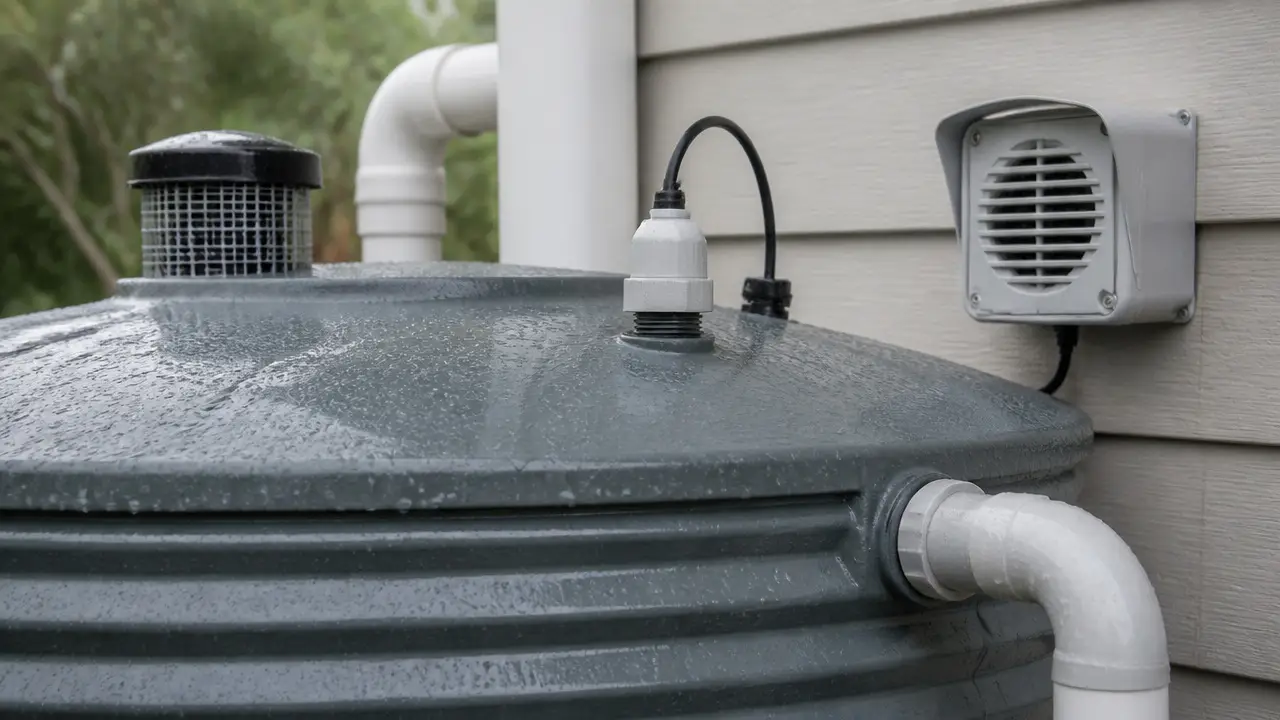
For a rainwater tank, also check the connection between the downspout and tank. A fine gutter guard will not help much if leaves can enter through another open pipe or if the tank inlet screen is damaged.
When Micro-Mesh May Not Be the Best Choice
There are a few situations where another design may make more sense.
If you have almost no trees and only large occasional leaves, a simpler metal screen may provide enough protection.
In areas with heavy snow or ice, consider how the guard and gutter perform during freezing conditions. Snow and ice can change drainage patterns and add loads. Gutter guards do not guarantee protection against ice dams or frozen gutters.
If your roof produces large amounts of moss or organic debris, even micro-mesh may require frequent surface cleaning.
And if your main problem is water overflowing during storms rather than debris, inspect gutter size, slope, downspout capacity, and roof drainage before assuming you need a finer guard.
The Bottom Line
Stainless-steel micro-mesh is the number one all-around gutter protection type for most homes, especially where pine needles and small debris are a problem. Fine micro-mesh has performed better than ordinary screens and brush guards at keeping small debris out of gutters in comparative testing.
But no gutter guard is maintenance-free.
For rainwater harvesting, choose a guard that blocks the debris around your home without restricting rainfall too much. Then use additional debris control at the downspout and tank where needed.
The goal is not simply to keep leaves out of the gutter. It is to keep water moving freely from the roof to its intended destination.
Frequently Asked Questions
What type of gutter guard is best overall?
Stainless-steel micro-mesh is usually the best all-around choice. It can block large leaves as well as much smaller debris such as pine needles while still allowing rainwater through.
What is the best gutter protection for pine needles?
Fine micro-mesh is generally the strongest choice for pine needles. Standard screens and brush guards have larger openings that can allow needles through or trap them.
Do micro-mesh gutter guards clog?
They can. Leaves, pollen, roof grit, and organic material can collect on the surface and reduce water flow. Periodic inspection and cleaning are still needed.
Are gutter guards good for rainwater collection?
Yes. They can reduce the amount of leaves and larger debris entering a rainwater system. They should be used with other debris-control measures rather than treated as the system's only filter.
Do gutter guards make rainwater clean?
No. Gutter guards mainly remove physical debris. They do not establish that roof runoff is safe to drink or remove all microorganisms, chemicals, or dissolved contaminants.
Can gutter guards cause water to overflow?
A dirty or poorly installed guard can contribute to overflow, particularly during intense rain. Overflow can also result from clogged downspouts, incorrect gutter slope, undersized drainage components, or poor gutter placement.
Is a screen or micro-mesh gutter guard better?
Micro-mesh is usually better when small debris such as pine needles, seeds, or roof grit is a concern. A larger screen may be sufficient where the main problem is large leaves and maximum water entry is more important.