As an affiliate, we may earn a commission from qualifying purchases. We get commissions for purchases made through links on this website from Amazon and other third parties.
Water filters should be replaced according to the filter maker’s time or water-use limit. There is no single replacement schedule that works for every filter.
Some filters clog quickly because they catch dirt and sediment. Others can keep flowing even after the filter media is no longer doing its job. Water quality, how much water you use, and the type of filter all affect replacement time.
For a rainwater system, filters may need attention sooner when the roof, gutters, tank, or pipes send a heavy load of dirt into the treatment system.
What Determines How Often a Water Filter Needs Replacement?
A filter’s stated service life is the best place to start. It may be given as:
- A number of months
- A maximum number of gallons
- A pressure-drop limit
- A filter-change indicator
- Another operating limit set by the manufacturer
Do not assume a filter will last for the full stated time under every condition. A filter receiving muddy or sediment-heavy water can clog much sooner.
EPA guidance also recommends replacing drinking-water filters according to the manufacturer’s instructions. An expired cartridge may become less effective at reducing the contaminant it was designed to address.
Water quality matters
A filter receiving clear municipal water usually has a different workload from one receiving untreated rainwater.
Rainwater can carry:
- Dust
- Pollen
- Small pieces of leaves
- Roof particles
- Insect debris
- Fine tank sediment
Good screens, gutter cleaning, a suitable first flush, and tank maintenance can reduce this load.
A first-flush device diverts some of the first runoff from a roof. That early runoff often carries more dirt than the water that follows.
Water use matters
A filter serving one garden faucet may process much less water than a whole-house filter.
Two identical cartridges installed on different systems can therefore reach their rated capacity at very different times.
Filter size matters
A small cartridge generally holds less material than a large filter with much more media or surface area.
Do not compare replacement intervals based only on the filter’s micron rating. A micron rating describes the size of particles a filter is designed to capture. It does not tell you how much dirt the filter can hold.
Replacement Needs by Filter Type
Different filters fail in different ways. That is why it is important to know what kind of filter is installed.
Sediment filters
Sediment filters catch suspended particles such as sand, rust, silt, and roof debris.
Replace or service one when:
- Water flow drops noticeably.
- Pressure falls across the filter.
- The cartridge is heavily loaded with sediment.
- A pressure gauge shows the maker’s maximum allowed pressure drop.
- The recommended service limit has been reached.
A sediment filter in a rainwater system may clog faster after storms that wash a large amount of debris from the roof or disturb sediment in the tank.
Some sediment filters are disposable. Others are designed to be cleaned and reused. Follow the instructions for the exact filter rather than washing a cartridge that was meant to be replaced.
Carbon filters
Activated carbon filters are commonly used to reduce certain tastes, odors, chlorine, and specific contaminants when the filter is designed and certified for that purpose.
Carbon is different from a simple sediment filter. It can become exhausted without looking dirty or causing a major loss of flow.
Replace carbon cartridges when they reach the stated time or water-volume limit. Do not wait for bad taste or odor to return before replacing a drinking-water filter.
EPA notes that proper maintenance and timely filter replacement are important when a filter is being used to reduce contaminants such as lead or PFAS.
Bag filters
Bag filters collect sediment inside a replaceable fabric bag.
Replacement is usually based on dirt loading and pressure loss rather than appearance alone. A pressure gauge before and after the filter can help show when the bag is becoming restrictive.
Use the pressure-drop limit provided for the filter housing and bag. Do not keep using a clogged bag simply because water can still get through it.
Washable screen and mesh filters
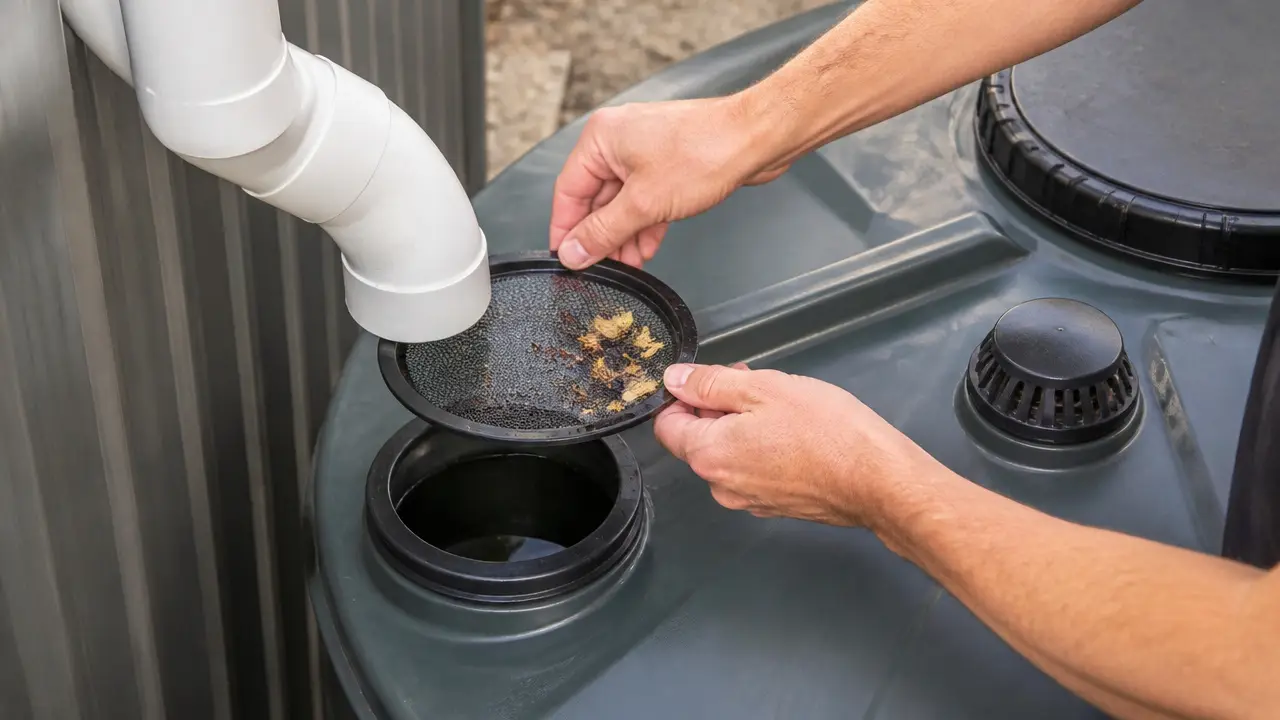
Screens are common before tanks, pumps, and irrigation systems.
Many can be cleaned instead of replaced. Clean them when debris begins restricting flow. Replace the screen if it becomes:
- Torn
- Cracked
- Permanently clogged
- Warped
- Unable to seal correctly
A damaged screen can allow larger particles into pumps, valves, irrigation emitters, or finer filters downstream.
Ceramic filters
Some ceramic filter elements can be cleaned as their outer surface becomes clogged.
Cleaning does not mean the filter lasts forever. Replace the element when required by its instructions or if it is damaged, cracked, worn beyond its allowed limit, or no longer performing correctly.
Never use a cracked ceramic element for drinking-water treatment.
Reverse osmosis filters
A reverse osmosis, or RO, system usually has several different parts. It may include sediment prefilters, carbon filters, an RO membrane, and a final carbon filter.
These parts do not necessarily have the same replacement schedule.
Replacing the sediment and carbon stages on time can also help protect the membrane. Follow the schedule and operating checks for the complete RO system rather than changing every part at the same interval.
Signs a Filter May Need Attention Early
A filter may need service before its normal replacement date.
Study cleaning and reusing a sediment filter to interpret the cleaning or replacement step justified by test evidence.
Common warning signs include:
- Lower water flow
- Falling pressure downstream of the filter
- A large pressure difference across the housing
- A filter-change warning light
- Heavy visible sediment
- Unusual taste or odor
- Changes in water appearance
- A pump that runs longer because a clogged filter is restricting flow
Do not use taste, smell, or appearance as the only way to judge a drinking-water filter. Many contaminants cannot be detected with your senses.
Should You Replace a Filter Even If It Still Looks Clean?
Yes, in some cases.
A carbon cartridge may look almost the same when it is new and when its treatment capacity is nearly used up. Other treatment media can have the same problem.
That is why drinking-water cartridges should not be judged only by appearance.
Track both the installation date and the amount of water used when the system provides those measurements. Some units have automatic replacement indicators. EPA recommends tracking days or gallons yourself when a filter does not provide an indicator.
Rainwater Filters May Need More Frequent Service
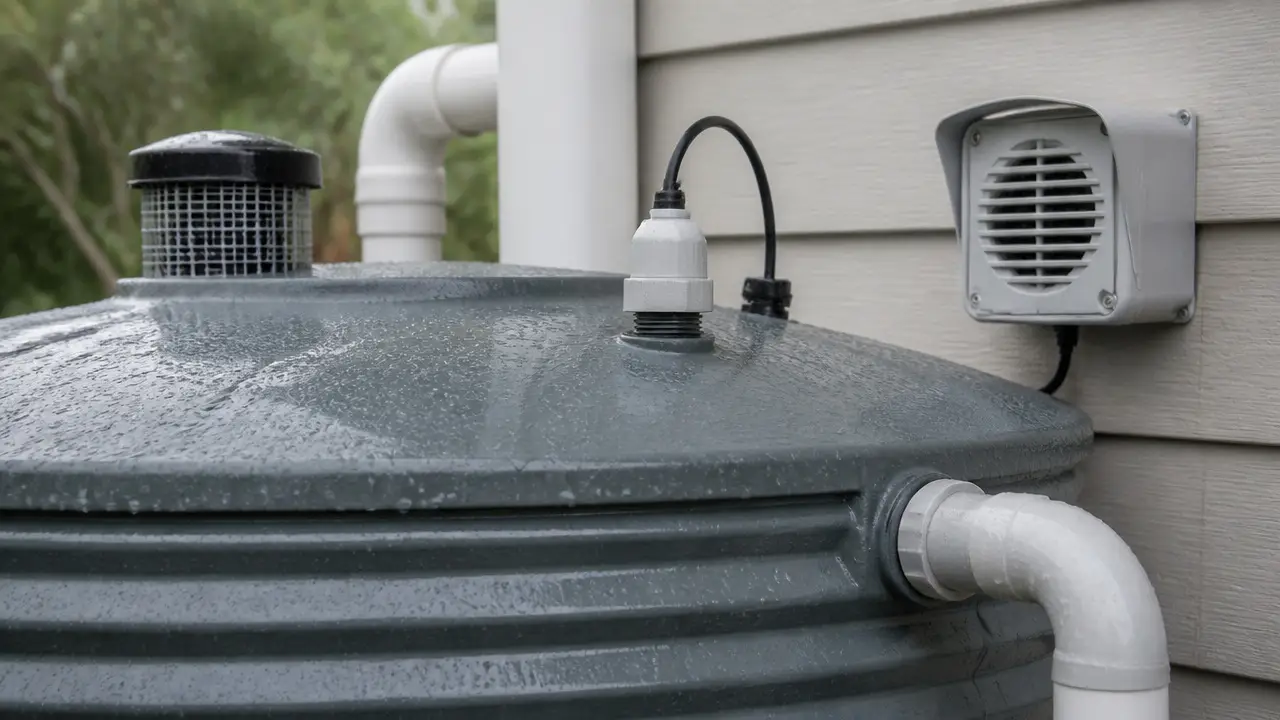
Rainwater systems can place a heavy sediment load on filters if debris is not removed earlier in the system.
The water path may include:
roof → gutter → screen → first flush → tank → pump → sediment filtration → additional treatment → point of use
Each stage affects the next one.
For example, repeatedly clogged sediment cartridges may not mean you need a different cartridge. The real problem could be:
- Dirty gutters
- A missing or damaged inlet screen
- Poor first-flush management
- Sediment being pulled from the bottom of the tank
- A tank that needs inspection or cleaning
- A filter that is too small for the required flow
Fixing the upstream problem can reduce filter loading and improve the whole system.
Keep a Simple Filter Maintenance Record
It is easy to forget when a cartridge was installed.
Write down:
- Installation date
- Filter type
- Cartridge model or specification
- Rated water capacity, if provided
- Recommended service interval
- Pressure readings, if used
- Date cleaned or replaced
You can put the replacement date on the filter housing with a removable label.
Keeping records also helps you spot changes. If a sediment filter normally lasts much longer and suddenly begins clogging quickly, something upstream may have changed.
Replace Filters Safely
Before opening a filter housing, shut off the water and relieve pressure according to the system instructions.
A pressurized housing can release water suddenly when opened.
When replacing a cartridge:
- Use the correct replacement element.
- Inspect the housing and seals.
- Clean parts as directed.
- Reassemble the housing correctly.
- Restore water slowly.
- Check carefully for leaks.
- Flush or prepare the new cartridge as required.
Do not substitute a cartridge simply because it physically fits the housing. Filters that look similar can have different micron ratings, materials, capacities, certifications, and intended uses.
Filter Replacement Is Not the Same as Water Safety
Replacing filters on time is important, but a fresh filter does not automatically make collected rainwater safe to drink.
A filter may remove only certain particles or contaminants. It may do little or nothing about other chemicals, bacteria, viruses, or other hazards.
Drinking-water use should be treated as a whole-system decision. It may require suitable collection surfaces, debris control, storage management, several treatment stages, correct equipment, routine maintenance, and current laboratory testing.
EPA also warns that poorly maintained treatment systems may make water quality worse, which is another reason to follow the required maintenance schedule.
If collected rainwater is intended for drinking, cooking, or other potable use, check current local requirements and use qualified water-treatment help when needed. Potable means water that is suitable for drinking.
A Practical Replacement Rule
Use the manufacturer’s replacement limit as your maximum service interval, then shorten it when actual conditions demand it.
Replace or service the filter sooner if:
- Flow becomes restricted.
- Pressure drop reaches the stated limit.
- The filter becomes heavily loaded.
- A replacement indicator activates.
- Water quality changes.
- The system has experienced unusual contamination.
- The filter has been damaged.
- Testing or system checks show that treatment performance is no longer adequate.
For rainwater systems, frequent filter replacement is also a reason to inspect what is happening before the filter. Better debris control often saves more trouble than simply installing new cartridges again and again.
Frequently Asked Questions
How often should a whole-house water filter be replaced?
Follow the replacement schedule for the specific cartridge or treatment unit. Whole-house systems vary widely in filter size, water use, source-water quality, and treatment purpose. Replace a filter earlier if pressure or flow shows that it is becoming clogged.
Can I wait until the water tastes bad before replacing a filter?
No. Taste and odor are not reliable indicators of filter performance. Some filter media can become exhausted without causing an obvious change in the water. Follow the stated time or capacity limit.
Does a dirty filter always need to be replaced?
Not always. Some screens, sediment elements, and other filters are designed to be cleaned. Disposable cartridges should normally be replaced rather than cleaned. Check the instructions for the specific filter.
Why does my rainwater filter clog so quickly?
The system may be sending too much debris to the filter. Check roof and gutter cleanliness, screens, first-flush equipment, tank sediment, the water pickup location, and whether the filter is properly sized for the system.
Should I replace a carbon filter if water still flows normally?
Yes, when it reaches its rated service limit. Carbon can lose treatment capacity without producing a noticeable drop in flow.
Can I use any cartridge that fits my filter housing?
No. Physical size is only one part of compatibility. The cartridge must also suit the housing, required flow, micron rating, water source, pressure conditions, treatment goal, and any needed drinking-water certification.
Does replacing a filter make rainwater safe to drink?
No. A new filter only performs the treatment functions it was designed for. Drinking-water safety depends on the entire collection, storage, treatment, maintenance, and testing system.