As an affiliate, we may earn a commission from qualifying purchases. We get commissions for purchases made through links on this website from Amazon and other third parties.
The best screen mesh for a rainwater system depends on what you need the screen to stop. For most tank inlets, vents, and overflows, a fine, corrosion-resistant insect mesh is the best general choice. Stainless steel is usually more durable than plastic or fiberglass, especially where the screen stays outdoors year-round.
A screen should not be so fine that it clogs every time leaves, pollen, or roof grit wash into it. Good rainwater systems usually use different screens at different points rather than expecting one very fine mesh to do every job.
What Screen Mesh Is Best for Rainwater Collection?
For most systems, use:
- Coarser screening before the tank to catch leaves and larger debris.
- Fine insect screening at tank openings to keep mosquitoes and other insects from entering.
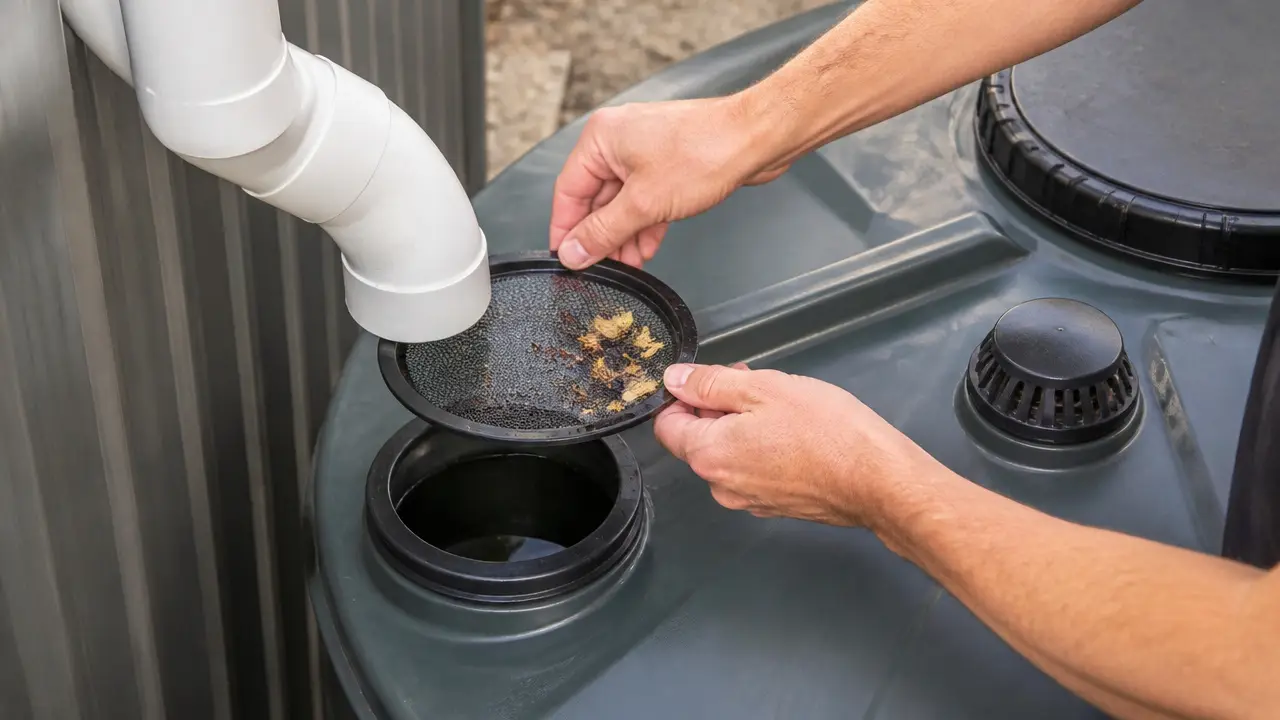
- A removable design anywhere dirt is likely to collect.
If you want one durable material for exposed tank openings, stainless steel insect mesh is usually the most practical choice.
The size of the openings matters just as much as the material.
A coarse screen allows water through easily but will not stop small insects. A very fine screen blocks smaller material but can restrict flow when it becomes dirty.
The goal is not to catch every tiny particle with a screen. Fine sediment should normally be handled later by settling or filtration if the intended water use requires it.
Screen Mesh Size Depends on the Job
"Mesh" can describe how many openings are present across a given distance, but mesh count alone can be misleading. Wire thickness changes the actual opening size.
When possible, compare screens by their actual opening size rather than mesh count alone.
Gutter and Leaf Screens
Screens near gutters or downspouts mainly need to stop:
- Leaves
- Twigs
- Seed pods
- Large pieces of moss
- Other roof debris
These screens can have relatively large openings because their job is to protect the next stage of the system, not to filter the water.
A larger opening also handles heavy rainfall better and is less likely to become completely covered by leaves.
Very fine insect mesh is usually a poor first screen for a roof carrying a lot of debris. It can clog quickly and cause water to bypass the collection system.
Tank Inlet Screens
A tank inlet screen normally has two jobs:
- Catch debris that made it through the earlier screens.
- Reduce insect access to the stored water.
A fine screen works well here, especially when the inlet basket or screen has a large surface area.
Surface area is important. Water can pass through a large fine screen much more easily than through a small piece of the same mesh.
The inlet should also remain easy to remove and clean.
Tank Vent Screens
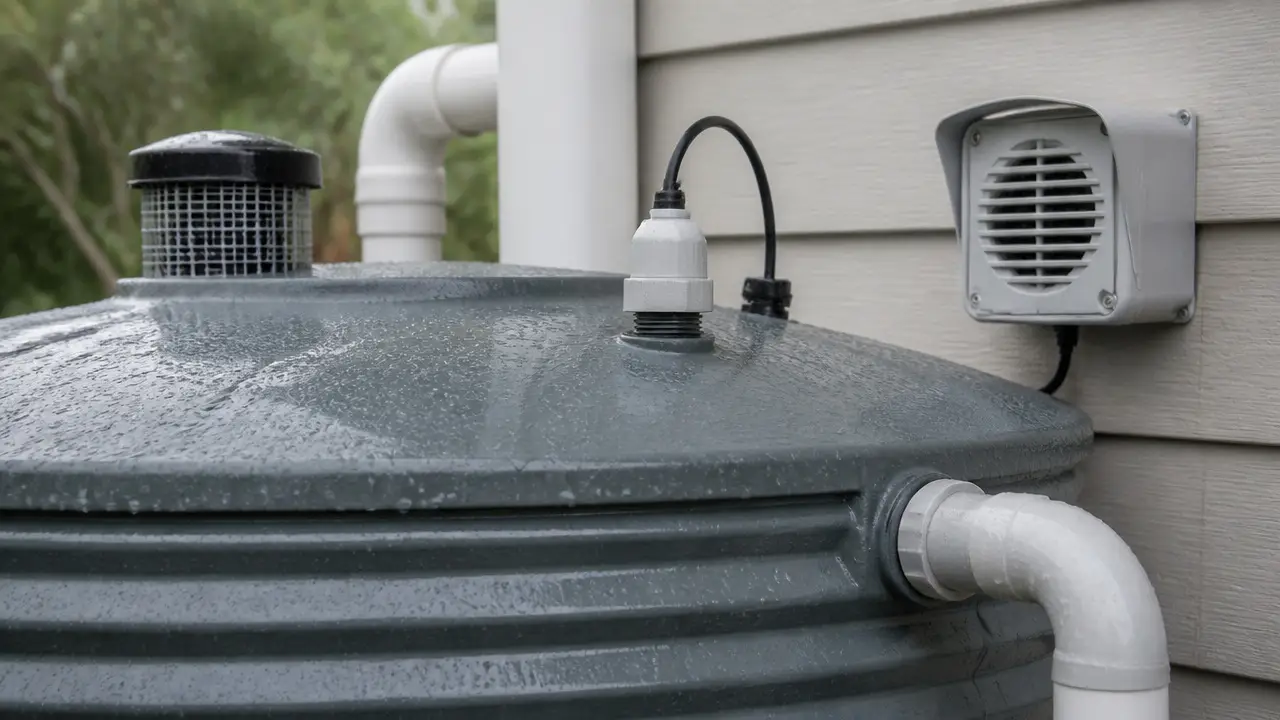
Tank vents need to let air move in and out as the tank fills and empties.
They should also prevent insects from entering the tank.
A corrosion-resistant insect screen is usually appropriate. Avoid using material so restrictive or easily clogged that it interferes with airflow.
Check vent screens regularly for:
- Dust
- Spider webs
- Insect nests
- Algae
- Dirt buildup
A clogged vent can cause problems as water enters or leaves the tank.
Overflow Screens
Overflow pipes are another common entry point for mosquitoes and other pests.
An overflow should normally have insect-resistant screening while still allowing the tank's full overflow rate to escape.
This is an important distinction. A tiny screen fitted over a large overflow pipe can become the restriction in the system.
The overflow must still be able to carry water away during heavy rain.
Is Stainless Steel Mesh Better Than Plastic?
Stainless steel is generally the best long-term material for exposed rainwater screens.
Stainless Steel
Advantages include:
- Good outdoor durability
- Strong resistance to tearing
- Easy cleaning
- Better resistance to sunlight than many plastics
- Good insect protection when the correct opening size is used
Stainless steel is especially useful around tank inlets, vents, and overflows where the screen may remain installed for years.
Standard stainless grades work well in many environments. More corrosion-resistant stainless materials may be worth considering in coastal areas or other places with high salt exposure.
Plastic Mesh
Plastic can work for some debris screens and removable baskets.
It is lightweight and does not rust, but long-term performance depends heavily on the plastic. Some materials become brittle after years of sun and weather exposure.
Inspect outdoor plastic mesh periodically for cracking.
Fiberglass Insect Screen
Fiberglass insect screening is common around houses and can block insects effectively.
However, it is generally less rugged than stainless steel for rainwater equipment. It can tear or deform when removed frequently for cleaning.
It may still be suitable for protected openings where physical damage is unlikely.
Should You Use the Finest Mesh Possible?
Usually not.
A finer screen catches smaller material, but it also creates more maintenance.
Fine mesh can become covered by:
- Pollen
- Roof grit
- Dust
- Small plant material
- Algae
- Organic slime
As the screen blocks, water has fewer openings to pass through.
During light rain this may not matter. During a strong storm, the restricted screen can cause water to back up or bypass the tank.
Instead of making the first screen extremely fine, use several stages.
For example:
With recommended rainwater tank vents for airflow and insect screening, you can understand a storage-tank design compatible with the location.
roof → leaf screen → first-flush or debris-control stage → tank inlet screen → storage tank
A first flush is a device or arrangement that diverts some of the first runoff from a roof. This early runoff can contain more dust, droppings, and loose debris than later runoff.
Screening and first-flush devices do different jobs. A fine screen does not replace first-flush management where it is appropriate.
Mosquito Control Is Especially Important
Stored rainwater can provide mosquito breeding habitat if insects can reach the water.
Check every opening into the tank, including:
- Inlets
- Vents
- Overflows
- Inspection openings
- Pipe penetrations
- Poorly fitting lids
Using mosquito-resistant mesh on one opening will not help much if another opening remains unprotected.
The exact insect-screen requirements may also be specified by local rainwater or public-health rules. Where regulations apply, follow the required opening size and installation method rather than relying on a general mesh recommendation.
Screen Size Must Match Rainfall Flow
A screen must pass the amount of water arriving from the roof.
The required flow depends mainly on:
- Roof collection area
- Rainfall intensity
- Gutter capacity
- Downpipe size
- Number of tank inlets
- Screen area
- How dirty the screen becomes
This is why a large screened inlet is generally better than placing a small fine screen directly inside a pipe.
Even a good screen can restrict flow when covered with debris.
Make sure water has a safe place to go if an inlet screen becomes blocked. Do not rely on a screen remaining perfectly clean during a storm.
Where Each Type of Screen Works Best
| Location | Main purpose | Practical screen choice |
|---|---|---|
| Gutter or roof outlet | Stop large debris | Coarse, easy-clean debris screen |
| Downpipe prefilter | Remove leaves and larger particles | Medium or coarse removable screen |
| Tank inlet | Catch remaining debris and help exclude insects | Fine, corrosion-resistant screen with plenty of surface area |
| Tank vent | Keep insects out while allowing airflow | Fine insect-resistant mesh |
| Tank overflow | Prevent insect entry while allowing overflow | Fine insect-resistant mesh sized for unrestricted drainage |
| Irrigation intake | Protect pump or valves from debris | Intake strainer suited to the pump and irrigation system |
Do not assume that making every screen finer will improve water quality. Screen size should match the function of each part of the system.
Stainless Steel 304 vs. 316 Mesh
Both are common stainless steel materials.
304 stainless steel is generally suitable for many normal outdoor rainwater installations.
316 stainless steel has better resistance to corrosion in harsher environments, particularly where salt exposure is significant.
For a normal inland residential installation, the more corrosion-resistant grade may not provide much practical benefit. Near the coast, it can be more useful.
The screen frame, fasteners, and surrounding hardware also matter. A durable mesh attached with rapidly corroding hardware still creates a maintenance problem.
Make the Screen Easy to Clean
The best mesh is not very useful if you cannot reach it.
Screens that collect roof debris should ideally be:
- Visible
- Removable
- Easy to rinse
- Easy to reinstall correctly
Inspect them more often during seasons with heavy:
- Leaf fall
- Pollen
- Seeds
- Dust
- Insect activity
Also check after unusually heavy storms.
Do not wait until water stops entering the tank. A partially clogged screen can already be reducing collection efficiency.
Screen Mesh Is Not Water Treatment
A screen can remove physical debris and help keep pests out. It does not make roof runoff safe to drink.
Screen mesh does not reliably remove:
- Bacteria
- Viruses
- Dissolved chemicals
- Metals
- Very fine particles
- Contaminants picked up from roofing materials
- Contamination from animal droppings
Water intended only for garden irrigation may need far less treatment than water intended for household use.
Drinking-water use requires a whole-system approach that considers the collection surface, contamination risks, prefiltration, suitable treatment stages, maintenance, current laboratory testing, and applicable local requirements.
Do not choose a finer screen and assume it turns stored rainwater into potable water. Potable means water suitable for drinking.
A Practical Choice for Most Systems
If you are building a typical rain barrel, IBC tote, or cistern system, a good approach is to use a coarse, easy-clean debris screen before storage and durable stainless insect mesh on openings that could allow insects into the tank.
That combination provides better performance than trying to make one extremely fine screen handle leaves, sediment, insects, and water treatment at the same time.
Also check:
- Whether the screen fits the inlet or fitting securely
- Whether the screen area can handle storm flow
- Whether it can be removed for cleaning
- Whether the material can tolerate sunlight and weather
- Whether all other tank openings are protected
- Whether local rules specify mosquito-screen requirements
Frequently Asked Questions
What mesh is best for a rainwater tank?
Fine, corrosion-resistant insect mesh is usually the best choice for tank inlets, vents, and overflows where insect exclusion is important. Stainless steel is a durable option. Use coarser screens earlier in the collection system for leaves and larger debris.
Is a finer mesh always better?
No. Very fine mesh clogs more easily and can restrict water flow. The best system uses a coarse screen for large debris and finer screening where insect protection is needed.
Can mosquito screen be used on a rain barrel?
Yes, insect-resistant screening can be useful on rain barrel openings. Make sure it is secured around the entire opening and remains intact. Also inspect overflows, vents, lids, and other openings that mosquitoes could use.
Should I use stainless steel or fiberglass screen?
Stainless steel is usually the more durable choice for outdoor rainwater equipment. Fiberglass can work in protected locations but is easier to tear or damage during cleaning.
Can screen mesh remove sediment from rainwater?
It can catch larger particles, but fine sediment can pass through screen openings. Settling or additional filtration may be needed when the intended water use requires cleaner water.
How often should rainwater screens be cleaned?
Clean them whenever debris begins to accumulate. The interval varies with roof conditions, nearby trees, weather, and season. Inspect them regularly and after heavy leaf fall or major storms.
Can a fine mesh reduce rainwater collection?
Yes. A dirty or undersized fine screen can restrict flow during heavy rain. Using a larger screened surface and removing debris regularly helps reduce this problem.
Does mosquito mesh make rainwater safe to drink?
No. Mosquito mesh only helps prevent insects and some physical debris from entering the tank. Drinking-water safety requires appropriate collection, treatment, maintenance, laboratory testing, and compliance with applicable local requirements.