As an affiliate, we may earn a commission from qualifying purchases. We get commissions for purchases made through links on this website from Amazon and other third parties.
Yes. Ceramic water filters do work, but only for the contaminants they are designed to catch.
A good ceramic filter can remove fine sediment, protozoan parasites, and—if its pore size is small enough—many bacteria. Ceramic filtration is usually not reliable for viruses, and plain ceramic does not remove most dissolved chemicals, salts, or metals.
For collected rainwater, that makes a ceramic filter useful as one treatment stage. It should not be treated as a complete drinking-water system by itself.
How a Ceramic Water Filter Works
A ceramic filter is made from porous ceramic material. Water moves through thousands of tiny openings in the ceramic wall.
Large particles and microorganisms cannot pass through openings that are smaller than they are. They stay on or inside the filter while the water passes through.
Ceramic filters come in several forms, including:
- Candle-shaped filter elements
- Dome filters
- Ceramic cartridges
- Gravity-fed ceramic pots
Some filters combine ceramic with activated carbon or other treatment media. Those added materials can change what the filter can reduce.
The important point is that "ceramic" describes the filter material, not its complete treatment performance. Two ceramic filters can have very different pore sizes and contaminant claims.
What Do Ceramic Water Filters Remove?
Their performance depends mainly on pore size, construction, condition, and verified contaminant-reduction claims.
| Contaminant | Typical ceramic filtration |
|---|---|
| Dirt and sediment | Good |
| Giardia and Cryptosporidium | Often good with a suitable pore rating |
| Bacteria | Can be good with sufficiently small pores |
| Viruses | Usually not reliable |
| Dissolved salts | No |
| Nitrates | Generally no |
| Dissolved metals | Plain ceramic generally does not address them |
| Many dissolved chemicals | Plain ceramic generally does not address them |
| Taste and odor | Limited unless carbon or another medium is included |
WHO describes porous ceramic filtration as capable of substantial bacteria and protozoa reduction, but performance varies with factors such as pore size, flow rate, filter construction, and added treatment materials. Virus removal is much less dependable.
Ceramic Filters and Protozoa
Ceramic filtration is especially useful against larger waterborne organisms such as Giardia and Cryptosporidium when the filter has an appropriate absolute pore size.
CDC says a filter with an absolute pore size of 1 micron or smaller can physically remove these parasites.
That does not mean every product marked "1 micron" performs the same way. The type of micron rating matters.
Ceramic Filters and Bacteria
Bacteria are much smaller than protozoan parasites.
CDC states that an absolute pore size of 0.3 micron or smaller can remove bacteria such as Salmonella and E. coli.
A ceramic filter with larger pores may still reduce some bacteria, but you should not assume that every ceramic element provides reliable bacterial removal.
Check the manufacturer's independently verified performance claims rather than relying only on the words "ceramic filter."
Ceramic Filters and Viruses
Viruses are where ceramic filtration becomes much less dependable.
Viruses are far smaller than bacteria. Most ordinary microfiltration and porous ceramic filters are not designed to reliably stop them. CDC specifically notes that portable microfilters do not reliably remove enteric viruses such as norovirus.
WHO also warns that some ceramic filtration methods are ineffective against enteric viruses.
If virus contamination is a realistic concern, another appropriately designed treatment stage is normally needed.
Ceramic Filters and Chemicals
Plain ceramic filtration works mainly by physically separating particles from water.
Dissolved substances are different. They can pass through microscopic pores along with the water.
A basic ceramic filter therefore should not be expected to remove contaminants such as:
- Nitrate
- Dissolved salts
- Many pesticides
- Many industrial chemicals
- Dissolved metals
Some ceramic cartridges contain activated carbon or other media that can reduce certain chemicals. In that case, the contaminant reduction comes from the additional treatment material, not simply from the ceramic.
Always check the specific contaminant claims for the complete filter.
Micron Ratings Matter
A micron, also written as µm, is one-millionth of a meter. Water-filter pore sizes are often described in microns.
But there is another important detail: absolute versus nominal ratings.
An absolute 1-micron filter is designed so its largest pores meet that stated limit. A nominal or average 1-micron filter may contain some openings larger than 1 micron.
CDC recommends paying attention to this distinction because larger openings can allow organisms through even when the average pore size sounds suitable.
For microorganism removal, an independently verified contaminant-reduction claim is more useful than a vague micron number by itself.
What About Ceramic Filters With Activated Carbon?
Ceramic and activated carbon can work well together because they do different jobs.
The ceramic portion mainly provides physical filtration. Activated carbon can help with certain tastes, odors, chlorine, and some organic chemicals, depending on the type and amount of carbon used.
That does not mean a ceramic-carbon filter removes every chemical.
CDC notes that filters designed for germs may not remove the chemicals you are concerned about, while filters intended for chemical reduction may not provide adequate protection against germs.
Look for specific verified claims for each contaminant rather than assuming that a multi-stage cartridge handles everything.
Are Ceramic Filters Good for Rainwater?
They can be very useful.
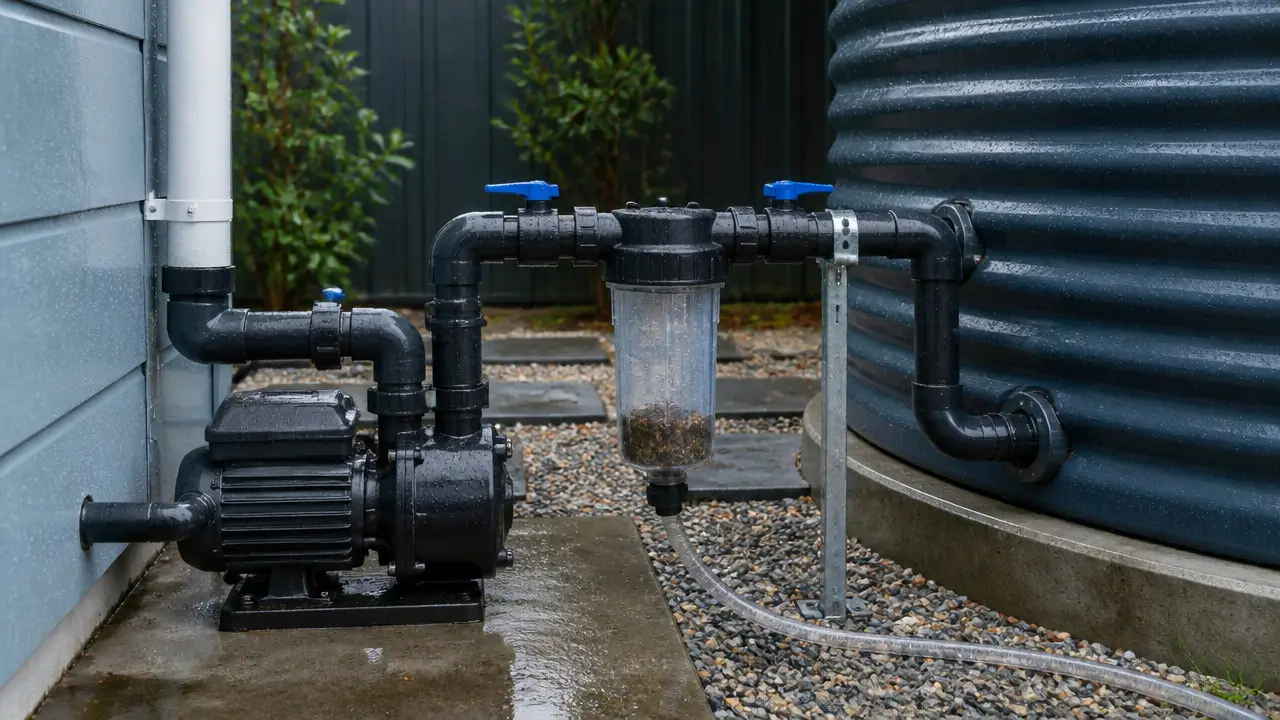
Roof-collected rainwater can contain dirt, pollen, roof debris, bird droppings, microorganisms, and chemicals picked up from the air, roofing materials, gutters, pipes, and storage equipment. Even clear-looking rainwater may contain contaminants.
A ceramic filter can help remove fine particles and certain microorganisms before the water reaches its final use.
For treatment stages for making rainwater potable, first interpret water-testing requirements for the proposed household purpose.
For example, a small rainwater system might have:
- Gutter screens to stop leaves and large debris.
- A first-flush diverter to send away some of the dirtiest initial roof runoff.
- A covered storage tank or cistern.
- Sediment filtration if the stored water contains enough particles to quickly clog finer filters.
- Ceramic filtration where suitable.
- Additional treatment appropriate for the intended use.
A first flush is the first portion of runoff from the roof during a rain event. Diverting some of it can reduce the amount of accumulated dirt and contamination entering the tank. CDC recommends considering first-flush diversion as part of improving collected rainwater quality.
Is a Ceramic Filter Enough to Make Rainwater Drinkable?
Do not assume so.
A ceramic filter may address sediment, protozoa, and certain bacteria while allowing viruses or dissolved chemicals to remain.
Rainwater intended for drinking has to be considered as a whole system, not just a filter cartridge.
Collection surfaces, roofing materials, gutters, first-flush control, tank cleanliness, treatment equipment, protected storage, maintenance, and water testing all matter.
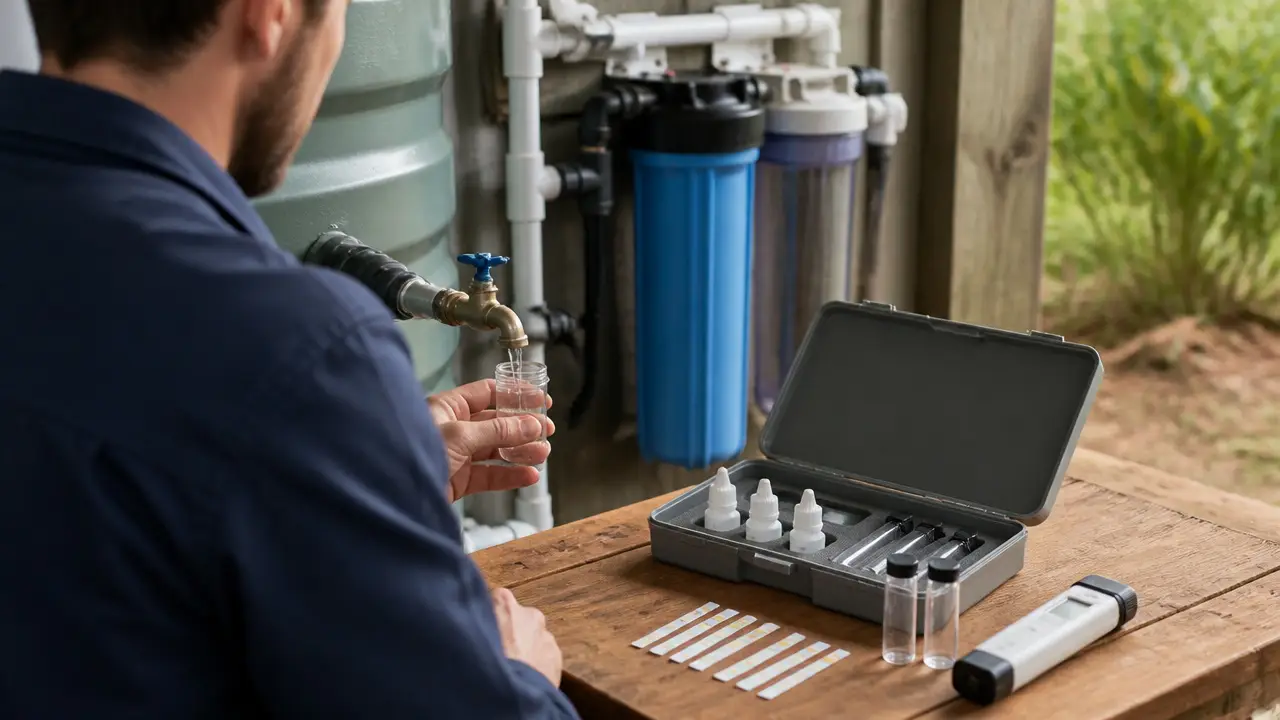
CDC advises that rainwater is not necessarily safe to drink without treatment for both germs and chemicals. It also recommends regular testing for people who use collected rainwater for drinking, cooking, or bathing.
For potable use—meaning water intended for drinking—a suitable system may require several treatment stages based on the actual risks in the water. Current laboratory testing and local health or plumbing requirements should guide those decisions.
People with weakened immune systems should be particularly cautious about relying on untreated or incompletely treated rainwater.
Certification Is More Useful Than Marketing Claims
Do not judge a ceramic filter only by its appearance, pore-size advertisement, or claims such as "purifies water."
Look for independent certification or testing that specifically names the contaminant you need to reduce.
For example, CDC identifies NSF/ANSI Standard 53 certification for cyst reduction as one way of identifying filters designed to remove parasites such as Cryptosporidium and Giardia.
NSF also warns that certification to one standard does not mean a treatment system removes every possible contaminant. You still need to check exactly what that particular system is certified to reduce.
This matters especially for rainwater because its possible contaminants are different from those in an already treated municipal supply.
Ceramic Filters Need Regular Cleaning
One advantage of many ceramic elements is that accumulated material can be cleaned from their surface according to the manufacturer's instructions.
As debris builds up, water usually moves through the ceramic more slowly. WHO notes that porous ceramic filters require regular cleaning to remove accumulated material and restore normal flow.
Do not assume that cleaning makes a filter last indefinitely.
Ceramic elements can eventually:
- Wear down
- Develop cracks
- Become damaged during cleaning
- Reach their manufacturer's replacement limit
- Become contaminated through poor handling
Follow the manufacturer's cleaning and replacement instructions.
A cracked element should not be trusted simply because the water still looks clear. A crack can create a path around the tiny pores that are supposed to provide filtration.
Dirty Water Can Clog Ceramic Quickly
Ceramic filters have very small pores. That is useful for filtration, but it also makes them prone to clogging.
Highly cloudy rainwater can slow a ceramic filter much faster than relatively clear water.
This is why coarse screening and sediment control before the ceramic stage can help. The earlier stages catch larger debris so the ceramic element can handle the smaller material it was designed for.
If a cistern continually sends heavy sediment into the filter, fixing the source of the sediment is usually better than constantly cleaning the ceramic element.
Check gutters, inlet screens, first-flush equipment, tank condition, and the position of the water outlet.
When a Ceramic Filter Makes Sense
Ceramic filtration is a good fit when you want:
- Fine physical filtration without electricity
- Reduction of protozoan parasites
- Bacterial reduction from a filter specifically designed and verified for it
- A gravity-fed treatment option
- A washable fine-filter stage
- Additional filtration within a larger rainwater treatment system
It is a poor choice as the only treatment when your main concern is:
- Viruses
- Nitrate
- Salts
- Dissolved metals
- Chemical contamination
- Making unknown rainwater automatically safe to drink
Choosing the treatment around the actual water and intended use is much safer than choosing it around the filter material.
Frequently Asked Questions
Do ceramic water filters really remove bacteria?
Some do. CDC says an absolute pore size of 0.3 micron or smaller can remove bacteria such as E. coli and Salmonella. The actual filter should still have suitable verified performance claims, because pore size and construction vary between products.
Do ceramic filters remove viruses?
Most ordinary ceramic microfilters should not be relied on for virus removal. Viruses can be much smaller than the pores used for bacteria and parasite filtration. Another appropriate treatment method may be required where viruses are a concern.
Do ceramic filters remove chemicals from rainwater?
Plain ceramic generally does not remove most dissolved chemicals. A ceramic cartridge containing activated carbon or another treatment medium may reduce certain chemicals, but you need to check its specific verified contaminant claims.
Does a ceramic filter remove Giardia and Cryptosporidium?
A suitable filter can. CDC identifies filters with an absolute pore size of 1 micron or smaller as capable of removing parasites such as Giardia and Cryptosporidium.
Can I drink rainwater after running it through a ceramic filter?
Do not assume the water is potable after ceramic filtration alone. Ceramic may leave viruses and dissolved chemicals behind. Rainwater intended for drinking requires appropriate collection, treatment for relevant microbial and chemical hazards, proper maintenance, regular laboratory testing, and compliance with applicable local requirements.
Why is my ceramic filter getting slower?
Fine sediment and other material accumulate on the ceramic surface and block its pores. Clean the element only according to the manufacturer's instructions and address excessive sediment entering the system. Replace damaged or worn elements when required.
Is a smaller micron rating always better?
Not necessarily. Smaller pores can improve removal of small organisms but can also reduce flow and clog more easily. More importantly, check whether the rating is absolute or nominal and whether the complete filter has been independently verified for the contaminant you need to remove.