As an affiliate, we may earn a commission from qualifying purchases. We get commissions for purchases made through links on this website from Amazon and other third parties.
Rainwater does not have to keep moving all the time to stay usable. The main goal is to keep sunlight, debris, insects, heat, and new contamination out of the stored water, while using and replacing the water often enough that it does not sit neglected for long periods.
For a typical rain barrel or garden tank, good screening, a dark covered container, regular water use, and periodic cleaning are usually more important than adding a pump or aerator. Larger cisterns may benefit from circulation in some systems, but circulation cannot make dirty rainwater clean or make untreated roof runoff safe to drink.
What Causes Stored Rainwater to Become Stagnant?
People often use "stagnant" to mean water that has been sitting still. Still water itself is not necessarily the problem.
Problems develop when stored rainwater also has conditions that support algae, insects, odors, or microbial growth. Common causes include:
- Leaves, pollen, bird droppings, and other organic matter entering the tank
- Sunlight reaching the water
- Warm storage temperatures
- Mosquitoes getting through openings
- Sediment building up on the bottom
- Water sitting unused for long periods
- Dead sections of pipe that rarely get flushed
- Poorly maintained gutters, screens, and first-flush devices
A well-designed cistern can hold water quietly for long periods. The important part is controlling contamination before and during storage.
Keep Debris Out Before It Reaches the Tank
Preventing contamination is easier than trying to fix dirty stored water later.
Start with the roof and gutters. Remove accumulated leaves, twigs, nests, and other debris. Install suitable screens where water enters the system.
A coarse prefilter or debris screen catches larger material before it reaches the tank. This reduces the organic matter that can settle, decay, and create odors.
WHO guidance for rainwater systems recommends using filtration or screening before storage and keeping the storage tank sealed and covered.
Consider a first-flush system
A first flush device diverts some of the first roof runoff away from the storage tank.
The first water from a storm can carry material that collected on the roof between rains. Diverting it can reduce the amount of contamination entering storage.
A first-flush device still needs maintenance. If it stays full of dirty water, clogs, or does not reset properly, it can become another source of stagnant water. WHO recommends arranging the device so diverted water drains properly rather than remaining trapped.
Keep the Storage Tank Dark
Sunlight encourages algae growth.
Use an opaque tank or barrel that blocks light. Keep lids closed, and check around fittings for gaps that allow sunlight inside.
Clear or translucent containers are poor choices for long-term outdoor rainwater storage unless they are protected from light.
If you use an IBC tote, for example, the translucent plastic can allow considerable light into the water. An appropriate opaque enclosure or cover can reduce this exposure. Do not use a cover that blocks ventilation openings that are required by the tank design or creates unsafe access around the tank.
Seal Openings Against Mosquitoes
Stored rainwater can become mosquito habitat if insects can reach it.
Pay attention to more than just the lid. Mosquitoes may enter through:
- Overflow pipes
- Tank vents
- Downspout connections
- Loose lids
- Gaps around hoses and fittings
Use suitable insect-resistant screening where the system needs to remain open to air or overflow.
EPA guidance recommends tightly closing rain barrels, screening incoming water, and regularly using the stored water as ways to reduce mosquito problems.
Also check nearby gutters and first-flush drains. Water trapped outside the tank can become a mosquito breeding area even when the tank itself is well screened. WHO specifically recommends preventing stagnant water from remaining in gutters.
Use the Water Regularly
Water turnover means removing stored water and replacing it with newly collected rainwater.
For a small garden rain barrel, regular turnover is one of the simplest ways to avoid neglected water. Use the barrel for irrigation between storms instead of keeping it permanently full.
EPA rain-barrel guidance recommends using collected water regularly between rain events and avoiding leaving water in small barrels for long periods.
A large cistern works differently. It may be intentionally sized to store water through dry weather, so emptying it every few days would defeat its purpose.
For larger systems, concentrate on:
- Keeping contamination out
- Limiting light and heat
- Maintaining screens and filters
- Removing accumulated sediment when needed
- Avoiding unused pipe branches
- Inspecting stored water and system condition
- Following an appropriate treatment plan for the intended use
There is no single maximum storage time that applies to every rainwater system.
Does Rainwater Need a Circulation Pump?
Usually not for a simple rain barrel.
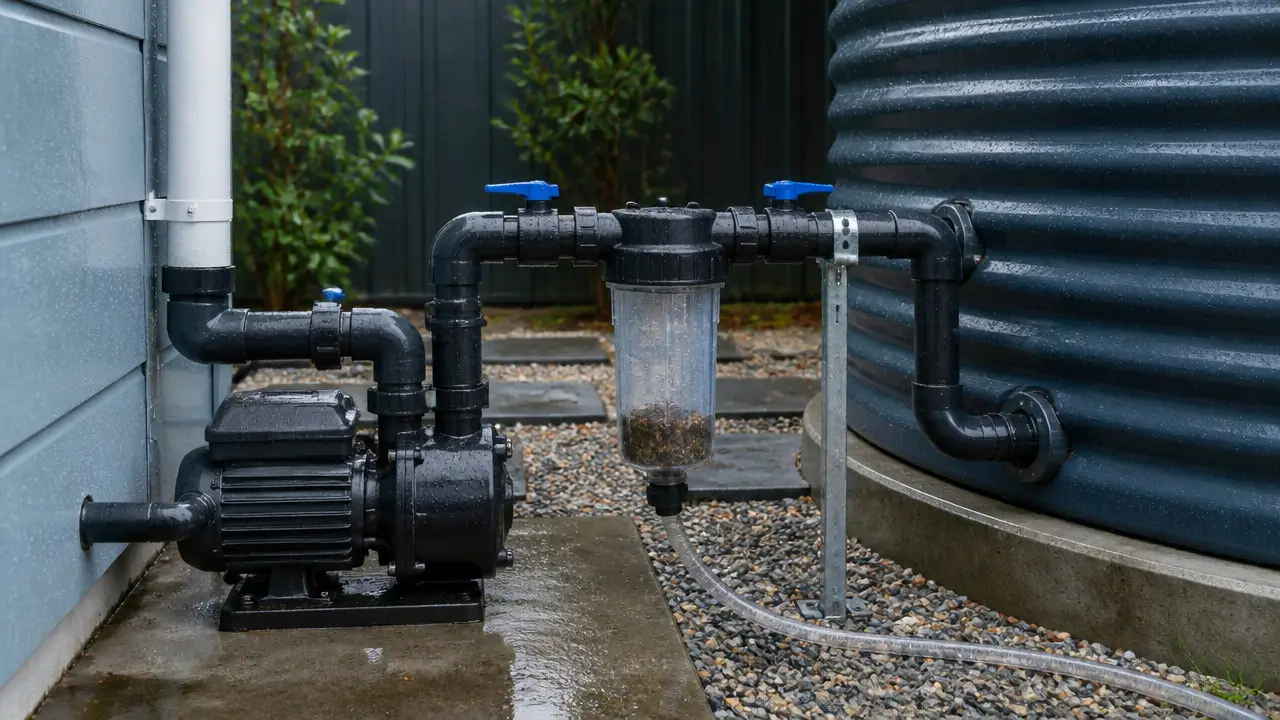
Constant circulation adds electricity use, plumbing, maintenance, and another piece of equipment that can fail. A clean, shaded, screened barrel used regularly normally does not need a circulation pump just to keep the water moving.
Circulation can make more sense in certain larger storage or treatment systems. It may help mix treated water or reduce poorly mixed zones in tanks designed for circulation.
But a pump cannot compensate for:
- Dirty gutters
- Roof contamination
- Leaves in the tank
- Sunlight
- Mosquito access
- Heavy sediment
- Inadequate treatment
If you add circulation, make sure the pump's flow, fittings, electrical installation, and dry-run protection suit the tank and intended use.
Does Aerating Rainwater Prevent Stagnation?
Aeration puts air into water, usually with a pump and diffuser.
It can increase oxygen and may help with certain odor or water-management problems. However, most household rainwater tanks do not need an aquarium-style air pump simply because the water is stored.
Aeration can also add complexity. Air entering the system can carry dust and other contaminants unless the system is properly designed.
For garden-water storage, controlling debris, sunlight, temperature, and insects usually provides more benefit.
For drinking-water systems, aeration should be treated as one possible treatment process, not as a general way to make collected rainwater safe.
Keep Sediment Under Control
Even with good prefiltration, some fine material usually reaches a rainwater tank.
Study the usable storage life of collected rainwater to understand how the selected parts interface in service.
Over time it can settle at the bottom.
A small amount of settled material does not automatically mean the entire tank is unusable. But large accumulations provide material that can contribute to odors, microbial growth, and maintenance problems.
Make the tank inspectable and drainable where practical. WHO rainwater guidance describes tank designs with drainage provisions that allow sediment to be removed during cleaning.
Avoid repeatedly stirring bottom sediment into the water when cleaning or pumping.
Pump and outlet positioning can also matter. An intake positioned directly against accumulated sediment may continually pull debris into downstream filters.
Keep Stored Rainwater Cool When Possible
Warm water generally creates better conditions for biological growth.
Outdoor tanks are often difficult to keep truly cool, but you can reduce unnecessary heating by:
- Keeping the tank out of direct sun when practical
- Using an opaque tank
- Avoiding unnecessarily exposed clear piping
- Providing appropriate shade without blocking inspection access
Do not bury a tank unless it is specifically designed for underground installation. Soil creates substantial loads that an above-ground rain tank may not be built to withstand.
Clean the Whole Collection Path
Cleaning only the tank misses much of the system.
Periodically inspect:
- Roof collection surfaces
- Gutters
- Downspouts
- Leaf screens
- Prefilters
- First-flush devices
- Tank inlet
- Tank interior
- Overflow screen
- Outlets and downstream pipes
The maintenance schedule depends heavily on your surroundings. A roof under trees may load a screen with debris much faster than an open roof.
After storms, heavy leaf fall, construction dust, wildfire ash, animal activity, or long periods without rain, inspect the system rather than relying only on a calendar.
What About Chlorine or Other Chemicals?
Do not add household bleach or another disinfectant to a rainwater tank simply because the water has been sitting.
Chemical treatment requires control of concentration, water quality, contact time, system materials, and intended use. Guessing at a dose can create a different problem without addressing the contamination source.
For water used only for suitable outdoor irrigation, routine chemical disinfection often is not needed.
For drinking water, disinfection may be one stage of a properly designed treatment system. WHO's current drinking-water guidance treats rainwater safety as a catchment-to-consumer system, rather than relying on one filter or one disinfection step.
If You Plan to Drink the Rainwater
Preventing stagnation does not make roof-collected rainwater automatically potable.
Potable means suitable for drinking. Water used for irrigation, toilet flushing, or similar purposes is normally considered non-potable unless it has been managed and verified for drinking use.
Roof runoff may contain microorganisms, animal waste, particles, chemicals, and contaminants from roofing or plumbing materials. WHO notes that microbial contamination can occur in collected rainwater and recommends managing drinking-water quality across the full collection, storage, treatment, and delivery system.
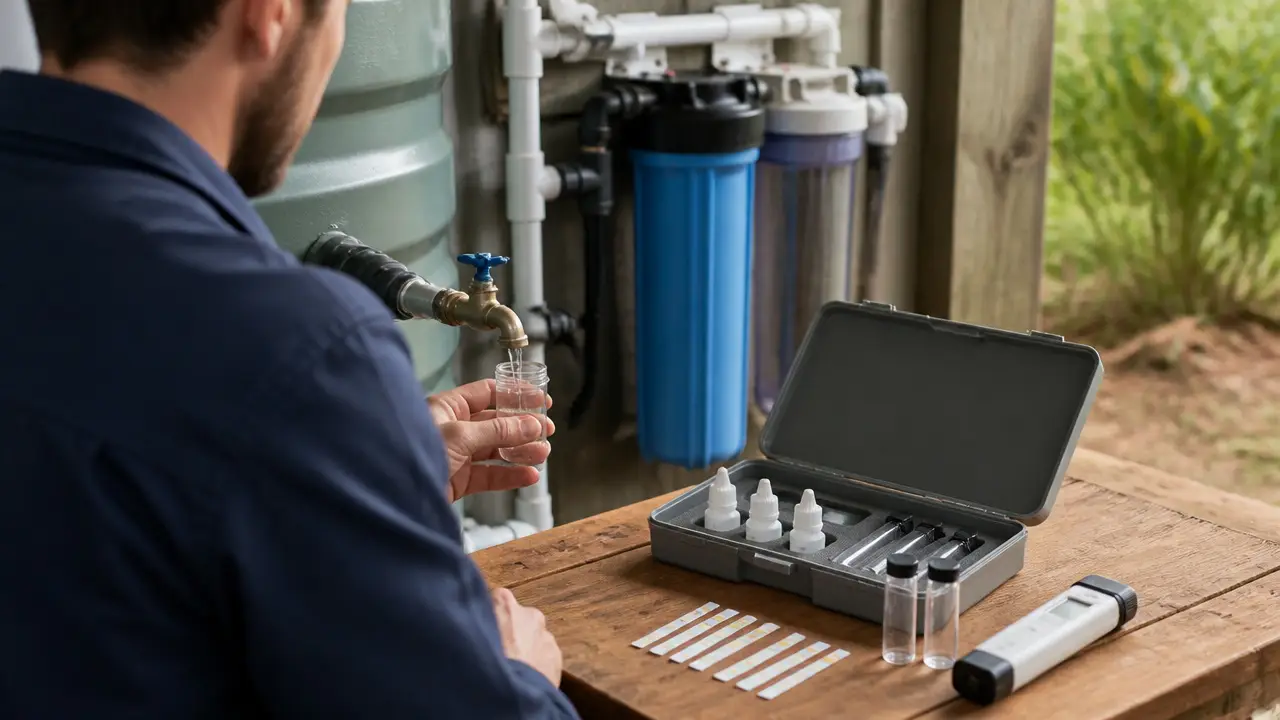
A drinking-water system may require suitable collection materials, first-flush control, prefiltration, appropriate treatment stages, protected storage, ongoing maintenance, and current laboratory testing. Local drinking-water and plumbing requirements also apply.
Do not assume that clear-looking, odor-free rainwater is safe to drink.
A Simple Setup for Garden Rainwater
For a normal rain barrel supplying a garden hose or watering can, keeping water in good condition can be fairly simple.
Use a covered, opaque barrel. Screen the inlet and overflow against insects. Keep leaves out of the gutters. Use the water regularly. Clean clogged screens promptly, and inspect the bottom of the barrel for excessive sediment.
That approach is usually more useful than trying to keep the water constantly circulating.
A larger garden cistern follows the same basic rule: keep contaminants out first, then manage the stored water.
Frequently Asked Questions
How long can rainwater sit in a tank?
There is no universal storage limit. A small rain barrel should generally be used regularly rather than left full and neglected. A properly designed cistern may store water much longer. Storage conditions, contamination control, temperature, intended use, and treatment all matter.
Will a pump stop rainwater from going stagnant?
Not by itself. A pump can circulate water, but it will not remove roof debris, sediment, microorganisms, sunlight, or mosquito access. Good collection and storage design come first.
Should I put an aerator in my rain barrel?
Usually not. Most garden rain barrels benefit more from being opaque, screened, covered, clean, and regularly used. Aeration adds equipment and maintenance without correcting the common causes of poor stored-water quality.
Why does my stored rainwater smell bad?
Common causes include leaves or other organic matter decomposing in the tank, heavy sediment, long storage periods, or contamination entering through an uncovered opening. Stop using noticeably abnormal water for sensitive uses until you identify the cause and clean or service the system as appropriate.
How do I prevent algae in a rainwater tank?
Keep sunlight away from the stored water. Use an opaque container, keep the lid closed, and cover light-leaking openings. Also remove organic debris before it reaches the tank.
How do I keep mosquitoes out of a rain barrel?
Keep the barrel covered and place suitable insect screening over openings such as inlets, vents, and overflows. Remove standing water from gutters and other nearby parts of the collection system as well.
Is old rainwater safe for plants?
Age alone does not determine whether water is suitable for irrigation. Check for contamination, strong odors, chemical exposure, mosquito problems, and the needs of the plants being watered. Avoid assuming stored roof runoff is suitable for every irrigation method or edible crop use.
Can I drink stored rainwater if it does not smell stagnant?
No. Smell and appearance cannot establish drinking-water safety. Drinking rainwater requires a properly managed collection and treatment system, current testing, maintenance, and compliance with applicable local requirements.