As an affiliate, we may earn a commission from qualifying purchases. We get commissions for purchases made through links on this website from Amazon and other third parties.
Yes. Digital rain gauges are available that send rainfall data to a phone app. They can show how much rain fell, when it started, rainfall rate, daily totals, and longer-term history.
The main thing to check is how the outdoor rain sensor reaches the app. Some systems connect through a separate indoor weather station or Wi-Fi gateway. The rain gauge itself may not connect directly to your phone.
How an App-Connected Rain Gauge Works
Most digital rain gauges have three parts:
- An outdoor rain sensor measures the rainfall.
- A wireless connection sends the reading to a gateway, console, or weather station.
- The gateway connects to the internet so an app can display the data.
The outdoor sensor is usually battery powered. This means you can place it away from the house where buildings and trees are less likely to affect the measurement.
Many apps can keep rainfall history instead of only showing the current total. That can be useful for a rainwater harvesting system because you can compare rainfall with changes in your tank level.
Yes, Several Types Are Available
There are a few common ways manufacturers build these systems.
Rain Gauge Added to a Smart Weather Station
Some rain gauges are accessories for a larger weather station.
For example, Netatmo offers a Smart Rain Gauge that works with its Weather Station. The rain gauge is configured through the app, but it is not designed to operate as a completely independent device.
This setup can make sense if you also want outdoor temperature, humidity, wind, or other weather information.
It may be unnecessary if rainfall is the only thing you want to measure.
Wireless Rain Sensor Plus a Wi-Fi Gateway
Another approach uses a separate outdoor rain sensor and a small indoor Wi-Fi gateway.
Ecowitt, for example, offers wireless rain sensors that pair with compatible gateways and consoles. Its GW1100 gateway supports several rain sensor models and can send measurements to the Ecowitt online service and app.
This type of system can be useful when you want to start with rainfall and add other sensors later.
The important compatibility question is:
Does the rain sensor work with the gateway you plan to use?
Do not assume that two wireless devices from the same company automatically work together.
Complete Weather Station With App Access
A complete weather station is another option.
These systems may measure:
- rainfall
- temperature
- humidity
- wind
- air pressure
- solar or UV conditions
Ambient Weather, for example, has stations that send weather data, including rainfall, to its online network and mobile app. Some models use a separate rain collector, while others use an electronic rain sensor.
A complete station is usually more equipment than you need if your only goal is checking how much rain fell.
Tipping-Bucket vs. Electronic Rain Sensors
The rain-measuring method matters.
Tipping-Bucket Rain Gauge
A tipping bucket has a small internal mechanism that collects water.
Once one side holds a set amount, it tips. Each tip represents a small amount of rainfall. The electronics count the tips and calculate the rainfall total.
Tipping buckets are common because they are simple and can give useful rainfall totals.
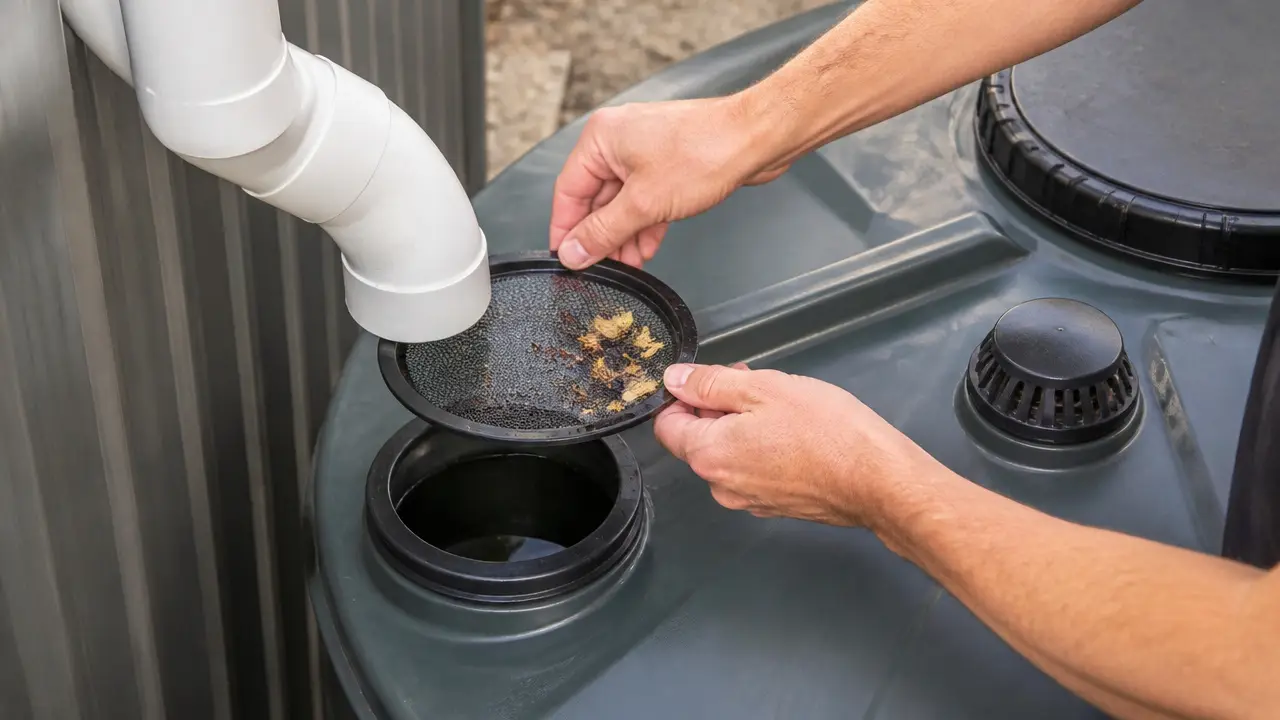
Their main weakness is maintenance. Leaves, insects, dirt, and other debris can interfere with the funnel or tipping mechanism.
The collector should be checked and cleaned periodically.
Haptic or Piezoelectric Rain Sensor
Some newer weather stations have no collection bucket.
Instead, a sensor detects the impact of raindrops and estimates rainfall from those impacts.
Ambient Weather describes this type of sensor as a haptic rain gauge that measures raindrop pressure rather than collecting rain in a bucket.
There are fewer moving parts to clog.
However, the way rainfall is estimated is different from a traditional collecting gauge. If accurate rainfall totals are especially important to you, comparing the electronic reading with a simple manual gauge can be useful.
What the App Should Show
For rainwater harvesting, a useful app should do more than tell you that it is raining.
Look for the ability to see:
- current rainfall
- rainfall during the current storm
- today's total
- weekly and monthly totals
- rainfall history
- graphs
- adjustable alerts
- sensor battery condition
- connection status
Rainfall history is especially helpful.
A reading of "0.6 inches today" is useful. A record showing how much rain you received over the past month is much more useful for understanding how often your rainwater tank is likely to refill.
Can an App Rain Gauge Tell You How Much Water Your Roof Collected?
Not directly.
A rain gauge measures rainfall depth at its location. It does not measure how many gallons actually entered your tank.
You can use the rainfall measurement to estimate potential collection.
For measurements in U.S. units:
Estimated gallons = rainfall in inches × roof catchment area in square feet × 0.623 × collection efficiency
For example, 1 inch of rain falling on 1,000 square feet of roof represents about 623 gallons before losses.
The actual amount reaching your tank will be lower because some water may be lost through:
- initial roof wetting
- gutter overflow
- a first-flush diverter
- screens and filters
- leaks
- splash
- intentional overflow or bypasses
A first flush is the initial roof runoff that is diverted away from storage to help remove some dust and debris from the collection surface.
Do not assume a fixed collection-efficiency percentage unless you have enough information about your own system to support it.
Rain Gauge App vs. Tank-Level App
These are two different measurements.
A digital rain gauge tells you:
Guidance on sensor maintenance in digital rain gauges helps verify assembly details that affect everyday performance.
How much rain fell?
A digital tank-level sensor tells you:
How much water is currently in the tank?
For rainwater harvesting, having both can be much more useful than having either one alone.
Suppose your rain gauge reports a large storm, but your tank level barely increases. That could point to a problem such as:
- a blocked gutter
- clogged inlet screen
- first-flush system not resetting
- disconnected downspout
- overflowing filter
- tank already being nearly full
- inaccurate tank-level measurement
Rainfall data gives you a useful reference point when troubleshooting the collection system.
Wi-Fi or Bluetooth?
For most permanent rain gauges, Wi-Fi-based monitoring is more useful than Bluetooth alone.
Bluetooth
Bluetooth normally requires your phone to be fairly close to the device or its receiver.
It can work for checking a nearby sensor, but it is less useful if you want to view rainfall while away from home.
Wi-Fi
A Wi-Fi-connected gateway can normally send rainfall information through the internet.
That allows the app to provide remote readings and rainfall history, assuming the manufacturer's service and your internet connection are working.
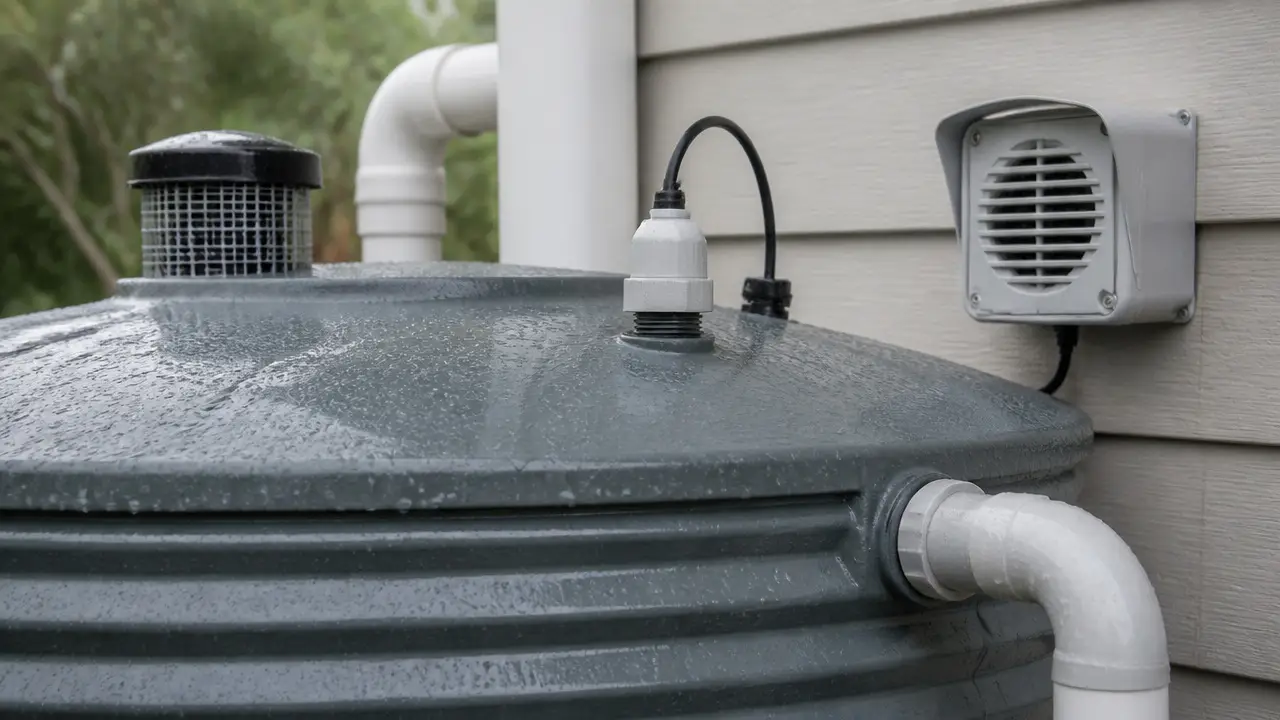
Remember that many outdoor rain sensors do not connect directly to Wi-Fi. They use their own low-power radio connection to communicate with an indoor gateway, which then connects to Wi-Fi.
Check the Required Hardware Before Buying
This is one of the easiest details to miss.
A listing may say that a rain gauge "works with an app," but the box may contain only the outdoor sensor.
You might also need:
- a compatible Wi-Fi gateway
- a weather-station base unit
- an indoor console
- an account with the manufacturer's cloud service
- a suitable Wi-Fi network
Netatmo's rain gauge, for example, requires its Weather Station rather than operating independently. Ecowitt rain sensors similarly depend on compatible gateways or consoles for different setups.
Check the complete signal path before choosing a system:
Rain sensor → receiver or gateway → Wi-Fi → internet service → phone app
That is more important than simply seeing the word "smart" on the package.
Where Should You Put the Rain Gauge?
Placement can affect the reading as much as the electronics.
Do not automatically put the gauge on the roof.
Buildings, trees, fences, and strong wind can change how much rain enters the collector. The National Weather Service recommends keeping precipitation gauges away from obstructions and avoiding exposed elevated locations such as building tops.
The gauge should also be:
- level
- away from sprinklers
- away from roof runoff
- protected from splash
- clear of branches and other overhead obstructions
- accessible enough to clean
A rain gauge next to a downspout may sound convenient, but roof splash or overflowing gutters could give you a false reading.
The gauge measures rain falling from the sky, not the water leaving your roof.
How Much Maintenance Does a Digital Rain Gauge Need?
Digital does not mean maintenance-free.
For a tipping-bucket gauge, periodically check the funnel and moving mechanism for:
- leaves
- seeds
- insects
- bird debris
- dust
- algae or organic buildup
Also check the mounting position. A collector that has tilted may produce poor measurements.
Replace batteries when needed and make sure the sensor is still communicating with its receiver.
Manufacturers may also release firmware or app updates for gateways and weather stations.
In freezing climates, follow the manufacturer's instructions for cold-weather operation. Do not assume that a rain gauge designed for liquid rainfall can accurately measure snow, freezing rain, or melted precipitation without additional equipment or procedures.
Is an App Rain Gauge Worth Having for a Rainwater System?
It can be.
A digital rain gauge is especially useful if you want to:
- keep automatic rainfall records
- compare storms with tank refill amounts
- understand seasonal collection patterns
- estimate potential roof collection
- track rainfall without manually emptying and reading a gauge
- receive rain alerts while away from home
You do not necessarily need a full weather station.
For a rainwater harvesting setup, a wireless tipping-bucket rain sensor with a compatible Wi-Fi gateway and a good rainfall-history app is often the simplest type of system to look for.
If you also want wind, temperature, humidity, or other local weather data, a complete weather station may make more sense.
Just remember that the rain gauge measures rainfall. It does not tell you whether stored rainwater is clean, properly treated, or suitable for drinking.
Frequently Asked Questions
Can I check a digital rain gauge from my phone?
Yes. App-connected systems can send rainfall measurements to a smartphone. Many use an outdoor wireless sensor connected to an indoor Wi-Fi gateway rather than connecting the rain gauge directly to the phone.
Does a smart rain gauge need Wi-Fi?
Not always for the outdoor sensor itself. The sensor often communicates by low-power radio with a gateway or weather-station console. That gateway usually needs Wi-Fi or another internet connection if you want remote app access.
Are there standalone rain gauges with apps?
Some systems are fairly simple, but many app-connected rain sensors require a compatible gateway, base station, or weather-station console. Check what hardware is included before buying.
Can a digital rain gauge measure how much water is in my rain tank?
No. It measures rainfall. A tank-level sensor measures the water stored in the tank. Using both can help you compare rainfall with actual tank refill amounts.
Is a tipping-bucket rain gauge accurate?
A properly installed and maintained tipping-bucket gauge can provide useful rainfall measurements. Placement, wind, debris, a tilted collector, and poor maintenance can all affect readings.
Should I mount my rain gauge on the roof?
Usually not. An exposed rooftop can create wind and turbulence that affect the amount of rain caught by the gauge. A level location away from major obstructions and artificial water sources is generally better.
Can I use app rainfall data to estimate rainwater collection?
Yes. You can combine measured rainfall with your roof catchment area to estimate potential collection. Allow for real-world losses from roof wetting, first flush, filters, overflow, leaks, and other parts of the collection system.