As an affiliate, we may earn a commission from qualifying purchases. We get commissions for purchases made through links on this website from Amazon and other third parties.
Stored rainwater does not “go bad” on a fixed schedule like food. But its quality can get worse during storage.
Water in a clean, covered, well-maintained tank may remain useful for irrigation and other non-potable uses for a long time. Non-potable means water that is not intended for drinking. However, there is no simple number of days or months after which stored rainwater suddenly becomes unusable.
The bigger question is what happened to the water before and during storage, and what you plan to use it for. Roof debris, animal droppings, insects, warm temperatures, sunlight, sediment, and a dirty tank can all affect water quality. Rainwater that looks clear can still contain germs or chemicals.
What Happens to Rainwater While It Is Stored?
Stored rainwater usually changes because of contamination and biological growth, not because the water itself expires.
A rain barrel or cistern can collect:
- Dust and dirt from the roof
- Leaves and pollen
- Bird and animal droppings
- Insects
- Roofing or gutter contaminants
- Organic material that settles into sludge
- Germs carried into the tank with runoff
The first rain after a dry period can wash a larger amount of material from the roof into the collection system. A first-flush diverter helps by sending this first portion of roof runoff away from the tank.
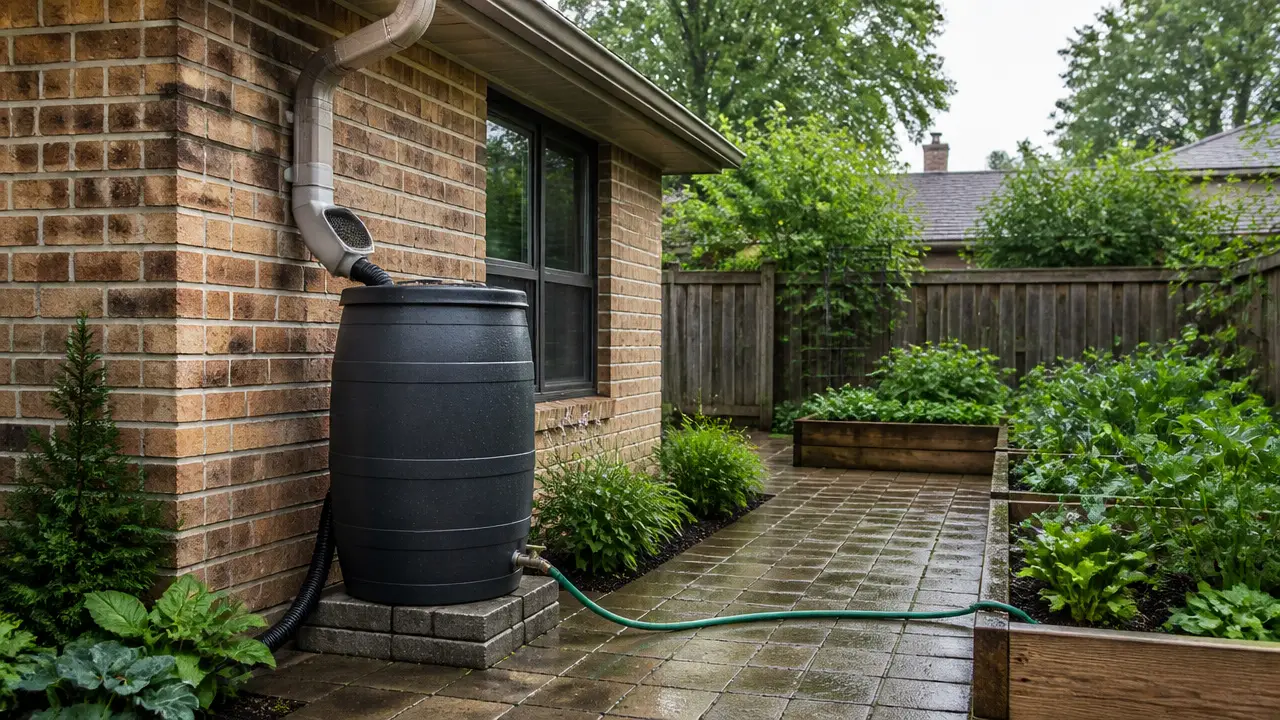
Once water reaches storage, tank conditions matter too. Sunlight can support algae growth. Openings can allow mosquitoes, animals, and debris inside. Sediment on the bottom can also build up over time.
How Long Can You Store Rainwater?
There is no universal safe storage time.
A covered cistern that is protected from sunlight and regularly receives fresh rain is very different from a small barrel that has been sitting warm and half-open for several months.
For garden watering and similar uses, rainwater may remain useful for weeks or months when the collection and storage system is kept clean. Large rainwater systems often hold some water between rainy periods.
That does not mean water stored for a certain number of months is automatically safe.
Instead of using age alone, check the whole system:
- Is the tank fully covered?
- Are inlet and overflow openings screened?
- Can sunlight reach the water?
- Has roof debris entered the tank?
- Is there heavy sediment on the bottom?
- Has the water developed unusual color or odor?
- Have insects or animals entered the system?
- Has floodwater reached the tank?
- What will the water be used for?
Water intended for drinking needs a much higher level of control than water used on ornamental plants.
Does Rainwater Get Stagnant?
It can.
“Stagnant” usually describes water that has been sitting with little movement or replacement. Stagnant water is not automatically dangerous, but poor storage conditions can allow unwanted biological activity and insect breeding.
Mosquitoes are a particular concern with open rain barrels. CDC guidance recommends screening openings or emptying a rain barrel at least every 10 days to help prevent mosquitoes from laying eggs in the water.
Large cisterns are normally handled differently. You generally would not empty a large tank every 10 days. Instead, the system should be designed to keep mosquitoes from entering in the first place, with properly screened and protected openings.
Can Algae Grow in Stored Rainwater?
Yes, especially when sunlight reaches the water.
A translucent or open container can allow enough light inside for algae growth. An opaque tank that blocks sunlight greatly reduces this problem.
Algae may cause:
- Greenish water
- Slippery tank surfaces
- Clogged screens or irrigation parts
- Unpleasant smells
- Additional organic material in the tank
Keeping the storage tank shaded or light-blocking is usually more effective than trying to fix algae after a large bloom develops.
Can Stored Rainwater Smell Bad?
It can.
A strong or unusual smell can develop when leaves, pollen, insects, or other organic material break down in the water. Sediment sitting on the bottom of a poorly maintained tank can contribute as well.
Bad-smelling water is a sign to inspect the system before using it.
Check the roof, gutters, inlet screen, first-flush system, tank interior, and sediment buildup.
However, the opposite is also important: water that smells and looks normal is not necessarily safe to drink. Harmful germs and chemicals may be present without changing the water's appearance, smell, or taste.
How to Keep Stored Rainwater in Better Condition
Good rainwater storage starts before water reaches the tank.
Keep the roof and gutters reasonably clean
Leaves, animal droppings, dirt, and other material on the collection surface can wash into storage.
Gutter guards and inlet screens can reduce the amount of larger debris entering the system.
Use a first-flush diverter when appropriate
The first runoff from a roof can carry concentrated dirt and contamination.
A first-flush diverter sends some of this initial runoff away from the tank. The correct diversion amount depends partly on the catchment area and system design rather than one universal setting.
Keep the tank covered
Tank openings should not give insects, rodents, birds, or debris easy access to the water.
Inlets and overflows also need suitable screens where insects could otherwise enter.
Block sunlight
An opaque tank or properly protected cistern helps limit algae growth.
This matters especially with above-ground tanks exposed to strong sunlight.
Limit sediment buildup
Some fine material will eventually make it past screens and settle on the bottom.
Inspecting and cleaning the tank when sediment becomes significant helps keep that material from building up year after year. Cleaning frequency depends on the amount of debris entering the system and how the system is used.
Evaluating health concerns associated with cloudy water helps assess how much confidence to place in the available test readings.
Do not enter a large cistern or confined tank to clean it. Confined-space entry can be extremely dangerous and should be handled by people with the proper equipment and training.
Keep water moving through the system
Regular use and replenishment can help prevent water from sitting untouched for very long periods.
That does not make the water sanitary, but a well-managed system with regular turnover is usually easier to maintain than a neglected container that remains partly full for long periods.
When Should Stored Rainwater Be Drained?
For ordinary garden systems, consider draining and cleaning the container when you find heavy contamination, substantial sludge, insect problems, or other conditions that cannot be corrected while the tank remains full.
Floodwater is more serious.
If a cistern containing untreated catchment water has been exposed to floodwater, storm debris, or other major contamination, do not assume the stored water is safe because it still looks normal. CDC guidance recommends avoiding use of affected untreated cistern water and contacting the appropriate health department for guidance.
The tank may need to be emptied, cleaned, and returned to service properly.
What About Rainwater Stored Over Winter?
Cold weather adds another issue: freezing.
The water does not become bad simply because temperatures fall, but freezing water can damage:
- Rain barrels
- Tanks
- Valves
- Pumps
- Filters
- Pipes
- Fittings
Whether a system should be drained for winter depends on the tank, plumbing arrangement, local freeze depth, and whether the system was designed to operate below freezing.
A partly full rain barrel with exposed fittings may need a very different winter plan from a large buried cistern designed for year-round use.
Do not rely on water movement alone to guarantee freeze protection.
Is Old Rainwater Safe for Plants?
Stored rainwater is often used for landscape irrigation, but intended use still matters.
Water for ornamental plants generally presents fewer concerns than water that may contact vegetables, herbs, or fruit that will be eaten.
CDC advises limiting rainwater use in ways that reduce the chance of swallowing it and, where possible, using a safer water source for edible plants.
Also consider the irrigation equipment itself. Sediment and algae can clog:
- Drip emitters
- Small valves
- Sprayers
- Pump strainers
- Fine irrigation filters
A simple screened inlet and appropriate irrigation filtration can help protect the equipment, even when drinking-water treatment is not needed.
Can You Drink Stored Rainwater?
Do not assume stored roof runoff is safe to drink based on how long it has been stored.
Rainwater can pick up germs and chemicals from the air, roof, gutters, piping, and storage materials. Bird droppings and other roof contamination can also enter the system.
For drinking-water use, the entire collection and treatment system matters. That includes suitable catchment materials, debris control, storage, treatment designed for the contaminants present, maintenance, and water testing.
A sediment filter by itself does not make rainwater potable. Potable means suitable for drinking.
Likewise, clear water, a UV unit, a carbon filter, a home test strip, or one good laboratory result does not by itself prove that an entire rainwater system will consistently produce safe drinking water.
CDC recommends regularly testing rainwater for germs and chemicals when it is used for drinking, cooking, or bathing. Its general drinking-water guidance also recommends testing private rainwater supplies at least annually, with additional testing considered when color, taste, or smell changes.
Local health authorities can advise which contaminants should be tested based on local conditions and the intended use.
The Practical Rule
Stored rainwater does not have a simple expiration date.
For non-potable uses, concentrate on keeping debris, animals, insects, sunlight, and contamination out of the tank. Inspect the system and clean it as conditions require.
For drinking or other uses where water may be swallowed, storage time is only one small part of the decision. Treat the rainwater as an untreated private water source unless a properly designed treatment and monitoring system establishes otherwise.
Frequently Asked Questions
Does rainwater go bad after sitting for a month?
Not automatically. Water stored for a month in a clean, covered, opaque tank may still be suitable for some non-potable uses. Water in a dirty or open barrel may develop problems much sooner. Storage conditions and intended use matter more than the calendar alone.
Can rainwater be stored for a year?
Rainwater can physically remain in a cistern for long periods, but a year of storage does not tell you whether the water is suitable for a particular use. Tank cleanliness, contamination, temperature, sediment, insects, treatment, and water quality all need to be considered.
Why does my stored rainwater smell?
Leaves, pollen, insects, roof debris, algae, or organic sediment may be breaking down in the tank. Inspect the collection system and tank rather than trying to cover up the smell. Do not assume water without an odor is safe to drink.
Is green rainwater still usable for the garden?
Green water often points to algae growth caused by sunlight entering the tank. It may still be usable for some landscape irrigation, but algae and debris can clog pumps and irrigation equipment. Correct the light exposure and inspect the tank before continuing to use it.
Should I empty my rain barrel regularly?
Small rain barrels may need periodic emptying and cleaning depending on debris and insect problems. CDC recommends either screening the system against mosquitoes or emptying a rain barrel at least every 10 days to interrupt mosquito breeding. Large sealed cisterns use different mosquito-control measures.
Does a lid keep stored rainwater fresh?
A proper cover helps, but it is only part of the system. Inlets and overflows should also be protected, sunlight should be limited, and roof debris should be controlled. A covered tank can still contain germs or chemicals carried in with the incoming water.
Can boiling old rainwater make it safe to drink?
Boiling can kill many disease-causing germs, but it does not remove all possible chemical contaminants. Roof-collected rainwater intended for drinking should be managed as a complete collection, treatment, testing, and maintenance system rather than relying on boiling alone.