As an affiliate, we may earn a commission from qualifying purchases. We get commissions for purchases made through links on this website from Amazon and other third parties.
For emergency use, water you fill and store yourself should generally be replaced every six months. Unopened commercially bottled water can be stored until the date shown on the package, as long as the bottles stay sealed and are stored correctly. The CDC recommends keeping at least a 3-day supply and, when possible, building toward a 2-week supply.
The storage time is only part of the picture. The original water quality, container, storage temperature, sunlight, and how you handle the water all affect whether it remains suitable for drinking.
How Long Different Types of Water Can Be Stored
A simple emergency-water plan looks like this:
| Water source | Practical storage guidance |
|---|---|
| Commercially bottled water | Keep sealed and follow the package expiration date |
| Tap water placed in your own container | Replace every 6 months |
| Water in a container that has been opened | Use sooner and protect it from contamination |
| Untreated rainwater | Do not assume it is safe for drinking because it has been stored |
| Questionable or contaminated water | Do not rely on storage time to make it safe |
The CDC specifically recommends replacing water stored in containers you filled yourself every six months. Containers should be labeled with the storage date so you know when to rotate them.
That six-month recommendation does not mean water suddenly becomes unsafe on day 181. It is a practical rotation schedule that reduces the chance of problems from containers, contamination, poor storage conditions, or repeated handling.
How Much Emergency Water Should You Store?
The CDC recommends at least 1 gallon of water per person per day for 3 days. If possible, store enough for two weeks. That water covers drinking, cooking, brushing teeth, and other basic needs.
For example:
- 1 person for 3 days: 3 gallons
- 2 people for 3 days: 6 gallons
- 4 people for 3 days: 12 gallons
- 4 people for 14 days: 56 gallons
You may need more in hot weather or when your household includes pets, pregnant people, or people who are sick.
Do not forget that stored water becomes heavy. One U.S. gallon of water weighs a little over 8 pounds. A large emergency supply may need to be divided among several smaller containers rather than placed on one weak shelf.
Use the Right Water Storage Container
For water that may be used for drinking, a food-grade water storage container is the best choice.
The CDC recommends containers made for water or food storage. The container should:
- Close tightly.
- Be durable and difficult to break.
- Have a relatively narrow opening when possible.
- Never have held pesticides, fuel, bleach, or other toxic chemicals.
A container that once held a dangerous chemical is not made safe simply by washing it.
This matters with reused drums, buckets, and large tanks. Unless you know what the container previously held and that it is suitable for drinking-water storage, do not use it for an emergency potable supply.
Potable means suitable for drinking.
Clean and Sanitize Containers Before Filling Them
A clean container helps prevent stored water from becoming contaminated before you ever need it.
For containers you are filling yourself, the CDC recommends washing them with soap, rinsing thoroughly, and sanitizing them before adding clean water. Its current guidance uses a sanitizing solution made from unscented household chlorine bleach containing 5% to 9% sodium hypochlorite.
Follow current CDC directions rather than using an old bleach recipe. Bleach concentrations vary between products, and sanitizing a storage container is different from disinfecting questionable drinking water.
Once the container is prepared, fill it with clean water and close the lid tightly.
Where Should Emergency Water Be Stored?
Storage conditions matter almost as much as storage time.
The CDC recommends keeping self-filled emergency water:
- In a cool location, ideally around 50°F to 70°F.
- Out of direct sunlight.
- Away from gasoline, pesticides, and other toxic chemicals.
- In tightly closed containers.
A cool indoor closet is generally better than a hot garage, sunny shed, or vehicle.
High temperatures can shorten the useful life of containers and make storage conditions less predictable. Freezing is another concern. Water expands as it freezes, which can split or deform a full container.
Leave enough room and choose storage locations based on your local climate and the container manufacturer's instructions.
Why Stored Water Needs to Be Rotated
Clean water does not "expire" in the same way milk does. The main concern is what happens around the water.
Over time, problems can come from:
- A dirty container.
- A loose or damaged lid.
- Contamination during filling.
- Hands or dirty utensils entering the container.
- Heat or sunlight.
- Container deterioration.
- Chemicals stored nearby.
- Repeated opening and closing.
Rotating self-filled water every six months also gives you a chance to inspect your containers.
Check for leaks, cracks, bulging, damaged seals, unusual odors, or visible material in the water.
If a container has been damaged or you are unsure about its history, replacing the water and container is safer than assuming the contents are still suitable for drinking.
Avoid Contaminating Water When You Use It
Water that stayed protected for months can become contaminated within seconds if you handle it poorly.
Whenever possible, pour water from the container rather than dipping cups or hands into it.
If you must use a scoop, the CDC recommends using a clean one each time and avoiding contact between your hands and the inside of the container or the stored water.
For large storage tanks, a clean outlet or spigot can reduce the need to open the main lid.
Keep the outlet clean as well. A dirty faucet can contaminate water as it leaves an otherwise clean tank.
What If Stored Water Looks or Smells Strange?
Do not use appearance alone to decide whether water is safe.
Clear water can still contain microorganisms or chemicals that you cannot see, smell, or taste.
However, obvious changes are a reason to stop and investigate. Do not drink stored water if:
- The container has been exposed to fuel, pesticides, or another toxic chemical.
- The water has an unusual color or odor.
- Floodwater entered the container.
- The seal failed and contamination may have occurred.
- You do not know what was previously stored in the container.
Guidance on safe holding periods for potable water helps interpret which conclusions the measured water-quality values support.
Boiling or chlorine disinfection can kill many disease-causing microorganisms, but it does not remove heavy metals, salts, fuels, or most other chemical contaminants. The EPA therefore advises using another water source when chemical contamination is suspected.
Can Old Emergency Water Just Be Boiled?
Sometimes, but boiling should not be treated as a universal fix.
The EPA recommends boiling when emergency water may contain disease-causing organisms and bottled water is unavailable. Current EPA guidance calls for a rolling boil for at least one minute, or three minutes above 5,000 feet in elevation.
But boiling cannot make every contaminated water source safe.
It will not reliably remove contaminants such as:
- Fuel
- Pesticides
- Heavy metals
- Many other chemicals
- Dissolved salts
If local authorities issue drinking-water instructions during an emergency, follow those instructions instead of relying on a general home treatment method.
Is Rainwater Suitable for Emergency Drinking Water?
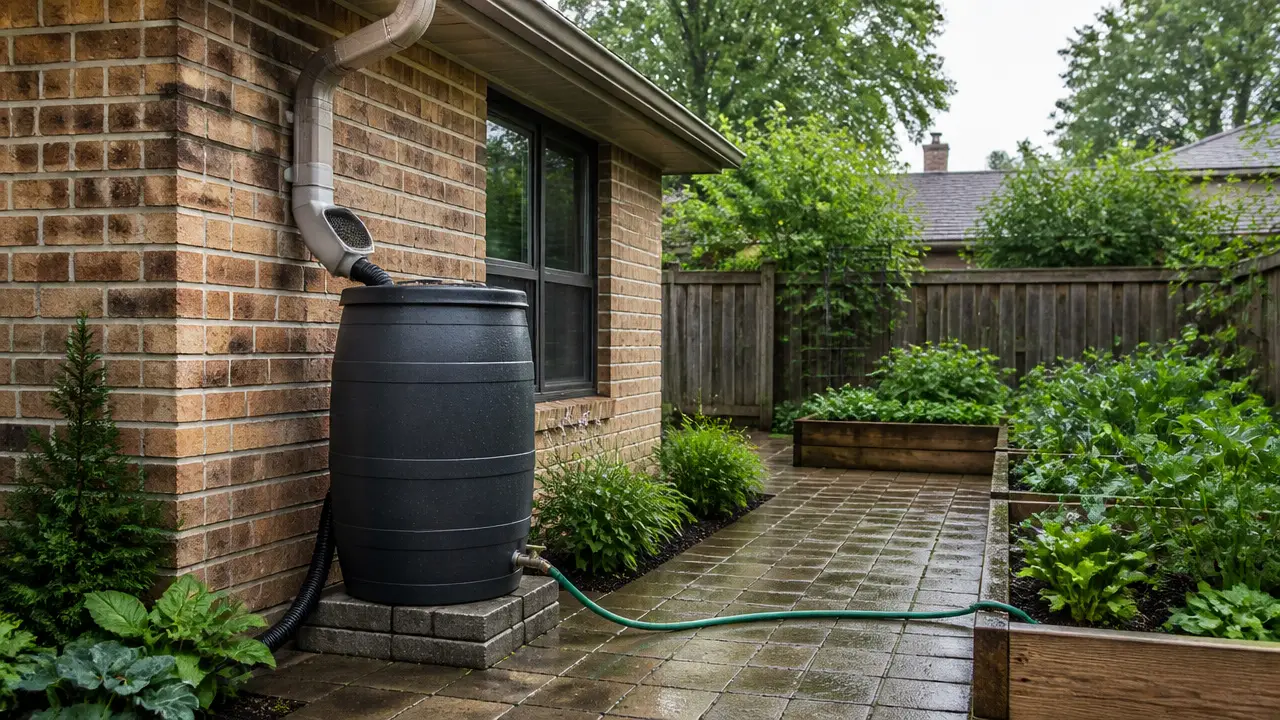
Stored rainwater can be useful for many emergency needs, but roof runoff should not automatically be treated as drinking water.
Rainwater may collect contaminants from:
- Roofing materials.
- Bird and animal droppings.
- Dust and debris.
- Gutters.
- Atmospheric pollution.
- Dirty storage tanks.
- Pumps, pipes, and fittings.
For non-potable uses such as toilet flushing or some outdoor cleaning, a stored rainwater supply may reduce demand on your drinking-water reserve.
Using rainwater for drinking is a different decision. It requires a suitable collection system, appropriate prefiltration and treatment, ongoing maintenance, and water-quality verification appropriate to the intended use. Local health and plumbing requirements may also apply.
A sediment filter by itself does not make rainwater potable. Neither does a UV unit, chlorine treatment, or home water test when used alone.
During an emergency, follow current public-health guidance for your area.
A Practical Six-Month Rotation Routine
You do not need a complicated maintenance schedule.
Every six months:
- Check the date on each self-filled container.
- Inspect the container, cap, seal, and outlet.
- Replace the stored water.
- Clean and sanitize reusable containers as needed before refilling.
- Check commercially bottled water for package dates and damage.
- Confirm that the supply still meets your household size.
- Check that containers remain cool, shaded, and separated from chemicals.
Instead of wasting rotated water, you can often use it for plants, cleaning, or another suitable non-drinking purpose if it has been stored normally and has not been contaminated.
Commercial Bottled Water vs. Filling Your Own Containers
Commercial bottled water is the simplest option for part of an emergency supply. The CDC describes unopened commercially bottled water as the safest and most reliable emergency water source.
Self-filled containers can make more sense when you need a larger supply.
Many households use both:
- Smaller sealed bottles for easy drinking and evacuation.
- Larger food-grade containers for staying at home.
Large containers are efficient, but make sure you can actually move or dispense the water. A very large container may be almost impossible to move once full.
Plan Storage Around the Water You Will Actually Need
The best emergency supply is not simply the largest tank you can fit somewhere.
Think about:
- Number of people.
- Number of days you want to cover.
- Pets.
- Hot-weather needs.
- Drinking and cooking.
- Basic hygiene.
- Whether you may need to evacuate.
- How containers will be carried or emptied.
- Whether freezing or extreme heat is possible.
For most homes, starting with a three-day supply is more useful than waiting until you can build a perfect two-week system.
Once that basic supply is in place, you can expand it gradually.
Frequently Asked Questions
Does emergency water really need to be replaced every six months?
Water that you fill into storage containers yourself should be replaced every six months according to CDC guidance. Label each container with the storage date so rotation is easy.
How long does unopened bottled water last?
Follow the expiration or best-use date printed on commercially bottled water. Keep the bottles sealed, cool, away from sunlight, and separated from chemicals. The CDC identifies unopened commercially bottled water as the safest and most reliable emergency supply.
How many gallons of emergency water should a family of four store?
The CDC's minimum of 1 gallon per person per day means a family of four needs at least 12 gallons for three days. A two-week supply would be 56 gallons. Store additional water when household needs or hot weather require it.
Can I store emergency water in milk jugs?
A purpose-made food-grade water container is a better choice. It is easier to clean, close securely, and reuse. Thin disposable beverage containers may be less durable for long-term rotation.
Can stored water go bad in a sealed container?
Properly stored water can remain usable for a long time, but contamination, container condition, heat, and handling can create problems. For self-filled emergency water, following the CDC's six-month replacement schedule is a simple way to reduce those risks.
Can I drink emergency water that has been stored for more than six months?
Age alone cannot tell you whether the water is safe. If self-filled water has passed its recommended rotation date, replacing it is the safer approach when clean water is available. If you need to use questionable water during an actual emergency, follow current local health guidance and CDC or EPA emergency-water instructions.
Can I use stored rainwater as emergency drinking water?
Do not assume stored rainwater is potable. Roof runoff can carry microorganisms, debris, metals, chemicals, and other contaminants. Drinking-water use requires an appropriate whole-system approach to collection, treatment, maintenance, testing, and local requirements.
Will boiling make any stored water safe?
No. Boiling can kill many disease-causing microorganisms, but it does not remove fuels, heavy metals, salts, or most other chemical contaminants. Water suspected of chemical contamination should not be treated as safe simply because it was boiled.