As an affiliate, we may earn a commission from qualifying purchases. We get commissions for purchases made through links on this website from Amazon and other third parties.
For most homes, the safest practical container for storing drinking water is a new container made and labeled for food-grade or potable-water use. A purpose-built, opaque plastic water tank made from potable-rated HDPE is a common choice because it is durable, does not rust, and blocks much of the light that can support algae growth.
The container is only one part of safe water storage. Clean water can become contaminated if the tank is dirty, open to insects, exposed to chemicals, or handled with dirty tools. Rainwater also does not become safe to drink simply because it is stored in a potable-rated tank.
Best Container for Drinking Water
For drinking water, look for a container that is specifically intended for storing potable water.
Potable means water intended to be safe for drinking.
A good container should have:
- Materials rated for contact with drinking water
- A tight-fitting lid
- A protected outlet or faucet
- An opening that can be cleaned
- Durable walls that will not easily crack
- Protection from sunlight
- Fittings that are also suitable for drinking water
CDC guidance recommends food-grade water storage containers when people fill their own containers for stored drinking water. It also warns against containers that previously held pesticides, bleach, petroleum products, or other toxic chemicals.
For permanent drinking-water systems, you may also see tanks and water-contact parts certified to standards such as NSF/ANSI/CAN 61. This standard addresses possible health effects from materials that contact drinking water.
Is HDPE Plastic Safe for Water Storage?
Potable-rated HDPE, or high-density polyethylene, is one of the most practical materials for water tanks.
It is commonly used because it:
- Does not rust
- Handles outdoor use well when designed for it
- Is relatively resistant to impact
- Can be made as one seamless tank
- Is available in sizes ranging from small containers to large cisterns
Many HDPE items carry recycling code #2. But the recycling symbol alone does not prove that a barrel or tank is suitable for drinking water.
Check that the actual container is made for food or potable-water storage. Its previous contents also matter.
A used #2 plastic drum that once held industrial chemicals is not a safe drinking-water tank simply because the plastic itself is HDPE.
Choose an opaque tank when possible
For larger tanks, an opaque or otherwise light-blocking container is usually better than a clear one.
Sunlight entering stored water can encourage algae growth if nutrients are present. Keeping the tank shaded and using a tank designed to limit light penetration can make water management easier.
CDC also recommends keeping stored drinking water away from direct sunlight and away from gasoline, pesticides, and other toxic materials.
What About Stainless Steel?
Stainless steel can also be an excellent water-storage material when the tank and its fittings are designed for potable water.
Advantages include:
- Strong construction
- Good resistance to physical damage
- No plastic tank wall in contact with the water
- Good light blocking
However, the word "stainless" does not automatically make every metal tank suitable for drinking water.
The grade of steel, welds, coatings, fittings, and the chemistry of the water all matter. Poorly chosen metals can corrode. Mixing incompatible metals at fittings can also create corrosion problems.
For a drinking-water system, use a tank specifically made for potable-water service rather than adapting an unknown metal container.
Is Glass the Safest Material?
Glass is chemically stable and works well for storing small amounts of water. It is not usually the safest choice for large household supplies.
Glass can:
- Break when dropped
- Crack from impact
- Be difficult to move when full
- Let light reach the water unless it is dark or protected
CDC recommends durable, unbreakable containers for emergency household water storage when suitable food-grade containers are not available.
Glass bottles can still make sense for small indoor quantities where breakage is not a major concern.
Are IBC Totes Safe for Water?
An IBC tote can work well for irrigation or other non-potable water storage, but extra care is needed before using one for drinking water.
Non-potable means the water is not intended for drinking.
Do not use an IBC tote for drinking water when you cannot confirm what it previously contained. Rinsing a tote does not prove that chemical residues have been removed from the plastic, valve, gasket, or other parts.
For drinking-water storage, a new container specifically intended for that purpose is a safer choice.
If an IBC tote is used for rainwater irrigation, also check:
- Previous contents
- Valve and fitting condition
- UV exposure
- Algae control
- Insect screening
- Overflow routing
- The strength and levelness of the base
A full 275-gallon tote holds well over a ton of water and container weight combined. Large tanks need a stable base designed to support the load.
What About Used Food Barrels?
A verified food-grade barrel may be suitable for some water-storage uses, but "food-grade" does not mean the barrel is automatically clean.
Its history still matters.
A barrel should not be used for drinking-water storage if:
- Its previous contents are unknown
- It held toxic chemicals
- The inside cannot be cleaned properly
- It has deep scratches or damage
- The lid or seals no longer close properly
Study a suitable container for storing drinking water to understand whether another test is needed for the suspected hazard.
CDC specifically advises never using water-storage containers that previously held toxic chemicals.
For drinking water, buying a new purpose-built water container removes much of this uncertainty.
The Container Must Be Kept Clean
Even a high-quality potable-water tank can contaminate clean water if it is poorly maintained.
For small household containers, CDC advises washing and sanitizing the container before filling it. Stored water should then be protected from hands, cups, dirty hoses, and other objects that could introduce germs.
A container with a small covered opening and a faucet or outlet can reduce the need to reach inside. CDC identifies this type of design as useful for protecting treated water from recontamination.
For larger tanks, plan for safe inspection and cleaning without creating a confined-space hazard. Do not enter a cistern or large enclosed tank unless the work is being handled under appropriate confined-space safety procedures.
Does a Safe Tank Make Rainwater Safe to Drink?
No.
A potable-rated tank helps prevent the storage container itself from adding unwanted contaminants. It does not remove contaminants that entered the water before storage.
Roof runoff can pick up:
- Bird and animal waste
- Dust and soil
- Leaves and organic matter
- Roofing residues
- Airborne contaminants
- Microorganisms
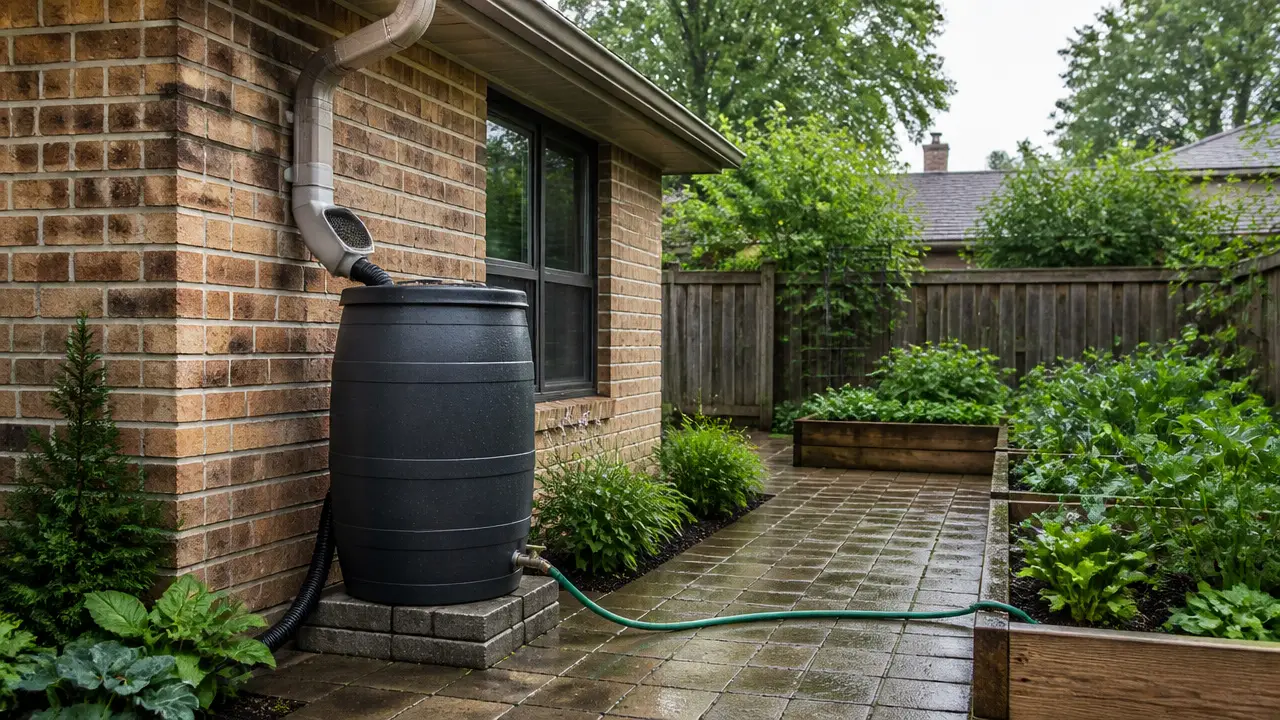
A rainwater system may therefore need screens, debris removal, a first-flush arrangement, filtration, treatment, and suitable maintenance depending on the intended use.
A first flush is a device or arrangement that diverts some of the first roof runoff from a storm so that part of the accumulated roof debris does not enter the main tank.
If harvested rainwater will be used for drinking, cooking, brushing teeth, or other potable purposes, treat it as a whole water-safety system. The collection surface, tank, plumbing, treatment equipment, maintenance, and current laboratory testing all matter. Applicable health and plumbing requirements should also be checked.
CDC notes that cisterns may hold untreated catchment water and that environmental contamination can make that water unsafe to drink.
Best Containers by Water Use
| Water use | Practical container choice |
|---|---|
| Stored drinking water | New food-grade or potable-water container with a tight lid |
| Large potable-water system | Tank specifically rated for drinking-water service, with suitable certified water-contact components |
| Rainwater for garden irrigation | Clean, durable tank or barrel compatible with outdoor water storage |
| Rainwater that may become potable | Potable-rated tank as one part of a complete collection, treatment, testing, and maintenance system |
| Short-term indoor storage | Food-grade plastic container or suitable glass container |
| Large outdoor storage | Opaque, UV-resistant water tank on a properly designed base |
For drinking water, the safest choice is not simply "plastic versus metal." What matters more is whether the whole container and its water-contact parts are designed for potable use.
Containers to Avoid
Do not store drinking water in containers that:
- Previously held pesticides or herbicides
- Held fuels, oils, solvents, or petroleum products
- Held bleach or other strong chemicals
- Have an unknown previous use
- Cannot be cleaned properly
- Have damaged lids or seals
- Are not designed to hold liquids
- Are deteriorating from sunlight or age
Do not rely on smell alone. A container can appear clean while still having residues you cannot see.
For rainwater used only on ornamental plants or other non-potable applications, the requirements may be less strict. Even then, avoid containers that could release harmful chemicals into the water, soil, or drainage system.
Where You Store the Container Matters Too
A safe container can still develop problems when it is stored badly.
Keep drinking-water containers:
- In a cool location when practical
- Out of direct sunlight
- Away from gasoline, pesticides, paints, and chemicals
- Closed when not being filled or used
- Protected from insects and animals
CDC currently recommends these precautions for household stored water. For water filled into household storage containers for emergency use, CDC also recommends replacing it every six months.
Large rainwater tanks have different operating conditions because water is regularly entering and leaving the system. Their maintenance schedule should be based on the tank, catchment, water quality, and intended use rather than applying the six-month emergency-storage recommendation directly.
Frequently Asked Questions
What is the safest plastic container for drinking water?
A new plastic container specifically labeled or certified for food-grade or potable-water use is the safest practical choice. Potable-rated HDPE is commonly used. Do not assume that any plastic barrel is safe based only on its recycling number.
Is a blue plastic barrel safe for drinking water?
Color does not tell you whether a barrel is safe. Check its material, intended use, condition, and previous contents. A blue barrel with an unknown history should not be assumed safe for drinking water.
Can I store water in a 5-gallon bucket?
Yes, if the bucket is designed for food or potable-water contact, has a secure lid, is clean and sanitized, and has never contained harmful chemicals. A purpose-built water container with a narrow opening or dispensing outlet can reduce contamination during use.
Is stainless steel safer than plastic for drinking water?
Not automatically. Potable-rated stainless steel and potable-rated plastic can both be suitable. The safest choice depends on the complete tank, fittings, seals, water chemistry, installation, and certification or manufacturer-designated use.
Can I use a used IBC tote for drinking water?
It is safer to use a new potable-water container. Do not use an IBC tote for drinking water if its previous contents cannot be confirmed or if it previously held toxic chemicals.
How long can water be stored in a container?
For household emergency water that you fill yourself, CDC currently recommends replacing the stored water every six months. Large cisterns and continuously used water-storage systems require a different maintenance plan based on how water enters, leaves, and is treated.
Is rainwater safe to drink if it is stored in a food-grade tank?
No. A food-grade or potable-rated tank only addresses part of the system. Roof runoff can contain germs, debris, and chemicals. Drinking-water use requires suitable collection, treatment, maintenance, current water-quality testing, and compliance with applicable local requirements.