As an affiliate, we may earn a commission from qualifying purchases. We get commissions for purchases made through links on this website from Amazon and other third parties.
Spin-down sediment filters can be worth it when your rainwater system carries visible grit, roof debris, sand, rust flakes, or other heavy particles. They are especially useful before pumps, irrigation valves, cartridge filters, and other parts that can clog.
But a spin-down filter is not a complete water treatment system. It mainly removes larger particles. It does not make collected rainwater safe to drink, and it will not reliably remove dissolved chemicals, microorganisms, very fine sediment, or odors.
What Is a Spin-Down Sediment Filter?
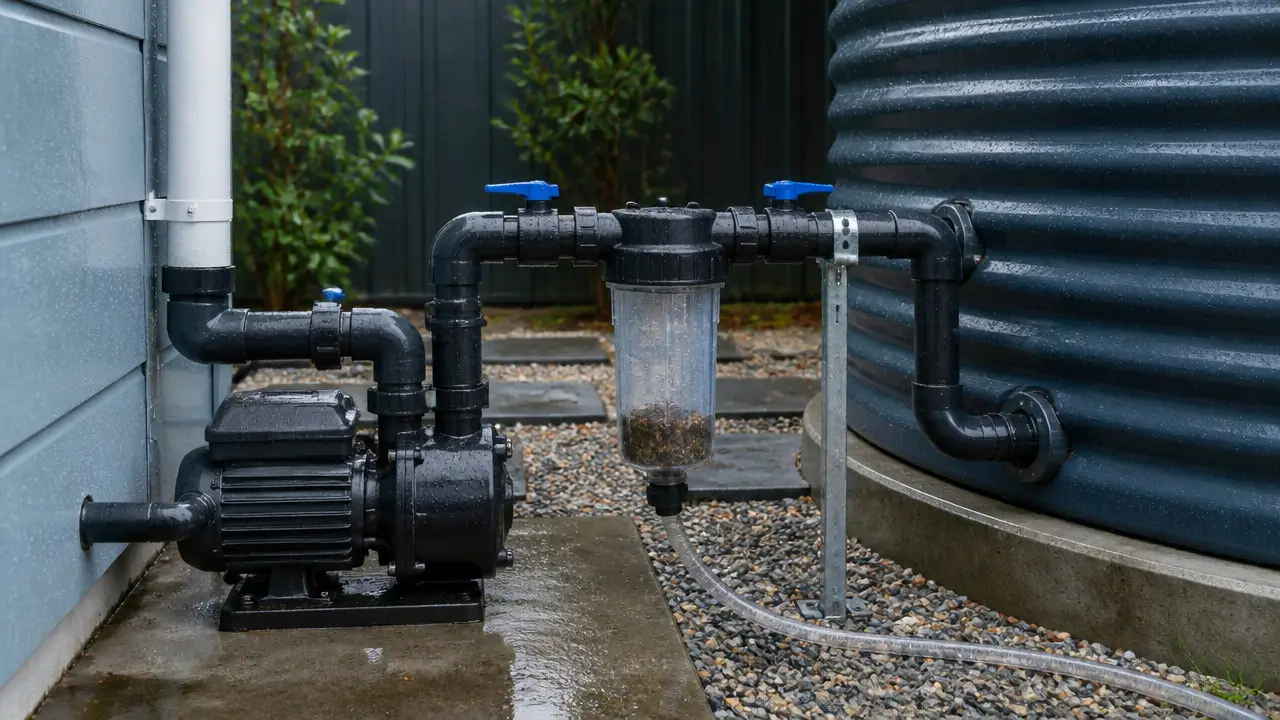
A spin-down sediment filter is a reusable prefilter installed in a water line. Water enters the housing and passes through a mesh screen. Larger particles stay behind while the water continues through the system.
Many models have a clear bowl so you can see the collected sediment. A valve at the bottom lets you flush that material out without replacing the screen.
These filters are often installed between a rainwater tank and:
- A pump
- An irrigation system
- A finer cartridge filter
- A pressure tank
- Household non-potable plumbing
They may also be used on well-water systems and other water supplies that carry visible sediment.
When a Spin-Down Filter Is Worth Having
A spin-down filter makes the most sense when your main problem is relatively large debris.
Your Tank Sends Sediment Into the Water Line
Even a well-designed rainwater tank can collect some sediment over time. Small particles may enter from the roof, gutters, insects, dust, or deteriorating roofing materials.
Some of this material settles at the bottom of the tank. If the outlet or pump intake pulls water from a dirty area, sediment can enter the plumbing.
A spin-down filter can catch part of that material before it reaches smaller passages downstream.
You Want to Protect an Irrigation System
Drip irrigation emitters and small sprinkler openings can clog easily.
A spin-down filter can be useful when rainwater contains particles large enough to block these openings. The correct screen size depends on the irrigation equipment and the amount of sediment in the water.
The filter still needs enough surface area to support your required flow rate.
Flow rate means how much water moves through the system during a set period, such as gallons per minute.
You Want to Protect a Finer Filter
Cartridge filters can clog quickly when they receive dirty water.
Installing a washable spin-down filter before a finer cartridge can remove larger debris first. This may reduce how often the cartridge becomes loaded with sediment.
Think of the spin-down unit as a first sediment stage rather than the final filter.
You Have a Pumped Rainwater System
Pumps, valves, pressure switches, and appliances generally benefit from cleaner water.
A spin-down filter can help prevent larger particles from reaching downstream equipment. However, its location matters.
A filter installed on the suction side of a pump can create flow restriction as it becomes dirty. Some pump systems are better served by filtering on the discharge side. Follow the pump manufacturer's requirements and avoid creating excessive suction resistance.
When a Spin-Down Filter May Not Help Much
Spin-down filters are not ideal for every sediment problem.
Your Water Contains Mostly Fine Silt
A mesh screen may catch large particles while fine cloudy material passes through.
For example, water that looks slightly muddy even after the tank has been undisturbed may contain particles much smaller than the screen openings.
A finer cartridge or another treatment stage may be needed if removing that material is important for the intended use.
You Rarely Get Sediment
If your rainwater system already has good roof screening, gutter guards, first-flush management, tank inlet screening, and a clean outlet arrangement, there may be little sediment reaching the water line.
In that situation, adding another housing, valve, and connection may provide limited benefit.
Your Main Concern Is Drinking-Water Safety
A spin-down filter does not determine whether rainwater is potable.
Potable means suitable for drinking.
Roof runoff can contain microorganisms, animal waste, roofing contaminants, dust, and other pollutants that are not removed simply by passing water through a sediment screen.
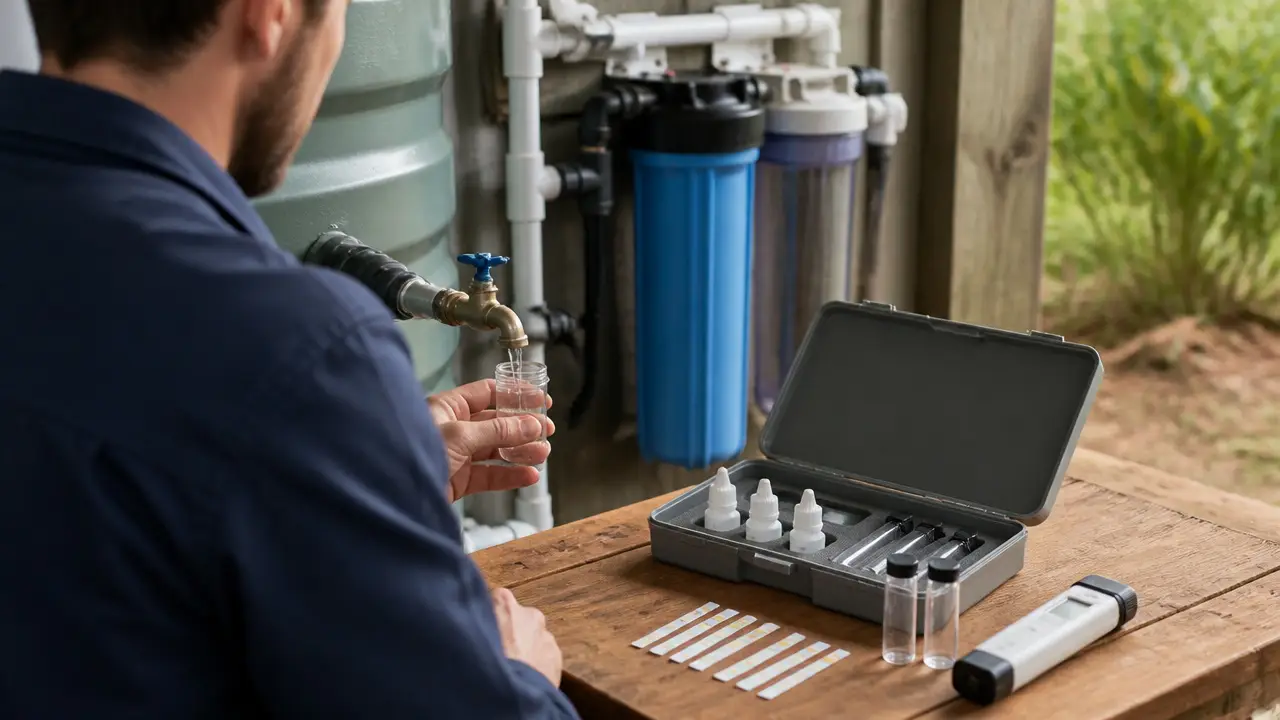
If rainwater will be used for drinking, treatment should be planned as a complete system. That can include suitable collection practices, prefiltration, additional treatment stages, current laboratory testing, ongoing maintenance, and compliance with applicable local requirements.
Spin-Down Filters vs. Cartridge Filters
The two filter types do different jobs.
| Feature | Spin-down filter | Cartridge sediment filter |
|---|---|---|
| Main purpose | Catch larger sediment | Catch finer sediment |
| Filter element | Usually washable screen | Usually replaceable cartridge |
| Cleaning | Flush and periodically clean | Replace or clean depending on cartridge |
| Good for heavy grit | Often | Can clog quickly |
| Good for very fine sediment | Limited | Often better with the right cartridge |
| Waste generated | Low | Used cartridges may need replacement |
| Typical position | Early sediment stage | After coarse prefiltration |
Many rainwater systems can use both.
The spin-down filter removes larger particles first. A finer cartridge downstream handles smaller sediment.
This staged approach can reduce the workload on the finer filter.
Understanding Micron Ratings
Sediment filters are often described by their micron rating.
A micron is one-thousandth of a millimeter. Smaller micron numbers generally indicate smaller openings or finer filtration.
For example, a coarse screen may allow particles through that a much finer cartridge would catch.
However, choosing the smallest micron rating is not always better.
A very fine screen can:
- Clog faster
- Reduce flow
- Require more frequent cleaning
- Increase pressure loss
Choose filtration based on what you need to protect downstream and the type of sediment actually present.
Planning around practical considerations for a spin-down filter worth it helps assess testing methods and treatment stages matched to the final use.
Do not assume a micron number means a filter removes microorganisms or makes water safe to drink. Treatment performance depends on far more than nominal screen size.
Watch the Flow and Pressure
Every filter creates some resistance to water flow.
A clean spin-down filter may cause little noticeable restriction in a properly sized system. As debris builds up, the restriction can increase.
This matters when supplying:
- Irrigation zones
- Hose bibs
- Pumps
- Pressure tanks
- Toilets
- Washing machines
- Other household non-potable fixtures
Before installing one, check that the filter is suitable for the system's connection size, expected flow, and operating pressure.
Using a small filter on a high-flow line can create unnecessary pressure loss.
Where Should a Spin-Down Filter Go?
The best location depends on the system.
A common arrangement for a pumped rainwater system is:
Tank → pump → coarse sediment filter → finer filtration as needed → intended use
That arrangement keeps the filter from restricting the pump's suction line.
Some systems use filtration before the pump, but suction-side filters require careful sizing and maintenance. A clogged filter can starve the pump of water and contribute to poor performance or damage.
For gravity-fed systems, the available pressure may already be low. Adding a restrictive filter can make flow even weaker.
A Spin-Down Filter Does Not Replace Good Tank Design
Filtering sediment after it leaves the tank is useful, but preventing debris from entering the system is better.
A rainwater setup may also benefit from:
- Gutter and inlet screening
- Suitable tank inlet screens
- First-flush management where appropriate
- A covered, opaque storage tank
- An overflow that keeps pests out
- An outlet positioned away from settled sludge
- Periodic inspection and cleaning
A first flush device diverts or manages some of the initial roof runoff, which can contain more accumulated dust and debris than later rainfall.
The exact collection setup should match your roof, climate, intended use, and maintenance routine.
Maintenance Is the Main Tradeoff
Spin-down filters are reusable, but they are not maintenance-free.
The screen needs to be flushed before sediment buildup seriously restricts flow.
How often you need to do that depends on:
- Roof debris
- Tank cleanliness
- Sediment size
- Rainfall patterns
- Water use
- Filter size
- Screen fineness
A clear housing can make inspection easier because you can see accumulated debris.
Flushing the valve may remove loose sediment, but the screen can still develop a coating that requires periodic removal and cleaning according to the manufacturer's instructions.
Check seals and fittings when servicing the filter. A poorly seated O-ring or loose connection can leak when the system is repressurized.
Can a Spin-Down Filter Freeze?
Yes.
Any water-filled filter housing can be damaged by freezing conditions. Water expands when it freezes and can crack housings, valves, or fittings.
If the filter is installed where freezing is possible, include it in the system's freeze-protection or seasonal draining plan.
Do not assume wrapping the housing alone will guarantee freeze protection.
How to Decide Whether You Need One
A spin-down filter is usually worth considering if you can see sediment entering your water line or if downstream equipment repeatedly clogs.
Before buying or installing one, identify:
- What is in the water. Large grit and debris are better targets than very fine cloudiness.
- What you are protecting. Irrigation emitters, pumps, valves, and finer filters may have different needs.
- Required flow. The filter must handle your normal water demand without excessive restriction.
- Connection size. Make sure fittings match your existing pipe or hose setup.
- Operating pressure. Confirm the housing is suitable for the pressure it will experience.
- Cleaning access. Install it where you can see, flush, and service it without difficulty.
- Freeze exposure. Outdoor installations need suitable seasonal planning in cold climates.
If your only goal is removing occasional grit before irrigation or finer filtration, a spin-down filter can be a simple and useful addition.
If you are trying to solve cloudy water, contamination, drinking-water safety, or a complicated pressure problem, it should be only one part of a broader system plan.
Frequently Asked Questions
Do spin-down sediment filters really work?
Yes, they can work well for larger suspended particles such as grit, sand, rust flakes, and some tank sediment. Their effectiveness depends on the screen size and the type of particles in the water. Fine silt may pass through.
Are spin-down filters good for rainwater?
They can be. Rainwater systems may carry roof debris and tank sediment that a spin-down filter can catch before the water reaches irrigation equipment, pumps, valves, or finer filters.
Can a spin-down filter make rainwater drinkable?
No. A sediment screen does not make roof-collected rainwater potable. Drinking-water use requires a complete treatment and monitoring approach appropriate to the water source and local requirements.
Should a spin-down filter go before or after the pump?
Many pumped systems place coarse filtration after the pump to avoid restricting the pump's suction line. Some systems are designed differently. Follow the pump manufacturer's requirements and make sure any suction-side filter is properly sized and maintained.
How often should I flush a spin-down filter?
There is no single schedule that fits every rainwater system. Inspect it regularly and flush it before buildup causes noticeable flow or pressure loss. Dirty tanks or debris-heavy roofs may require much more frequent cleaning.
Is a smaller micron rating always better?
No. A finer screen catches smaller particles but usually clogs faster and can restrict flow more. Choose the filtration level based on the sediment present and the needs of downstream equipment.
Do I still need a cartridge filter after a spin-down filter?
Possibly. A spin-down filter is mainly a coarse sediment stage. If you need to remove smaller particles, a properly selected cartridge filter may be useful downstream.
Are spin-down filters worth it for garden irrigation?
They often are when collected rainwater contains debris that could clog emitters or small sprinkler passages. Make sure the filter can handle the irrigation system's required flow and use a screen size appropriate for the equipment.