As an affiliate, we may earn a commission from qualifying purchases. We get commissions for purchases made through links on this website from Amazon and other third parties.
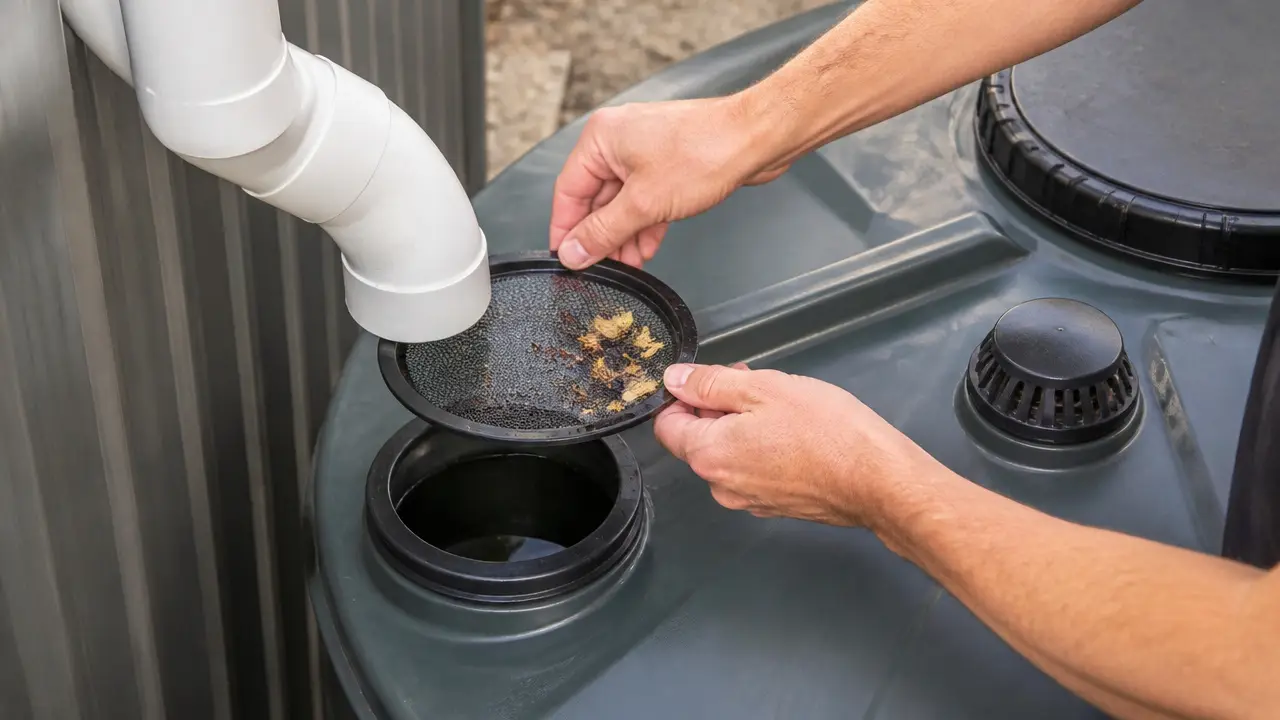
A rain barrel does not always need a fine water filter, but it should have some form of screening before water enters the barrel. A simple inlet screen helps keep out leaves, twigs, insects, and other large debris.
Whether you need more filtration depends on how you plan to use the water. Water for garden beds may need only basic screening. Water going through drip irrigation, a pump, or small nozzles usually needs better filtration to prevent clogs.
Rain barrel water should not be assumed safe to drink. Making roof runoff potable requires a much more complete collection, treatment, testing, and maintenance system.
What Kind of Filter Does a Rain Barrel Need?
For most basic rain barrels, start with a debris screen rather than a fine filter.
A typical setup may include:
- A gutter or downspout that carries water from the roof.
- A screen that catches leaves and larger debris.
- The rain barrel.
- An overflow outlet.
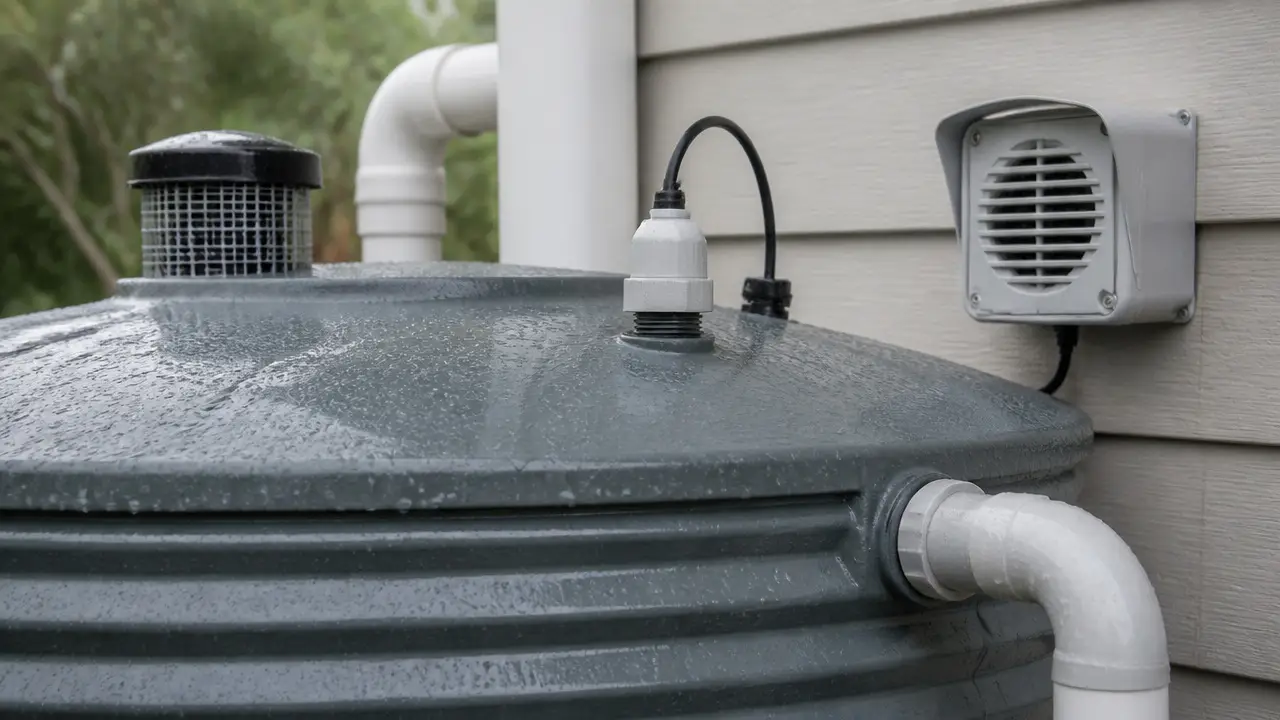
- A screened vent or other mosquito-resistant openings.
The screen protects the barrel without greatly restricting incoming water.
A fine filter is usually added only when the way you use the stored water requires it.
When a Simple Screen Is Enough
Basic screening is often enough when you use rain barrel water for tasks such as:
- Watering garden beds with a watering can
- Filling buckets
- Hand watering through a large hose opening
- Other outdoor uses that do not rely on small nozzles
Even in these systems, keeping debris out matters.
Leaves and roof debris can settle at the bottom of the barrel. As they break down, they can create sediment, odors, and more cleaning work.
A screen will not keep every small particle out, but it can greatly reduce the amount of material entering the barrel.
When You Should Add a Filter
Additional filtration becomes more useful when the water must pass through equipment with small passages.
Drip irrigation
Drip irrigation emitters have narrow openings that can clog with sediment.
If your rain barrel supplies a drip system, place a suitable irrigation filter upstream of the drip lines.
Filters are often described by a micron rating or mesh size. A micron is a very small unit of measurement. A lower micron rating means the filter catches smaller particles.
The correct filtration level depends on the irrigation equipment. Follow the requirements for your emitters rather than choosing the finest filter available.
A filter that is too restrictive can reduce flow, especially in a gravity-fed rain barrel system where water pressure is already low.
Soaker hoses
Soaker hoses are generally less sensitive than small drip emitters, but sediment can still build up inside them.
A basic irrigation filter can help if your barrel contains a noticeable amount of sediment.
Spray nozzles and sprinklers
Small spray openings may also clog.
Filtering the water before it reaches these devices can reduce cleaning and improve water flow.
Pumps
A pump should not be expected to handle leaves, grit, or heavy sediment.
A coarse intake screen or strainer can help protect the pump from larger debris. Some systems may also use additional filtration downstream.
Do not install a very fine filter on the suction side of a pump unless the pump manufacturer allows it. A restricted inlet can reduce water supply to the pump and may cause poor performance or damage.
A Rain Barrel Screen and a Water Filter Are Not the Same Thing
The terms can be confusing.
A screen mainly catches larger material such as:
- Leaves
- Pine needles
- Twigs
- Insects
- Roof debris
A sediment filter catches smaller particles suspended in the water.
Neither one disinfects the water.
They do not reliably remove all bacteria, viruses, dissolved chemicals, or other contaminants that may wash from a roof.
That distinction matters because roof runoff can pick up bird and animal waste, dust, roofing material, airborne pollution, and other contaminants before it reaches the barrel.
Should You Use a First-Flush Diverter?
A first-flush diverter sends away some of the first runoff from a rainfall event instead of putting it into the barrel.
The beginning of a rain event can carry a larger amount of dirt and debris that collected on the roof between storms.
A first-flush device can reduce the contamination load reaching storage, but it is not a replacement for screening, filtration, treatment, or maintenance.
Whether one is worthwhile depends on your roof, intended water use, local conditions, and the design of your collection system.
Keep Mosquitoes Out of the Barrel
Filtering debris is only part of inlet protection.
Openings should also be designed to keep mosquitoes from entering the stored water.
Pay attention to:
- The main inlet
- Overflow pipes
- Vents
- Gaps around the lid
- Any unused openings
Use suitable screening and make sure it remains securely attached.
Check screens regularly. Torn, loose, or clogged screens cannot do their job.
Do Not Make the Filter Too Fine
It can be tempting to use the finest filter you can find. That can create another problem.
Consider whether to filter the water in the rain barrel is necessary to interpret which contaminant-specific test should come next.
Rain can enter a barrel quickly during a heavy storm. A fine filter may not pass water fast enough.
When the filter becomes covered with leaves or sediment, flow can slow even more. Water may then back up in the gutter or spill around the barrel inlet.
For the collection side of a basic rain barrel, a coarse and easy-to-clean screen is often more practical than very fine filtration.
Fine filtration is usually better placed where it is actually needed, such as before drip irrigation equipment.
Where Should the Filter Go?
There can be more than one filtration point in a rainwater system.
Before the barrel
Use screening before storage to keep large debris out.
This reduces the amount of material that settles in the barrel.
At the barrel outlet
An outlet screen or strainer can stop larger particles from entering a hose or irrigation line.
Keep in mind that debris may collect against the screen and reduce flow.
Before irrigation equipment
This is often the best location for a finer irrigation filter.
It protects the equipment that actually needs cleaner water while avoiding unnecessary restriction at the rain barrel inlet.
A system might therefore look like:
Roof → gutter → debris screen → rain barrel → irrigation filter → drip lines
The exact arrangement depends on how the barrel connects to the rest of the system.
Filters Still Need Cleaning
A filter does not remove the need for maintenance. It creates another place where debris collects.
Inspect your screening and filters periodically and after storms that carry a lot of leaves or roof debris.
Look for:
- Clogged screens
- Leaves around the inlet
- Sediment inside filter housings
- Reduced water flow
- Damaged mosquito screening
- Sediment collecting in the barrel
Clean components according to their design.
The barrel itself will also need occasional cleaning because some fine sediment will usually get through the screening.
Does Filtering Make Rain Barrel Water Safe to Drink?
No. A standard rain barrel filter does not make roof runoff safe to drink.
Potable water means water suitable for drinking. Non-potable water means water that is not intended for drinking.
Most simple rain barrels are used for non-potable purposes.
Drinking-water treatment is a whole-system issue. It may require appropriate collection materials, contamination control, prefiltration, properly designed treatment stages, disinfection, current laboratory testing, careful maintenance, and compliance with applicable local requirements.
A sediment filter alone cannot establish that rainwater is potable.
If you plan to supply drinking water from collected rainwater, get guidance from qualified water-treatment professionals and the relevant local health or building authority.
Choosing the Right Setup
Match the filtration to what happens after the rain barrel.
For simple hand watering, start with a good inlet screen and protected openings.
For drip irrigation or small spray equipment, add an irrigation filter that matches the equipment requirements.
For pumped systems, protect the pump from debris without creating excessive inlet restriction.
Most importantly, do not treat filtration as a substitute for keeping the roof, gutters, barrel, screens, and plumbing maintained. Keeping contamination out of the system is usually easier than trying to remove it later.
Frequently Asked Questions
Can I use a rain barrel without a filter?
You can use a rain barrel without a fine filter, but the inlet should normally have a screen to keep out leaves, insects, and other large debris. Additional filtration depends on how you use the water.
Do I need a filter for watering plants from a rain barrel?
Not always. If you use a watering can or open hose, basic debris screening may be enough. Drip irrigation and small nozzles are more likely to need a finer irrigation filter.
Will a rain barrel filter stop mosquitoes?
A suitable fine screen over barrel openings can help prevent mosquitoes from entering. A typical sediment filter alone does not protect every opening, so the inlet, overflow, vents, and lid gaps also need attention.
Can I put a filter inside my rain barrel?
Some systems use screens or strainers near the outlet, but they can clog and reduce flow. It is usually better to keep large debris out before storage and place finer filtration close to equipment that needs it.
Does a filter keep rain barrel water clean?
A filter can reduce certain types of debris and sediment, but it does not keep the water completely clean or remove every contaminant. Regular barrel, gutter, screen, and filter maintenance is still needed.
Do I need a filter before a rain barrel pump?
The pump should be protected from debris, but the correct arrangement depends on the pump. Avoid placing a highly restrictive filter on the pump inlet unless the manufacturer permits it.
Does filtering rain barrel water make it drinkable?
No. Ordinary screens and sediment filters do not make roof runoff safe to drink. Potable rainwater systems require appropriate collection, treatment, testing, maintenance, and compliance with applicable local requirements.