As an affiliate, we may earn a commission from qualifying purchases. We get commissions for purchases made through links on this website from Amazon and other third parties.
Yes. A rain barrel should normally be covered with a secure lid or other fitted top. The cover helps keep out mosquitoes, leaves, animals, and other debris. It also makes the barrel safer around children and pets.
A good cover does not mean sealing every opening. Water still needs a screened way to enter, and the barrel needs a properly sized overflow. Any opening that mosquitoes could use should be protected with a tight-fitting screen or fitting.
Why Rain Barrels Should Be Covered
An open rain barrel is simply a container of standing water. That creates several avoidable problems.
Mosquitoes Can Reach the Water
Mosquitoes can lay eggs in standing water. The CDC advises keeping a tight lid on water-storage containers such as rain barrels. Containers without lids should have mesh small enough to keep adult mosquitoes out.
The important part is protecting every path into the barrel, not just the large opening on top.
Check:
- The main lid
- The downspout inlet
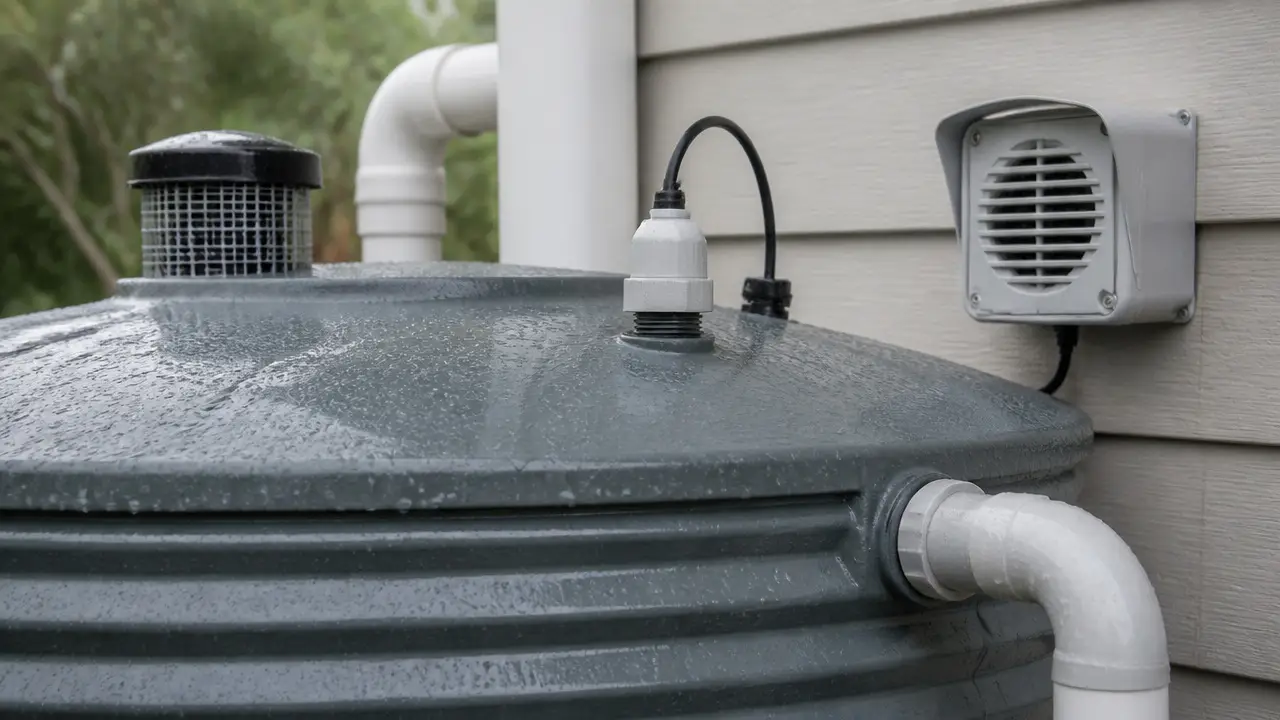
- Screened vents
- Overflow openings
- Gaps around hoses or pipes
- Unused connection holes
A covered barrel can still become accessible to mosquitoes if the overflow pipe is wide open or the inlet screen pulls away from the barrel.
EPA rainwater-harvesting guidance also recommends screens at the barrel and downspout to keep debris and insects out.
A Cover Keeps Out Leaves and Debris
Roof runoff can carry leaves, needles, seeds, insects, and bits of roofing material. A cover prevents additional material from falling directly into the barrel.
However, the lid should not be your main debris filter.
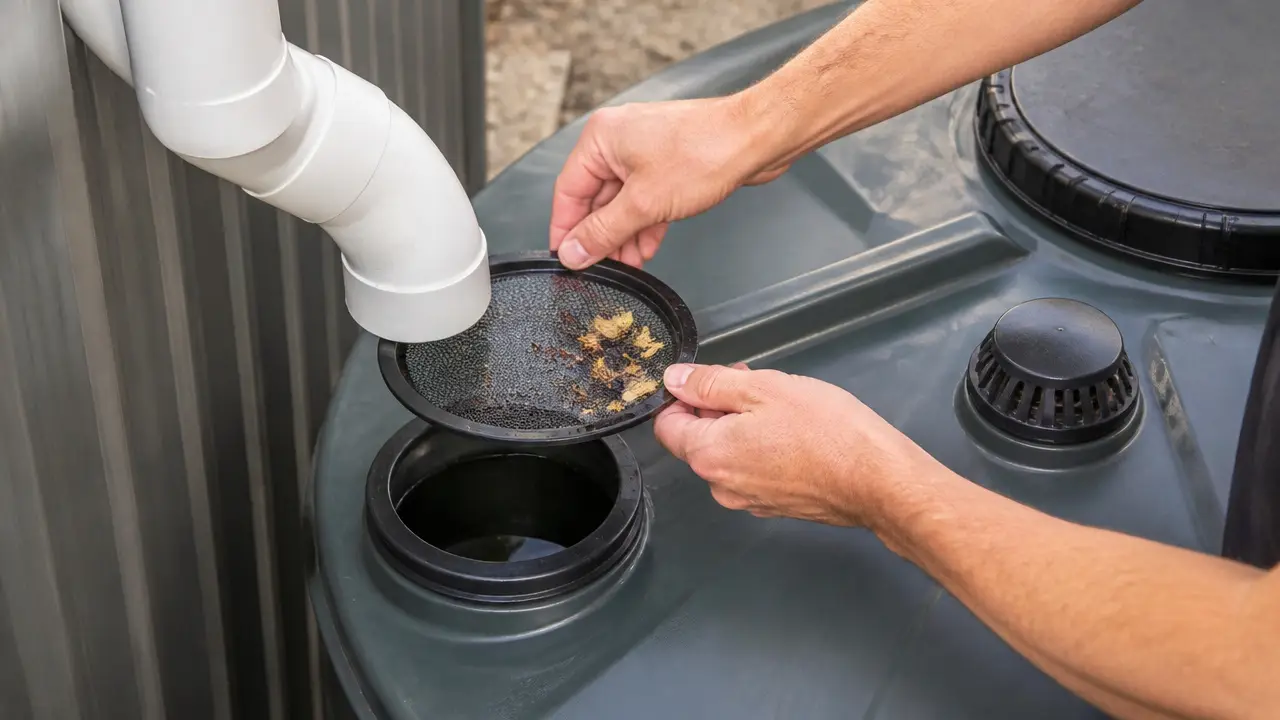
A screen or other prefilter should remove larger material before it enters storage. Keeping debris out reduces sludge at the bottom of the barrel and makes cleaning easier.
Gutters should also be kept reasonably clean. A covered barrel cannot compensate for a gutter filled with decomposing leaves.
It Reduces Animal Access
Birds, rodents, frogs, and other small animals may be attracted to accessible water. A secure cover makes it harder for them to enter or fall into the barrel.
Make sure the cover cannot easily be pushed aside. A loose board placed over an open barrel is not the same as a fitted lid.
It Makes the Barrel Safer
A full rain barrel can hold a large amount of water. Its opening should not be accessible to children.
Use a lid that is securely attached or difficult to remove accidentally. Also make sure the barrel itself stands on a firm, level base. A cover does not solve the tipping risk of an unstable barrel.
Should a Rain Barrel Be Completely Sealed?
Usually, no.
The goal is a closed and screened system, not necessarily an airtight container.
Rainwater must be able to enter as the barrel fills. Air also needs somewhere to go. When water is drawn from the barrel, air needs to replace the volume of water leaving.
Some barrels handle this through the inlet or overflow arrangement. Others use a separate screened vent.
Do not block a vent simply because you want to keep insects out. Instead, protect the vent with suitable insect screening.
A barrel also needs an overflow that can carry excess water away when the barrel becomes full. Never rely on a tightly sealed lid to contain overflow. Water backing up into the downspout can cause leaks or send water toward places you do not want it.
Screen the Inlet as Well as Covering the Barrel
The inlet is one of the most important parts of the system.
If a downspout simply empties through a large open hole in the lid, mosquitoes and debris may still have access to the stored water.
A better arrangement uses a fitted inlet with a screen or debris-filtering device. EPA guidance notes that rainwater systems commonly use screens or filters to keep leaves and debris from entering storage and can be configured to prevent insect access.
Inspect this screen regularly. Fine material can collect on it and slow the flow during heavy rain.
A clogged inlet may cause water to spill over the barrel or back up in the gutter system.
Do Not Forget the Overflow
The overflow is easy to overlook.
When the barrel fills, excess rainwater needs a controlled path out. The overflow should have enough capacity for the amount of water reaching the barrel during rainfall.
It should also:
- Direct water away from the building foundation
- Stay free of leaves and sediment
- Be securely connected
- Prevent easy insect entry
Depending on the design, this may mean using a screened fitting or another mosquito-resistant connection.
Do not install a very fine screen that repeatedly clogs and prevents the overflow from working. The system has to balance insect protection with reliable drainage.
Does Covering a Rain Barrel Stop Algae?
It can help, especially when the barrel itself also blocks sunlight.
Algae need light to grow. An opaque barrel with a fitted lid usually limits light much better than a clear or translucent container.
Alongside practical steps for making a rain barrel cover, assess vessel capacity and fittings within the available space.
A lid alone may not solve the problem if sunlight passes through the barrel walls.
If you can clearly see light through an empty plastic barrel, algae may still grow inside once water is stored.
Keeping sunlight out is generally more useful than trying to clean algae from the barrel repeatedly. Still, even a dark, covered barrel will eventually collect fine sediment and organic material, so periodic cleaning is still needed.
A Cover Does Not Make Rainwater Clean or Drinkable
Covering a barrel improves the storage setup, but it does not make roof runoff safe to drink.
Rainwater can pick up bird and animal waste, microorganisms, dust, roofing residues, and other contaminants as it moves across a roof. EPA specifically notes that roof runoff can contain bacteria from animals and chemicals from roof materials.
Typical rain barrels are best treated as non-potable systems. Non-potable means the water is not intended for drinking.
If collected rainwater will be used as household drinking water, covering the tank is only one small part of the system. Safe potable use requires suitable collection materials, prefiltration, appropriate treatment, current laboratory testing, regular maintenance, and compliance with applicable local requirements.
Do not assume a screen, sediment filter, UV unit, home test strip, or other single treatment step makes rainwater safe to drink.
What About Rain Barrels Used for Garden Watering?
A covered barrel is still worthwhile when the water is only used for irrigation.
For a simple garden setup, concentrate on four things:
- Keep insects and large debris out.
- Make sure the overflow works freely.
- Keep the barrel stable and protected from damage.
- Clean screens, gutters, and accumulated sediment as needed.
Using stored water regularly can also help keep the barrel ready for the next storm. EPA rainwater-harvesting guidance recommends regularly using collected water between rain events so storage capacity is available again.
If you connect a hose or drip-irrigation line, remember that covering the barrel does not prevent small particles from reaching the outlet. A suitable screen or irrigation filter may still be needed to prevent emitters from clogging.
Should You Put a Separate Roof or Shelter Over the Barrel?
Usually, the barrel's own secure lid is the important cover.
A small shelter or shade structure can still be useful if it protects a plastic barrel from strong sunlight or keeps additional debris away from the system. But it should not replace a fitted lid.
Leaving an open barrel under a porch roof, shed roof, or tarp does not provide the same insect protection.
If you add a shelter, make sure it does not interfere with:
- The downspout
- The overflow
- Cleaning access
- Inspection of screens
- Removal of the lid when maintenance is needed
The barrel also needs to remain accessible enough that you can check for leaks and sediment.
What About Winter?
In freezing climates, the cover is only part of winter protection.
Water expands when it freezes. A full barrel, trapped water in fittings, or frozen hoses can damage the barrel and plumbing.
Many small rain barrels are disconnected, drained, and stored or bypassed before freezing weather. EPA guidance for seasonal systems recommends disconnecting, emptying, and cleaning rain barrels where winter freezing is a concern.
Follow the requirements for your particular barrel and climate rather than assuming a lid will protect stored water from freezing.
What a Good Rain Barrel Cover Should Do
You do not need a complicated cover. You need one that works with the rest of the system.
A practical setup should have a secure lid, screened water entry, protected ventilation where needed, and a dependable overflow. The cover should also be removable when you need to inspect or clean the barrel.
Check the system after storms. Leaves can clog screens, fittings can loosen, and insects may find surprisingly small openings.
The general rule is simple: keep the stored water enclosed while giving incoming rain, outgoing air, and overflow water controlled paths through the system.
Frequently Asked Questions
Can I leave a rain barrel open if I use the water often?
It is better to keep it covered. Even water stored for a short time can attract mosquitoes, and an open barrel allows leaves, animals, and other debris to enter.
Is a mesh screen enough instead of a solid lid?
A well-fitted mosquito-resistant screen can protect an opening, but a secure solid lid usually gives better protection against debris, animals, and accidental access. Many systems use both a lid and screened inlet or vent openings.
Should the downspout go through the rain barrel lid?
It can, but the connection should be designed so debris and mosquitoes cannot freely enter around the pipe. A screened or otherwise protected inlet is preferable to a large open hole.
Should the rain barrel overflow be covered too?
The overflow should be protected against insect entry while remaining large enough and clear enough to carry excess water safely. Do not block or restrict it so much that the barrel cannot overflow properly.
Does a black or dark rain barrel still need a cover?
Yes. Dark walls help block sunlight and may reduce algae growth, but they do not prevent mosquitoes, debris, or animals from entering through an open top.
Can I put a tarp over a rain barrel?
A tarp can provide extra shade, but it is not a good substitute for a fitted lid. Loose tarps can collect water themselves, blow away, or leave openings around the barrel.
Does covering a rain barrel make the water safe to drink?
No. A cover only helps protect stored water from some sources of contamination. Roof runoff can already contain microorganisms and other contaminants before it reaches the barrel. Drinking-water use requires a properly designed collection and treatment system, suitable testing, ongoing maintenance, and attention to local requirements.