As an affiliate, we may earn a commission from qualifying purchases. We get commissions for purchases made through links on this website from Amazon and other third parties.
Water can stay in a water bladder for weeks or even months, but the useful storage time depends on what the water will be used for, how clean it was when stored, and whether the bladder is designed for that use.
For garden watering, cleaning, or other non-potable uses, storage time is usually less critical. For drinking water, there is no safe rule that says water in any bladder is good for a certain number of months. The bladder must be suitable for potable water, the water must start out safe, and the system must stay clean.
The CDC recommends replacing home-stored drinking water about every six months when it has been properly prepared and stored in suitable containers. It also recommends keeping stored water cool and away from direct sunlight.
What Determines How Long Water Lasts in a Bladder?
A water bladder is a flexible tank that expands as it fills. Large versions are sometimes called pillow tanks. Smaller versions are often used for camping, vehicles, cabins, irrigation, or temporary water storage.
Water does not suddenly become bad after a certain number of days. Storage conditions matter much more than the calendar.
The main factors are:
- The quality of the water going into the bladder
- Whether the bladder is rated for drinking water
- How clean the bladder was before filling
- Sun and heat exposure
- How often the bladder is opened or connected
- Whether dirt, insects, hoses, or fittings can introduce contamination
- How long water remains unused
- Whether the bladder can be completely drained and cleaned
Clean municipal drinking water placed in a clean potable-water bladder is very different from roof runoff stored in an irrigation bladder.
How Long Can You Store Drinking Water?
If you are storing drinking water, use a bladder specifically made and approved for potable-water storage.
Potable means suitable for drinking.
The CDC's general emergency-water guidance recommends replacing properly stored drinking water every six months. That is a useful rotation point, but it is not a guarantee that water will remain safe for six months under every condition.
A flexible bladder can introduce additional concerns because its material, fittings, hoses, temperature, and cleaning method all affect water quality.
For longer-term drinking-water storage:
- Start with water that is already safe to drink.
- Use a bladder specifically intended for potable water.
- Clean and sanitize it according to the bladder manufacturer's instructions.
- Use drinking-water-safe hoses and fittings.
- Keep the bladder shaded and as cool as practical.
- Avoid repeatedly opening the system or introducing dirty equipment.
- Rotate stored water rather than leaving the same water indefinitely.
Do not assume that clear water is safe. Harmful microorganisms and some chemical contaminants cannot be identified by sight, smell, or taste.
How Long Can Rainwater Stay in a Bladder?
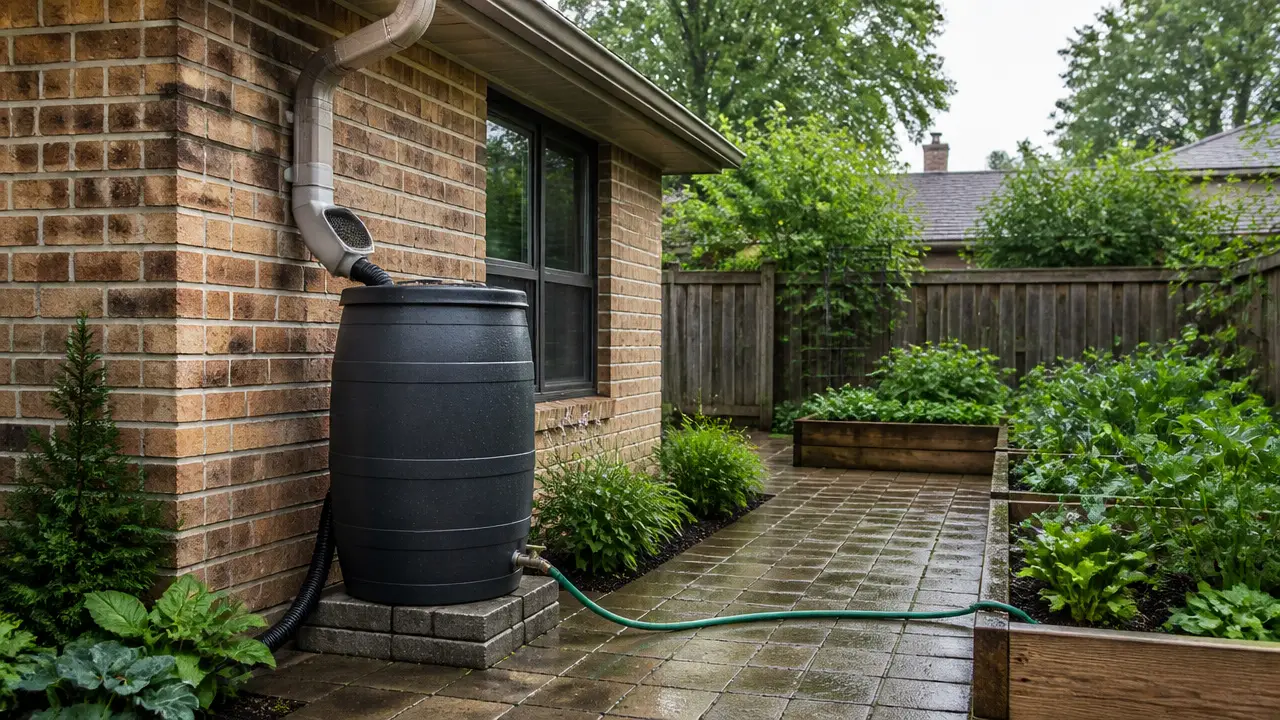
Rainwater intended for irrigation can often remain stored for weeks or longer if the bladder is closed, shaded, clean, and protected from debris.
There is no single expiration date.
Roof runoff can contain dust, bird droppings, plant material, roofing residues, microorganisms, and other contaminants before it ever reaches the bladder. The longer organic material sits in warm water, the greater the chance of odor, slime, sediment, and biological growth.
A rainwater system works better when debris is removed before storage. Depending on the system, that may include:
- Gutter screens
- Leaf screens
- A first-flush device
- Inlet screening or prefiltration
A first flush diverts some of the initial roof runoff so dirt accumulated on the roof does not all enter storage.
For garden irrigation, slightly aged rainwater is often still usable. However, badly contaminated, foul-smelling, or chemically contaminated water should not automatically be applied to edible plants.
Rainwater Stored for Drinking Is Different
Do not use the garden-water storage timeline as a drinking-water timeline.
Collected rainwater is not automatically potable, even if it looks clean or has been stored in a potable-rated bladder.
Drinking-water use requires considering the entire system:
collection surface → debris control → storage → treatment → distribution → maintenance → testing
A sediment filter alone does not make roof runoff safe to drink. Neither does a UV unit by itself, a carbon filter, a water-quality meter, or a home test strip.
EPA guidance also notes that disinfection can address many microorganisms but does not remove contaminants such as heavy metals, salts, and many chemicals.
If stored rainwater will be used for drinking, cooking, brushing teeth, or similar uses, use an appropriate treatment system, current laboratory testing, and applicable local health or plumbing requirements.
Heat Can Shorten Useful Storage Time
A water bladder sitting in full summer sun is a much harsher storage environment than one kept inside a cool shed.
Heat can:
- Encourage biological growth
- Speed up water-quality changes
- Affect taste and odor
- Stress some bladder materials
- Shorten the useful life of hoses and fittings
Direct sunlight can also encourage algae if enough light reaches the water.
The CDC recommends keeping stored drinking water in a cool location away from sunlight.
For outdoor bladders, shade is useful, but do not cover the bladder in a way that traps excessive heat or damages the material. Follow its temperature and installation limits.
Keep the Bladder Away From Chemicals
Flexible plastic water containers should not be stored next to gasoline, pesticides, solvents, or similar chemicals.
CDC and EPA storage guidance recommends keeping water containers away from toxic substances and chemical vapors.
Never use a bladder that previously held fuel, pesticides, fertilizer, wastewater, or another unknown chemical for drinking-water storage.
Cleaning cannot reliably turn every previously contaminated bladder into a potable-water container.
Signs Stored Water Needs Attention
Evaluate military water-bladder choices to verify long-term tank ventilation with dependable overflow handling.
Check the bladder and water periodically, especially when water has been sitting unused.
Watch for:
- Strong or unusual odors
- Visible slime
- Algae
- Heavy sediment
- Unusual color
- Cloudiness that was not present before
- Insects entering around fittings
- Mold around openings
- Leaking seams
- Cracked or degraded hoses
- Dirty outlet fittings
These signs are useful warnings, but their absence does not prove drinking water is microbiologically or chemically safe.
Should You Circulate Water in a Bladder?
Usually, a simple irrigation-storage bladder does not need continuous circulation.
The better approach is often to keep debris out, limit sunlight and heat, use the water regularly, and periodically empty and clean the bladder when the manufacturer allows it.
Adding pumps and circulation can create more fittings, power use, and maintenance without solving contamination entering from the roof or storage system.
Larger treatment systems may use circulation for specific purposes, but that should be based on the system design rather than simply trying to prevent water from "going stale."
Do You Need to Drain a Water Bladder Between Uses?
Periodic draining is a good idea when the bladder will sit unused for a long time.
After draining, follow the manufacturer's cleaning and drying instructions. Some flexible tanks are difficult to scrub internally, so preventing dirt from entering is especially important.
Do not improvise strong chemical treatments. Chemicals can damage bladder materials or leave unsafe residues if used incorrectly.
For potable-water bladders, use the manufacturer's sanitation procedure and drinking-water guidance appropriate to your system.
Don't Forget the Fittings and Hoses
The water bladder itself is only part of the storage system.
Contamination can also develop in:
- Fill hoses
- Outlet hoses
- Valves
- Pumps
- Connectors
- Filters
- Dead-end plumbing sections
A clean bladder connected to an old garden hose is not a suitable drinking-water storage system.
For irrigation, check that the outlet size matches the pump or garden line you plan to use. Restrictive fittings can reduce flow even when plenty of water remains in the bladder.
Winter Storage Can Be a Bigger Problem Than Water Age
In freezing climates, do not leave a full bladder exposed to freezing conditions unless the manufacturer specifically allows it.
Water expands when it freezes. That can damage:
- Bladder material
- Seams
- Valves
- Pumps
- Filters
- Hoses and fittings
Drain and winterize the system according to the equipment instructions before freezing weather arrives.
A Practical Storage Approach
For garden and general non-potable rainwater use, focus less on an exact number of days and more on keeping the system clean and using the stored water regularly.
A good routine is to:
- Keep roof debris out of storage.
- Keep the bladder shaded.
- Check it for leaks and contamination.
- Use stored water regularly rather than continually topping off old water.
- Drain accumulated sediment when possible.
- Clean the bladder according to its instructions.
- Winterize it where freezing occurs.
For drinking water, be much more conservative. Use only potable-rated equipment, begin with safe water, maintain the complete system, and rotate properly stored water on a regular schedule. CDC guidance uses six months as the replacement interval for home-stored drinking water.
Frequently Asked Questions
Does water go bad in a water bladder?
Water does not have a simple expiration date, but its quality can deteriorate. Heat, dirt, microorganisms, sunlight, dirty fittings, and repeated handling can all shorten useful storage time.
Can I leave water in a bladder all summer?
For irrigation, you may be able to store water through much of the season if the bladder is designed for outdoor use, kept shaded, and kept reasonably clean. Check the water and bladder regularly rather than assuming it will remain unchanged all summer.
How long can drinking water stay in a water bladder?
CDC guidance recommends replacing properly prepared home-stored drinking water every six months. A water bladder should also be specifically suitable for potable water, properly cleaned, and stored under suitable conditions.
Can I drink rainwater stored in a water bladder?
Do not assume so. Roof runoff can contain biological and chemical contaminants. Drinking-water use requires suitable collection and storage equipment, appropriate treatment, maintenance, current testing, and compliance with applicable local requirements.
Does a black water bladder keep water fresher?
An opaque bladder can reduce the light reaching the water, which helps limit algae growth. Color alone does not prevent bacterial contamination or make water safe to drink.
Should I add bleach to water stored in a bladder?
Do not routinely add bleach without knowing the water's intended use, the bladder manufacturer's requirements, and the correct drinking-water guidance. Incorrect concentrations can be ineffective, unsafe, or damaging to equipment. EPA provides specific emergency disinfection instructions when disinfection is needed.
Should I empty my water bladder when I am not using it?
Usually yes for long periods of non-use, especially before freezing weather. Drain, clean, dry, and store the bladder according to its manufacturer's instructions.