As an affiliate, we may earn a commission from qualifying purchases. We get commissions for purchases made through links on this website from Amazon and other third parties.
A separate water meter for an irrigation system can be worth it, but only if your utility gives you enough of a billing benefit to cover the extra meter and service costs. The biggest advantage is usually avoiding sewer charges on water that goes onto the landscape instead of down a drain.
It is more likely to make sense for a property with heavy seasonal irrigation. It is less likely to pay off for a small lawn, a low-use drip system, or a home where the utility already adjusts sewer charges for outdoor water use.
What Does a Separate Irrigation Meter Do?
A separate irrigation meter measures only the utility water used by your irrigation system.
Instead of sending all household and outdoor water through one meter, the plumbing is divided into two paths:
- The main meter serves indoor fixtures and other normal household uses.
- The irrigation meter serves sprinklers, drip lines, and other approved outdoor uses.
The exact setup depends on the water utility. Some utilities install a completely separate service. Others may allow a second meter connected to the existing service line.
You may also hear terms such as irrigation meter, sewer deduction meter, or submeter. These do not always mean the same thing. Ask the utility exactly how its system works before planning the plumbing.
Why an Irrigation Meter Can Lower a Water Bill
Many utilities use the amount of metered drinking water entering a house to help calculate wastewater or sewer charges.
That works reasonably well for indoor water. Water used by toilets, showers, sinks, and washing machines normally ends up in the sewer.
Irrigation water is different. Most of it goes into soil, plants, or the air. It usually does not enter the sanitary sewer.
If all water passes through one meter, a utility may still include some or all of that irrigation use when calculating sewer charges. A dedicated irrigation meter lets some utilities identify that outdoor water separately.
Policies vary widely. For example, Charlotte Water states that water passing through a dedicated irrigation meter is not billed for sewer service. Austin Water takes a different approach for residential customers by using a seasonal wastewater average that is designed to reduce the effect of irrigation on wastewater billing. Fairfax Water also provides a type of sewer-use meter for measuring water that does not enter the sanitary sewer. These examples show why the local billing method matters more than the meter itself.
When a Separate Irrigation Meter Is More Likely to Be Worth It
A second meter becomes more attractive as irrigation use increases.
| More likely worth it | Less likely worth it |
|---|---|
| Large irrigated landscape | Small garden or lawn |
| Long, dry irrigation season | Short watering season |
| High outdoor water use | Occasional watering |
| Sewer charges normally follow water use | Sewer bill already uses a winter average |
| Irrigation water is exempt from sewer charges | Utility gives little or no billing advantage |
| Low ongoing meter fees | Significant recurring meter fees |
| System will be used for many years | Property may be sold or irrigation removed soon |
A large automatic sprinkler system may use enough water for the billing difference to matter. A few drip lines around vegetable beds may not.
Calculate the Payback Before Installing Anything
The best way to decide is to compare the total cost of having the meter with the billing charges it would avoid.
A simple calculation is:
Annual benefit = sewer charges avoided − extra annual meter charges − any higher irrigation water charges
Then estimate:
Payback period = total installation cost ÷ annual benefit
Do not assume that every gallon passing through an irrigation meter is cheaper. Some utilities have a separate irrigation water rate. That rate can differ from the normal household water rate.
Also include all ongoing charges. A second account or meter may have fixed monthly or seasonal fees even when little water is being used.
Ask the utility for enough information to compare a full year rather than looking only at a summer bill.
Check How Your Sewer Bill Is Calculated First
This is one of the most important steps.
Some utilities calculate wastewater charges from actual monthly water use. In that type of system, heavy summer irrigation can affect the wastewater portion of the bill unless outdoor use is measured separately.
Other utilities use winter averaging. They estimate household wastewater use from water consumption during cooler months when irrigation is normally low.
If your utility already uses this approach, a separate residential irrigation meter may provide much less benefit. Austin Water, for example, uses a wastewater averaging period for residential customers specifically to help separate normal indoor wastewater use from seasonal activities such as irrigation.
Ask your utility:
- Does outdoor water increase my sewer charge?
- Does a separate irrigation meter eliminate that charge?
- Is irrigation water billed at a different water rate?
- Is there a fixed charge for the second meter?
- Is there a minimum monthly charge?
- Does the meter require a new service connection?
- Are permits or inspections required?
- Is a backflow prevention device required?
- Are there ongoing testing requirements?
- Are irrigation rates tiered based on usage?
Use the answers from your own utility. Meter programs, rates, and requirements can change.
Installation Cost Can Be the Deciding Factor
The meter itself is only one part of the project.
Depending on the property and utility, installation may involve:
- A new utility connection
- Changes to the existing water service
- Underground piping
- Trenching
- Valves and shutoffs
- A meter box
- Backflow prevention
- Plumbing permits
- Utility inspections
- Irrigation system modifications
A long run between the water main and the irrigation system can make the work much more involved.
Do not assume you can simply install your own meter and have the utility use its reading. Many utilities specify what type of meter is acceptable and where it must be installed.
Work on the utility side of a water service should be handled according to the utility's requirements. Plumbing and backflow requirements can also vary by location.
Remember the Backflow Connection
An irrigation system connected to drinking-water plumbing needs proper protection against backflow.
Backflow means water moving in the wrong direction and potentially carrying soil, fertilizer, chemicals, or other contaminants toward the drinking-water supply.
The required protection depends on the irrigation system and local plumbing rules. Some locations also require periodic testing of certain backflow devices.
Reviewing practical steps for measuring flow rate for an irrigation system helps assess rated performance during sustained system use.
A second meter does not replace backflow protection.
Before adding an irrigation connection, confirm the current requirements with your water utility or local plumbing authority. A qualified irrigation or plumbing professional may be appropriate when the service connection or backflow setup needs to be changed.
A Separate Meter Does Not Automatically Save Water
An irrigation meter can help you see how much water the landscape is using, but it does not make the irrigation system more efficient by itself.
Water use still depends on things such as:
- Irrigation schedule
- Sprinkler coverage
- Leaks
- Broken sprinkler heads
- Soil type
- Plant needs
- Weather
- Drip-line condition
- Controller settings
In fact, lower sewer charges can make irrigation water appear less costly on the bill. That is not a good reason to water more.
Use the meter as a monitoring tool. A sudden increase in irrigation use can sometimes help reveal a leak, stuck valve, damaged line, or programming problem.
What If the Irrigation System Uses Rainwater?
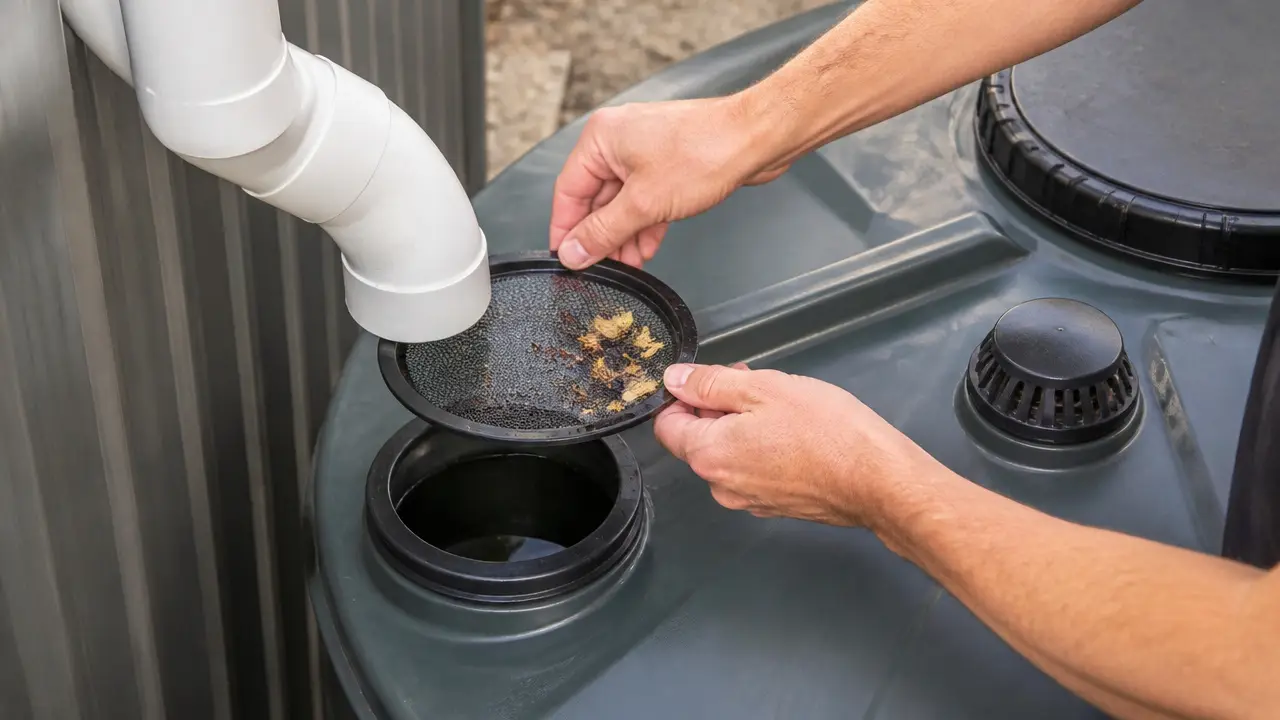
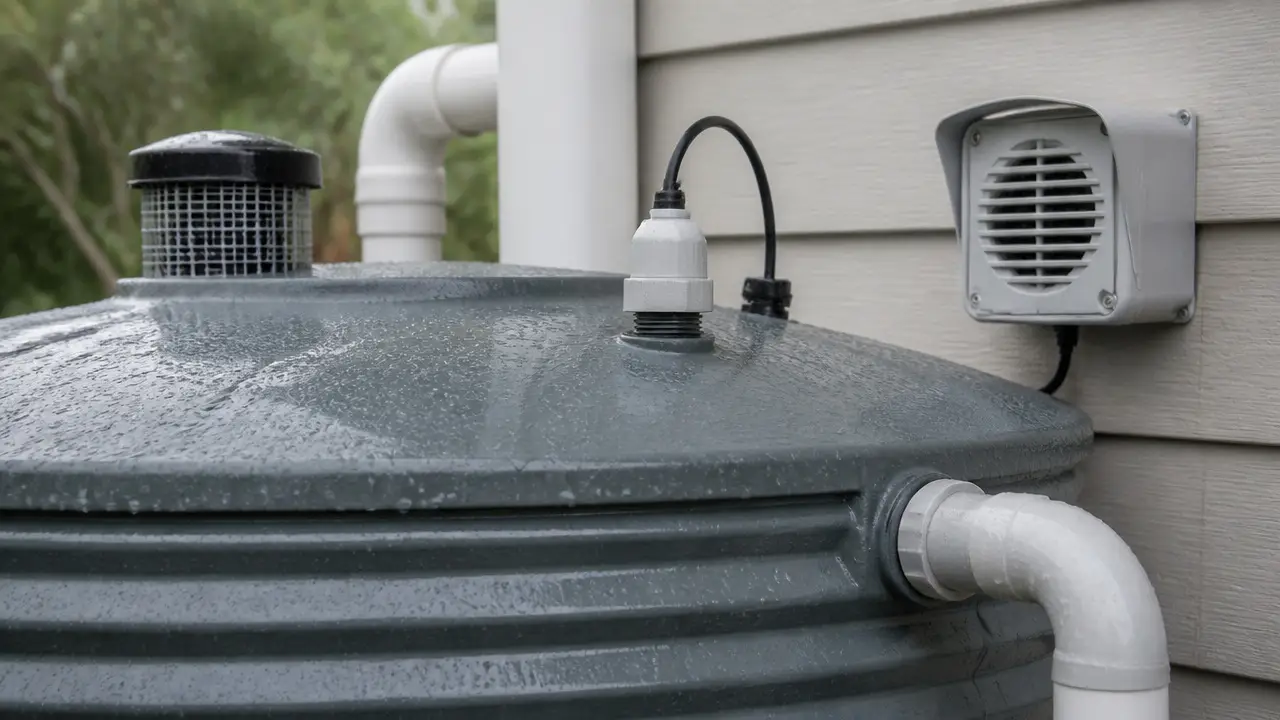
A separate utility irrigation meter usually offers little benefit for irrigation supplied entirely from a rain barrel, IBC tote, or cistern.
Rainwater stored on the property has not passed through the municipal water meter, so it normally is not part of the measured utility water use in the first place.
A rainwater irrigation system may instead need its own simple flow meter if you want to track consumption. That meter is for your information rather than utility billing unless a local authority specifically requires otherwise.
If one irrigation system can run from both utility water and stored rainwater, keep the two supplies properly separated or use an approved arrangement designed for dual-source operation. Do not make a direct cross-connection between collected rainwater and drinking-water plumbing without the required protection.
Collected rainwater should also be treated as non-potable, meaning not intended for drinking, unless the entire collection and treatment system has been designed and managed for potable use under applicable requirements.
Consider Water Pressure and Flow Before Adding a Second Service
The billing advantage is only useful if the new connection can actually run the irrigation system.
Check the required flow rate and pressure.
Flow rate is the amount of water moving through the system over time, usually stated in gallons per minute. Sprinkler zones need enough flow to operate all of the heads in that zone correctly.
A meter, pipe, valve, or backflow device that is too restrictive can reduce available pressure when water is flowing.
This matters most when installing a new irrigation service rather than simply adding a billing meter to an existing line. Have the planned connection sized for the irrigation demand instead of choosing a meter size only from the pipe diameter you already have.
When Keeping One Meter Makes More Sense
Keeping the existing household meter is often the simpler choice when outdoor water use is modest.
It may make sense if:
- You mainly use drip irrigation.
- You have a small irrigated area.
- Rainfall supplies much of the landscape's needs.
- You irrigate from stored rainwater.
- Your utility already uses winter wastewater averaging.
- The second meter carries significant fixed charges.
- Installing the meter requires major trenching or plumbing work.
- Your estimated payback period is very long.
You can still reduce outdoor water use without installing another utility meter. Fix leaks, divide irrigation into suitable zones, avoid watering during rain, and adjust watering to actual plant and soil needs.
When a Separate Irrigation Meter Makes the Most Sense
The strongest case is usually a property that uses a substantial amount of utility water outdoors and pays wastewater charges based on water passing through the household meter.
In that situation, separating outdoor water from indoor water can produce a meaningful billing difference.
But there is no universal answer. Two neighboring cities can use completely different wastewater billing methods and meter requirements.
Before installing anything, get the current irrigation-meter rules and rate structure directly from your water and wastewater provider. As of August 31, 2026, utility approaches continue to vary significantly by location, as illustrated by the different systems used in Charlotte, Austin, and Fairfax.
Frequently Asked Questions
Does a separate irrigation meter reduce my sewer bill?
It can. Some utilities do not charge sewer fees for water measured through a dedicated irrigation meter because that water normally does not enter the sewer. Other utilities use different billing methods, so check with your local provider.
Is an irrigation meter the same as a regular water meter?
Both measure water use, but an irrigation meter is dedicated to approved outdoor uses. The utility may also apply a different rate or billing method to that meter.
Is a separate irrigation meter worth it for a small yard?
Often not. Low irrigation use may not create enough savings to offset installation and ongoing meter charges. Compare your expected annual irrigation use with your utility's billing rules before deciding.
Will an irrigation meter make my sprinkler system use less water?
No. It only measures water use and may change how that water is billed. Efficient sprinklers, drip irrigation, correct schedules, leak repairs, and good system management are what reduce consumption.
Do I need a separate meter if I use rainwater for irrigation?
Usually not for the rainwater itself. Water from a rain barrel or cistern has not passed through your utility water meter. You can add your own flow meter if you want to track rainwater use.
Does an irrigation meter need backflow protection?
A separate meter does not remove the need for proper backflow protection where irrigation is connected to a drinking-water supply. The required device and testing rules depend on the local plumbing and utility requirements.
Can I install an irrigation meter myself?
Do not assume that a homeowner-installed meter will qualify for utility billing. The water provider may require its own meter, approved installation methods, inspections, permits, and specific connection arrangements. Check with the utility before modifying the service.