As an affiliate, we may earn a commission from qualifying purchases. We get commissions for purchases made through links on this website from Amazon and other third parties.
A water tank usually overflows because water keeps entering after the tank is full, the overflow outlet cannot drain fast enough, or a control part has failed.
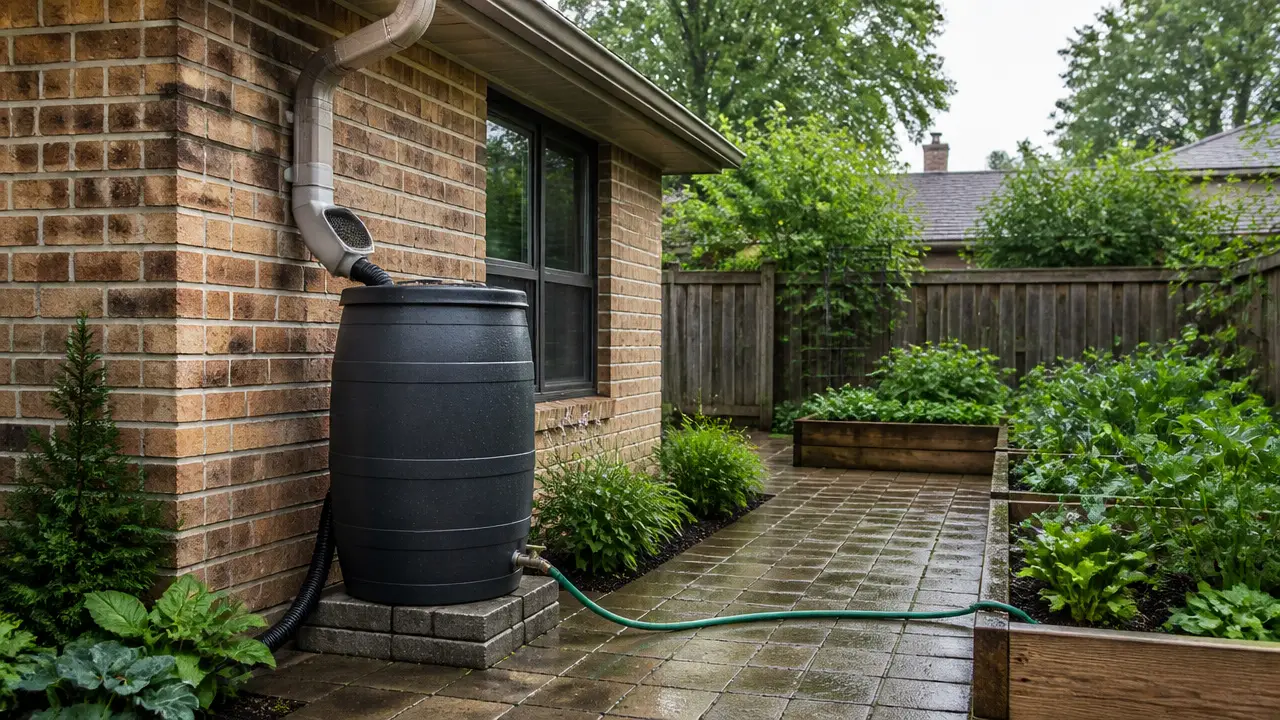
The most common causes are a stuck float valve, a faulty level sensor, a pump that does not shut off, a blocked overflow pipe, or an inlet flow rate that is higher than the overflow can handle. Rainwater tanks can also overflow simply because heavy rain adds water faster than the system can use or release it.
Common Causes of Water Tank Overflow
1. A Float Valve Is Stuck or Worn Out
Many tanks use a float valve to stop incoming water when the tank reaches a set level.
As the water rises, the float should rise with it. At the correct level, the valve closes.
Overflow can happen if the float:
- Gets stuck against the tank wall
- Fills with water and loses buoyancy
- Becomes disconnected from the valve
- Is adjusted too high
- Cannot fully close the inlet valve
- Has worn seals or internal parts
A float valve may appear to work but still allow a slow trickle. That small amount of water can eventually cause the tank to overflow.
2. A Water-Level Sensor Has Failed
Some tanks use electronic level sensors instead of mechanical floats.
The sensor tells a pump, valve, or controller when the tank is full. If the sensor gives the wrong reading, water may continue entering.
Possible problems include:
- Dirty or coated sensor probes
- Loose wires
- Damaged cables
- Failed switches
- Incorrect sensor placement
- Controller faults
- Electrical supply problems
Do not work on powered equipment around water unless you can do so safely. Electrical repairs should be handled by a qualified person when there is any doubt.
3. The Pump Does Not Shut Off
A transfer pump may fill a tank from another tank, well, cistern, or water source.
Normally, a float switch or controller turns the pump off when the tank reaches the desired level. If that control fails, the pump may keep running.
Common causes include a stuck float switch, faulty relay, incorrect wiring, failed automatic controller, or a pump that has been manually left on.
If a pump-fed tank overflows, shut down the pump safely before investigating the control system.
4. The Overflow Pipe Is Blocked
An overflow outlet gives excess water a safe path out of the tank.
Leaves, insects, sediment, roots, debris, or damaged screens can reduce the opening. Water may then rise above the normal overflow level.
Check accessible parts of the overflow for:
- Leaves and roof debris
- Mud or sediment
- Insect nests
- Damaged screens
- Kinked flexible hose
- Crushed pipe
- Sagging sections that hold water
Do not enter a tank or cistern to clear a blockage. Tanks can be confined spaces and may contain dangerous air conditions.
5. The Overflow Pipe Is Too Small
An overflow must be able to carry water away at least as fast as it can enter during high-flow conditions.
This is especially important with rainwater tanks. A large roof can send a large amount of water into a tank during a heavy storm.
If the inlet flow exceeds the overflow capacity, the water level can rise until it escapes through the lid, inspection opening, vent, or other weak point.
The correct overflow size depends on the system design, expected inflow, pipe layout, and local requirements. Do not assume that a small hose is enough just because it works during light rain.
6. The Tank Is Simply Full During Heavy Rain
Not every rainwater tank overflow means something is broken.
Once the tank is full, any additional rainwater has to go somewhere. A properly designed system sends that extra water through the overflow.
For example, a 1,000-gallon tank that is already nearly full before a storm may reach capacity quickly even if the roof catchment is not very large.
In this case, the important question is not whether the tank overflows. It is whether the overflow water is being discharged safely.
It should not cause erosion, flood a foundation, flow toward a septic system, or wash out soil supporting the tank.
7. The Overflow Outlet Is Installed Too High
The overflow opening sets the normal maximum water level in many tanks.
If it is installed too high, water may reach the lid, fittings, vents, or other openings before entering the overflow.
This can lead to leaks that look like tank failure.
The tank manufacturer may specify a maximum operating level or recommended overflow location. Follow those instructions instead of raising the overflow simply to gain a little more storage.
8. An Automatic Fill Valve Is Leaking
Some storage tanks are connected to a backup water supply.
The automatic fill valve should open when the tank gets low and close when enough water has entered. A worn valve may not close completely.
A slow leak is easy to miss.
One useful check is to observe the tank when rainwater, irrigation, and other normal water movement have stopped. If the level continues to rise, a backup fill valve or another connected water source may be feeding the tank.
9. Water Is Siphoning Into the Tank
Poor pipe layout can sometimes create unwanted siphoning.
A siphon allows water to continue moving even after a pump stops or a valve changes position.
Whether siphoning is possible depends on pipe elevation, tank height, valve location, and where the pipe ends.
An air gap, anti-siphon device, check valve, or piping change may be needed, depending on the system.
If potable water is connected to a non-potable rainwater system, cross-connection protection becomes especially important. Follow local plumbing requirements and use qualified help where required.
10. The Tank Is Not Level
A tank that is leaning may spill water from one side before the water reaches the intended overflow opening.
Understanding common problems with float valves helps evaluate the relevant trade-offs before the project advances.
This can happen when:
- Soil settles
- A base washes out
- A support platform moves
- A tank is installed on an uneven surface
A full water tank is extremely heavy. One gallon of water weighs about 8.3 pounds, or about 1 kilogram per liter.
Do not try to lift, tilt, or reposition a large tank while it is full.
A leaning tank should be inspected before the problem gets worse. The base must support the full tank safely and evenly.
11. The Tank Is Overfilled During Manual Filling
Manual filling is another common cause.
A hose may be left running because there is no automatic shutoff or because the tank cannot easily be seen from the fill point.
If manual filling happens often, a visible level indicator or suitable automatic shutoff can reduce the chance of overflow.
Any automatic device still needs periodic inspection.
12. A Valve Has Been Left in the Wrong Position
Tank systems may have several valves controlling filling, transfer, irrigation, bypasses, and overflow routes.
After maintenance, one valve may accidentally remain closed.
For example, an isolation valve on an overflow or drain line could prevent water from escaping normally.
Overflow lines should generally not depend on someone remembering to open a valve before every storm unless the system was specifically designed that way.
How to Find the Cause of an Overflow
Start by identifying where the extra water is coming from.
If the tank overflows even when it is not raining
Check water entering from:
- Pumps
- Mains or backup water
- Transfer tanks
- Wells
- Automatic fill lines
The problem is likely related to a valve, sensor, float, pump control, or piping arrangement.
If it only overflows during rain
Check:
- Whether the tank was already full
- Whether the overflow is clear
- Whether the overflow is large enough
- Whether the tank is level
- Whether water is escaping from the proper overflow outlet
A rainwater tank overflowing through its designed overflow during a storm can be normal.
Water escaping through the lid, inspection hatch, fittings, or tank wall deserves closer attention.
What to Check First
For an accessible above-ground tank, a basic inspection can often reveal the problem.
Check the following:
- Stop any pump or controlled water supply feeding the tank if it is safe to do so.
- Watch whether the water level continues to rise.
- Inspect the float valve or level control from outside the tank where possible.
- Check the overflow outlet for visible blockage.
- Follow the overflow pipe and look for crushed, sagging, or blocked sections.
- Confirm that the tank is standing level.
- Check whether valves have been left closed.
- Look for water leaking around fittings instead of leaving through the overflow.
Avoid climbing onto an unsupported tank or entering the tank to inspect it.
Why Tank Overflow Should Not Be Ignored
Even clean-looking overflow water can cause problems if it goes to the wrong place.
Repeated overflow may:
- Erode the tank foundation
- Create muddy areas
- Damage nearby structures
- Wash away landscaping
- Flood crawl spaces or basements
- Create standing water
- Damage pumps or electrical equipment
- Carry roof debris into unwanted areas
With rainwater systems, the overflow route is part of the system design, not an optional extra.
How to Reduce Future Overflow Problems
Regular inspection is usually more useful than adding complicated equipment.
A practical maintenance routine can include:
- Testing float valves
- Checking level switches
- Cleaning overflow screens
- Removing leaves and debris
- Inspecting pipe supports
- Watching for settlement under the tank
- Checking pump shutoff controls
- Confirming that overflow water has a clear discharge path
Inspect the system before periods of heavy rain and after storms that move branches, soil, or debris.
When to Call a Professional
Get qualified help if the overflow involves:
- Electrical pumps or controls you cannot safely isolate
- A large tank that is leaning or settling
- Structural tank damage
- Underground tanks
- Confined-space entry
- Potable-water plumbing connections
- Complex pressure systems
- Repeated control failures
- Overflow that threatens a building or foundation
A simple blocked screen may be a DIY maintenance task. Electrical faults, structural movement, and plumbing cross-connections are not good places to experiment.
Frequently Asked Questions
Is it normal for a rainwater tank to overflow?
Yes. A rainwater tank can overflow normally once it reaches full capacity. Extra rainwater should leave through a properly sized and positioned overflow outlet. Water leaking through the lid or other fittings instead may indicate a problem.
Why does my water tank overflow when the pump is running?
The pump may not be receiving a correct shutoff signal. Check the float switch, level sensor, controller, and related valves. Turn off the pump safely if it continues filling an already full tank.
Can a blocked overflow pipe damage a water tank?
It can create unwanted pressure or cause water to escape through openings that were not designed as overflow points. The exact risk depends on the tank design. Keep the overflow path clear and follow the tank manufacturer's installation requirements.
How often should I check a tank overflow?
Inspect accessible overflow outlets regularly and before periods of heavy rain. Also check them after storms, nearby landscaping work, or any event that could introduce leaves, mud, insects, or other debris.
Why is water coming out around the tank lid?
The water level may be rising above the intended overflow point. Possible causes include a blocked or undersized overflow, an overflow installed too high, or a fill control that is not shutting off.
Should I make the overflow pipe bigger?
A larger overflow may be needed if incoming water can exceed the existing pipe's capacity, but pipe size should be based on the expected inflow and system layout. Enlarging one section may not help if another fitting or pipe remains the restriction.
Can I stop rainwater tank overflow completely?
You can reduce unwanted overflow by using stored water before storms or adding more suitable storage capacity. However, every rainwater tank still needs a safe overflow path because rainfall can exceed available storage.