As an affiliate, we may earn a commission from qualifying purchases. We get commissions for purchases made through links on this website from Amazon and other third parties.
Rain chains can be an attractive way to move roof runoff from a gutter toward the ground, a basin, or a rain barrel. Their main downside is that they do not control water as well as a closed downspout.
During heavy rain, wind, or freezing weather, water can splash away from the chain instead of following it. That can wet siding, erode soil, overflow collection areas, or put water too close to a foundation.
Rain chains work best when the gutter outlet, chain size, drainage area, and expected rainfall all fit the job.
Main Downsides of Rain Chains
They Can Splash Water Around
A downspout keeps most runoff inside a pipe. A rain chain leaves the water exposed.
Water may splash off:
- Chain links
- Cups
- Rocks
- Catch basins
- The ground below the chain
Splashing becomes worse during heavy rain or when the wind pushes water sideways.
If the chain is close to siding, doors, windows, or a foundation, repeated wetting can become a problem.
A splash basin or bed of drainage stone can help, but it does not make a rain chain behave like a closed pipe.
Heavy Rain Can Overwhelm Them
Rain chains have limits.
A roof section can send a surprising amount of water through one gutter outlet during a strong storm. If water reaches the chain faster than it can follow the links or cups, some runoff may spill or spray outward.
Cup-style rain chains usually guide water more closely than simple link chains, but they can still overflow.
The problem depends on several factors:
- Roof area draining to the outlet
- Rainfall intensity
- Gutter size
- Outlet opening
- Rain chain design
- Wind
- Drainage at the bottom
A decorative chain that works well during light rain may perform poorly during a short, intense storm.
Wind Can Blow Water Away From the Chain
Rain chains are exposed to moving air.
Strong wind can push both the chain and the falling water sideways. This can cause water to miss a basin, barrel opening, or drainage area.
Long chains can move more unless they are properly anchored at the bottom.
This matters most on exposed homes, sheds, cabins, and other buildings where storms regularly bring strong wind.
They Can Put Water Too Close to the Foundation
The bottom of a rain chain still needs somewhere safe to send the water.
Simply hanging a chain from the gutter and letting runoff fall beside the house can concentrate water near the foundation.
That may contribute to:
- Mud
- Soil erosion
- Standing water
- Damp foundation areas
- Water entering low openings
The chain itself is only one part of the drainage path. You still need a suitable basin, drain, pipe, swale, rain garden, or other method for moving excess water away from the building.
Do not assume decorative stones alone provide enough drainage.
Soil Can Erode Below the Chain
Water falling repeatedly in one spot can wash away loose soil or mulch.
A catch basin, gravel bed, stone basin, or other erosion-resistant surface can reduce this problem.
However, the drainage underneath also matters. A basin that fills faster than the surrounding soil can absorb water may simply overflow.
Rain Chains Can Be Harder to Use With Rain Barrels
A standard downspout can be connected directly to many rainwater collection systems. A rain chain leaves the water exposed between the gutter and storage container.
You can still collect rainwater from a rain chain, but the setup needs more care.
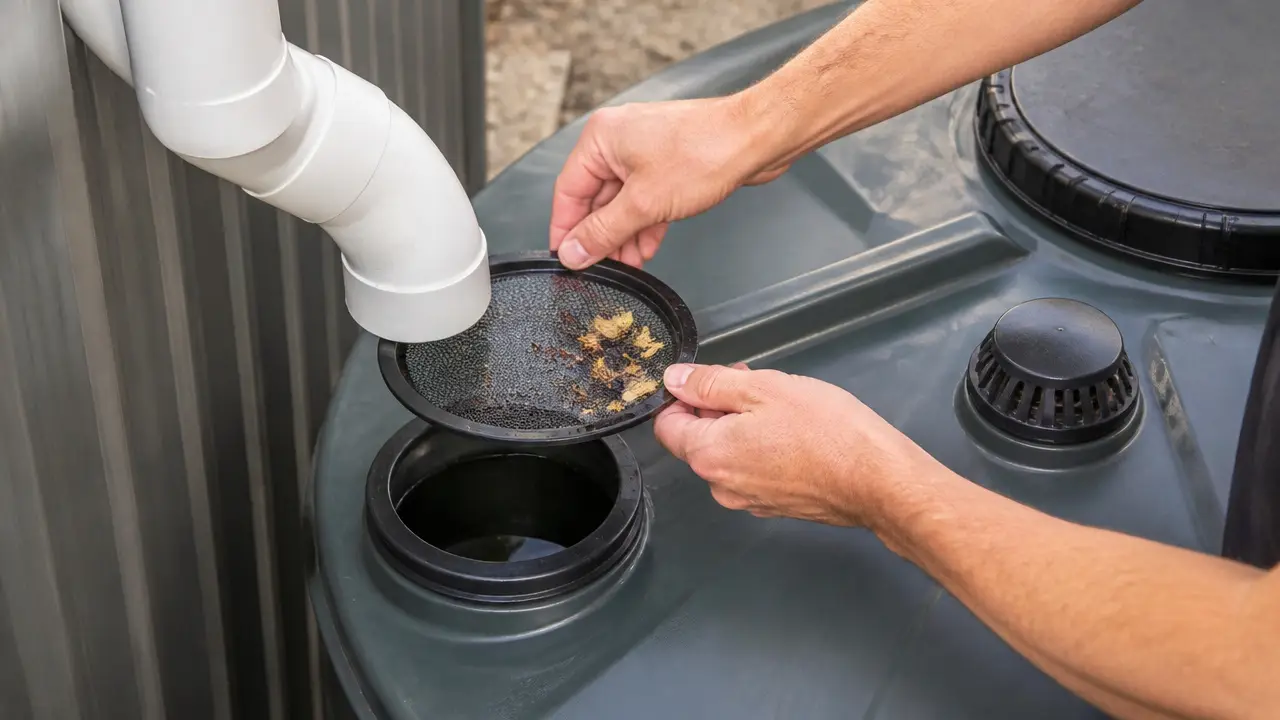
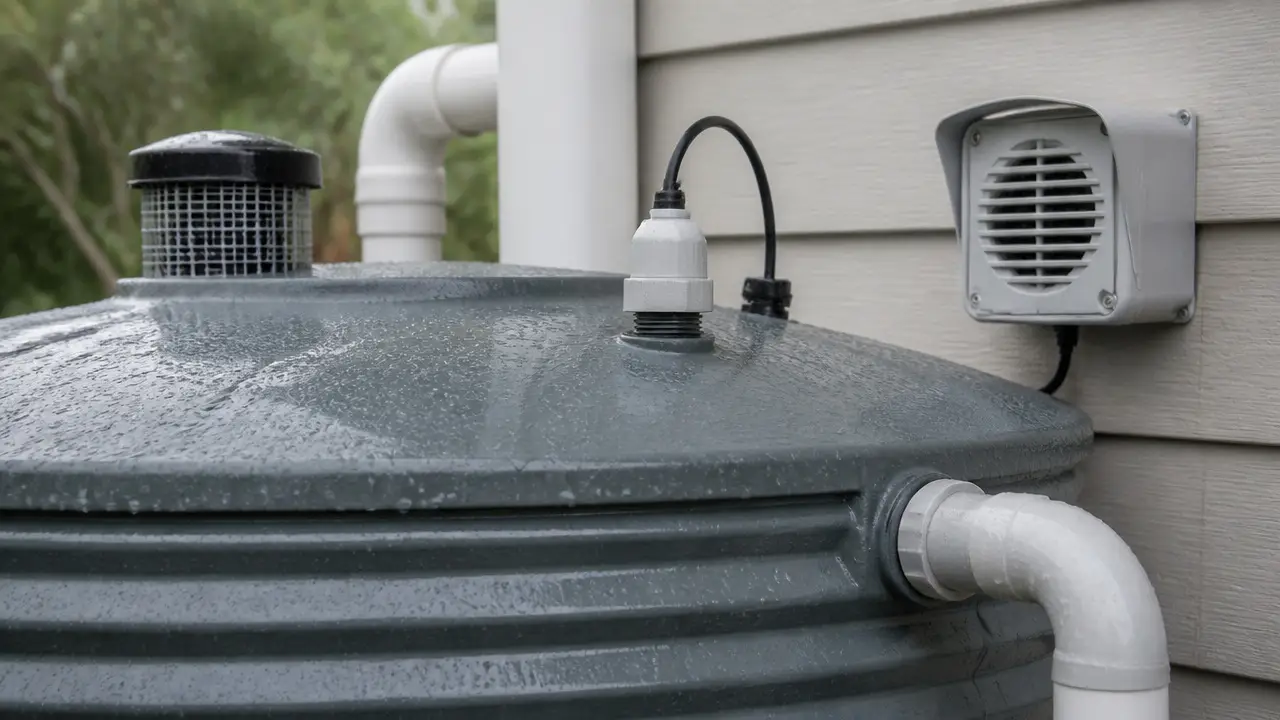
The chain should guide water into an opening or collection funnel large enough to catch runoff without excessive splash. The barrel or tank also needs a screened inlet and a safe overflow path.
Do not leave a large barrel opening uncovered just to make it easier to catch water. Open storage can allow debris and insects into the container.
If reliable collection is the main goal, a closed downspout connection is often easier to control.
Freezing Weather Can Cause Problems
Rain chains can collect ice during freezing weather.
Water may freeze on the links or cups, adding considerable weight. Ice can also restrict the gutter outlet or change where melting water flows.
Large ice buildup may put extra stress on:
- The chain
- Gutter outlet
- Gutter
- Mounting hardware
Never assume a decorative gutter attachment can safely support heavy ice.
Homes in freezing climates may need seasonal maintenance or a different drainage arrangement depending on local conditions.
They Need Regular Cleaning
Leaves, needles, dirt, seeds, and other roof debris can collect around the gutter outlet or inside cup-style chains.
Blocked cups may overflow instead of carrying water downward.
Check the system periodically, especially after:
- Heavy storms
- Leaf fall
- High winds
- Long dry periods followed by rain
The gutter and outlet still need cleaning even if the chain itself looks clear.
A gutter screen may reduce some debris, but no gutter protection system removes the need for inspection.
They May Be Noisier Than Expected
Some people enjoy the sound of water running down a rain chain. Others find it distracting.
Noise varies with the chain design and what is underneath it.
Evaluating heavy-rain limits for chain drainage helps coordinate how roofing material changes the expected water yield.
Water hitting metal cups, stones, or a metal basin can be noticeably louder than water moving through a downspout.
This can matter when the chain is next to a bedroom, porch, patio, or window.
Metal Chains Can Damage Nearby Surfaces
Wind can cause a loose rain chain to swing.
If it repeatedly hits siding, trim, windows, or another surface, it may leave marks or cause damage.
Anchoring the bottom can reduce movement. The chain should also have enough clearance from the building.
Some Metals Change Appearance Over Time
Outdoor metal is exposed to constant moisture and weather.
Depending on the material, a rain chain may:
- Tarnish
- Develop a patina
- Stain nearby surfaces
- Corrode
Copper, for example, normally changes color as it weathers.
This may be desirable for appearance, but buyers expecting the chain to stay bright should consider how the material ages.
Installation Still Depends on the Gutter
A rain chain needs a suitable outlet and secure attachment point.
Problems can occur if:
- The gutter outlet is too small
- The gutter slope is poor
- The chain is not centered under the outlet
- The attachment cannot support the load
- Water already overflows the gutter
A rain chain cannot fix an undersized, clogged, or poorly installed gutter system.
If the existing gutter regularly overflows, address that problem before replacing a downspout with a rain chain.
Rain Chains Are Less Flexible for Moving Water Long Distances
A downspout can connect to underground drainage pipe or solid pipe that carries water well away from the house.
A rain chain mainly moves water vertically.
You can install drainage at the bottom of the chain, but that adds another part to the system.
For locations where runoff must travel several feet away before being released, a regular downspout and extension may be simpler.
When a Rain Chain Makes Sense
A rain chain can work well when you want a visible water feature and the drainage conditions are suitable.
Good locations usually have:
- A manageable roof drainage area
- Enough clearance from walls
- A secure attachment point
- Good drainage below
- A suitable splash basin
- A safe overflow route
- Protection from excessive swinging
They are especially useful where the movement and sound of falling rain are part of the design.
When a Downspout Is Usually Better
A traditional downspout is normally the better choice when controlling runoff is more important than appearance.
Consider keeping a closed downspout if:
- Large roof areas drain to one outlet
- Heavy storms are common
- The outlet is close to the foundation
- Water must enter underground drainage
- You want dependable rain-barrel collection
- Strong winds are common
- Ice buildup is a regular concern
You do not have to use the same drainage method everywhere. Some homeowners use rain chains in visible areas and conventional downspouts where runoff control is more important.
How to Reduce Rain Chain Problems
Most rain chain problems come from treating the chain as the entire drainage system.
Think about the full path:
Roof → gutter → outlet → rain chain → catch area → drainage or storage → overflow
Make sure each part can handle the water reaching it.
Useful measures include:
- Use a gutter outlet designed to feed the chain cleanly.
- Keep the gutter and outlet clear.
- Anchor the bottom where wind movement is a concern.
- Provide a splash-resistant surface below.
- Keep runoff away from the foundation.
- Provide drainage for water leaving the catch basin.
- Give rain barrels and tanks a safe overflow route.
- Inspect the chain and mounting hardware after severe weather.
- Watch the system during a heavy rain at least occasionally.
Seeing the system operate is one of the easiest ways to find splash, overflow, and drainage problems.
Frequently Asked Questions
Are rain chains as effective as downspouts?
Not always. Rain chains can move runoff downward, but they leave the water exposed to wind and splashing. Closed downspouts generally provide better control during heavy rain and when water must be carried away from the building.
Do rain chains work in heavy rain?
They can, but performance depends on the roof area, rainfall intensity, gutter outlet, and chain design. A chain that handles normal rain may splash or overflow during a strong storm.
Can a rain chain cause foundation problems?
The chain itself does not cause foundation problems, but poorly managed runoff can. Water should drain into a suitable area and should not be allowed to collect beside the foundation.
Can I use a rain chain with a rain barrel?
Yes, but the chain must guide water into a suitable screened inlet or collection funnel. The barrel also needs an overflow system. A closed downspout connection is usually easier to control when maximizing collection is the main goal.
Do rain chains work in winter?
They can remain installed in some climates, but freezing water may create heavy ice buildup. Ice can add weight to the chain, gutter outlet, and mounting hardware. Inspect the setup carefully if freezing conditions are common.
Do rain chains need to be anchored?
Not every installation requires an anchor, but anchoring can reduce swinging and help keep the chain over its basin or drain. It is especially useful in windy locations.
Do rain chains need maintenance?
Yes. Check the gutter outlet, chain, cups, attachment point, and drainage area for leaves, debris, corrosion, damage, and blockages. Cup-style chains may need more cleaning because debris can collect inside them.
Are cup rain chains better than link chains?
Cup-style chains generally contain and guide water better than simple link chains. Link chains often create more visible water movement but may produce more splash. Neither design completely controls runoff like an enclosed downspout.