As an affiliate, we may earn a commission from qualifying purchases. We get commissions for purchases made through links on this website from Amazon and other third parties.
Rain chains can work in heavy rain, but they have limits. A well-placed rain chain can guide a strong stream of roof runoff toward a drain, basin, or rainwater storage system. During very intense rain, though, water may splash away from the chain or overflow the gutter before it ever reaches the chain.
The biggest factors are the amount of roof draining to that spot, the type of rain chain, the gutter outlet size, wind, and where the water goes at ground level.
What Happens to a Rain Chain During Heavy Rain?
A rain chain replaces the visible part of a downspout. Water leaves the gutter and follows the chain downward.
In light rain, the water may cling closely to the links or cups. In heavier rain, the flow becomes much larger. Some water still follows the chain, while some may splash outward.
This does not always mean the rain chain has failed. Rain chains are open systems, so some splashing is normal. Problems start when the water:
- misses the chain completely
- pours over the gutter edge
- splashes against siding or doors
- collects beside the foundation
- overwhelms a small catch basin
- misses the opening of a rain barrel or storage tank
A rain chain should still move water somewhere safe, even during a strong storm.
Cup Rain Chains Usually Handle Heavy Flow Better
There are two common rain chain designs.
Cup-style rain chains
Cup chains have small cups or bowls connected vertically. Water enters each cup and spills into the next one.
They usually control heavier flows better because each cup catches and redirects some of the falling water. They can also reduce sideways splashing compared with a simple chain.
However, the cups still have limited openings. A very large flow can spill over their sides.
Link-style rain chains
Link chains are made from connected metal loops or decorative links.
Water tends to run along the surface of the links rather than through enclosed cups. They work well as a decorative water guide, but heavy runoff can separate from the chain and splash more easily.
For a roof area that sends a lot of water to one outlet, a cup-style chain is often the more controlled option.
Roof Area Matters More Than the Chain's Length
A long chain does not necessarily handle more water.
What matters most is how much roof drains toward the gutter outlet above the chain.
A small porch roof may produce a manageable stream even during heavy rain. A large roof section can send a much larger amount of water toward one outlet.
As a general rule:
More roof area + harder rainfall = more water reaching the rain chain.
For example, two houses could use the same rain chain. One chain might work well under a small roof section while the other splashes badly because a much larger roof area drains to it.
Before replacing a downspout, look at the whole drainage path:
roof → gutter → outlet → rain chain → drain or collection point
The chain is only one part of that path.
The Gutter Can Overflow Before the Rain Chain Becomes the Problem
Sometimes a rain chain gets blamed for an overflowing gutter when the actual problem is upstream.
Heavy rain can expose problems such as:
- clogged gutters
- blocked outlet holes
- gutters that are too small for the roof area and local storms
- gutters that do not slope properly
- too few drainage outlets
- water rushing past the outlet instead of entering it
If water is pouring over the gutter edge several feet away from the chain, changing the chain itself may not fix the problem.
Clean the gutter and outlet first. Then watch how water reaches the chain during a normal rain before making larger changes.
The Gutter Outlet Needs to Feed the Chain Properly
A rain chain works best when water is directed onto the top of the chain instead of simply falling near it.
Rain-chain installation kits commonly use an outlet piece or hanger that fits into the gutter opening. This helps center the water over the chain.
The opening should not be unnecessarily restricted.
If an adapter greatly reduces the original outlet area, heavy runoff may back up in the gutter. Make sure the rain-chain hanger and gutter opening work together without creating an obvious bottleneck.
Also check that the chain hangs directly below the outlet. A chain that is off-center can lose more water during heavy flow.
Wind Makes Heavy-Rain Performance Worse
A rain chain is exposed to the air. A closed downspout is not.
Wind can push both the chain and falling water sideways. This becomes more noticeable when:
- the chain has a long unsupported drop
- the house is in an exposed location
- storms commonly include strong winds
- the chain is lightweight
- water falls through large gaps between links
Securing the bottom of the chain can reduce movement. It does not stop wind from blowing water sideways, but it keeps the chain from swinging freely.
This is especially important when the chain is close to siding, windows, doors, or walkways.
Heavy Rain Needs a Good Landing Area
Do not plan only for what happens at the top of the rain chain. Think about where all that water goes at the bottom.
A rain chain can direct a surprising amount of runoff toward one small area.
Possible landing points include:
- a properly sized drainage basin
- a gravel or stone splash area
- a drainage channel
- a suitable underground drain
- a rain barrel
- a larger rainwater storage tank
The landing area should move overflow away from the building.
A decorative bowl with no drainage may fill quickly during heavy rain. Once full, water can spread across the ground and toward the foundation.
Foundation drainage is more important than keeping the rain chain looking neat.
Can a Rain Chain Handle Heavy Rain Going Into a Rain Barrel?
It can, but the rain barrel setup needs its own overflow plan.
During a strong storm, a roof can deliver water faster than a barrel can accept or store it. Once the barrel becomes full, additional runoff has to go somewhere.
Consider practical results from using rain gutter chains to coordinate catchment choices for likely rainfall and roof debris.
A rainwater collection setup should therefore include:
- a clear path from the gutter to the chain
- an opening that receives the falling water
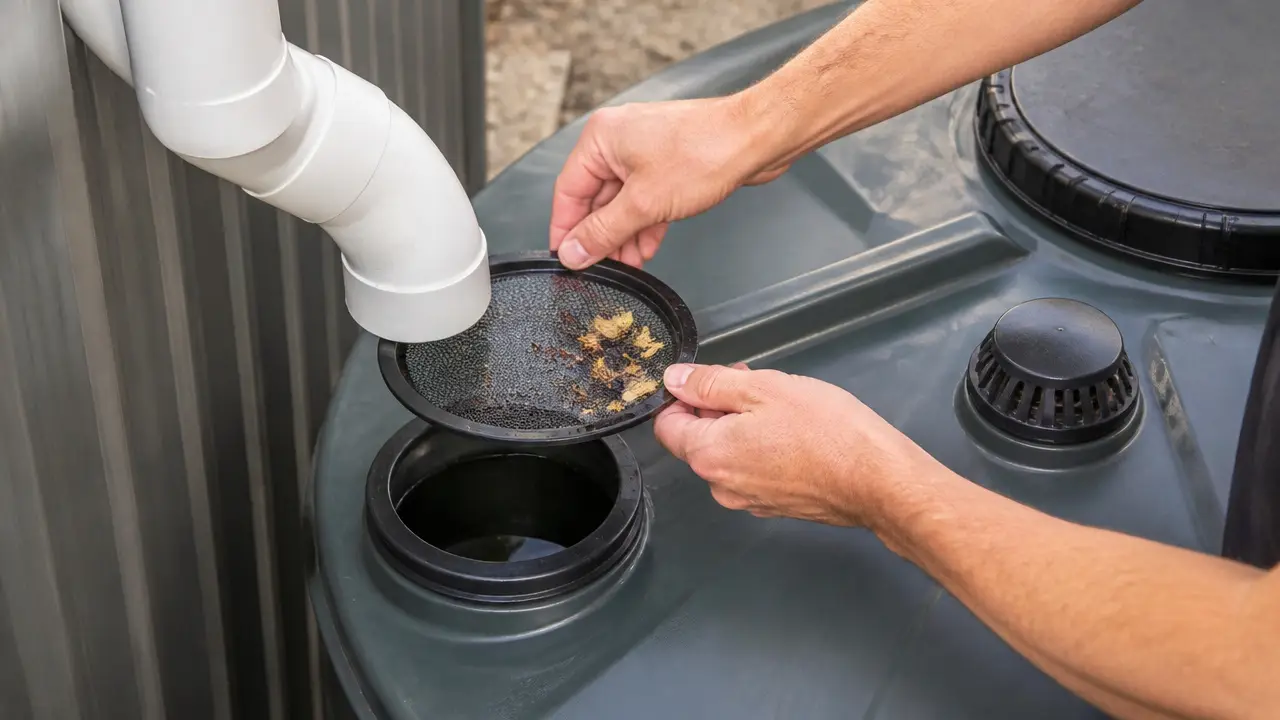
- screening to help keep larger debris and insects out
- a secure barrel or tank
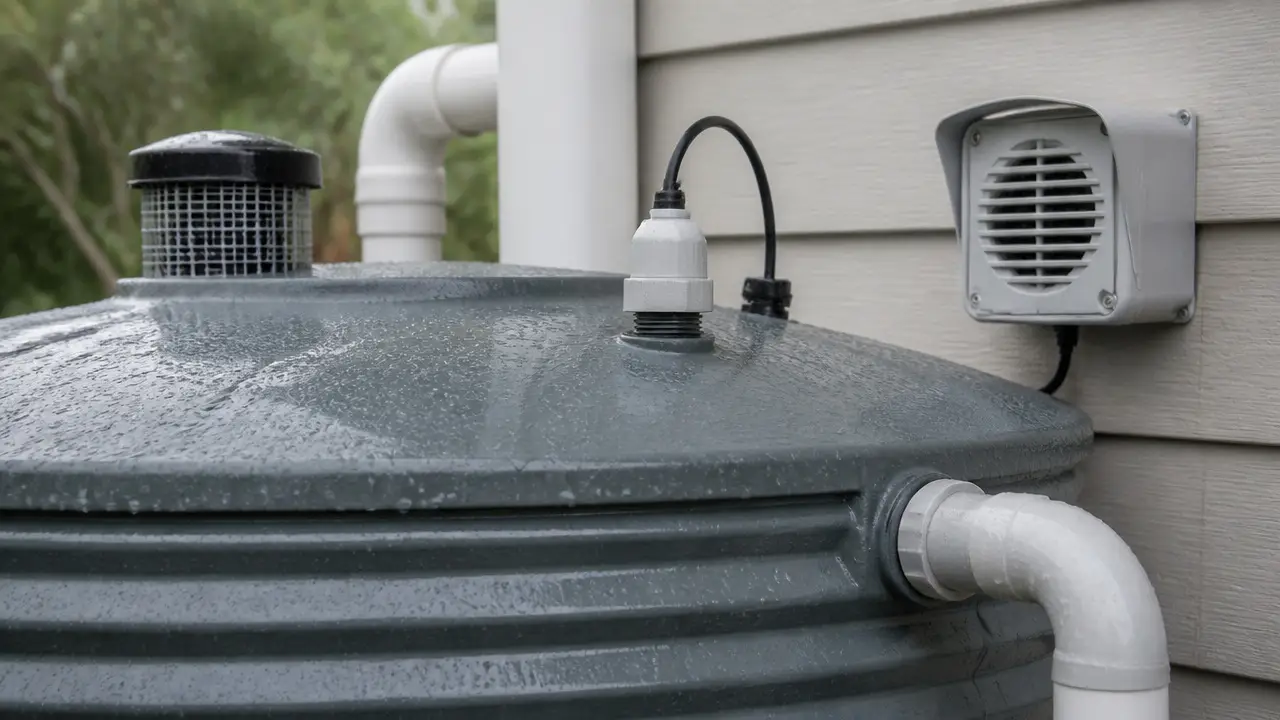
- an overflow outlet
- a safe route for overflow away from the foundation
Do not assume the storage container will absorb every storm.
A rain chain also leaves the water more exposed than a closed downspout. Wind can cause some runoff to miss a small barrel opening. A wide receiving funnel or properly designed inlet may provide better control, as long as it does not create a debris trap or mosquito opening.
Collected roof runoff should normally be treated as non-potable, meaning it is not drinking water, unless the entire collection and treatment system has been designed and maintained for potable use under applicable requirements.
How to Tell If Your Rain Chain Is Overloaded
Watch the system during rainfall from a safe location at ground level. There is no need to climb onto a wet roof or ladder.
Signs that the setup may need improvement include:
- a large amount of water shooting away from the chain
- constant gutter overflow near the outlet
- water hitting the wall
- soil washing away below the chain
- standing water beside the foundation
- a rain barrel inlet missing much of the runoff
- the chain swinging heavily in wind
- water backing up because the gutter outlet is restricted
A little splash is normal. Large amounts of uncontrolled runoff are not.
Ways to Improve Heavy-Rain Performance
If a rain chain works during ordinary rain but struggles during storms, several changes may help.
Use a cup-style chain
Larger, closely spaced cups can provide better water control than simple open links.
Check the gutter outlet
Remove leaves and debris. Make sure the hanger or adapter is not unnecessarily blocking the opening.
Keep the chain vertical
The top should line up with the gutter outlet. Secure the bottom so it does not swing excessively.
Improve drainage below the chain
Use a suitable basin, drain, or drainage area that can receive runoff without sending it toward the foundation.
Provide enough roof drainage
One rain chain should not be expected to solve an undersized roof-drainage system. A large roof may need additional outlets or conventional downspouts.
Changes to major gutter drainage should account for local rainfall conditions, roof layout, and building drainage requirements.
When a Downspout Is the Better Choice
A conventional downspout is usually better when controlling large volumes of water is more important than appearance.
A downspout may make more sense when:
- a large roof section drains to one location
- storms are often intense
- strong winds are common
- the outlet is close to the building
- splashing could damage siding or finishes
- water must be carried through a pipe to a distant drain or tank
- freezing conditions make exposed drainage difficult to manage
A rain chain is not automatically an equal replacement for every downspout.
You can also use rain chains only at lower-flow locations while keeping conventional downspouts where roof runoff is greatest.
What About Freezing Weather?
Rain chains can collect ice during freezing conditions.
Ice adds weight and may create stress on the gutter, hanger, and chain. Frozen water can also block cups or create large icicles.
If freezing weather is common, consider:
- whether the gutter attachment can support ice loads
- whether falling ice could hit people or property
- whether the bottom drainage area can freeze
- whether water can back up when the chain is iced over
Do not stand underneath an ice-covered rain chain or try to break large ice formations from below.
In locations with repeated freeze-thaw cycles, a conventional drainage system may provide more predictable control.
Rain Chains Work Best as Part of a Complete Drainage Plan
Rain chains can handle substantial rainfall when the roof area is reasonable, the gutter outlet is clear, the chain controls the water well, and the bottom drains safely.
But they are not closed pipes. Heavy rain will usually produce more splash than a downspout, especially with open-link chains or strong wind.
If the rain chain sends most water safely to its intended destination without causing gutter overflow, wall splash, erosion, or foundation drainage problems, it is doing its job. If water regularly escapes the system during strong storms, improve the outlet, chain, or drainage path—or use a conventional downspout where greater flow control is needed.
Frequently Asked Questions
Do rain chains overflow during heavy rain?
They can. Cup-style chains may spill over their sides, while link-style chains can lose water through splashing. The amount depends largely on the roof area, rainfall intensity, chain design, and wind.
Are rain chains as effective as downspouts?
Not in every situation. Downspouts enclose the water and usually provide better control when large amounts of runoff must be moved. Rain chains are more open and may splash during heavy rain.
Which rain chain is best for heavy rain?
Cup-style rain chains generally provide better control than simple link chains because the cups catch and redirect the falling water. The entire gutter and drainage system still needs enough capacity for the roof.
Can I connect a rain chain to a rain barrel?
Yes. The barrel needs a suitable inlet, debris protection, and an overflow route. Heavy storms can fill a barrel quickly, so excess water must be directed safely away from the building.
Why is water pouring over my gutter instead of down the rain chain?
The gutter or outlet may be clogged, undersized, poorly sloped, or unable to move the amount of runoff reaching it. Check the gutter and outlet before assuming the chain is the problem.
Should the bottom of a rain chain be secured?
Usually, yes. Anchoring the bottom helps keep the chain aligned and reduces swinging during wind. It does not eliminate wind-driven splash.
Can rain chains damage a foundation?
The chain itself is not usually the problem. Poor drainage below it can be. Runoff should not be allowed to collect beside the foundation. Use an appropriate drainage path or collection system.
Do rain chains work in windy storms?
They can still work, but performance is less predictable. Wind can move the chain and push falling water away from it. A secured chain and well-designed landing area can help, but a downspout may provide better control in very exposed locations.