As an affiliate, we may earn a commission from qualifying purchases. We get commissions for purchases made through links on this website from Amazon and other third parties.
A food-quality water hose is a hose made from materials intended for contact with water or food without adding unwanted chemicals under its stated conditions of use. It is often called a food-grade hose or, when designed for drinking water, a potable-water hose.
The terms are not always interchangeable. If the hose will carry drinking water, look for a clear potable-water rating or recognized drinking-water certification rather than relying only on the words “food quality.”
What Does Food-Quality Mean for a Water Hose?
A food-quality hose is designed so the materials that touch the water are suitable for the hose's intended use.
That can include the:
- Inner hose lining
- Reinforcing layers
- Fittings
- Seals and gaskets
The inner lining matters most because it is in direct contact with the water.
In the United States, the FDA regulates substances used in food-contact materials according to their intended use and conditions. A material being suitable for one food-contact use does not automatically mean every hose made from that material is suitable for drinking water.
For drinking-water systems, a more useful mark to look for is certification to a standard specifically covering contact with potable water.
Food-Quality Hose vs. Potable-Water Hose
Potable means suitable for drinking.
A hose described as food quality may be made for moving water, beverages, or other foods in processing equipment. That does not necessarily mean it has been certified for use in a drinking-water system.
NSF/ANSI/CAN 61 is one standard used for materials and components that contact drinking water. Its scope includes pipes, hoses, fittings, valves, filters, and other water-system parts. The standard looks at contaminants that could enter the water from those materials.
If drinking water is your goal, a hose with a clear potable-water rating and appropriate certification is usually a better choice than one that simply says “food grade.”
How Is It Different From a Regular Garden Hose?
A normal garden hose is mainly designed to move water outdoors. Its materials, lining, and fittings may not be intended for drinking-water contact.
That usually does not matter when watering:
- Lawns
- Trees
- Decorative plants
- General garden areas
It matters more when the hose supplies water that could be consumed.
A food-quality or potable-water hose may be designed to reduce the chance of materials in the hose migrating into the water under its rated conditions.
This does not mean water coming through the hose is automatically safe to drink. The hose only controls one possible source of contamination.
What Should You Look for on the Hose?
Do not choose a hose based only on its color or on broad claims such as “safe,” “non-toxic,” or “food quality.”
Check the manufacturer's documentation for the actual intended use.
Potable-Water Certification
For drinking-water service, look for a recognized certification covering drinking-water contact.
NSF/ANSI/CAN 61 establishes health-related requirements for materials and products used in contact with drinking water. Hoses are among the products that can fall under this standard.
Certification does not mean the hose filters or disinfects water. NSF notes that this standard deals with health effects from materials and does not establish requirements for matters such as microbial growth or taste and odor.
Temperature Rating
Check whether the hose is rated for the temperature of the water you plan to move.
A hose intended only for cold water should not be assumed safe for hot water. Higher temperatures can change how hose materials behave.
The same issue applies to food-contact materials generally. FDA authorizations consider the intended conditions of use, including temperatures and storage conditions.
Pressure Rating
Make sure the hose can handle the pressure produced by your water source or pump.
A gravity-fed rain barrel usually creates much less pressure than a household pump. A pressurized rainwater system can put far more stress on a hose and its fittings.
Do not assume that a food-quality rating also means the hose can withstand your pump pressure.
Connection Size
Check the fittings at both ends.
Common rainwater systems may use:
- Garden-hose threads
- Pipe threads
- Barbed fittings
- Quick-connect fittings
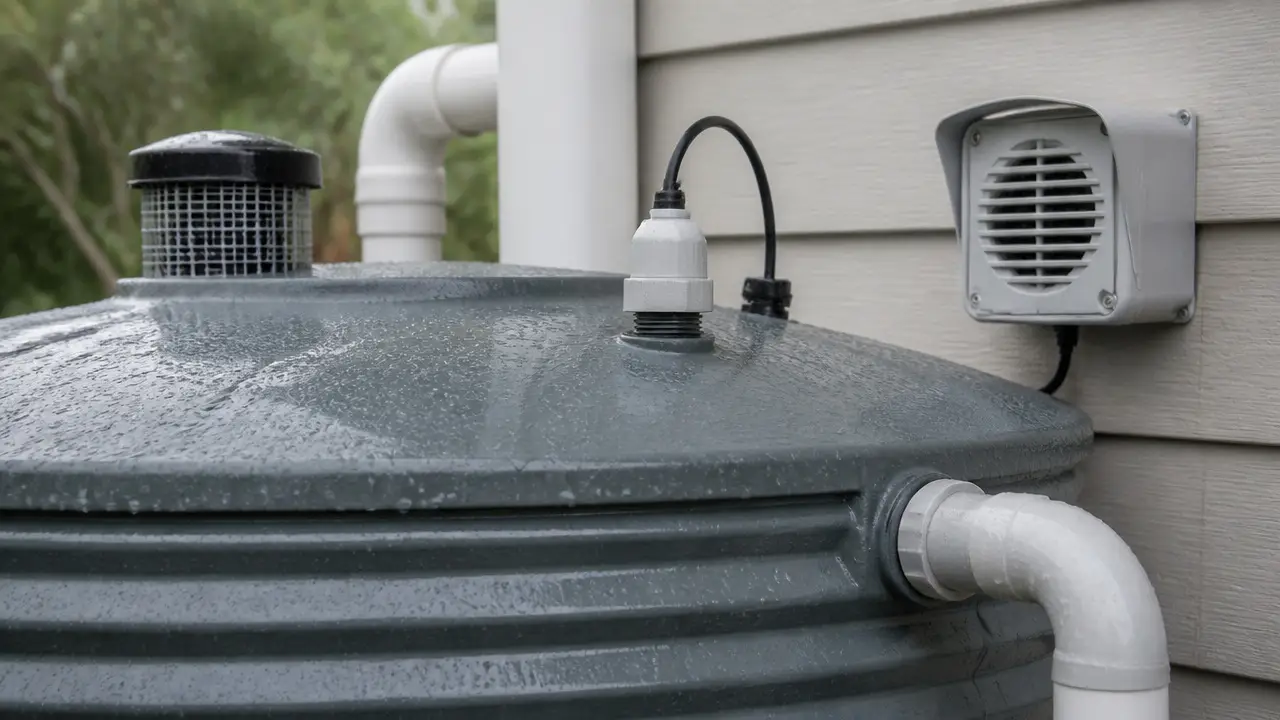
- Tank bulkhead fittings
A bulkhead fitting passes through the wall of a tank and creates a connection for a pipe, valve, or hose.
Confirm both the thread type and size before buying adapters.
Can You Use a Food-Quality Hose With Rainwater?
Yes. A suitable food-quality or potable-water hose can be used to move rainwater.
The right hose depends on what you plan to do with the water.
For a simple rain barrel feeding a garden, a drinking-water-rated hose may not be necessary unless you have another reason to require food-contact materials.
For rainwater used around food preparation, a cabin water system, or another application where people may consume the water, the hose deserves more attention.
But replacing a regular hose with a potable-water hose does not make collected rainwater potable.
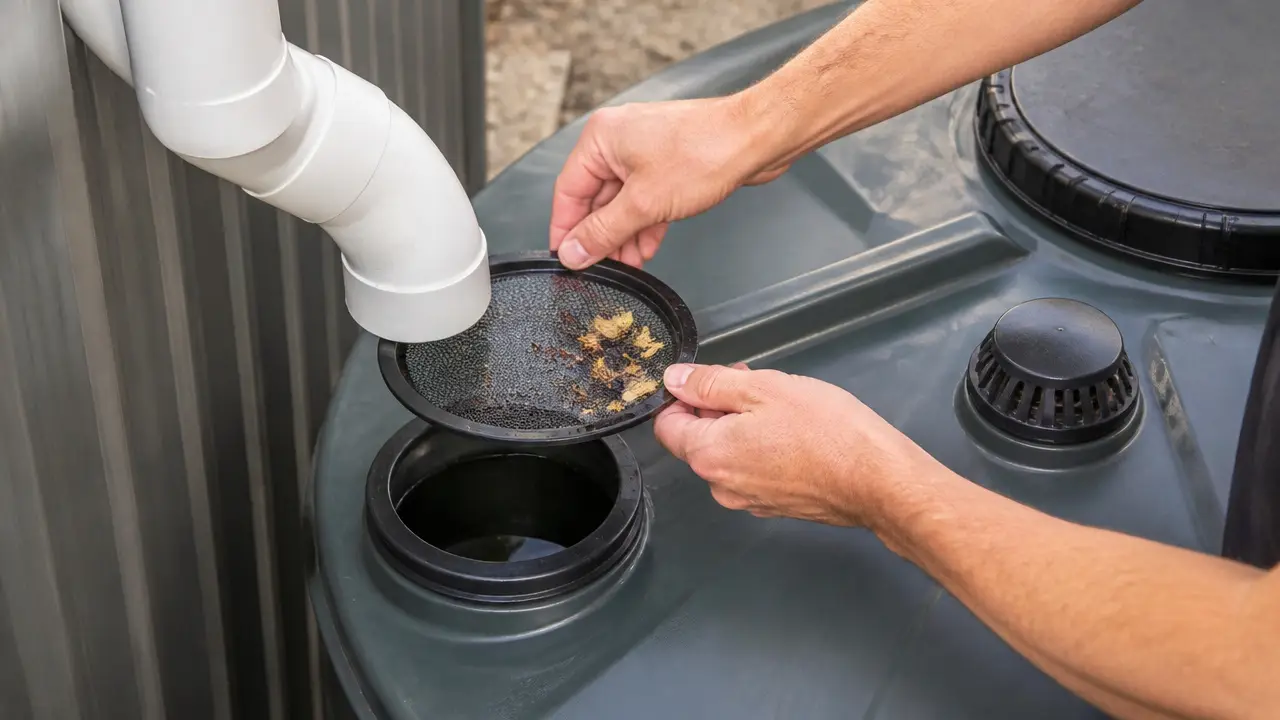
Roof runoff can contain material from:
- Bird and animal waste
- Dust
- Leaves and organic debris
- Roof materials
- Gutters
- Storage tanks
- Pumps and plumbing
Drinking-water use therefore needs to be treated as a complete system. Suitable collection surfaces, debris control, first-flush management where appropriate, treatment, proper storage, maintenance, and current laboratory testing all matter.
A first-flush diverter is a device that diverts some of the first runoff from a roof so accumulated debris does not immediately enter the main storage tank.
Study finding a food-safe water hose to understand installation details that support reliable daily use.
Local drinking-water and plumbing requirements may also apply.
Does a Food-Quality Hose Filter the Water?
No.
The hose is only a way to move water.
It does not normally remove:
- Sediment
- Bacteria
- Viruses
- Dissolved chemicals
- Metals
- Other contaminants
If your rainwater needs treatment, the hose should be considered one part of the plumbing system rather than a treatment stage.
Even a drinking-water-certified hose cannot make contaminated source water safe.
Can Water Sit Inside the Hose?
It is generally better not to leave water sitting in a hose for long periods when water quality matters.
Standing water can warm up, especially if the hose is exposed to direct sunlight. Long periods of stagnant water can also make cleaning and microbial control harder.
For systems where water will be consumed, follow the hose manufacturer's cleaning and sanitation instructions and the requirements for the rest of the water system.
For ordinary garden irrigation, stagnant water is usually less of a concern, although draining the hose can still reduce algae growth, freeze damage, and deterioration.
Using One With a Rain Barrel or Tank
A food-quality hose can work well between a tank and another part of the system if the fittings and operating conditions match.
Before connecting it, check:
- The tank outlet size.
- The hose fitting type.
- Whether the system is gravity-fed or pumped.
- The hose pressure rating.
- The allowed water temperature.
- Whether drinking-water certification is needed for your intended use.
Also consider flow.
A narrow or very long hose creates more resistance to water movement. This can make a gravity-fed rain barrel seem especially slow.
If you need higher flow for irrigation, increasing hose diameter or shortening the hose may help more than changing the hose material.
What About Sunlight and Freezing Weather?
Outdoor conditions matter even when the hose itself is food quality.
Sunlight and heat can age some hose materials. Check whether the hose is rated for outdoor exposure rather than assuming it can stay outside year-round.
In freezing climates, drain exposed hoses and follow the manufacturer's cold-weather limits.
Water expands when it freezes. Trapped water can damage hoses, fittings, valves, filters, pumps, and tank connections.
A food-quality rating does not mean the hose is freeze-proof.
Is “FDA Approved” Enough?
Treat that phrase carefully.
FDA regulates food-contact substances according to their particular materials, manufacturers, intended uses, and conditions. FDA explains that food-contact authorizations can be specific to the substance and its intended application.
Instead of relying on a broad “FDA approved” claim, check exactly what the manufacturer says the finished hose is suitable for.
For drinking water, look specifically for documentation that applies to potable-water contact.
There is also NSF/ANSI 51, which covers materials used in food equipment and can include components such as tubing, seals, gaskets, and valves. It should not be confused with NSF/ANSI/CAN 61, which specifically addresses products that contact drinking water.
Choosing the Right Hose
Start with what the water will be used for.
For basic garden irrigation, a standard outdoor hose may be enough.
If the hose will carry water for drinking or another sensitive use, look for a hose specifically intended and certified for that purpose.
Then check the practical details:
- Correct hose diameter
- Correct fittings
- Suitable pressure rating
- Suitable temperature rating
- Outdoor or UV suitability if exposed
- Manufacturer-approved cleaning method
- Appropriate certification for the intended water use
The safest choice is not simply the hose with the most claims on its label. It is the hose whose documented use matches your water system.
Frequently Asked Questions
Is a food-quality hose safe for drinking water?
Not necessarily. “Food quality” can describe materials used around food or beverages, but it does not always mean the finished hose is certified for drinking water. For drinking-water use, look for a clear potable-water rating and appropriate certification.
What does potable-water hose mean?
Potable means suitable for drinking. A potable-water hose is designed for contact with drinking water under its stated operating conditions.
Is a food-grade hose better than a garden hose?
It depends on the job. For watering a lawn, a standard garden hose may be fine. For water that may be consumed, a hose specifically intended for potable-water contact is more appropriate.
Can I use a potable-water hose on a rain barrel?
Yes, provided the fittings, pressure, temperature, and outdoor-use ratings are suitable. A potable-water hose does not make untreated rainwater safe to drink.
Does NSF/ANSI/CAN 61 mean a hose filters water?
No. The standard addresses health effects from materials that contact drinking water. It does not mean the hose removes contaminants or disinfects the water.
Can I leave a food-quality hose outside?
Only if the manufacturer rates it for the conditions where it will be used. Sunlight, heat, freezing temperatures, and weather exposure can shorten the life of some hoses.
Do the fittings need to be drinking-water safe too?
Yes when the system carries potable water. Water contacts the fittings, valves, seals, adapters, and other plumbing parts as well as the hose, so the entire water path matters.