As an affiliate, we may earn a commission from qualifying purchases. We get commissions for purchases made through links on this website from Amazon and other third parties.
Yes. Hoses made for potable or drinking-water use are widely available, and they are a better choice when water may be used for drinking, cooking, filling a rainwater tank, washing produce, or other uses where you want to limit unwanted chemicals from the hose.
The important point is that “non-toxic” is not a specific safety standard. Instead of relying on that phrase, look for a hose specifically rated for drinking-water contact and, when possible, independently certified for that use.
What Makes a Water Hose Safer?
A normal garden hose is designed mainly for watering plants and washing outdoor surfaces. Its inner lining, fittings, and additives may not have been evaluated for drinking-water contact.
A drinking-water hose is made with materials intended for contact with potable water. Potable simply means water intended for drinking.
One useful certification to look for is NSF/ANSI/CAN 61. This standard evaluates the health effects of materials and components that contact drinking water. Its scope includes pipes, tubing, fittings, and hoses.
As of August 2026, NSF's certification listings include hoses specifically certified under NSF/ANSI/CAN 61.
Certification applies to the exact product listed. Do not assume every hose from the same company or every hose made from the same material has the same certification.
What Should You Look for on the Hose?
When choosing a hose for cleaner water handling, look for clear wording such as:
- Suitable for potable or drinking water
- NSF/ANSI/CAN 61 certification, when available
- Lead-free fittings intended for drinking-water systems
- A stated temperature range that fits your use
- A hose diameter and fittings that match your system
NSF/ANSI/CAN 372 is another standard you may see on fittings and plumbing components. It deals specifically with lead content. It is different from NSF/ANSI/CAN 61, which addresses health effects from materials that contact drinking water.
A label such as BPA-free, lead-free, or phthalate-free can provide useful information, but it does not by itself mean the complete hose has been evaluated for drinking-water use.
Does the Hose Material Matter?
Yes, but the material name alone is not enough to determine whether a hose is suitable.
Drinking-water hoses can be made from several materials, including certain formulations of:
Polyurethane
Polyurethane can make a lightweight and flexible hose. Some polyurethane hoses are produced for drinking-water service.
Do not assume every polyurethane hose is suitable. Check the manufacturer's stated use and certification for the exact model.
Polyethylene
Polyethylene, often shortened to PE, is commonly used in water tubing and piping. NSF listings include PE tubing and hose products certified for drinking-water contact.
It tends to be less flexible than a soft garden hose, so it is often better suited to more permanent water lines.
PVC
Some drinking-water hoses use specially formulated flexible PVC. NSF listings also include flexible PVC hose products certified under NSF/ANSI/CAN 61.
The fact that a hose contains PVC does not tell you whether it is suitable for drinking water. The formulation and certification matter.
Rubber and Synthetic Rubber
Some rubber-type hoses are made for food or potable-water service. Others are intended only for irrigation, industrial liquids, or general outdoor use.
Again, check the exact hose rather than judging it only by the material.
Drinking-Water Hose vs. Regular Garden Hose
| Feature | Drinking-water hose | Typical garden hose |
|---|---|---|
| Intended for potable water | Usually yes | Usually no |
| Water-contact certification | May be available | Often not |
| Lead-free fittings | Common on suitable models | Not guaranteed |
| Good choice for filling drinking-water tanks | Yes, when properly rated | Not recommended |
| Garden irrigation | Yes | Yes |
| Rain barrel use | Yes | Usually acceptable for non-potable irrigation |
If you only use collected rainwater to water ornamental plants, a standard garden hose may be adequate.
If the hose will carry water for drinking, cooking, washing produce, livestock watering, an RV, a cabin, or household reuse, using a hose specifically designed for drinking-water contact gives you a clearer safety standard.
What About a Hose for a Rainwater Tank?
A drinking-water-safe hose can make sense even when the rainwater itself is not being used for drinking.
For example, you might use one to:
- Transfer water between tanks
- Fill an IBC tote or cistern
- Connect a pump to a garden line
- Supply an outdoor sink
- Fill containers
- Move treated rainwater around a cabin or property
First check the connection sizes.
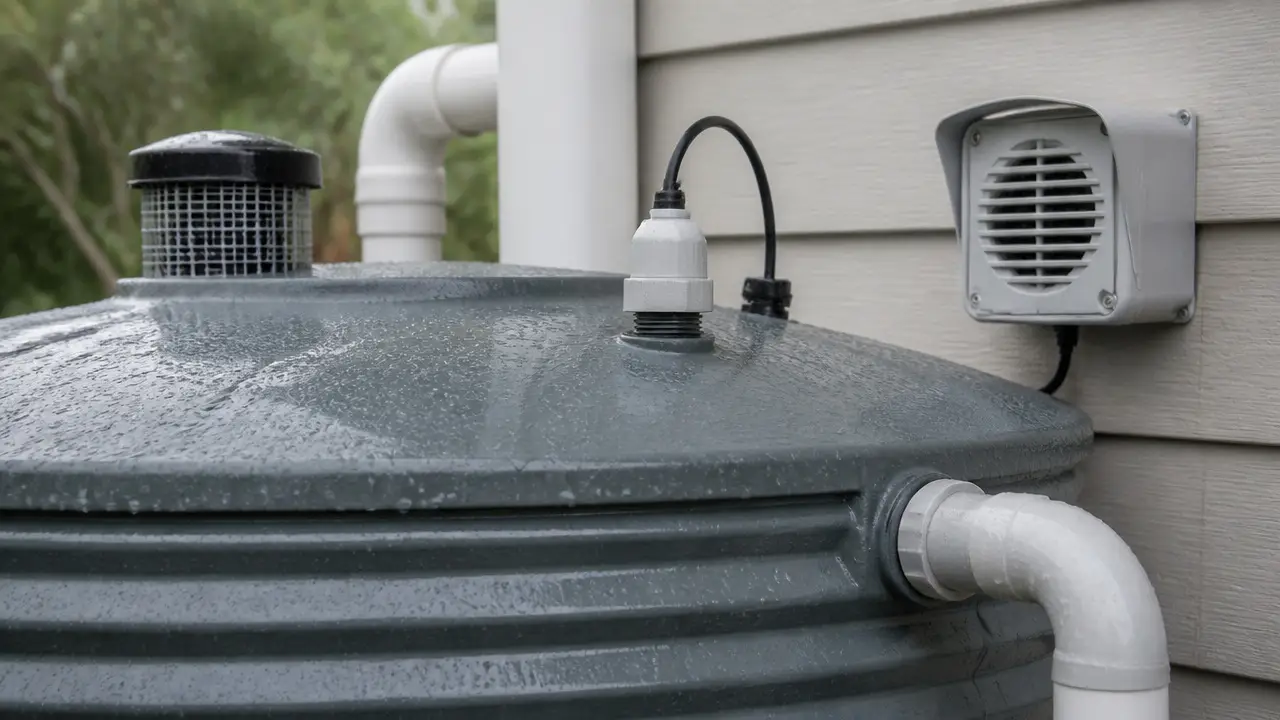
Rain tanks, pumps, filters, and hoses can use different thread types and diameters. A hose that is safe for water contact will not help much if it restricts pump flow or requires a chain of poorly fitting adapters.
For pump-fed systems, the hose must also handle the expected pressure. A lightweight drinking-water fill hose may not be suitable for the discharge side of a higher-pressure pump.
A Drinking-Water Hose Does Not Make Rainwater Drinkable
This distinction is important.
Using a potable-water hose helps prevent the hose itself from becoming an unnecessary source of contamination. It does not make roof runoff safe to drink.
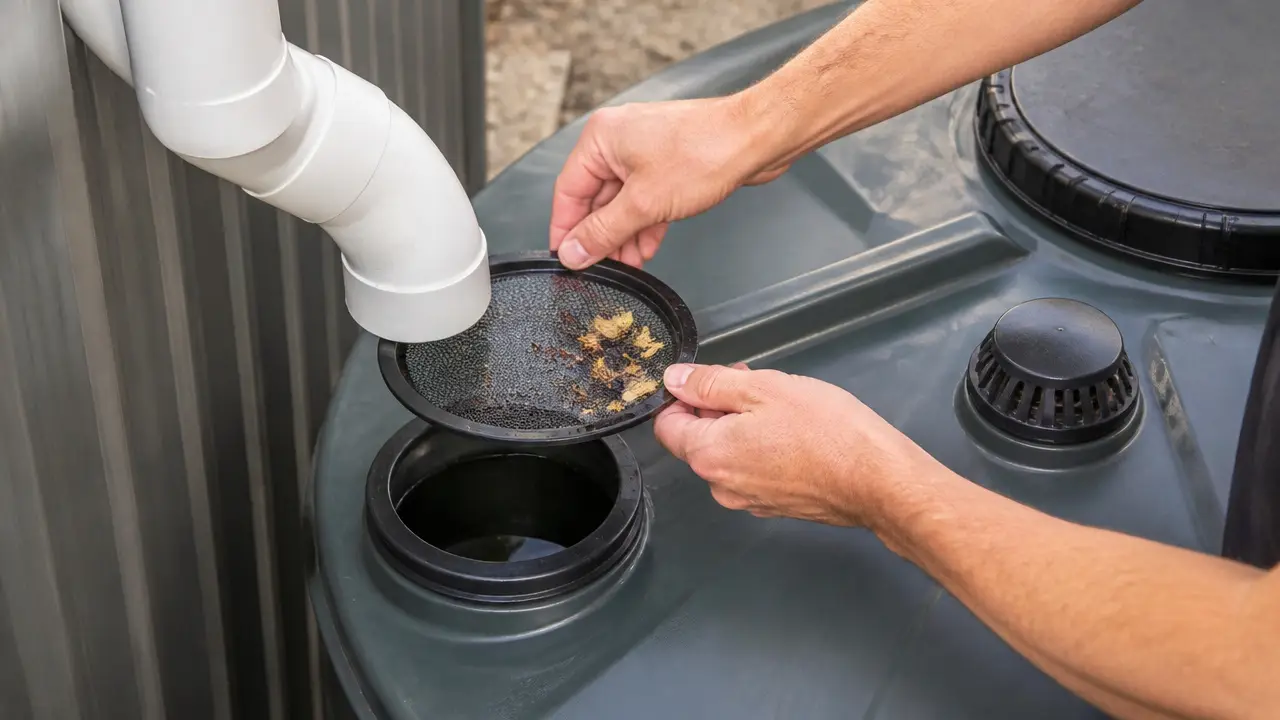
Rainwater can pick up material from roofing, gutters, bird droppings, insects, dust, smoke, and other sources before it ever enters the hose.
Drinking-water use should be treated as a complete system. Depending on the situation, that can involve suitable roof collection, debris removal, a first-flush system, storage, filtration, disinfection or other treatment, maintenance, current laboratory testing, and compliance with local requirements.
Planning around differences between garden and food-grade hoses helps evaluate control options for dependable low-pressure operation.
A first flush diverts some of the first runoff from a roof so that part of the accumulated dirt and debris does not immediately enter the storage tank.
Do not treat a drinking-water hose as a substitute for water treatment or testing.
Avoid Leaving Water Sitting in the Hose
Even a hose made for drinking water should not be treated as a storage container.
Water sitting inside a hose can warm up in the sun. Stagnant warm water can develop unpleasant tastes and odors and can support microbial growth.
For better results:
- Flush a new hose according to its manufacturer's directions.
- Run out water that has been sitting in the hose for a long period before using fresh water.
- Drain the hose when practical.
- Store it away from direct sun.
- Keep the ends off dirty ground.
- Protect the ends from insects and contamination during storage.
For drinking-water systems, keep potable-water hoses separate from hoses used for fertilizers, pesticides, sewage equipment, chemical tanks, or other contamination sources.
Check the Fittings Too
It is easy to focus on the hose lining and overlook the ends.
Water also contacts the couplings, washers, valves, adapters, and other fittings.
For drinking-water applications, use fittings intended for potable-water systems and check any applicable lead-content certification. Avoid adding unknown brass adapters simply because they happen to fit.
This becomes especially important when building a permanent rainwater system with several valves and adapters.
Think About Temperature
A hose may be approved only for certain water temperatures.
Do not assume a drinking-water hose designed for cold outdoor water is suitable for hot water.
NSF certification listings can specify allowable water-contact temperatures for individual products.
If your system may receive hot water, check the manufacturer's temperature rating before connecting it.
What About Freezing Weather?
Most flexible hoses should not be left full of water during freezing weather unless the complete installation is specifically designed for those conditions.
Trapped water expands when it freezes. That can damage the hose, fittings, valves, filters, or pump connections.
For seasonal rainwater systems, provide a way to shut off and drain exposed hose runs before hard freezes. Permanent systems in freezing climates usually need more deliberate freeze protection than simply choosing a heavy-duty hose.
The Best Choice Depends on How You Use the Water
For ordinary yard watering, a general-purpose garden hose can be fine.
For moving water that may contact food or be used around people, a hose clearly made for potable water is a better choice.
For drinking-water applications, look beyond vague terms such as non-toxic or eco-friendly. Check the exact product's intended use, water-contact certification, fittings, pressure rating, temperature limits, and connection sizes.
And when rainwater itself will be consumed, remember that a safe hose is only one small part of a properly designed and maintained drinking-water system.
Frequently Asked Questions
Are non-toxic garden hoses available?
Yes. Hoses marketed for drinking or potable water are available. Rather than relying only on the term "non-toxic," look for a clear drinking-water designation and independent water-contact certification when possible.
What certification should I look for on a drinking-water hose?
NSF/ANSI/CAN 61 is one useful certification. It evaluates health effects associated with materials and products that contact drinking water, including hoses.
Is a BPA-free hose safe for drinking water?
Not necessarily. BPA-free tells you something about one chemical but does not establish that the complete hose is suitable for drinking water. Look for a potable-water rating or relevant certification.
Can I use a drinking-water hose with a rain barrel?
Yes. It can be used with a rain barrel as long as the fittings match and the hose can handle the system's pressure. Using a drinking-water hose does not make untreated rain-barrel water potable.
Can I drink water from a regular garden hose?
A standard garden hose should not be assumed suitable for drinking water. Use a hose specifically designed for potable-water service when the water may be consumed.
Does a lead-free hose mean the water is safe to drink?
No. Lead-free construction addresses only one possible concern. Water safety also depends on the source water, hose materials, fittings, storage, treatment, maintenance, and water quality.
Should I flush a drinking-water hose before using it?
Yes. Follow the manufacturer's instructions for a new hose, and let stagnant water run out before collecting water for a sensitive use. Keeping the hose drained and shaded also helps reduce stagnant warm water.