As an affiliate, we may earn a commission from qualifying purchases. We get commissions for purchases made through links on this website from Amazon and other third parties.
What Is the Biggest Problem With Metal Roofs?
The biggest problem with a metal roof is usually poor installation, not the metal itself.
A well-installed metal roof can last for many years. But small installation mistakes can lead to leaks, loose panels, failed fasteners, condensation, corrosion, and noisy movement as the roof heats and cools.
For homeowners collecting rainwater, installation and roof condition also matter because anything washing off the roof can enter the storage system.
Why Installation Matters So Much
Metal roofs expand when they get hot and contract when they cool down. The movement is small, but it happens every day.
A metal roofing system must allow for that movement. Problems can develop when panels, screws, flashing, or seams are installed incorrectly.
Common trouble spots include:
- Screws driven too tightly or too loosely
- Fasteners placed in the wrong locations
- Poor flashing around chimneys, vents, and roof edges
- Panels that cannot move as temperatures change
- Seams that are not properly joined
- Missing or damaged sealant where the roof design requires it
- Incorrect underlayment beneath the metal
These problems may not be obvious immediately. A roof can look fine while water slowly enters around a fastener or flashing joint.
Leaks Are Often the Main Result
Metal itself does not easily let water through. Most leaks occur at connections.
Possible leak locations include:
- Screws and washers
- Panel seams
- Ridge caps
- Valleys
- Skylights
- Plumbing vents
- Chimneys
- Roof-to-wall connections
Exposed-fastener metal roofs have many screws passing through the roofing material. The rubber washers beneath those screws can age, loosen, or become damaged.
Standing-seam roofs usually have fewer exposed penetrations, but they can still leak if seams, flashing, or clips are installed incorrectly.
Regular inspection is important, especially after strong winds or severe weather.
Condensation Can Cause Hidden Problems
Condensation is another common concern with metal roofing.
Warm, moist air can reach the cooler underside of the roof and turn into water droplets. This can happen even when the roof itself is not leaking.
Good roof design may use insulation, ventilation, vapor-control materials, and suitable underlayment to manage moisture.
Persistent condensation can contribute to:
- Wet insulation
- Mold growth
- Wood damage
- Corrosion on vulnerable metal surfaces
- Water stains inside the building
Because moisture problems can involve the whole roof assembly, fixing condensation is not always as simple as sealing one spot.
Metal Roofs Can Be Noisy
Rain and hail hitting metal can sound louder than they do on some other roofing materials.
How noticeable the noise is depends heavily on what is beneath the metal. A metal roof installed over a properly insulated and finished house may sound very different from metal panels installed over an open shed.
Insulation, roof decking, attic space, and ceiling materials can reduce the sound.
For most homes, noise is more of a comfort issue than a structural problem.
Scratches Can Lead to Corrosion
Many metal roofing panels rely on protective coatings to help prevent corrosion.
Cutting, dragging, walking on, or improperly fastening panels can damage that protective surface.
Small scratches do not automatically mean the roof will rust through. However, exposed metal may be more vulnerable, especially in wet, salty, industrial, or coastal environments.
Different roofing metals also behave differently. Galvanized steel, coated steel, aluminum, copper, and other roofing materials do not have the same corrosion resistance.
Avoid mixing incompatible metals because contact between certain metals can accelerate corrosion.
Denting Can Happen
Some metal roofs can dent during severe hail or if heavy objects strike them.
The risk depends on factors such as:
- Metal thickness
- Panel profile
- Roof support
- Hail size
- Impact force
A dent may be cosmetic, but damage around seams, coatings, or fasteners deserves closer inspection.
Do not climb onto a metal roof to check for damage unless you can do so safely. Metal surfaces can be slippery, particularly when wet.
Metal Roofs Expand and Contract
Temperature changes make metal panels move.
A properly designed system allows this movement without damaging the roof. Problems can occur when panels are restrained incorrectly.
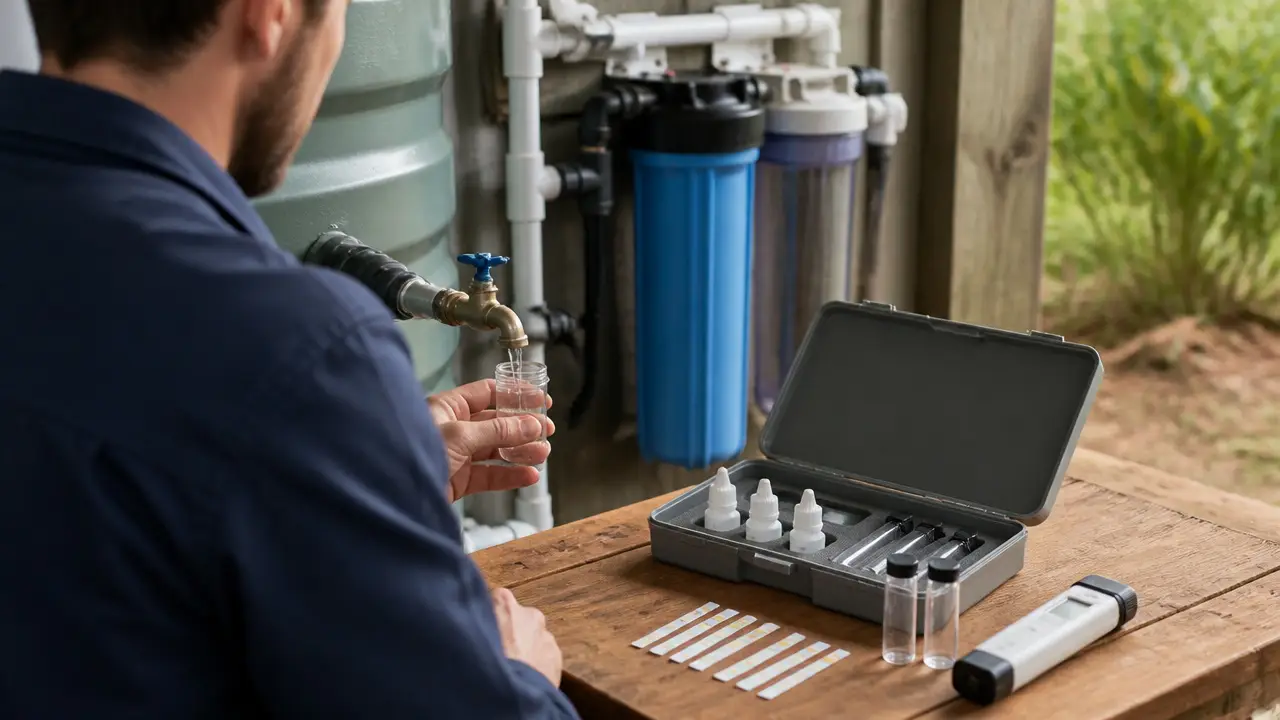
Guidance on health concerns associated with cloudy water helps interpret safety testing and treatment aligned with the planned application.
Repeated movement can contribute to:
- Loose fasteners
- Enlarged screw holes
- Sealant failure
- Buckled panels
- Stress around flashing
This is one reason repairs should match the original roofing system rather than simply adding screws or sealant wherever a leak appears.
Are Metal Roofs Good for Rainwater Harvesting?
Metal roofing can work well as a rainwater collection surface, but the roof material alone does not determine water quality.
Rainwater flowing across a roof can pick up:
- Dust
- Bird and animal droppings
- Pollen
- Leaves
- Metal particles
- Coating residues
- Airborne pollution
The gutters can add more debris.
If you plan to collect runoff, identify the roofing material and coating before deciding how the water will be used. Avoid assuming that a roof described simply as "metal" is automatically suitable for every rainwater use.
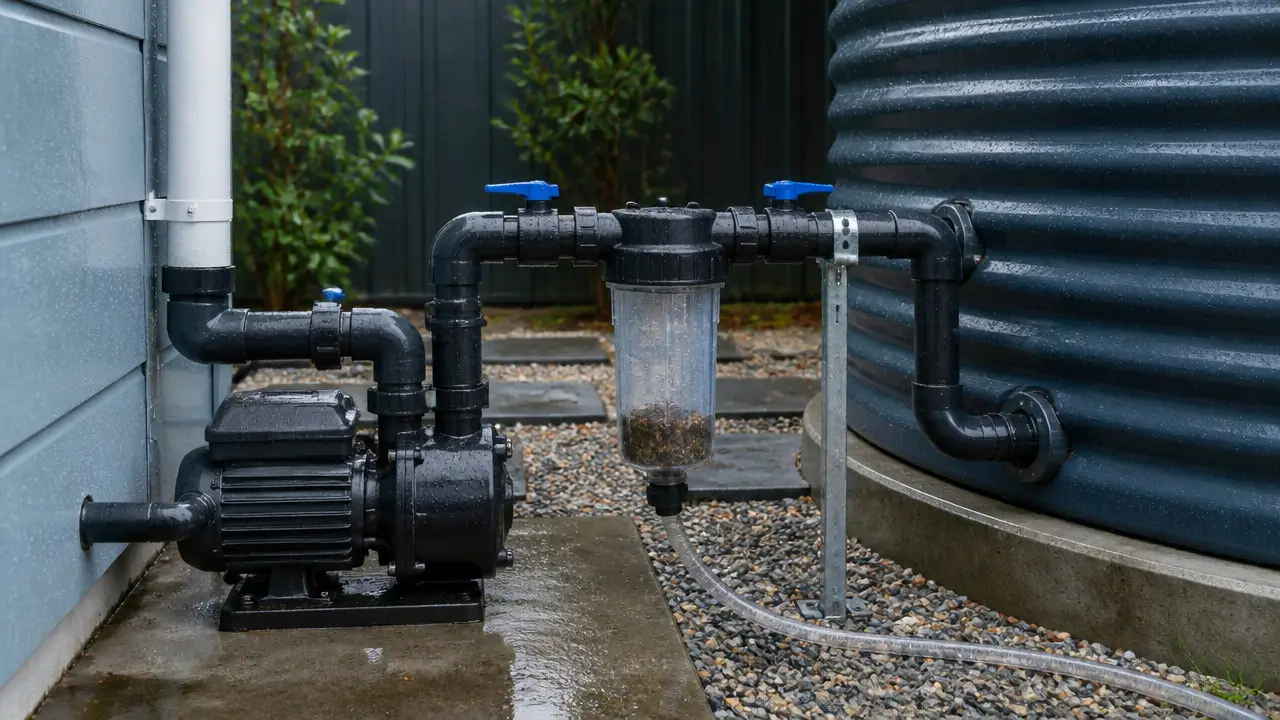
A typical collection system may include gutter screens or other debris control and a first-flush device. A first flush diverts some of the initial roof runoff, which often carries more loose dirt and debris.
Water used for garden irrigation usually has different treatment needs from water intended for household use.
If rainwater may be used for drinking, treat that as a whole-system water-safety decision. The collection surface, storage tank, plumbing, treatment stages, maintenance, current laboratory testing, and local requirements all matter.
Watch for Roof Coatings and Treatments
Older or specialty metal roofs may have paints, coatings, sealants, rust treatments, or repair materials on their surfaces.
Rain running across those materials can carry residues into a rainwater tank.
Before using roof runoff for sensitive uses, determine what materials are present. Be especially cautious when the roof's history is unknown.
Do not assume that clear-looking rainwater is free from contamination.
Maintenance Helps Prevent Bigger Problems
Metal roofs are often described as low maintenance, but they are not maintenance-free.
Useful checks include looking for:
- Loose or missing fasteners
- Damaged flashing
- Rust or coating damage
- Debris trapped in valleys
- Damaged sealant
- Loose gutters
- Changes around roof penetrations
For a rainwater collection system, also keep gutters, screens, first-flush components, and tank inlets clean.
Roof inspection can involve fall hazards. Use ground-level inspection where possible and hire a qualified roofing professional when roof access is needed.
Is a Metal Roof Still a Good Choice?
For many buildings, yes.
Metal roofs can be durable, lightweight, and effective at shedding rain. They can also work well with rainwater harvesting systems.
The main concern is that metal roofing depends heavily on correct installation and compatible materials. A small mistake around a seam, fastener, flashing detail, or roof penetration can cause problems long before the panels themselves wear out.
When comparing roofs, consider the complete roof system rather than the metal sheet alone.
Frequently Asked Questions
Do metal roofs leak more than shingles?
Not necessarily. A properly installed metal roof can shed water very effectively. Leaks usually develop around fasteners, seams, flashing, or penetrations rather than through the metal panel itself.
Do metal roofs rust?
Some metal roofs can corrode if their protective coating is damaged or if they are exposed to aggressive environments. Corrosion resistance depends on the type of metal, coating, installation, and local conditions.
Are metal roofs loud when it rains?
They can be, especially on sheds and other buildings with little insulation. Roof decking, insulation, attic space, and finished ceilings can greatly reduce rain noise inside a house.
Do metal roof screws need maintenance?
Exposed fasteners and their sealing washers should be inspected periodically. Movement, weather, and aging can loosen fasteners or damage washers.
Can condensation form under a metal roof?
Yes. Moist indoor air can condense on a cool roof surface. Proper insulation, ventilation, underlayment, and moisture control are important parts of the roof assembly.
Is runoff from a metal roof safe for a rain barrel?
Metal roofs can be useful collection surfaces, but runoff quality depends on the roof material, coating, surrounding environment, debris, gutters, and intended use. Use debris control and appropriate rainwater-system maintenance, and do not assume collected water is drinkable.
Does a metal roof make rainwater cleaner than other roofs?
Not automatically. Metal roofs may shed debris well, but rainwater can still collect dust, droppings, pollen, pollution, coating residues, and material from gutters. Water quality depends on the whole collection and storage system.