As an affiliate, we may earn a commission from qualifying purchases. We get commissions for purchases made through links on this website from Amazon and other third parties.
A metal roof on a house will often last 40 to 70 years, and some well-built systems can last longer. The actual lifespan depends on the metal, coating, installation, climate, roof design, and maintenance. The Metal Roofing Alliance lists a typical service life of about 40 to 70 years for metal roofing.
That does not mean every metal roof will reach 70 years. Fasteners, sealants, flashing, corrosion, and installation details may fail before the main metal panels do.
How Long Does a Metal Roof Usually Last?
For a good residential metal roof, several decades of service is normal.
Research published by the Metal Construction Association found that certain unpainted, aluminum-zinc-coated steel standing-seam roofs installed using good practices can have an expected service life of more than 60 years. The same research found that smaller parts, such as sealants and fasteners, can become the limiting factor rather than the steel panels themselves.
A useful way to think about metal-roof life is:
| Roof condition | What to expect |
|---|---|
| Poor installation or severe corrosion | Roof life may be much shorter |
| Average quality roof with normal upkeep | Often several decades |
| High-quality system with good installation | 40–70 years is reasonable |
| Certain well-maintained standing-seam systems | May exceed 60 years |
These are general expectations, not guarantees. Two roofs made from similar metal can age very differently.
What Determines How Long a Metal Roof Lasts?
The metal itself matters, but it is only one part of the roof.
Type of metal
Residential metal roofs may be made from steel, aluminum, copper, or other metals.
Steel is commonly protected with a metallic coating and often a painted finish. These layers help keep moisture from reaching the steel underneath.
Aluminum naturally resists corrosion well, which can make it useful in some wet or coastal environments.
Copper can remain in service for a very long time, but it develops a patina as it ages. The green or brown surface is part of the normal aging process.
The exact lifespan depends on the full roofing system, not simply the name of the metal.
Protective coating
Many steel roofs depend on coatings for corrosion protection.
Scratches, damaged paint, exposed cut edges, or failed coatings can allow corrosion to develop. Small damaged areas do not always mean a roof needs replacement, but they should be checked before the damage spreads.
Avoid assuming that repainting automatically adds a certain number of years. The roof condition, preparation, coating system, and installation all matter.
Roof installation
Good installation can be just as important as the panels.
A metal roof must handle water at:
- Valleys
- Ridges
- Eaves
- Chimneys
- Skylights
- Plumbing vents
- Wall connections
- Panel seams
- Fasteners
Poor flashing or badly placed fasteners may create leaks even when the metal panels are still in good condition.
Standing-seam roofs hide or reduce many exposed fasteners, depending on the system. Exposed-fastener roofs have screws and washers that are directly exposed to sun, rain, and temperature changes.
Neither design is automatically trouble-free. Both depend on correct installation.
Climate Can Change Metal Roof Life
Metal roofing performs well in many climates, but the environment can affect how quickly parts of the system age.
Coastal areas
Salt in the air can increase corrosion risk.
The correct metal, coating, fasteners, flashing, and other components become especially important near saltwater. Using incompatible metals can also contribute to corrosion.
Wet climates
Leaves, pine needles, dirt, and other debris can hold moisture against the roof.
The Metal Construction Association recommends regular inspections and notes that removing accumulated debris can help prevent localized corrosion.
Snow and freezing climates
Metal roofs can shed snow quickly. They also go through repeated heating, cooling, freezing, and thawing.
These temperature changes cause metal to expand and contract. A properly designed roofing system allows for this movement.
Snow guards, gutters, flashing, and roof penetrations may also need attention.
Hot and sunny climates
Strong sunlight can slowly weather painted finishes and sealants.
Fading does not necessarily mean the roof has failed. The condition of the protective coating underneath matters more than color alone.
Fasteners and Sealants May Wear Out Before the Panels
One important point about metal roofing is that the sheet metal may not be the first part to reach the end of its useful life.
A roof includes many smaller components:
- Screws
- Washers
- Clips
- Sealants
- Flashing
- Closures
- Pipe boots
- Vent seals
Metal Construction Association research on standing-seam roofing found that sealant service life could determine the overall service life of the roof system. Some fasteners may also require replacement before the panels reach the end of their useful life.
This is why an older metal roof should be judged as a complete system.
A 40-year-old panel may still look good while a seal around a roof vent is leaking.
How to Help a Metal Roof Last Longer
Metal roofs are relatively low maintenance, but they are not maintenance-free.
A few simple habits can reduce avoidable damage.
Keep debris from building up
Leaves, pine needles, branches, and dirt can trap moisture.
Pay special attention to valleys, low-slope areas, gutters, and places where two roof sections meet.
For selecting among roofing materials are safe for rainwater harvesting, first assess unrestricted flow through the gutter and downspout path.
Roof work can be dangerous. Metal can also become very slippery when wet. Use safe ground-based cleaning methods where possible, and hire a qualified roofing professional when roof access is required.
Keep gutters and downspouts clear
Blocked gutters can cause water to back up around roof edges.
If the roof feeds a rainwater collection system, clean gutters are especially important because roof debris can also enter the stored water.
Inspect after major storms
Look from the ground for:
- Loose panels
- Bent flashing
- Missing trim
- Dents
- Fallen branches
- Damaged gutters
- New rust spots
Hail dents do not always mean that a metal roof has lost its ability to shed water. A roofing professional can determine whether the damage is cosmetic or affects the roof system.
Check penetrations
Roof penetrations deserve extra attention as the roof gets older.
These include pipes, vents, chimneys, skylights, antennas, and solar attachments.
The seals around these areas may age faster than the metal panels.
Repair corrosion early
A small damaged coating or isolated rust spot may be repairable.
Widespread corrosion, holes, failing seams, or badly deteriorated flashing require a more complete evaluation.
Do not simply cover serious corrosion with paint. The cause should be identified first.
How Do You Know When a Metal Roof Needs Replacement?
Age alone is not enough.
A 50-year-old metal roof in good condition may have useful life left. A much younger roof with poor installation or severe corrosion may already need major work.
Signs that deserve professional inspection include:
- Repeated leaks
- Widespread rust
- Holes in panels
- Failed seams
- Loose or damaged panels
- Large areas of failed coating
- Deteriorated flashing
- Extensive fastener problems
- Water damage below the roof
- Structural movement or sagging
A few failed screws or a leaking pipe boot may only require repair.
Problems spread across much of the roof can make replacement more practical.
Does a Metal Roof Last Longer Than Asphalt Shingles?
Usually, yes.
Metal roofing is generally chosen partly because of its long service life. The Metal Roofing Alliance gives a typical metal-roof lifespan of roughly 40 to 70 years, while many conventional asphalt roofs have a much shorter replacement cycle.
Still, roof type alone does not determine lifespan.
A correctly installed asphalt roof can outperform a badly installed metal roof. Installation quality, climate, ventilation, roof design, and maintenance all matter.
Metal Roofs and Rainwater Collection
A metal roof can work well as a rainwater collection surface because it sheds water quickly and usually has a relatively smooth surface.
But water coming from a metal roof should not automatically be considered safe to drink.
Rain can pick up contaminants from:
- Bird and animal droppings
- Dust
- Pollen
- Smoke
- Atmospheric pollution
- Leaves and organic debris
- Roof coatings
- Flashing
- Fasteners
- Sealants
- Other roof-mounted materials
If you are installing a new roof and plan to collect rainwater, tell the roofing contractor how the water will be used. Confirm that roof panels, coatings, flashing, sealants, and other materials are suitable for that intended use.
For garden irrigation and other non-potable uses, the treatment needs are normally different from those for drinking water. Non-potable means water that is not intended for drinking.
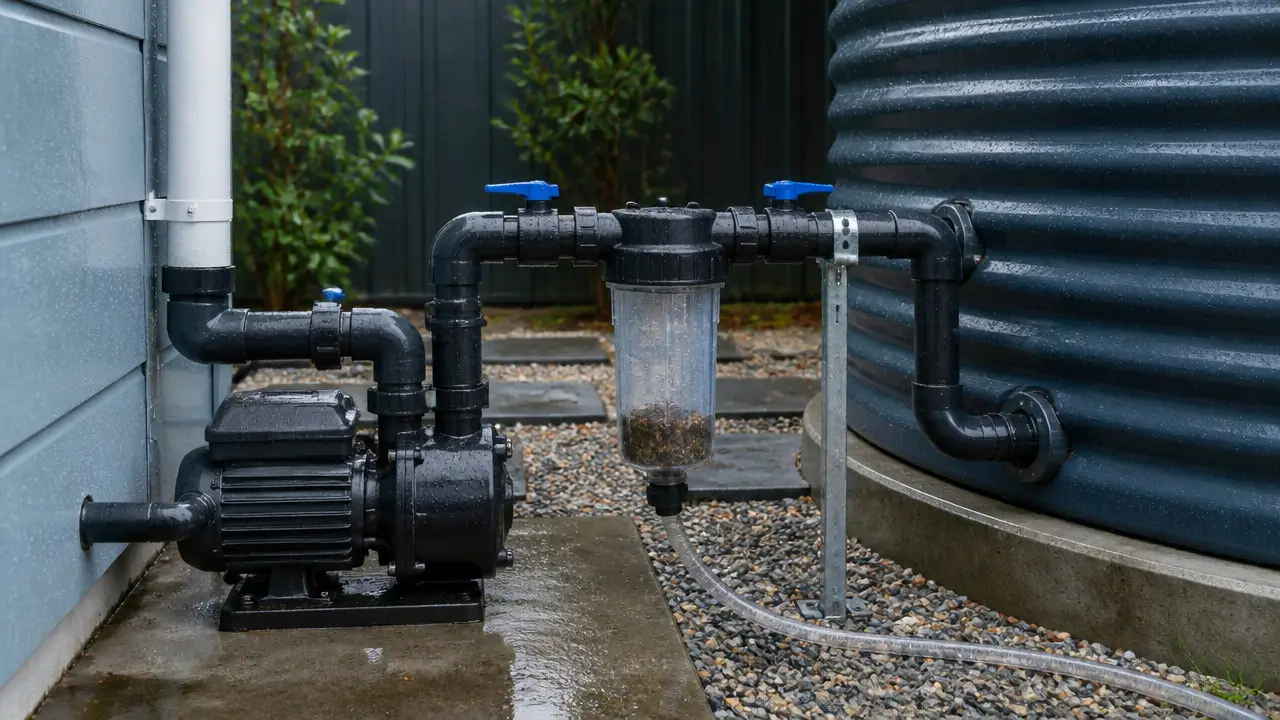
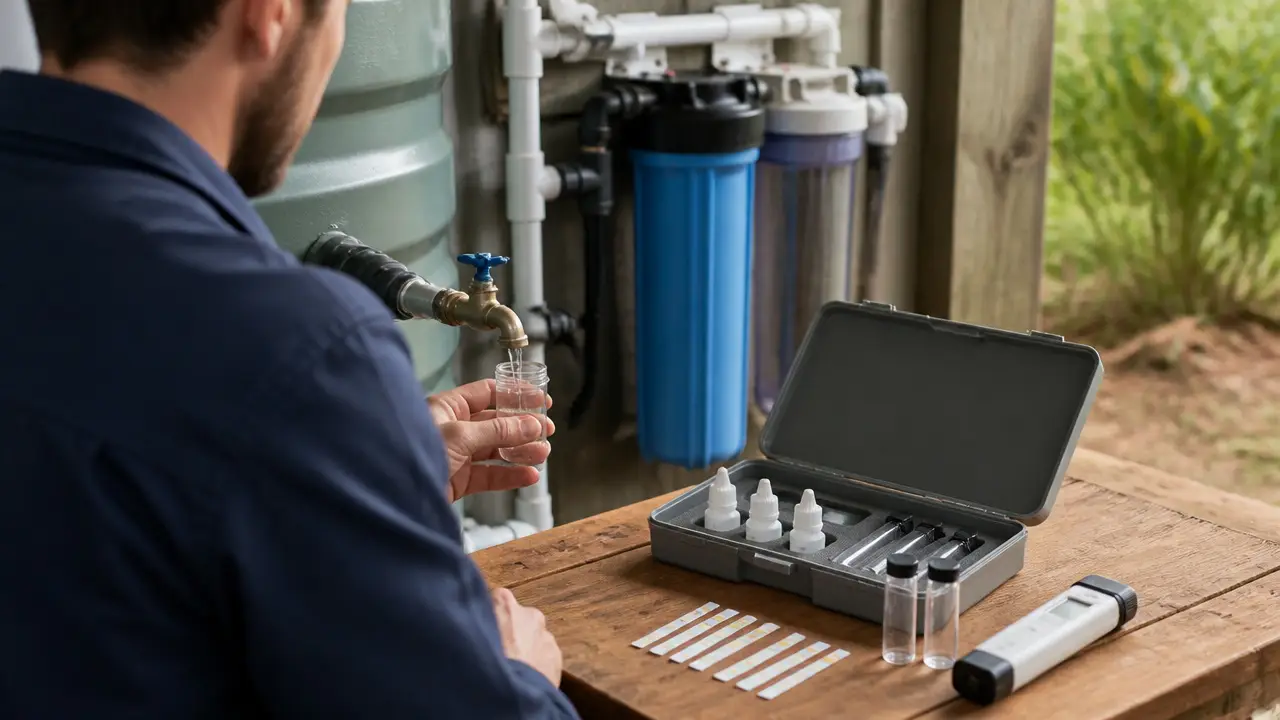
For drinking-water use, consider the entire collection and treatment system. That can include suitable roof materials, debris removal, first-flush management, protected storage, appropriate treatment, regular maintenance, current laboratory testing, and compliance with local requirements.
A first flush device diverts some of the first runoff from a rain event. That early runoff can contain more dust and debris washed from the roof. A first-flush device can reduce some contamination entering a tank, but it does not make the remaining water automatically safe to drink.
The Bottom Line
A residential metal roof can commonly last 40 to 70 years when the materials, installation, environment, and maintenance are suitable. Certain well-designed standing-seam steel roof systems have demonstrated expected service lives exceeding 60 years.
The panels are only part of the picture. Fasteners, flashing, sealants, coatings, and roof penetrations can wear out sooner and may need repair during the roof's life.
Regular inspection, prompt repairs, and keeping debris from holding moisture against the roof give a metal roof the best chance of reaching the longer end of its expected lifespan.
Frequently Asked Questions
Can a metal roof last 50 years?
Yes. A properly installed and maintained metal roof can reasonably remain in service for 50 years. Many metal roofing systems have expected lifespans in the 40-to-70-year range.
Can a metal roof last 100 years?
Some metal roofs may remain in service for extremely long periods, particularly roofs made from long-lasting metals such as copper. However, you should not assume that every metal roof will last 100 years. Panels, coatings, flashing, fasteners, and sealants all affect the useful life of the complete roof.
Does a metal roof need maintenance?
Yes. Metal roofing is relatively low maintenance, but it should still be inspected for debris, corrosion, loose components, damaged flashing, failing seals, and problems around roof penetrations.
Do metal roof screws need to be replaced?
They sometimes do. On exposed-fastener roofing, screws and sealing washers can age before the metal panels. Loose, corroded, damaged, or leaking fasteners should be evaluated and repaired using components appropriate for the roofing system.
Does rust mean a metal roof needs replacement?
Not always. Small areas of surface corrosion may be repairable. Widespread corrosion, holes, failing seams, or severe deterioration can indicate a larger problem. A roofing professional can determine whether repair or replacement makes more sense.
Is a metal roof good for collecting rainwater?
Metal roofing can be a practical catchment surface because it sheds water efficiently. However, collected roof runoff is not automatically safe to drink. Roof materials, coatings, debris, animals, atmospheric contamination, storage conditions, treatment, and intended water use must all be considered.
Should I replace an old metal roof just because it is 40 or 50 years old?
Not necessarily. Condition matters more than age alone. If the panels, seams, flashing, fasteners, and underlying roof structure remain sound, an older metal roof may still have useful service life. A professional inspection can help determine its condition.