As an affiliate, we may earn a commission from qualifying purchases. We get commissions for purchases made through links on this website from Amazon and other third parties.
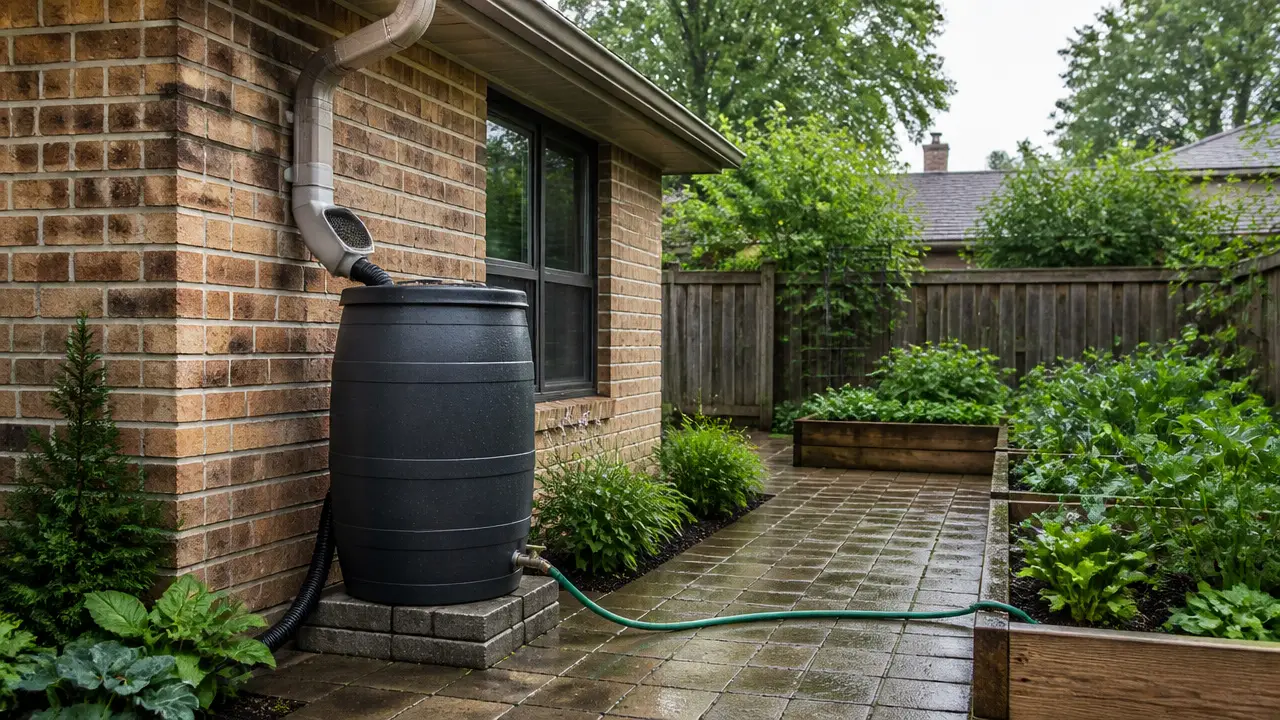
A breather on a rainwater tank or water storage tank lets air move in and out as the water level changes. Without proper venting, filling or draining the tank can create unwanted pressure or vacuum inside it.
In most rainwater systems, the breather is a simple vent opening near the top of the tank. It should allow airflow while also helping keep insects, leaves, and other debris out.
What Does a Tank Breather Do?
A storage tank is not completely static. Its water level rises when rainwater enters and falls when water is used.
That movement also changes the amount of air inside the tank.
When water enters:
- The rising water pushes air out.
- The breather gives that air a safe way to escape.
When water leaves:
- The falling water level creates more empty space.
- The breather lets outside air enter to replace that space.
This helps keep the pressure inside the tank close to normal atmospheric pressure.
Why a Rainwater Tank Needs a Breather
A tank that cannot breathe properly can develop several problems.
It prevents a vacuum from forming
If a pump or gravity outlet removes water faster than air can enter, the pressure inside the tank can drop.
A strong enough vacuum can stress or deform some tanks. Thin-walled plastic tanks are especially dependent on proper venting.
A vent should therefore be large enough for the expected filling and withdrawal rates.
It allows displaced air to escape during filling
Rainwater entering through a downpipe takes up space inside the tank. The air already there must go somewhere.
If the vent is too small or blocked, pressure can build as the tank fills.
It supports normal pump operation
A pump pulling water from a vented storage tank needs air to replace the volume of water being removed.
A blocked breather may contribute to poor flow or unusual tank movement. It can also put unnecessary stress on the tank.
The breather does not create pump pressure. Its job is simply to keep the storage tank properly vented.
It helps protect the tank from pests
A good rainwater-tank vent usually has insect-resistant screening.
This matters because an open hole can allow mosquitoes, insects, or small debris into the tank.
The screen should still provide enough open area for airflow. A screen that is clogged with dirt can act almost like a blocked vent.
Where Is the Breather Located?
The breather is normally installed near the top of the tank, above the normal water level.
Depending on the system, it may be:
- A dedicated vent fitting
- A screened elbow or vent cap
- Part of an overflow arrangement
- A separate screened opening near the tank roof
The exact design depends on the tank and its plumbing.
Do not assume that an overflow pipe always provides enough ventilation. Some tank designs rely on a separate vent, especially when inlet and outlet flow rates are high.
Follow the tank manufacturer's venting requirements when they are available.
Breather vs. Overflow
A breather and an overflow have different main jobs.
| Part | Main purpose |
|---|---|
| Breather or vent | Lets air enter and leave the tank |
| Overflow | Carries excess water away when the tank is full |
Sometimes one fitting or plumbing arrangement can contribute to both functions. However, the system still needs enough open airflow even when water is moving through the overflow.
An overflow pipe should also discharge water to a suitable location rather than letting it collect around the tank foundation.
Does the Breather Need a Filter?
A breather usually needs some type of insect-resistant screen rather than a fine water filter.
The goal is to block pests while keeping airflow restriction low.
Very fine material can clog quickly with dust, spider webs, pollen, or insects. Once clogged, the vent may no longer work well.
Check the tank manufacturer's recommendations before changing the vent screen size or adding another filter.
Can a Breather Let Contamination Into the Tank?
Factor in the effects when you don’t have a vent pipe to assess this choice within the overall harvesting layout.
It can if it is poorly designed or left open.
An unscreened vent may allow:
- Mosquitoes
- Insects
- Dust
- Leaves or plant material
- Small animals in unusually large openings
A screened, correctly positioned vent reduces these risks.
However, a tank breather does not make stored rainwater safe to drink. Roof runoff can contain microorganisms, animal waste, dust, roofing residues, and other contaminants.
If rainwater will be used as drinking water, safety depends on the entire collection and treatment system. That may include suitable roofing and gutters, debris control, first-flush management where appropriate, treatment stages, regular maintenance, current laboratory testing, and compliance with applicable local requirements.
How Large Should a Tank Breather Be?
There is no single vent size that is correct for every rainwater tank.
The required airflow depends on factors such as:
- Maximum rainwater inflow
- Pump withdrawal rate
- Tank size and design
- Overflow design
- Vent-screen restriction
- Manufacturer requirements
The vent must be able to move air fast enough when water enters or leaves.
A large tank does not automatically need a huge vent, but a system with very high inlet or pump flow may require more venting than a small rain-barrel setup.
Avoid reducing a manufacturer's specified vent size.
What Happens If the Breather Gets Blocked?
A blocked breather can cause symptoms such as:
- Tank walls pulling inward as water is removed
- Tank walls bulging during filling
- Unusual noises from the tank
- Reduced water flow
- Air being pulled through other plumbing paths
- Overflow behavior that seems abnormal
If a tank is visibly deforming, stop operating the system until the venting arrangement has been checked. Continued pressure or vacuum can damage some tanks and fittings.
How to Maintain a Tank Breather
Breathers usually need little maintenance, but they should not be ignored.
Periodically check for:
- Insect nests
- Spider webs
- Dirt or dust
- Leaves
- Algae or organic buildup
- Damaged insect screen
- Crushed or blocked vent pipe
Clean the screen gently without enlarging the openings.
Also inspect the breather after storms, construction work, or long periods without tank use.
Should the Breather Be Sealed in Winter?
Do not seal a tank vent simply to keep cold air out. A tank that is being filled or emptied still needs ventilation.
In freezing climates, the system may need a different winter setup. Exposed vent pipes, overflow lines, valves, pumps, and fittings can all be affected by freezing.
Freeze protection should preserve the tank's required airflow while following the manufacturer's cold-weather instructions.
The Main Purpose of a Breather
A breather lets a rainwater storage tank equalize air pressure as its water level rises and falls.
It is a small part of the system, but an important one. A properly sized and screened breather helps protect the tank, supports normal filling and water withdrawal, and keeps pests from entering through an open vent.
Frequently Asked Questions
Is a breather the same as a tank vent?
Usually, yes. In water storage systems, the terms breather and vent are often used for the opening that allows air to enter and leave the tank.
Can a rainwater tank work without a breather?
A tank needs some way to exchange air as water enters and leaves. Some systems vent through another part of the plumbing, but completely blocking airflow can create harmful pressure or vacuum.
Does a breather let water out?
Normally, no. Its main purpose is airflow. Excess water should usually leave through the tank's overflow connection.
Should a tank breather be open to the air?
It must communicate with outside air, but the opening should normally be screened or otherwise protected against insects and debris.
Why does my water tank collapse inward?
Poor venting is one possible cause. If water is removed faster than air can enter, a partial vacuum can develop. Stop using the system if the tank is deforming and check the vent and manufacturer's requirements.
Can I put a fine filter over the tank breather?
Be careful. A very fine filter can restrict airflow or clog quickly. Use vent screening that meets the tank manufacturer's requirements.
Does a breather make stored rainwater safe?
No. A breather only manages airflow. Drinking-water safety depends on the entire collection, treatment, maintenance, and testing process.