As an affiliate, we may earn a commission from qualifying purchases. We get commissions for purchases made through links on this website from Amazon and other third parties.
Most plants can grow well with rainwater. It is often especially useful for plants that are sensitive to salts, hard water, or alkaline tap water.
Fresh rain usually contains fewer dissolved minerals than groundwater or hard tap water. That can reduce salt buildup in pots and soil. However, rainwater collected from a roof can also pick up dirt, bird droppings, roofing particles, and other contaminants. How you collect and use it matters.
Plants That Often Do Well With Rainwater
Rainwater can be used on almost any garden plant when the water is reasonably clean and the soil drains well.
Some plants may benefit more than others.
Acid-Loving Plants
Many acid-loving plants prefer soil with a lower pH. Hard or alkaline tap water can slowly raise soil pH, especially in containers.
Plants that often respond well to rainwater include:
- Blueberries
- Azaleas
- Rhododendrons
- Camellias
- Gardenias
- Hydrangeas
- Ferns
Rainwater does not automatically make soil acidic. Its main advantage is that it often adds fewer alkaline minerals than hard tap water.
If an acid-loving plant is struggling, check the soil pH rather than assuming the water is the only problem.
Houseplants That May Prefer Rainwater
Container plants can be more sensitive to water quality because minerals stay trapped in the pot as water evaporates.
Rainwater may be useful for plants such as:
- Calatheas
- Marantas
- Dracaenas
- Spider plants
- Peace lilies
- Orchids
- African violets
- Carnivorous plants
The benefit varies by plant.
For many houseplants, the main advantage is reduced mineral buildup. White crust around the soil or pot rim can be a sign that minerals from water or fertilizer are accumulating.
Carnivorous Plants Need Extra Care
Carnivorous plants such as Venus flytraps and many pitcher plants are unusually sensitive to dissolved minerals.
Low-mineral rainwater can work well for them, but roof runoff is not automatically suitable. It may contain dust, roofing material, metals, or other contaminants.
For sensitive plants, the water source matters as much as the fact that it came from rain.
Vegetables and Herbs
Most vegetable gardens can be watered with rainwater.
Common examples include:
- Tomatoes
- Peppers
- Lettuce
- Beans
- Peas
- Cucumbers
- Squash
- Carrots
- Basil
- Parsley
Rainwater does not contain enough nutrients to replace fertilizer or healthy soil. Plants still need nitrogen, phosphorus, potassium, and other nutrients from the soil or fertilizer.
Rainwater simply supplies the water.
For edible crops, use cleaner collection practices. Avoid spraying questionable roof runoff directly onto leaves, fruit, or vegetables that may be eaten raw.
Using the water at soil level can reduce contact with the edible parts of the plant.
Berries and Fruit Plants
Many fruiting plants can also be irrigated with collected rainwater.
Examples include:
- Strawberries
- Raspberries
- Blackberries
- Blueberries
- Grapes
- Fruit trees
Blueberries are a particularly good example because they prefer acidic soil and can struggle where irrigation water is strongly alkaline.
But water quality is only one part of blueberry care. Soil pH, drainage, organic matter, and variety also matter.
Flowers and Ornamental Plants
Rainwater works well for most flower beds and landscape plants.
You can use it for:
- Roses
- Petunias
- Marigolds
- Zinnias
- Sunflowers
- Geraniums
- Begonias
- Hostas
Established landscape plants often have access to a larger volume of soil than potted plants. Because of that, they are usually less sensitive to small differences in irrigation water.
Why Some Plants Prefer Rainwater
The main difference is usually mineral content.
Water from wells and municipal systems may contain calcium, magnesium, sodium, bicarbonates, and other dissolved substances. The amount varies greatly by location.
When water evaporates, some of these minerals remain behind.
Over time, they can collect in:
- Potting soil
- Containers
- Irrigation lines
- Drip emitters
- Soil near frequently watered plants
Rainwater usually contains much less dissolved mineral material before it reaches the ground.
This makes it useful for plants that are sensitive to salts or alkaline conditions.
Does Rainwater Have a Better pH for Plants?
Sometimes, but pH should not be the main reason to choose rainwater.
Natural rain is often mildly acidic because it absorbs carbon dioxide from the air. However, actual rainwater pH can change with local air conditions and with the surface used to collect it.
Once rain lands on a roof, travels through gutters, and sits in a tank, its chemistry can change again.
Plants also respond mainly to the pH of the root zone, not simply the pH of the irrigation water.
If you are growing plants with strict pH needs, test the soil or growing medium as well as the water.
Plants That May Be Sensitive to Hard Tap Water
Some plants are more likely to show problems when repeatedly watered with mineral-rich water.
Possible signs include:
- Brown leaf tips
- White deposits on soil
- White crust on pots
- Slow growth
- Nutrient problems caused by unsuitable soil pH
These symptoms can have many causes, so do not assume tap water is responsible without checking other factors.
Overfertilizing, dry air, poor drainage, root damage, and underwatering can produce similar symptoms.
Is Rain Barrel Water Good for Plants?
Rain barrel water is commonly used for landscape irrigation, but its quality depends on the collection system.
Look closely at water-quality needs of garden plants to evaluate a reliable match among connected components.
Roof runoff may contain:
- Dust
- Pollen
- Leaves
- Bird or animal waste
- Roofing particles
- Metals from roof or gutter materials
A simple rainwater system often includes a screen to keep out larger debris.
Some systems also use a first flush diverter. A first flush diverter sends the first portion of roof runoff away from the tank. This water may carry more dust and debris that accumulated on the roof between storms.
These steps can improve stored water quality, but they do not make the water sterile or safe to drink.
Be More Careful With Edible Plants
Rainwater used around edible crops deserves more care than water used on ornamental plants.
When using roof-collected water:
- Keep gutters and screens clean.
- Keep animals and insects out of the storage tank.
- Avoid collecting from questionable roofing materials.
- Do not use water that has an unusual smell, visible contamination, or heavy debris.
- Apply water near the soil when practical instead of spraying the edible part of the plant.
- Wash produce before eating it.
Local health or agricultural guidance may recommend additional precautions depending on how the water is collected and which crops you grow.
Rainwater Is Especially Useful for Container Plants
Pots have limited soil volume.
That means salts can build up more quickly than they do in garden beds.
Using lower-mineral water may help reduce that buildup, especially if your tap water is hard.
Proper drainage still matters. Every pot should have a way for excess water to escape. Otherwise, roots can remain wet even when the water itself is suitable.
Rainwater cannot fix poor drainage.
Can Rainwater Harm Plants?
Rainwater itself is usually suitable for irrigation, but problems can come from storage or collection.
Watch for water that has:
- Oil or chemical contamination
- Heavy sediment
- Strong odors
- Excess algae
- Debris from deteriorating roofing
- Contamination from animals
Long-stored water can also change in quality.
Keep your tank or barrel covered and screened. Prevent mosquitoes from reaching the water. Clean the collection system as needed.
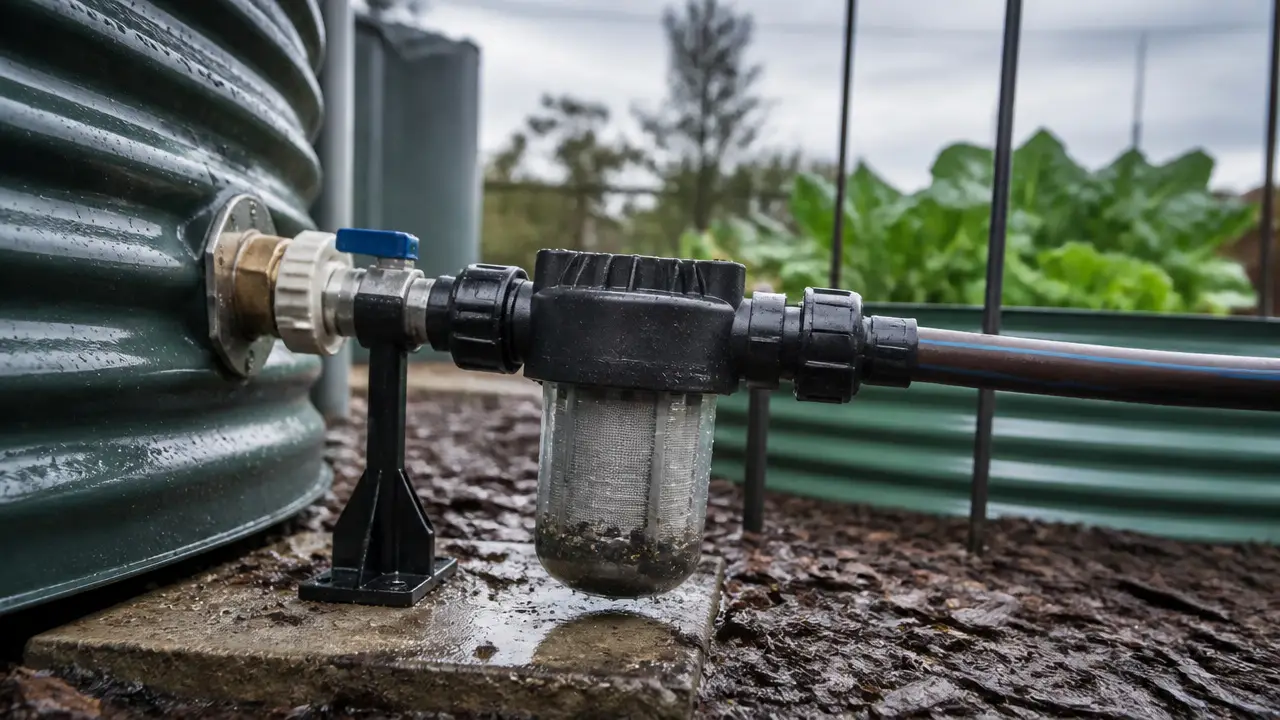
If you use a pump or drip irrigation system, sediment may also clog small openings. A suitable irrigation filter can help protect emitters.
Do Plants Need Tap Water Minerals?
Plants need minerals, but they normally get their nutrients from soil, compost, or fertilizer rather than depending on drinking-water minerals.
Using rainwater does not normally deprive plants of calcium, magnesium, or other nutrients if they are being grown in suitable soil.
Container plants may need regular feeding because potting mixes contain a limited nutrient supply.
Fertilize based on the needs of the plant rather than trying to provide nutrients through irrigation water.
Rainwater vs. Tap Water for Plants
Neither water source is always better.
| Water source | Main advantage | Possible drawback |
|---|---|---|
| Rainwater | Usually low in dissolved minerals | Collection surfaces can add contamination |
| Soft tap water | Easy and dependable | Some softened water may contain extra sodium |
| Hard tap water | Convenient and widely available | Minerals can build up in pots and soil |
| Well water | Readily available at many homes | Mineral and salt levels vary greatly |
If your plants grow well with your existing water, there may be no reason to change.
Rainwater becomes more useful when you have hard water, salt-sensitive plants, acidic-soil plants, or a convenient rainwater collection system.
How to Use Rainwater in the Garden
For a basic garden system, keep things simple.
Collect water from a suitable roof into a covered barrel or tank. Use gutter screens or another form of debris control. Keep the storage container protected from animals and mosquitoes.
Water the soil around the plant rather than relying on frequent light spraying.
Deep watering encourages roots to grow farther into the soil. How often you need to water depends on the plant, soil, weather, container size, and drainage.
Do not keep plants constantly wet just because you have stored rainwater available.
Which Plants Benefit Most?
Rainwater can work for nearly every garden plant, but it tends to be most useful for:
- Acid-loving plants
- Salt-sensitive plants
- Houseplants grown in containers
- Plants affected by very hard irrigation water
- Gardens where mineral buildup is a recurring problem
For most outdoor vegetables, flowers, shrubs, and trees, good watering habits are more important than whether the water came from the sky or the tap.
The goal is to give the root zone enough water without keeping it waterlogged, while keeping the stored rainwater system clean and suitable for its intended use.
Frequently Asked Questions
Is rainwater better than tap water for plants?
Rainwater can be better for plants that are sensitive to salts or hard water because it usually contains fewer dissolved minerals. However, many plants grow perfectly well with tap water.
What houseplants like rainwater?
Calatheas, marantas, dracaenas, spider plants, orchids, peace lilies, and some other sensitive houseplants may benefit from lower-mineral rainwater.
Can I use rain barrel water on vegetables?
Rain barrel water is often used for garden irrigation, but roof runoff can contain contaminants. Keep the collection system clean and, when practical, apply the water to the soil rather than directly onto edible plant parts.
Do blueberries like rainwater?
Yes. Rainwater can be useful for blueberries because they prefer acidic soil and may struggle with strongly alkaline irrigation water. Soil pH still needs to be managed separately.
Can I water orchids with rainwater?
Many orchids can do well with low-mineral rainwater. Make sure the water is reasonably clean and avoid leaving orchid roots constantly wet.
Is rainwater good for succulents?
Rainwater can be used for succulents, but drainage and watering frequency are much more important than the water source. Let the growing medium dry as appropriate for the species.
Does rainwater contain nutrients for plants?
Rainwater may contain small amounts of nutrients and airborne material, but it is not a replacement for fertile soil or fertilizer.
Can stored rainwater go bad for plants?
Stored water can become contaminated with sediment, algae, animal waste, or other material. Keep tanks and barrels covered, screened, and maintained, and avoid using obviously contaminated water.