As an affiliate, we may earn a commission from qualifying purchases. We get commissions for purchases made through links on this website from Amazon and other third parties.
Old houses often had cisterns because a reliable public water supply did not always exist. A cistern gave the household a place to store rainwater or water brought in from another source.
That stored water could then be used during dry weather, when a well was low, or whenever hauling water was difficult.
What Was a Cistern in an Old House?
A cistern was a large water-storage tank. It could be built from brick, stone, concrete, wood, or later materials.
Many were located:
- Under the house
- In a basement
- Beneath a porch
- In the yard
- Near a barn or other outbuilding
Some cisterns were built into the ground. Others were raised so gravity could help move the water.
Roof gutters often carried rainwater into the cistern. In other cases, the cistern was filled from a well, spring, water wagon, or another source.
Why Cisterns Were So Useful
Public Water Was Not Always Available
Today, many homes can get water by opening a faucet connected to a municipal system.
That was not true for many older houses, especially in rural areas.
A cistern let a family collect water when it was available and save it until it was needed. This was especially useful where digging a productive well was difficult or expensive.
For another traditional household model, consider Amish water collection and storage methods that do not rely on a single supply source.
Wells Could Be Unreliable
Having a well did not always eliminate the need for a cistern.
Some wells produced water slowly. Others could drop during dry periods. In areas with deep groundwater, lifting water could also require significant work before electric pumps became common.
A household could use the well when it was producing well and store extra water in a cistern for later.
Rainwater Was Easy to Collect From a Roof
A house already had a large surface exposed to rain. Adding gutters and downspouts made it possible to direct some of that water into storage.
The amount collected depends mainly on roof area and rainfall.
A larger roof can collect more water from the same storm, although some water is always lost through splash, overflow, leaks, and debris removal.
Old systems were often much simpler than modern rainwater systems. They might have had little more than gutters, a storage chamber, and a hand pump.
Stored Water Made Daily Life Easier
Before modern plumbing, carrying water could take a great deal of time and effort.
Having a large supply close to the house made water easier to obtain for jobs such as:
- Washing clothes
- Cleaning
- Watering gardens
- Caring for livestock
- Flushing early plumbing fixtures
- Other household chores
How the water was used varied by household and location.
How Water Got From the Cistern Into the House
Early systems often used buckets or hand pumps.
A hand-operated pitcher pump, for example, could draw water from a cistern and deliver it to a sink or basin.
Some houses later used powered pumps. Others pumped water into a smaller elevated tank and let gravity create water pressure.
Modern systems can use electric pumps, pressure tanks, and automatic controls, but those systems require proper sizing and protection against running dry.
Why Some Cisterns Were Built Under the House
Putting a cistern beneath a house or basement had several advantages.
The water stayed close to where it would be used. An underground tank was also protected from sunlight, which could reduce some algae growth compared with an open container.
Buried storage could also protect water from large temperature swings.
However, an old cistern underneath a building creates concerns today.
A cistern is a heavy structure, and water itself is heavy. One gallon of water weighs a little over 8 pounds. A large tank can therefore place a substantial load on surrounding soil and structures.
Old underground cisterns can also become fall hazards if covers fail.
Do not enter an old cistern. An enclosed tank can be a confined space with dangerous air conditions, unstable surfaces, or contaminated material inside.
Did People Drink Water From Old Cisterns?
Sometimes they did, particularly when better sources were unavailable.
That does not mean untreated cistern water should be considered safe to drink today.
Roof runoff can pick up bird droppings, animal waste, dirt, roofing material, insects, and other contaminants. An old tank may also contain sediment, damaged masonry, organic material, or contamination from decades of use.
Alongside reasons for locating a cistern beneath a house, understand tank venting and overflow control during extended storage.
Modern drinking-water use should be treated as a complete system rather than a simple storage problem. It may require suitable collection surfaces, debris control, a first-flush or similar runoff-management approach, treatment, regular maintenance, and current laboratory testing.
A first flush is a method of diverting some of the first roof runoff from a rain event so that part of the accumulated dirt and debris does not enter the main storage tank.
A filter or disinfecting device by itself should not be taken as proof that old cistern water is potable. Potable means suitable for drinking.
For an old property, professional evaluation is sensible before using cistern water for drinking or connecting it to household plumbing.
What Happened to Cisterns When City Water Arrived?
As municipal water systems expanded, many household cisterns became unnecessary.
Piped water was easier to use and could supply the house continuously without waiting for rainfall or manually pumping stored water.
Some old cisterns were:
- Abandoned
- Filled with soil or rubble
- Sealed
- Converted to other uses
- Left empty beneath houses or yards
This is why homeowners sometimes discover a cistern while renovating a basement, repairing a foundation, or digging in an older yard.
Can an Old Cistern Be Used Again?
Possibly, but it should not automatically be put back into service.
First determine what the structure actually is. Old cisterns can sometimes be confused with wells, septic components, dry wells, or other underground structures.
A reusable cistern needs to be structurally sound and suitable for the intended water use.
Important questions include:
- Are the walls and floor intact?
- Does the tank leak?
- Is the cover secure?
- What materials were used to build or coat it?
- Can surface water or sewage enter it?
- Can it be cleaned without entering the tank?
- Is there a safe overflow route?
- Can insects and animals get inside?
- How will water be pumped out?
- What will the water be used for?
Using stored rainwater for garden irrigation is a different decision from using it inside a house. Drinking-water use carries much greater treatment and testing requirements.
Structural problems, underground access, electrical pump work, or uncertain contamination are good reasons to involve qualified professionals.
Old Cisterns and Modern Rainwater Harvesting
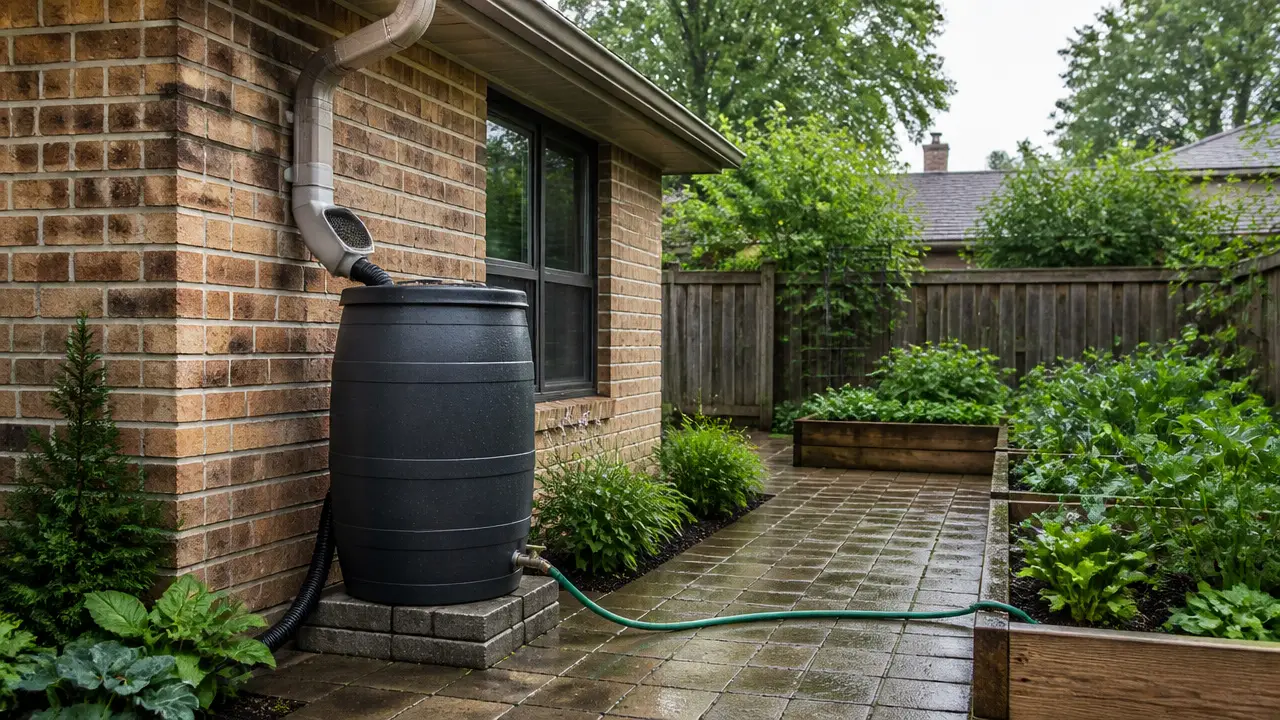
The basic idea behind an old cistern is still used today: collect water when it rains and store it for later.
Modern rainwater systems usually add more control over the process.
A current system may include:
- A suitable roof collection area
- Gutters and downspouts
- Leaf screens or other debris controls
- Runoff diversion or prefiltration
- A sealed storage tank
- A protected overflow
- A pump or gravity-fed outlet
- Treatment appropriate for the intended use
The main difference is not the idea of storing rainwater. It is the amount of attention now given to contamination control, plumbing separation, pumps, maintenance, and intended water use.
If You Find a Cistern at an Old House
Treat it as an unknown structure until you know more about it.
Do not walk on a questionable cover or climb inside.
Look for visible clues such as gutters that once led toward it, old pump pipes, access lids, overflow openings, or abandoned plumbing.
A contractor familiar with old foundations or underground tanks can help assess the structure if it is beneath or close to the house.
If you hope to reuse it for water storage, have the tank, plumbing, and intended use evaluated before connecting new equipment.
An old cistern can be an interesting part of a home's history. It can sometimes become useful again, but age alone tells you very little about whether it is still safe or suitable for water storage.
Frequently Asked Questions
Why did old houses have cisterns if they already had wells?
A well did not always provide water fast enough or reliably throughout the year. A cistern gave the household extra storage and could hold rainwater or water pumped from the well when more was available.
How did old cisterns collect rainwater?
Gutters and downspouts usually carried runoff from the roof into the tank. Some systems had simple screens or strainers, while others had very little debris control.
Were old cisterns usually underground?
Many were, but not all. Cisterns could be located beneath houses, in basements, outdoors below ground, or above ground depending on the property and local building methods.
Can I water my garden with water from an old cistern?
Possibly, but first determine the tank's condition and whether the water may have been contaminated. Avoid using unknown water on edible crops until you understand its source and quality.
Is an old cistern the same as a well?
No. A well reaches groundwater in the soil or rock. A cistern is mainly a storage container that must be filled from rainwater, a well, a spring, delivered water, or another source.
Can I turn an abandoned cistern into a modern rainwater tank?
Sometimes. The structure must be sound, cleanable, safely covered, protected from contamination, and connected to suitable inlet and overflow plumbing. Old underground tanks may need professional inspection before reuse.
Is water from an old cistern safe to drink after filtering it?
Not necessarily. A filter addresses only certain contaminants. Drinking-water use requires an appropriate collection and treatment system, careful maintenance, and current water testing. An old tank may also contain contaminants that a simple filter does not remove.