As an affiliate, we may earn a commission from qualifying purchases. We get commissions for purchases made through links on this website from Amazon and other third parties.
Rainwater does not have a simple expiration date. But stored rainwater can become less suitable for use over time.
The bigger issue is not the age of the water by itself. It is what gets into the water while it is collected and stored. Roof dirt, bird droppings, insects, leaves, sediment, algae, and other contaminants can all affect stored rainwater.
A clean, covered tank will usually keep rainwater in much better condition than an open barrel sitting in sunlight. What counts as acceptable also depends on how you plan to use the water. Water that is reasonable for ornamental plants may not be suitable for washing food, bathing, or drinking.
What Happens to Rainwater When It Sits?
Rainwater does not spoil in the same way that milk or food does. The water molecules do not become old.
Instead, water quality can change while the water is stored.
Several things can happen:
- Sediment can settle on the bottom.
- Bacteria and other microbes can enter or grow.
- Leaves and other organic material can break down.
- Algae can grow if sunlight reaches the water.
- Mosquitoes can breed if they can reach the water.
- The water can develop an odor.
- Roofing, piping, or tank materials can add chemicals to the water.
The CDC notes that collected rainwater can contain germs and chemicals even when it looks clean. Contamination can come from the air, roof, gutters, pipes, storage materials, and animal droppings.
So the important question is not simply, "How old is this rainwater?"
It is, "How was it collected, stored, maintained, and how am I going to use it?"
How Long Can You Keep Rainwater?
There is no universal number of days or months after which rainwater suddenly goes bad.
Rainwater stored in a properly designed cistern may remain usable for a long time, especially for non-potable uses such as landscape irrigation. Non-potable means the water is not intended for drinking.
Water in a small neglected rain barrel may develop problems much sooner.
Storage conditions matter more than the calendar.
Rainwater lasts better when the tank is:
- Opaque or protected from sunlight
- Covered
- Screened against insects
- Protected from rodents and other animals
- Fed through screens or other debris controls
- Equipped with a suitable overflow
- Kept free of large amounts of leaves and organic debris
- Inspected and cleaned as needed
Sunlight is especially important. Light entering a tank can encourage algae growth. EPA guidance also recommends covered storage and protection of openings from insects and animals.
Does Rainwater Go Bad in a Rain Barrel?
It can.
A typical rain barrel has several weak points compared with a larger, well-designed cistern. Leaves can enter through the inlet. Sunlight may reach the water. The barrel may not be completely sealed against insects. Sediment may also build up because the barrel is rarely cleaned.
If you regularly use and refill the barrel for garden watering, these problems may be fairly easy to manage.
A barrel that sits unused for months deserves more attention.
Before using old barrel water, check the barrel for:
- Dead animals or insects
- Heavy algae growth
- Thick sediment
- Rotting leaves
- Unusual foam or oily material
- Strong or unusual odors
- Damage that allows animals or dirty surface water inside
Do not climb into a cistern or large tank to inspect or clean it. Tanks can create confined-space hazards. Use cleaning methods that can be performed safely from outside, or hire someone qualified to service the tank.
Does a Closed Tank Keep Rainwater Fresh?
A closed tank helps a great deal, but it does not guarantee clean water.
Contaminants can enter before the water ever reaches the tank.
Roof runoff may carry:
- Dust
- Pollen
- Bird and animal droppings
- Leaves
- Roofing material residues
- Metals from some roofing or drainage parts
A first-flush diverter can help. This device sends the first portion of roof runoff away from the tank. That first water often carries more dirt and contamination that accumulated on the roof between rains.
Both CDC and EPA guidance recommend measures that keep the dirtiest initial runoff and debris out of rainwater storage.
Screens, gutter cleaning, first-flush control, and good tank design therefore matter before storage even begins.
What Does Bad Rainwater Look or Smell Like?
Stored rainwater may develop obvious warning signs.
Green water
Green water often points to algae. This is more likely when sunlight reaches the tank.
An opaque tank or shaded storage area helps limit algae growth.
Rotten or swampy smell
A foul smell can come from leaves, dead insects, animal material, or other organic matter breaking down.
Look for a source of contamination rather than trying to cover up the smell.
Dark sediment
Some sediment on the bottom of a rainwater tank is normal over time. Large amounts can provide a place for organic material and microbes to collect.
The tank may need flushing or cleaning when sediment becomes excessive.
Cloudy water
Cloudiness can come from suspended sediment, organic debris, algae, or microbial growth.
However, clear water is not proof that the water is safe. Many germs and chemicals cannot be identified by sight, smell, or taste.
Can You Use Old Rainwater on Plants?
Often, yes, especially for ornamental plants, provided the water has not been contaminated by something that could harm the plants, soil, people, or animals.
For example, rainwater that has simply been sitting in a covered barrel is very different from water that contains fuel, chemicals, dead animals, sewage, or floodwater.
Be more cautious when rainwater will be used around edible crops. The source of the water, roofing materials, contamination risks, and the way the water contacts the edible part of the plant can all matter.
If you are unsure about contaminated water, do not assume that plants or soil will make it harmless.
What About Mosquitoes?
Standing rainwater can become a mosquito breeding site if mosquitoes can reach the water.
Use fine screening at tank openings and keep the lid secure.
The CDC advises using a screen to keep mosquitoes out of rain barrels. If that protection is not available, it recommends regularly emptying the barrel, with an interval of at least every 10 days given as a mosquito-control measure.
Also check the overflow, inlet, vent, and any gaps around the lid. A screened inlet does little good if mosquitoes can enter through another opening.
Avoid adding fuels, oils, or unapproved chemicals to stored rainwater to control mosquitoes.
Should You Empty a Rain Barrel Before Winter?
Evaluate rainwater health risks to interpret whether the test results point to cleaning or filter service.
In freezing climates, the condition of the barrel itself can be a bigger concern than the age of the water.
Water expands as it freezes. A full barrel, pipe, valve, filter housing, or fitting can crack when water freezes inside it.
Winter preparation depends on the design of your system and local temperatures. A simple seasonal rain barrel is commonly drained and disconnected before hard freezes.
Larger cistern systems may use buried plumbing, insulation, protected equipment, or other freeze-control methods.
Do not assume that a large volume of water will prevent the system from freezing.
Does Stored Rainwater Become Unsafe to Drink?
Stored rainwater should never be considered safe to drink simply because it looks clear, smells normal, or has been stored in a clean-looking tank.
The CDC states that rainwater is not necessarily safe to drink without removing relevant germs and chemicals. Roof runoff can become contaminated before it reaches storage, and additional contamination can occur inside the system.
Drinking-water use requires a different approach from garden watering.
A potable rainwater system may need suitable collection surfaces, debris removal, first-flush control, tank protection, treatment stages, regular maintenance, and current laboratory testing. Potable means suitable for drinking.
No single sediment filter, carbon filter, UV unit, purifier, boiling step, meter, or test strip can automatically establish that an entire rainwater system produces safe drinking water.
The CDC recommends regular testing for harmful germs and chemicals when collected rainwater is used for drinking. It also recommends getting local health-department guidance about testing and treatment.
Local plumbing and rainwater-use rules can also vary, especially when rainwater is connected to household plumbing.
How to Keep Stored Rainwater in Better Condition
A simple system can avoid many storage problems if contamination is controlled from the start.
Keep the roof and gutters reasonably clean
Leaves, droppings, dirt, and other debris that enter the gutter can eventually reach the tank.
Use inlet screening
Screens stop larger debris and help prevent insects from entering the storage tank.
Clean the screen when it becomes clogged.
Consider a first-flush diverter
The first runoff after a dry period can carry a large amount of roof debris. Diverting part of that flow can reduce what enters the tank.
Keep sunlight out
Use an opaque tank or otherwise prevent light from reaching the stored water.
This helps discourage algae.
Keep every opening protected
Check the lid, inlet, vent, overflow, and other openings.
Mosquitoes and small animals do not need a large opening to get inside.
Remove sediment when necessary
Some sediment will eventually accumulate even in a well-designed system.
How often the tank needs cleaning depends on the amount of debris entering it and how the system is used. There is no useful cleaning schedule that fits every rainwater tank.
Use the water regularly
For a small rain barrel, regular turnover is usually better than leaving the same water untouched for very long periods.
A large cistern is different. It may be designed specifically for longer-term storage, provided the collection and storage system is properly maintained.
When Should You Dump Stored Rainwater?
For ordinary garden systems, replacing the water may make more sense than trying to rescue a badly contaminated barrel.
Consider draining and cleaning the system when you find:
- A dead animal in the tank
- Heavy rotting debris
- Severe algae growth
- An unexplained oily layer
- Chemical contamination
- Sewage or floodwater contamination
- A strong persistent odor
- Major contamination after the tank was left open
Do not drain a large tank where the sudden flow could cause erosion, flooding, property damage, or problems for neighboring land.
If a cistern used for household or drinking-water purposes may have been contaminated, stop using it for that purpose until the situation has been properly assessed. Flooding and heavy rain can introduce germs or chemicals that require cleaning, disinfection, treatment, and testing before the system returns to service.
The Bottom Line
Rainwater does not "go bad" because it reaches a certain age. It becomes a problem when collection or storage conditions allow contamination, algae, insects, sediment, or organic material to build up.
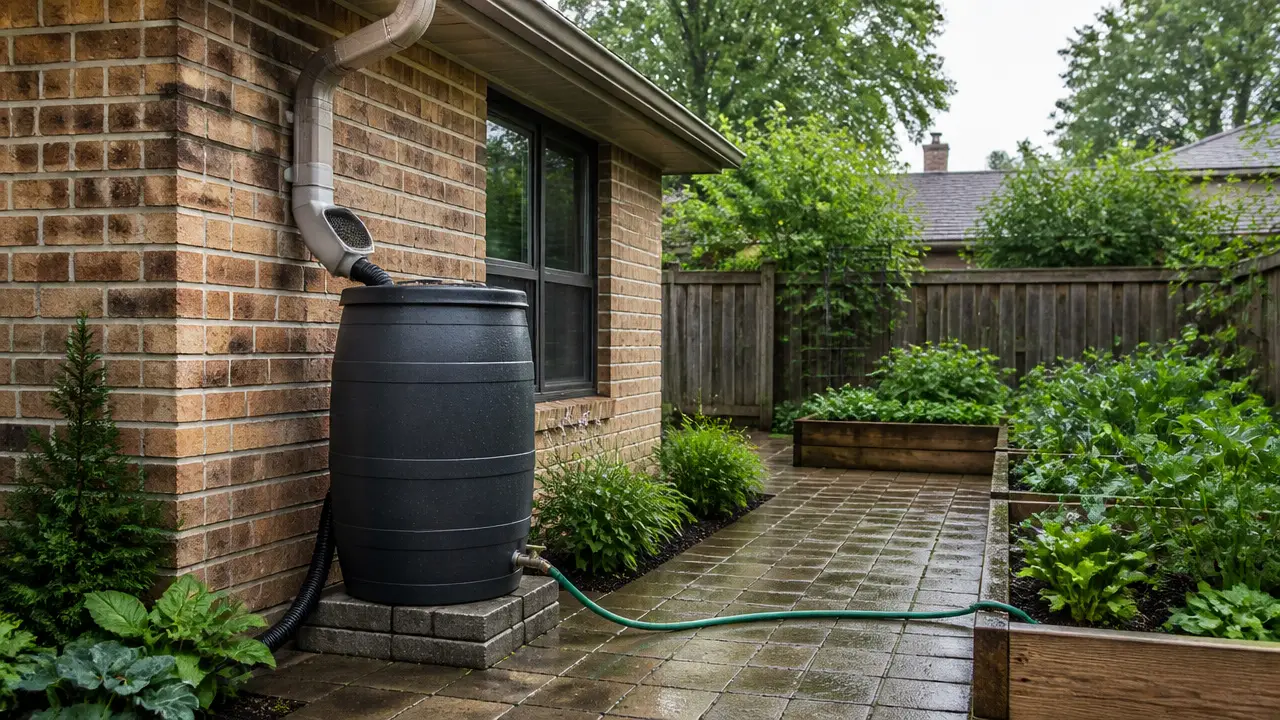
For garden use, a covered, opaque, screened, maintained tank can store rainwater much better than an open barrel.
For drinking, age and appearance are not reliable safety tests. Treat potable rainwater as a complete water-quality system involving suitable collection, treatment, maintenance, laboratory testing, and local requirements.
Frequently Asked Questions
Can rainwater sit in a barrel for months?
It can, but its condition depends on how well the barrel is protected. A covered, opaque, screened barrel is much less likely to develop algae, insects, and debris problems than an open barrel. Inspect old water before using it and consider draining and cleaning a neglected barrel.
Is smelly rainwater safe for plants?
A mild earthy smell may come from organic material, but a strong or unusual odor means you should investigate the cause. Do not use water contaminated by sewage, fuels, chemicals, dead animals, or other questionable material simply because it is going on plants.
Why did my stored rainwater turn green?
Sunlight is usually a major factor. Light allows algae to grow in stored water. Keep the tank opaque and prevent sunlight from entering through the lid or other openings.
Do I need to change the water in my rain barrel?
There is no fixed replacement schedule for every barrel. Regular use and turnover are helpful. Keep the barrel clean and screened, and drain it when contamination or heavy buildup makes cleaning necessary.
Can old rainwater be filtered and then drunk?
Filtering alone does not establish that old rainwater is safe to drink. Drinking-water systems must address the specific germs and chemicals that may be present. Proper treatment, maintenance, laboratory testing, and local guidance are needed.
Can clear rainwater still be contaminated?
Yes. Harmful germs and chemicals may be present without changing the water's color, taste, or smell. Clear appearance should not be used as a drinking-water safety test.
Does keeping a rainwater tank in the shade help?
Yes. Keeping sunlight out helps reduce algae growth and can improve storage conditions. An opaque tank is preferable because shade can move during the day or change with the seasons.