As an affiliate, we may earn a commission from qualifying purchases. We get commissions for purchases made through links on this website from Amazon and other third parties.
Rainwater usually has a slightly low pH. Fresh, normal rain is often around pH 5.6, which means it is mildly acidic rather than neutral. This happens because rain absorbs carbon dioxide from the air and forms a weak acid called carbonic acid.
That does not mean all collected rainwater will have a pH of 5.6. Once rain touches a roof, gutter, tank, or other surface, its pH can move higher or lower.
What pH Does Rainwater Usually Have?
The pH scale runs from 0 to 14:
- Below 7 is acidic.
- 7 is neutral.
- Above 7 is alkaline, also called basic.
Normal rain is commonly about pH 5.6. Carbon dioxide in the atmosphere dissolves into the water and forms a small amount of carbonic acid. This natural process makes rain slightly acidic even when the air is relatively clean.
Rain affected by additional acidic air pollutants can have a lower pH. The EPA notes that acid rain is commonly around pH 4.2 to 4.4.
Why Collected Rainwater May Have a Different pH
The rain entering your tank is not the same as rain measured before it touches anything.
Water can react with:
- Roofing material
- Dust and dirt
- Leaves and organic debris
- Gutters and downspouts
- Concrete or masonry
- Tank materials
- Sediment inside the tank
- Minerals introduced elsewhere in the system
Some materials can raise the pH. Others can lower it.
For example, water in contact with materials containing calcium carbonate may become less acidic. Organic material breaking down in a dirty gutter or tank can also affect water chemistry.
Because of this, measuring your actual stored water is more useful than assuming it has the pH of fresh rainfall.
Is Low-pH Rainwater a Problem?
It depends on what you plan to do with the water.
For many garden uses, slightly acidic rainwater may not cause a problem. Soil and minerals can also change the water's pH after irrigation.
Low pH matters more when rainwater is used in systems containing metals, pumps, plumbing, treatment equipment, or sensitive irrigation setups.
Acidic water can be more corrosive to some materials. Over time, this may contribute to wear or increase the amount of certain metals that enter the water.
This is one reason system materials should be chosen for their intended water use rather than based on pH alone.
Does a Rain Barrel Change the pH?
It can.
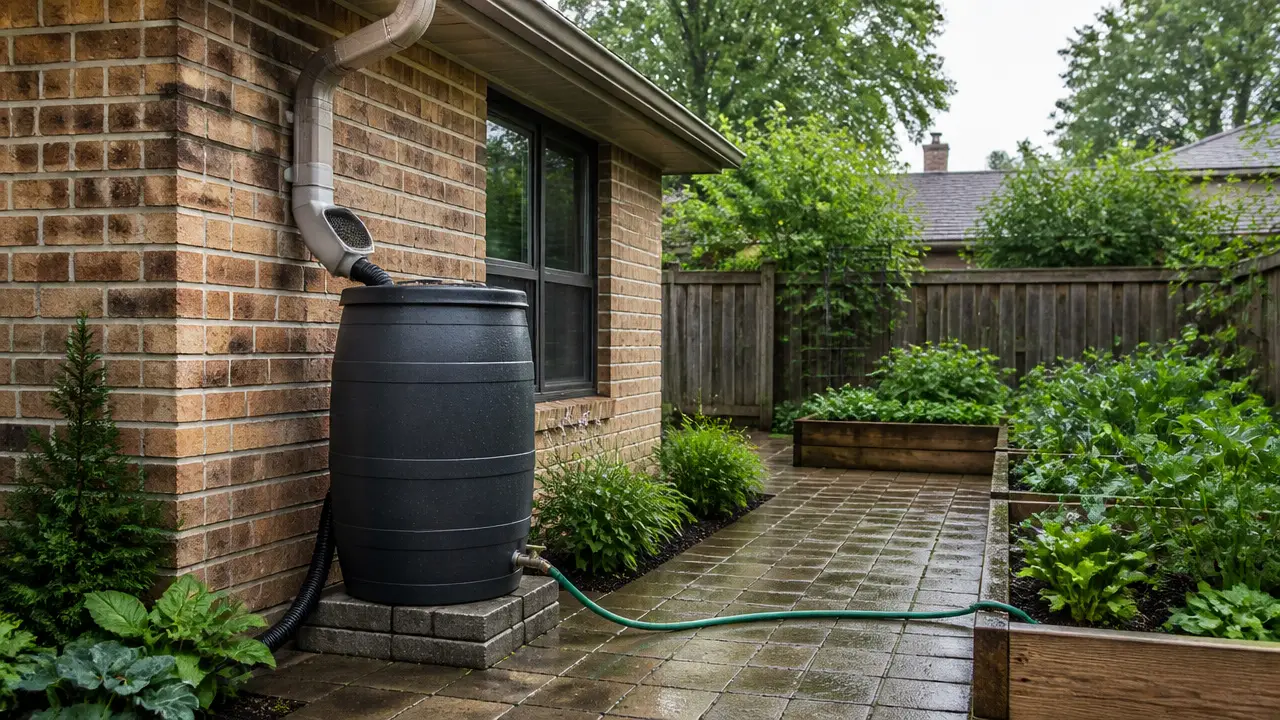
A plastic rain barrel usually does not add much mineral content by itself, but everything upstream can affect the water.
A barrel receiving runoff from a roof may contain:
- Fine roof particles
- Pollen
- Dust
- Bird and animal waste
- Plant material
- Gutter debris
A first-flush diverter can reduce some of the material carried from the roof during the beginning of a rain event. It diverts an initial portion of dirty runoff before cleaner runoff is allowed into storage.
It does not remove every contaminant, and it should not be treated as a water purification device.
Can You Test Rainwater pH at Home?
Yes. A pH meter or suitable pH test strips can give you a useful reading.
For the most useful result, test the water you actually plan to use rather than collecting a few drops of rain directly from the sky.
For example, if you irrigate from an IBC tote, take the sample from the tote or outlet. If you use a cistern, test the stored cistern water.
A digital meter should be calibrated and maintained according to its instructions. Poorly maintained meters can give misleading readings.
Remember that pH measures acidity or alkalinity only. It does not tell you whether rainwater contains bacteria, parasites, metals, chemicals, or other contaminants.
Is Low-pH Rainwater Safe to Drink?
Planning around key facts about the pH level of rainwater helps interpret how to interpret the readings without assuming complete safety.
A pH reading cannot establish that collected rainwater is safe to drink.
Roof runoff can pick up contamination from roofing materials, animals, airborne material, gutters, and storage equipment. Water that has an acceptable pH can still contain contaminants you cannot see, smell, or measure with a pH meter.
Drinking-water use should be treated as a complete system. It may require suitable collection surfaces, debris control, first-flush management, protected storage, appropriate treatment stages, regular maintenance, and current laboratory testing.
Local plumbing and drinking-water requirements may also apply.
Do not use a normal pH reading as proof that collected rainwater is potable. Potable means suitable for drinking.
Should You Raise the pH of Rainwater?
Usually, you should first determine whether the pH is actually causing a problem.
There may be little reason to adjust mildly acidic rainwater used for basic outdoor watering.
Adjustment may deserve more attention when the water is being used with:
- Metal plumbing
- Pressure systems
- Household fixtures
- Sensitive plants
- Specialized irrigation
- Water-treatment equipment
Do not add chemicals to a tank simply to chase a particular pH number. Water chemistry can be more complicated than one measurement suggests.
For household or drinking-water systems, treatment changes should be based on proper water testing and the requirements of the complete system.
The Bottom Line
Yes. Rainwater naturally tends to have a lower pH than neutral water.
Normal rain is commonly around pH 5.6 because it absorbs carbon dioxide from the atmosphere.
However, the pH of harvested rainwater can change after it contacts your roof, gutters, tank, sediment, and other system materials.
If pH matters for your intended use, test the water from the actual storage system. And if the water may be used for drinking, remember that pH is only one water-quality measurement and cannot tell you whether the water is safe to consume.
Frequently Asked Questions
Is rainwater acidic or alkaline?
Fresh rainwater is normally slightly acidic. A typical value is around pH 5.6 because carbon dioxide dissolves into the rain and forms weak carbonic acid.
Why isn't normal rainwater pH 7?
Rain absorbs carbon dioxide from the atmosphere. The carbon dioxide reacts with water to form carbonic acid, which lowers the pH below the neutral value of 7.
What pH is considered acid rain?
Normal rain is about pH 5.6. The EPA reports that acid rain commonly has a pH of about 4.2 to 4.4.
Can a roof change rainwater pH?
Yes. Roofing material, dust, debris, minerals, and other material on the collection surface can change the water's chemistry before it reaches your tank.
Is pH 5.6 rainwater safe for plants?
Many plants can tolerate slightly acidic water, but plant needs and soil conditions differ. Soil often has a much greater effect on root-zone pH than the pH of a single rainfall event.
Does a rainwater tank change water pH?
It can. Tank materials, sediment, organic debris, and minerals entering the system may cause the pH to change during storage.
Can a pH meter tell me if rainwater is safe to drink?
No. A pH meter only measures acidity and alkalinity. It cannot detect most microbes, metals, chemicals, or other contaminants that may make collected rainwater unsafe to drink.