As an affiliate, we may earn a commission from qualifying purchases. We get commissions for purchases made through links on this website from Amazon and other third parties.
Yes. pH strips can give you a quick estimate of how acidic or basic water is. They are useful for checking rainwater, stored water, well water, irrigation water, and other household water sources.
But a pH strip measures pH only. A normal pH result does not mean the water is safe to drink. Bacteria, lead, nitrates, pesticides, and other contaminants can be present even when the pH looks normal.
What Do pH Strips Measure?
pH tells you whether water is acidic, neutral, or basic.
The pH scale usually runs from 0 to 14:
- A pH below 7 is acidic.
- A pH of 7 is neutral.
- A pH above 7 is basic, also called alkaline.
pH strips contain chemicals that change color when they touch the water. You compare that color with the chart supplied with the strips.
The result is usually best treated as an estimate, not a precise laboratory measurement.
Can You Use pH Strips on Rainwater?
Yes. pH strips are a simple way to check the pH of collected rainwater.
You might test water from:
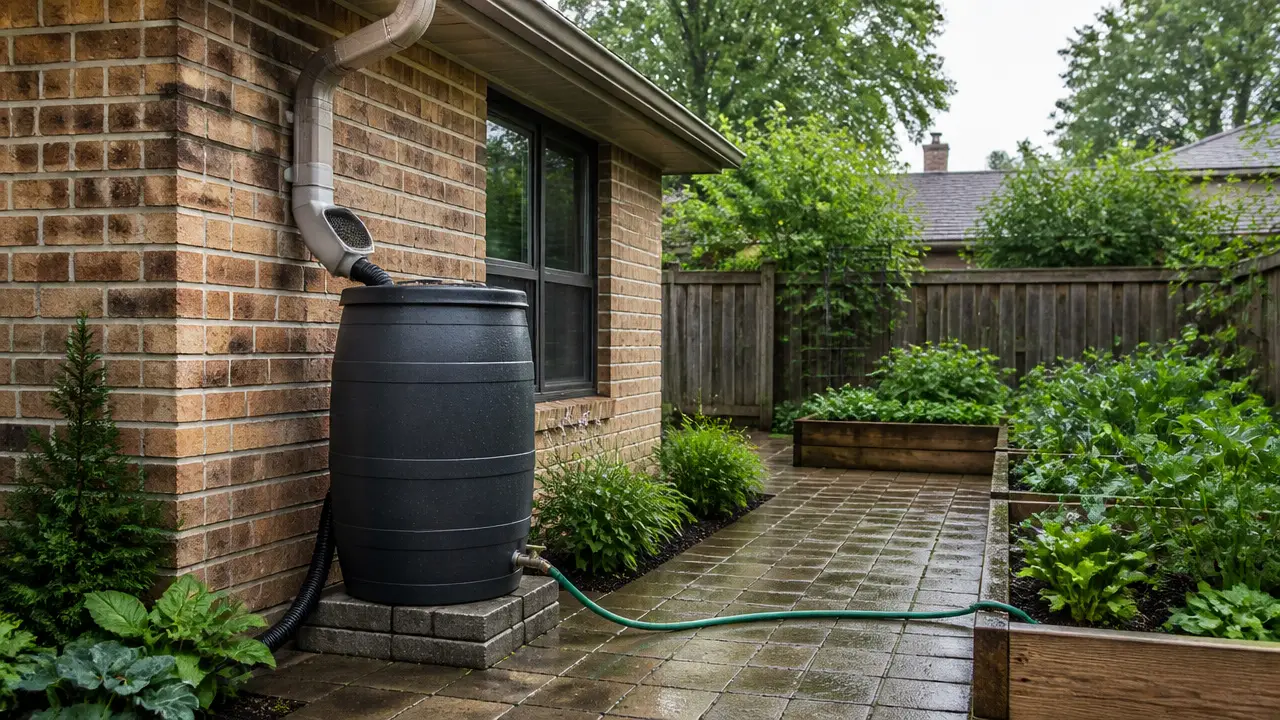
- A rain barrel
- An IBC tote
- A cistern
- A garden storage tank
- A tank outlet
- A household rainwater system
The reading can help you notice changes in the system. For example, a large change from your normal pH may give you a reason to inspect the tank, roof runoff, plumbing, or treatment system.
However, roof-collected rainwater can pick up dirt, bird droppings, metals, chemicals, and other contaminants as it moves across the roof and through gutters. A pH strip cannot detect those problems.
A first-flush diverter, which sends away some of the first runoff from a roof, can reduce some debris entering storage. It does not make rainwater automatically safe to drink.
How to Test Water With pH Strips
The exact method depends on the strips you have, so follow the manufacturer's directions. In general, the process is simple.
1. Collect a Fresh Water Sample
Use a clean container that will not add soap, cleaner, soil, or other material to the sample.
If you are checking stored rainwater, take the sample from the point that matters to you. For example, testing water from the tank outlet may be more useful than scooping water from the top of the tank if the outlet is where you actually use it.
2. Put the Strip in the Water
Dip the test area into the sample as directed by the strip maker.
Some strips are dipped briefly. Others may use a different method. Do not assume all test strips work the same way.
Avoid touching the test area with your fingers.
3. Wait for the Required Time
Color development may continue for a short period after the strip gets wet.
Read the strip at the time stated in its instructions. Waiting much longer can make the color harder to interpret correctly.
4. Compare the Color With the Chart
Hold the strip beside the supplied color chart.
Good lighting helps. Strongly colored indoor lighting can make similar shades difficult to tell apart.
5. Repeat the Test if the Reading Looks Unusual
A second test is useful when a reading is very different from what you normally see.
If repeated strips give very different results, the strips may not provide enough precision for what you are trying to measure. A properly calibrated pH meter or laboratory test may be a better choice.
How Accurate Are pH Test Strips?
pH strips are usually better for quick checks than precise measurements.
How useful a strip is depends on factors such as:
- The pH range covered by the strip
- How closely spaced the colors are on its chart
- Storage conditions
- Age of the strips
- Water color
- Lighting
- How carefully you follow the instructions
A strip with broad color steps may tell you that water is roughly around pH 6, 7, or 8 without clearly showing smaller differences.
That may be enough for a basic rain barrel check. It may not be enough when you are adjusting a treatment system or investigating corrosion.
Rainwater Can Be Harder to Measure Precisely
Rainwater often has relatively little dissolved mineral material compared with many groundwater sources. Water with little buffering can change pH more easily.
The pH may also change after collection as the water interacts with air, roofing material, sediment, tank surfaces, or treatment equipment.
For useful comparisons, test samples in a consistent way rather than comparing one fresh sample with another that has been sitting in an open container for a long time.
What Is a Normal pH for Drinking Water?
The U.S. Environmental Protection Agency lists pH 6.5 to 8.5 as a secondary drinking-water guideline. Secondary standards mainly address issues such as taste, staining, deposits, and corrosion. They are not the same as health-based primary drinking-water limits.
That distinction matters.
Water measuring pH 7 does not automatically qualify as safe drinking water. Water within the 6.5-to-8.5 range can still contain harmful germs or chemicals.
Low pH can also contribute to corrosion of plumbing. The CDC notes that pH can affect pipes and that damaged or corroding plumbing can allow metals such as lead to enter water.
So pH is useful information, but it is only one part of water quality.
What pH Strips Cannot Tell You
A pH strip cannot tell you whether water contains:
- E. coli or other harmful bacteria
- Viruses
- Parasites
- Lead
- Arsenic
- Nitrates
- Pesticides
- Fuel-related chemicals
- PFAS
- Other dissolved contaminants
It also cannot tell you whether a filter or treatment system has made water safe to drink.
Reviewing the typical pH range of tap water helps compare which safety test should follow the initial result.
Clear water with a pleasant smell can still contain harmful contaminants. The CDC notes that harmful germs and chemicals do not always change the taste, smell, or appearance of water.
Can pH Strips Tell You if Rainwater Is Safe to Drink?
No.
A good pH reading is not a drinking-water safety test.
If collected rainwater will be used for drinking, cooking, brushing teeth, or another potable use, treat water safety as a whole-system issue.
Potable means suitable for drinking. Non-potable water is water intended for uses such as irrigation or toilet flushing rather than drinking.
A drinking-water rainwater system may need suitable collection surfaces, debris control, prefiltration, appropriate treatment, careful maintenance, and water testing based on the risks at that site.
The CDC recommends that people using a rainwater collection system test their water at least once each year for harmful germs and chemicals.
For drinking-water decisions, use an appropriate certified laboratory rather than relying on pH strips or another single home test. EPA provides information for finding state-certified drinking-water laboratories.
Testing may also be needed more often after contamination events, system repairs, unusual odors or colors, or other major changes.
When Are pH Strips Useful?
pH strips can still be very handy when you use them for the right job.
Checking a Rain Barrel
If the water is being used for ordinary garden watering, a strip can give you a quick idea of its pH.
Plant requirements vary, so do not assume one pH value is ideal for every crop or soil.
Watching a Storage Tank
Testing occasionally can help establish what is normal for your tank.
A sudden change does not tell you exactly what happened, but it can signal that the system deserves a closer look.
Troubleshooting Corrosion
Very acidic or basic water may be part of a plumbing or corrosion problem.
However, pH alone does not reveal which metals are present in the water. If corrosion may affect drinking water, laboratory testing and qualified professional advice may be appropriate.
Checking Water Before Treatment
Some filtration, disinfection, or treatment processes work best within particular water conditions.
In that situation, follow the requirements of the specific treatment system. Do not assume that reaching a certain pH means treatment has worked.
When Is a pH Meter Better?
A digital pH meter can be more useful when you need smaller differences than a color strip can easily show.
For example, a meter may make sense when you are:
- Tracking pH changes regularly
- Adjusting a water-treatment process
- Comparing several water sources
- Troubleshooting a system
- Working with irrigation that needs closer control
Meters also require more care. They normally need proper calibration, cleaning, storage, and maintenance according to their instructions.
A poorly maintained meter is not automatically more reliable than a carefully used test strip.
For important drinking-water decisions, neither a handheld meter nor a strip replaces appropriate laboratory analysis.
What Should You Do if the pH Is Very Low or High?
Start by confirming the result.
Use a fresh sample and another strip. If possible, compare the result with a properly calibrated meter or professional test.
Then look at the whole system.
Possible factors can include the source water, roofing material, tank conditions, treatment equipment, and plumbing.
Do not start adding acids or alkaline chemicals to drinking water simply because a strip produced an unusual reading. Changing water chemistry can affect corrosion, treatment performance, taste, and other parts of the system.
If the water is intended for drinking and the pH is consistently unusual, laboratory testing and advice from a qualified water-treatment professional or local health authority are safer next steps.
Frequently Asked Questions
Can regular pH strips test drinking water?
Yes. They can estimate the water's pH. They cannot determine whether the water is safe to drink because they do not test for harmful germs or most chemical contaminants.
Can you use pool pH strips for rainwater?
They may provide some pH information if their test range includes the water's pH, but pool strips may also be designed to measure other pool-water conditions. Follow the strip manufacturer's intended use and instructions. For closer water-quality measurements, use a test method suited to the job.
Does a pH of 7 mean water is safe to drink?
No. A pH of 7 means the water is neutral on the pH scale. Bacteria, lead, nitrates, pesticides, or other contaminants may still be present.
What pH should rainwater be?
There is no single pH value that proves collected rainwater is clean or suitable for use. Its pH can change with atmospheric conditions, roofing materials, storage, plumbing, and treatment. For drinking-water decisions, pH must be considered along with appropriate testing for germs and chemicals.
Are digital pH meters better than strips?
A properly calibrated meter can provide a more detailed reading than a basic color strip. It also requires calibration and maintenance. Neither method provides a complete drinking-water safety test.
Why does my rainwater pH change in the tank?
Water chemistry can change as stored water interacts with air, sediment, tank materials, plumbing, and incoming runoff. If the change is large or persistent, inspect the system and use appropriate testing to investigate further.
How often should I test rainwater pH?
For non-potable uses, the useful frequency depends on why you are measuring it. Testing on a regular schedule can help you spot changes. If collected rainwater is used as drinking water, the CDC recommends testing the water at least annually for harmful germs and chemicals, not just pH.