As an affiliate, we may earn a commission from qualifying purchases. We get commissions for purchases made through links on this website from Amazon and other third parties.
In most places in the United States, it is not illegal simply to own or have a cistern. A cistern is just a tank used to store water. What may be regulated is where you install it, what water goes into it, how you connect it to plumbing, and what you use the stored water for.
As of August 31, 2026, the U.S. Department of Energy states that rainwater harvesting is not regulated by the federal government as a single nationwide system. Instead, states regulate rainwater collection and use, and state or local permits may apply.
What Is a Cistern?
A cistern is a storage tank that holds water for later use. It can be above ground, below ground, or built into a structure.
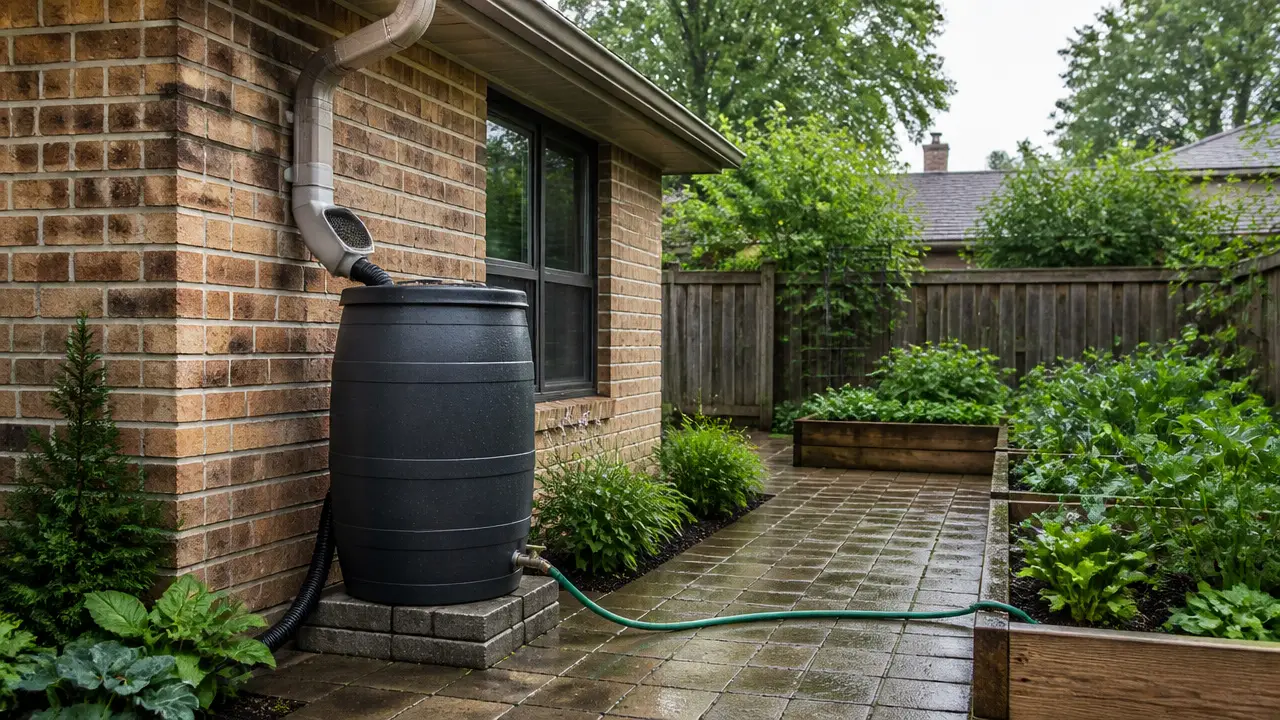
Rainwater cisterns usually collect runoff from a roof through gutters and downspouts. Compared with a rain barrel, a cistern is normally larger and may include pumps, filters, controls, overflow piping, or connections to irrigation or building plumbing. The EPA recognizes cisterns as a normal form of rainwater harvesting.
A cistern may supply water for uses such as:
- Garden and landscape irrigation
- Outdoor cleaning
- Toilet flushing, where allowed
- Other approved non-potable uses
- Drinking-water supply in some jurisdictions, but only when the entire system meets applicable health, treatment, testing, and plumbing requirements
Non-potable means the water is not approved as drinking water.
When Can a Cistern Be Restricted?
The tank itself is rarely the main legal issue. The rules usually concern the cistern system around it.
Rainwater collection rules
Some states regulate how much rainwater may be collected, where it may be collected, or what it may be used for.
The Department of Energy maintains a state-by-state rainwater harvesting tool because these rules are not uniform across the country. It also advises users to check state and local permit requirements before installing a system.
That means a large cistern may be legal to own even if collecting roof runoff into it is subject to special rules.
Building and zoning rules
A large tank can trigger building or zoning requirements because of its size, location, foundation, setbacks, or appearance.
Water is heavy. One gallon weighs about 8.34 pounds, so 1,000 gallons of water alone weighs roughly 8,340 pounds. The tank and supporting equipment add more weight.
An above-ground cistern therefore needs a base suitable for the load. A tank installed on a deck, roof, elevated platform, or questionable soil may require structural review.
An underground cistern brings different concerns, including excavation, soil conditions, buried utilities, groundwater, tank loading, and safe access. Large excavations and confined spaces are not good casual DIY projects.
Plumbing connections
Rules usually become stricter when the cistern is connected to a house.
A rainwater line should not create a route for untreated cistern water to enter a public drinking-water supply. Depending on the system, an approved air gap or backflow prevention device may be required.
A backflow preventer helps stop water from flowing backward into a clean water supply.
Philadelphia, for example, requires non-potable rainwater plumbing to remain separate from potable plumbing and requires appropriate protection when a municipal backup supply is used.
Local plumbing codes may also control labeling, pipe materials, pumps, valves, treatment equipment, and inspections.
Does Cistern Size Affect Whether It Is Legal?
It can.
A small outdoor storage tank used only for garden watering may face few requirements in some locations. A multi-thousand-gallon cistern connected to indoor plumbing is more likely to involve permits, plumbing rules, or inspections.
Size can also affect:
- Property setbacks
- Foundation requirements
- Excavation permits
- Electrical permits for pumps
- Overflow and stormwater requirements
- Screening or zoning rules
- Structural requirements for elevated tanks
Do not assume that rules applying to a 50-gallon rain barrel also apply to a 1,500-gallon cistern.
The EPA notes that cistern systems are generally larger and more complex than rain barrels and may include pumps and pressurized distribution systems.
Can You Legally Use a Cistern for Garden Water?
In many U.S. locations, outdoor irrigation is one of the simplest allowed uses for harvested rainwater.
That does not mean every installation is automatically exempt from regulation. The tank's location, overflow, plumbing, and local rainwater rules can still matter.
Make sure the cistern is covered or screened against mosquitoes and debris, and direct overflow somewhere that will not damage foundations, neighboring property, or public infrastructure.
What About Connecting a Cistern to the House?
This is where you should check local requirements before doing the work.
A cistern supplying toilets, washing equipment, or other indoor fixtures can require a dedicated non-potable plumbing system. Cross-connections with drinking-water plumbing are a major concern.
Texas provides a useful example. The Texas Water Development Board says rainwater harvesting is supported in the state, but systems connected to a public water supply for potable purposes have specific safeguards. Those requirements can include protection against cross-connections, approval before certain connections, and qualified plumbing work.
Rules can be different in another state or city, so Texas requirements should not be treated as national rules.
Is a Cistern Legal for Drinking Water?
Possibly, depending on where you live, but this is very different from merely owning a storage tank.
Study practical rainwater tank vs cistern to assess vessel construction compatible with the expected water use.
Roof runoff is not automatically safe to drink. It can pick up microorganisms, animal waste, dust, metals, roofing contaminants, and other pollutants before reaching the cistern.
Some jurisdictions regulate cisterns used as private drinking-water systems. Ohio, for example, specifically defines a rainwater cistern used as a water source within its private-water-system rules.
California also has detailed requirements for potable rainwater catchment systems, including requirements involving collection surfaces, tank openings, treatment, and protection of potable makeup-water connections.
If you intend to drink cistern water, treat it as a whole water-supply system rather than a tank-and-filter project. Suitable collection surfaces, debris control, treatment, current laboratory testing, plumbing protection, ongoing maintenance, and local health requirements all matter.
One filter, UV unit, purifier, test strip, or handheld meter by itself does not establish that rainwater is safe to drink.
Do You Need a Permit for a Cistern?
Sometimes.
A permit may be required for the tank, plumbing, electrical work, excavation, structural support, or the complete rainwater system.
The Department of Energy specifically advises checking state and local government requirements because rainwater harvesting permits may be required.
Permit requirements tend to become more likely when you:
- Install a large cistern
- Bury the tank
- Connect it to indoor plumbing
- Add a pump or permanent electrical equipment
- Use municipal water as an automatic backup
- Install it on an elevated structure
- Use the water for drinking
- Modify stormwater drainage
A simple outdoor tank used for garden watering may have fewer requirements, but local rules still control.
What About HOA Rules?
An HOA rule is not the same thing as a state law, but it may still affect where and how you install a visible cistern.
An association may have rules dealing with tank placement, screening, appearance, or structures in a yard. State laws can sometimes limit an HOA's ability to prohibit water-conservation equipment.
For example, the Texas Water Development Board notes that Texas law prevents homeowners associations from banning qualifying rainwater harvesting installations, although reasonable screening requirements may still apply.
Check both government rules and any property restrictions that apply to your home.
How to Check Whether Your Cistern Is Legal
Start with the intended use of the water. A garden-only cistern is a different project from a cistern supplying household fixtures.
Then check with the agencies that control the parts of your project:
- State water or environmental agency: Ask about rainwater collection and water-right rules.
- Local building department: Ask whether the tank, foundation, excavation, or supporting structure needs approval.
- Local plumbing department: Check requirements before connecting rainwater to indoor fixtures.
- Local health department: Contact them if the system will supply drinking, cooking, bathing, or other household water.
- Water utility: Ask about backflow and cross-connection requirements if municipal water will also serve the property.
- Planning or zoning department: Check setbacks and tank-location requirements.
- HOA or property association: Check private placement or screening rules where applicable.
For a first look at U.S. state requirements, the Department of Energy's Rainwater Harvesting Tool provides state-by-state regulatory information.
The Bottom Line
Having a cistern is generally legal in the United States. The more important question is whether your particular cistern installation and use comply with state and local rules.
A ground-level cistern collecting roof runoff for garden irrigation may be relatively simple. A buried cistern, large tank, pressurized system, indoor rainwater system, or drinking-water cistern can involve building, plumbing, health, and water-supply requirements.
Check the rules before installation rather than assuming that a legal rain barrel means any size or type of cistern is automatically allowed.
Frequently Asked Questions
Is it illegal to have a water cistern on your property?
Usually not. Cisterns are widely used for water storage. However, local rules may regulate tank placement, size, construction, plumbing connections, and the source and intended use of the water.
Is it illegal to collect rainwater in a cistern?
Not generally across the United States, but state rules vary. The federal government does not impose one nationwide rainwater-harvesting rule, so you should check current state and local requirements.
Can I put a cistern in my backyard?
Often yes, but zoning, setbacks, foundations, drainage, and HOA restrictions may apply. Large tanks can also require building or structural approval.
Do I need a permit for an above-ground cistern?
It depends on your location, tank size, and how the system is used. A small irrigation-only system may be exempt in some areas, while larger or plumbed systems may require permits.
Do I need a permit for an underground cistern?
Underground installations are more likely to involve local requirements because they require excavation and must safely handle soil and groundwater loads. Check with the local building department before digging.
Can I connect a cistern to my household plumbing?
Possibly, but indoor rainwater systems can be subject to plumbing permits, separate piping, labeling, backflow protection, treatment requirements, and inspections. Do not make a direct connection that could contaminate a public drinking-water supply.
Can I drink water stored in a rainwater cistern?
Only if the complete collection, treatment, testing, plumbing, and maintenance system meets applicable requirements and current water-quality testing confirms suitability. Stored roof runoff should not be assumed safe to drink.
Where should I check cistern laws?
Start with your state water agency and local building or plumbing department. Contact the local health department for drinking-water applications and the water utility if the cistern will interact with a public water supply.