As an affiliate, we may earn a commission from qualifying purchases. We get commissions for purchases made through links on this website from Amazon and other third parties.
Collected rainwater is usually most useful for non-potable jobs such as watering plants, washing outdoor items, and other tasks where you do not need drinking-quality water. It can also be used for some indoor jobs, such as toilet flushing, but those systems need more plumbing, treatment, and attention to local rules.
The important part is matching the water quality to the job. Water from a roof can pick up bird droppings, dust, leaves, metals, chemicals, and other contaminants. Clear-looking rainwater is not automatically safe to drink.
Good Uses for Collected Rainwater
For a basic rain barrel or storage tank, outdoor uses are usually the simplest place to start.
You can commonly use collected rainwater for:
- Watering flowers and ornamental plants
- Watering trees and shrubs
- Watering lawns
- Filling watering cans
- Running some drip-irrigation systems
- Washing garden tools
- Rinsing muddy boots
- Washing outdoor furniture
- Cleaning patios, decks, and walkways
- Washing equipment or other outdoor items
These jobs usually do not require drinking-water quality. However, the cleaner you keep your roof, gutters, screens, and tank, the easier the water will be to use.
Using Rainwater in the Garden
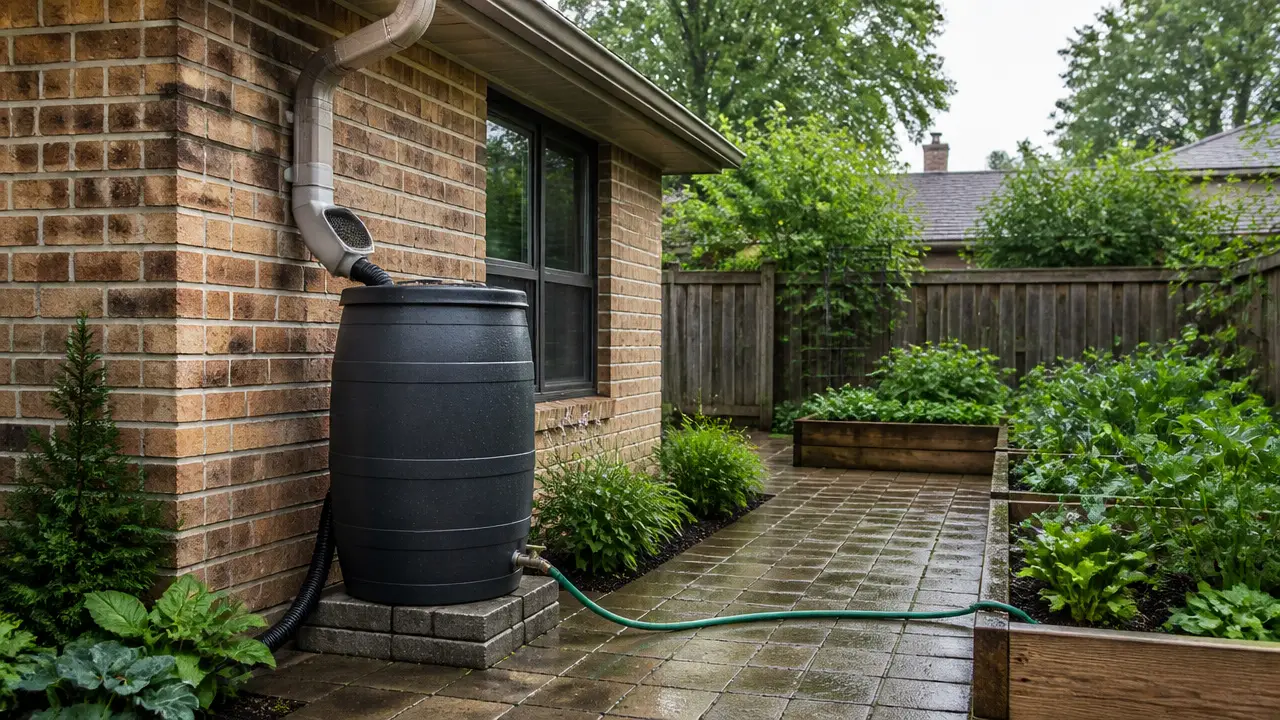
Garden watering is one of the easiest uses for a rain barrel or tank.
A simple gravity-fed barrel may work well with a watering can or a short hose. Larger irrigation systems may need a pump because water pressure from a barrel is often low.
If you connect rainwater to drip irrigation, include a screen or filter that can catch leaves, insects, and sediment before they reach small emitters. Otherwise, the emitters can clog.
What about vegetable gardens?
Use more care when rainwater will be used around food crops.
Roof runoff may contain germs or chemicals picked up from the roof and collection system. CDC guidance recommends using a safer treated water source for plants you plan to eat when possible.
If you use harvested rainwater in a food garden, avoiding direct spray onto fruits, leafy greens, and other edible parts can reduce contact. A drip line that delivers water to the soil is generally a better arrangement than spraying untreated roof runoff over produce.
Also consider what your roof is made from. Roofing, flashing, gutters, coatings, and piping can contribute contaminants to collected water.
Washing and Outdoor Cleaning
Rainwater can be useful for jobs that otherwise use a surprising amount of tap water.
For example, you might use it to:
- Hose dirt from garden tools
- Clean outdoor garbage cans
- Rinse patio furniture
- Wash paved areas
- Clean non-food outdoor equipment
A pump can make these jobs easier if you need more pressure than gravity provides.
Keep in mind that untreated rainwater is not a good choice for washing dishes, cutting boards, cooking equipment, or anything else where contaminated water could reach food.
Can You Wash a Car With Rainwater?
Rainwater can be used for vehicle washing if the water is reasonably clean and local rules allow it.
You may want a sediment filter if your tank contains fine dirt. Sediment can clog spray equipment and may leave dirt on surfaces.
Stored rainwater can also develop algae, odors, or suspended material when the collection system is poorly maintained. Keeping light, insects, leaves, and animals out of the tank helps.
Can Rainwater Be Used to Flush Toilets?
Yes, rainwater can be used for toilet flushing in properly designed systems.
This is more involved than attaching a hose to a rain barrel. Indoor rainwater plumbing normally needs a separate non-potable water line. Non-potable simply means the water is not intended for drinking.
The rainwater system must not allow untreated rainwater to flow backward into drinking-water plumbing. Cross-connections and backflow can contaminate a potable water system. CDC recommends keeping collected rainwater separate from treated drinking water.
Local plumbing requirements can also determine whether indoor rainwater use is allowed and what equipment is required.
For that reason, indoor plumbing is a good point to involve a qualified plumber or rainwater-system professional rather than improvising connections.
Can Rainwater Be Used for Laundry?
Rainwater can sometimes be used for laundry, but this requires a more developed system.
You may need:
- Screening for leaves and large debris
- Sediment filtration
- Suitable storage
- A pump that provides enough pressure and flow
- Separate non-potable plumbing
- Additional treatment if required locally
Stored rainwater with sediment, color, or microorganisms may not be suitable for clothes washing without additional treatment.
Laundry use also creates more opportunities for rainwater plumbing to interact with household plumbing, so backflow protection and local requirements matter.
What About Bathing and Showering?
Bathing requires much more caution than watering a lawn.
Water can enter your eyes, nose, and mouth during a shower. CDC recommends regularly testing rainwater for germs and chemicals when it is used for bathing, drinking, or cooking.
A screened rain barrel should not be treated as a shower-water system.
If you want rainwater for bathing in a cabin, off-grid home, or house, plan the collection, filtration, treatment, storage, plumbing, and testing as one system.
Can You Drink Collected Rainwater?
Do not assume roof-collected rainwater is safe to drink.
Explore risks of drinking untreated rainwater to verify what the measured values reveal and what remains uncertain.
Rainwater can collect contaminants from the air and then pick up additional material from roofs, gutters, pipes, and storage tanks. Bird and animal droppings can also introduce harmful germs.
Making rainwater potable, meaning suitable for drinking, is not as simple as putting one filter on a rain barrel.
A drinking-water system may need several stages, depending on the source water. These can include debris removal, sediment filtration, treatment for specific chemical contaminants, and disinfection. The correct treatment depends on what is actually in the water.
Regular laboratory testing is also important. CDC recommends testing rainwater used for drinking for harmful germs and chemicals and choosing treatment that addresses the contaminants found.
If you plan to drink collected rainwater, check current local health and plumbing requirements and work with qualified water-treatment professionals when needed.
Your Collection System Affects What the Water Can Be Used For
Two tanks filled with rainwater may have very different water quality.
Consider the entire path the water follows:
Roof → gutter → downspout → prefilter → tank → pump or outlet → point of use
Contamination can enter anywhere along that path.
A useful rainwater system normally includes screens that keep leaves, insects, and larger debris out. Keeping the tank closed and protected from animals also matters.
A first-flush diverter can help. This device sends the first part of runoff from a rainstorm away from your storage tank. That first water tends to wash accumulated dirt and contaminants from the roof. It can improve collected-water quality, but it does not make the water safe to drink by itself.
Match Treatment to the Use
You do not need to treat every gallon of rainwater to drinking-water standards.
That can add unnecessary equipment and maintenance.
Instead, decide what you want the water to do first.
| Intended use | Typical level of system complexity |
|---|---|
| Watering ornamental plants | Low |
| Trees and lawn irrigation | Low |
| Drip irrigation | Low to moderate |
| Outdoor cleaning | Low to moderate |
| Vehicle washing | Low to moderate |
| Toilet flushing | Moderate to high |
| Laundry | Moderate to high |
| Bathing | High |
| Drinking and cooking | Highest |
These are general categories, not treatment specifications. Your roof materials, stored-water quality, local rules, plumbing arrangement, and intended use can change what is required.
Keep Your Rainwater Clean Enough for Its Job
Even rainwater used only for irrigation benefits from basic maintenance.
Keep gutters reasonably clean. Use inlet screens. Keep tank openings covered. Prevent animals and insects from entering the tank. Remove accumulated sediment when necessary.
Also inspect the overflow. A good overflow should carry excess water safely away from the tank and nearby structures.
If your system uses filters, clean or replace them according to their design. A clogged filter can reduce flow and cause water to back up or bypass parts of the system.
Do not judge water quality only by appearance or smell. Water that looks clear can still contain harmful germs or chemicals.
Start With the Simplest Useful Application
For most homeowners with a basic rain barrel, garden watering is the easiest place to begin.
If you have a larger cistern, you may be able to supply several outdoor uses and irrigation zones. Adding indoor uses requires more planning because plumbing separation, pressure, filtration, treatment, and local requirements become important.
Drinking and cooking should be treated as a separate water-quality project rather than an extension of a basic rain barrel.
The safest approach is simple: use the lowest-risk application that matches the quality of the water you collect.
Frequently Asked Questions
Can I use rainwater straight from a rain barrel?
For many outdoor jobs, such as watering ornamental plants or cleaning garden tools, you may be able to use it directly after basic screening. Check the water for heavy sediment, algae, odors, and obvious contamination, and keep the barrel covered and maintained.
Can I use collected rainwater on my lawn?
Yes. Lawn watering is one of the simplest uses for harvested rainwater. A rain barrel may work by gravity, while larger sprinklers may need a pump with enough flow and pressure.
Can I use rainwater in a vegetable garden?
Use caution. Roof runoff can contain germs and chemicals. If rainwater is used around food crops, avoiding direct spray onto edible parts can reduce contact. CDC recommends using a safer treated water source for plants you plan to eat when possible.
Can I use rainwater for my toilet?
It can be used for toilet flushing with a properly designed non-potable plumbing system. The rainwater piping must remain safely separated from drinking-water plumbing, and local plumbing requirements may apply.
Is rainwater safe for pets to drink?
Do not assume untreated collected rainwater is safe for pets. Roof and tank water can contain germs, chemicals, algae, and other contaminants. Provide water known to be suitable for drinking unless a veterinarian or qualified water professional advises otherwise.
Does filtering rainwater make it safe to drink?
Not necessarily. A filter only removes the contaminants it is designed to remove. One sediment or carbon filter does not provide a complete assessment or treatment system. Drinking-water use requires suitable collection, treatment based on actual contaminants, ongoing maintenance, current testing, and compliance with applicable local requirements.
Do I need a pump to use collected rainwater?
Not always. A raised rain barrel may provide enough gravity flow for a watering can or some low-pressure drip systems. Sprinklers, long hoses, indoor plumbing, and other higher-flow uses often require a properly sized pump.