As an affiliate, we may earn a commission from qualifying purchases. We get commissions for purchases made through links on this website from Amazon and other third parties.
Water tanks usually last 10 to 30 years, but some can last much longer. The tank material, sunlight, water quality, installation, climate, and maintenance all affect its useful life.
A well-installed plastic tank may serve for decades, while a damaged or poorly supported tank can fail much sooner. Concrete and some metal tanks can also last several decades when they are built and maintained correctly.
Typical Water Tank Lifespan by Material
These are general planning ranges, not guaranteed service lives.
| Tank material | Common lifespan range | Main things that shorten life |
|---|---|---|
| Polyethylene plastic | About 10–20+ years | UV exposure, poor support, impact, extreme heat |
| Fiberglass | About 20–30+ years | Cracking, poor installation, chemical damage |
| Steel | About 15–30+ years | Rust, coating failure, standing moisture |
| Stainless steel | Often 20–30+ years | Corrosion from unsuitable water or fittings |
| Concrete | Often 30–50+ years | Cracking, movement, poor construction, leaks |
A tank does not automatically need replacement when it reaches one of these ages. Condition matters more than the calendar.
An older tank that remains sound, stable, clean, and leak-free may still have useful life left. A newer tank with cracks, corrosion, or a failing base may already need attention.
How Long Do Plastic Water Tanks Last?
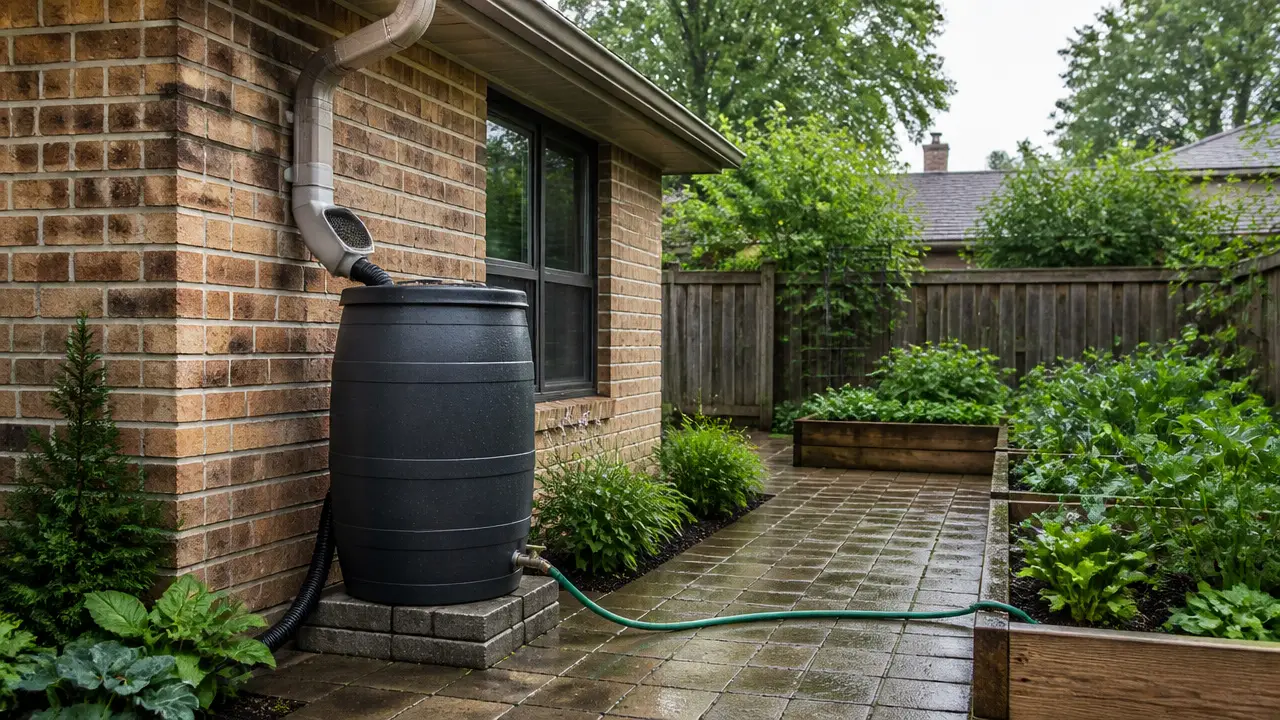
Polyethylene tanks are common for rainwater storage because they do not rust and are relatively easy to install.
A good plastic tank can often last 10 to 20 years or longer. Its biggest enemies are usually sunlight, heat, physical damage, and poor support.
Outdoor tanks should be made for outdoor water storage. The plastic normally contains UV protection that slows damage from sunlight. Even so, years of strong sun can gradually make plastic more brittle.
A tank kept shaded from intense sun may age more slowly, provided the shading does not trap moisture or interfere with inspection.
The Tank Base Matters
A plastic tank needs a flat, strong, even base.
Water is heavy. One gallon weighs about 8.3 pounds. A 1,000-gallon tank therefore holds more than 8,000 pounds of water before counting the tank itself.
If part of the tank bottom is unsupported, the plastic can flex more than intended. Over time, this may contribute to deformation or cracking.
Follow the tank manufacturer's foundation requirements rather than placing a large tank directly on uneven soil.
How Long Do Metal Water Tanks Last?
Steel tanks can last for decades, but corrosion is usually their main concern.
Protective coatings or liners separate the steel from water and moisture. Once that protection starts failing, corrosion can begin.
Check metal tanks for:
- Rust around seams and fittings
- Bubbling or peeling coatings
- Damp spots
- Corrosion near the tank bottom
- Leaks around pipe connections
- Changes in the condition of an internal liner
The outside bottom edge deserves special attention because water can collect around the tank base.
Stainless steel is more corrosion resistant than ordinary steel, but it is not completely immune to corrosion. Water chemistry and incompatible metals can still cause problems.
How Long Do Concrete Water Tanks Last?
A properly designed concrete tank may last several decades.
Concrete is strong, but cracks and movement can cause problems. Small surface marks are not always serious, while active cracks that leak or continue growing deserve closer inspection.
Underground concrete tanks also have to withstand surrounding soil and groundwater loads. Repairs involving structural cracks, excavation, or confined spaces should not be treated as casual DIY jobs.
Never enter a water tank unless proper confined-space safety procedures are being followed.
What Makes a Water Tank Wear Out Faster?
Tank age alone does not tell you when replacement will be needed. Several conditions can shorten its life.
Direct Sunlight
Ultraviolet light gradually damages many plastics. Tanks designed for outdoor use resist this damage better than unsuitable containers.
Sunlight can also warm stored water and encourage algae if light reaches the water.
Poor Foundation
A large tank must have proper support. Settling, erosion, or an uneven base can place stress on the tank shell and plumbing connections.
Check the foundation occasionally, especially after heavy rain, flooding, or ground movement.
Freezing
Water expands when it freezes.
A tank, valve, filter housing, or exposed pipe containing trapped water can be damaged during freezing weather. The correct winter setup depends on the tank design and local climate.
Do not assume that a flexible plastic tank is freeze-proof.
Damaged Fittings
Leaks often appear around fittings before the main tank body fails.
A bulkhead fitting is a fitting that passes through the tank wall and creates a sealed pipe connection. Over-tightening, unsupported pipes, or movement can stress the area around the fitting.
Heavy pipes should not hang from the tank wall without proper support.
Corrosive Conditions
Metal tanks may deteriorate faster when coatings fail or when water chemistry promotes corrosion.
Different metals connected together can also contribute to corrosion in some situations.
Poor Maintenance
Sediment, leaves, organic matter, and other debris can collect in rainwater tanks.
This does not always damage the tank itself, but poor maintenance can shorten the life of pumps, valves, filters, and other system parts.
Signs That a Water Tank May Need Replacement
Do not wait for a complete tank failure before checking an aging system.
Look closely at key facts about the typical lifespan of a water tank to evaluate storage reserves based on use rate and likely rainfall.
Look for:
- Cracks that are growing or leaking
- Bulging or severe deformation
- Brittle or chalky plastic
- Heavy corrosion
- Water leaking through tank seams
- Repeated leaks around fittings
- A damaged tank base
- Major liner failure
- Structural movement in a concrete tank
Some problems can be repaired. Others indicate that replacement is safer or more practical.
A small fitting leak, for example, does not necessarily mean the whole tank is worn out. A long structural crack through the tank wall is much more serious.
How to Help a Water Tank Last Longer
A few basic steps can make a large difference.
Give the Tank Proper Support
Install the tank on the type of foundation required by its manufacturer. Keep the base stable and watch for erosion or settling.
Protect It From Damage
Keep vehicles, tools, mowers, and falling branches away from exposed tanks.
Where practical, reduce unnecessary sun exposure without blocking ventilation, access, or inspection.
Keep Gutters and Inlets Clean
For rainwater systems, keeping debris out of the tank reduces sediment buildup.
Leaf screens and other prefiltration can help. A first-flush device can divert some of the initial roof runoff, which may carry more dust and debris.
These devices still require cleaning and maintenance.
Inspect Connections
Check the inlet, overflow, outlet, valves, and fittings periodically.
Look for slow drips as well as obvious leaks. Small plumbing problems can become larger if they place continuing stress on the tank wall.
Keep Overflow Water Away From the Foundation
An overflowing rainwater tank can release a large amount of water.
Route overflow to a suitable drainage area so it does not wash soil away from the tank base or undermine the foundation.
Follow a Cleaning Schedule
Tank cleaning needs depend on the collection system and intended use.
Inspect the inside when it can be done safely without entering the tank. Sediment buildup may indicate that gutters, screens, or prefilters also need attention.
Does Stored Rainwater Shorten Tank Life?
Rainwater itself does not normally mean a tank will wear out quickly. The larger issues are the conditions around the system.
Leaves and sediment can collect inside. Sunlight can heat an exposed tank. Overflow can erode the base. Poorly supported plumbing can damage fittings.
Keeping debris out and managing overflow correctly can therefore protect both water quality and the tank.
Remember that stored rainwater should not automatically be considered drinking water.
For potable use, meaning water intended for drinking, a rainwater system needs suitable collection materials, proper treatment, ongoing maintenance, current water testing from an appropriate laboratory, and compliance with local requirements.
Should You Replace a Tank Based Only on Age?
Usually, no.
A tank's age is useful for planning inspections, but condition is more important.
Consider:
- Is the tank still structurally sound?
- Are there cracks or weak areas?
- Is corrosion progressing?
- Is the base still level and stable?
- Are fittings leaking?
- Has the tank become brittle?
- Can replacement parts still be installed safely?
As a tank becomes older, inspect it more closely and more often. Replacement before a major failure may make sense when deterioration is clearly progressing.
Frequently Asked Questions
Can a water tank last 30 years?
Yes. Some tanks can last 30 years or longer, especially well-built concrete, fiberglass, stainless steel, or properly protected steel tanks. Actual service life depends heavily on installation and maintenance.
How long does a plastic rainwater tank last?
A polyethylene rainwater tank can often last about 10 to 20 years or longer when it is designed for outdoor use, properly supported, and protected from unnecessary damage.
How do I know if my plastic tank is getting old?
Look for cracking, unusual bulging, brittleness, fading or chalking, leaks, and damage around fittings. Surface fading by itself does not necessarily mean the tank has failed.
Can you repair a leaking water tank?
Some leaks can be repaired, particularly problems involving replaceable fittings or seals. Structural cracks, severe corrosion, or major deformation may require professional assessment or tank replacement.
Does sunlight damage water tanks?
Sunlight can gradually damage many plastics through UV exposure. Tanks intended for outdoor use normally contain UV protection, but long-term exposure can still contribute to aging.
Do underground tanks last longer?
Not necessarily. Underground tanks avoid direct sunlight, but they must withstand soil loads, groundwater, movement, and other underground conditions. Only tanks designed for burial should be installed underground.
How often should I inspect a water tank?
Inspect the tank and visible connections regularly and after events that could affect it, such as severe weather, freezing conditions, flooding, or ground movement. Older tanks may benefit from more frequent checks.
Is an old rainwater tank safe for drinking water?
Tank age alone cannot establish whether water is safe to drink. Drinking-water use depends on the entire collection and treatment system, its maintenance, contamination risks, current laboratory testing, and applicable local requirements.