As an affiliate, we may earn a commission from qualifying purchases. We get commissions for purchases made through links on this website from Amazon and other third parties.
After replacing a water filter, run water through it long enough to flush out trapped air, loose filter material, and installation debris. For many new carbon-based faucet and refrigerator filters, about 5 minutes of flushing is common, but the filter’s own instructions should always take priority. Some filters specify a number of gallons instead of a time.
Sediment filters and whole-house cartridges may not need the same flushing time. Run them until the water is clear, the flow is steady, and trapped air has stopped coming through the faucets.
Why You Should Flush a New Water Filter
A new filter may contain small amounts of loose material left from manufacturing. Activated carbon filters, for example, can release fine black carbon particles when first used.
There may also be air trapped inside the cartridge or filter housing.
Flushing helps:
- Push trapped air out of the system
- Wash away loose carbon or filter particles
- Fully wet the filter media
- Clear small amounts of installation debris
- Restore a steady water flow
A little cloudiness or sputtering right after a filter change can simply be trapped air. It should normally settle as the system flushes.
How Long Should You Run the Water?
The correct flushing time depends on the filter.
| Filter type | Practical flushing approach |
|---|---|
| Carbon faucet filter | Follow the instructions; around 5 minutes is common |
| Refrigerator filter | Often several gallons or about 5 minutes, depending on the model |
| Sediment cartridge | Run until the water is clear and air is gone |
| Whole-house carbon filter | Follow the cartridge or system instructions |
| Under-sink filter | Follow the manufacturer's stated time or gallon amount |
| Reverse osmosis system | Follow the system's specific startup procedure |
Several drinking-water filter manufacturers specify about five minutes for certain replacement cartridges. For example, some faucet filters call for five minutes of cold-water flushing, while some refrigerator filters specify about 2.5 gallons, which they estimate at roughly five minutes.
That does not mean every filter should be flushed for exactly five minutes.
Follow Gallons Instead of Minutes When Given
If the instructions say to flush a certain number of gallons, use that amount rather than guessing by time.
Flow rates vary.
A filter producing 0.5 gallon per minute will move much less water in five minutes than a filter producing 2 gallons per minute. That is why some manufacturers give a flushing volume instead of a simple time.
The manufacturer's instructions are especially important because cartridges that look similar can have different construction and operating requirements. NSF also recommends using the correct replacement cartridge and following its recommended service instructions.
How to Flush a New Filter
For a typical cartridge-style filter, the process is simple.
1. Make Sure the Filter Is Installed Correctly
Check that the cartridge is seated properly.
If the filter has a flow-direction arrow, make sure it points in the correct direction.
For filters installed inside a housing, make sure the sealing O-ring is clean and properly positioned before restoring pressure.
2. Restore the Water Slowly
Open the supply valve gradually.
This allows the housing and filter to fill without a sudden pressure surge. The first water may contain air, so sputtering at a faucet can be normal.
3. Use Cold Water for Drinking-Water Filters
Run cold water through the new filter unless the system instructions specifically say otherwise.
CDC guidance for drinking-water filters stresses following manufacturer instructions and avoiding hot water through filters that are not designed for it.
4. Flush for the Required Time or Volume
If the instructions say five minutes, flush for five minutes.
If they say three gallons, measure approximately three gallons.
If there is no stated amount, continue until the water runs clear, loose particles stop appearing, and the flow becomes steady.
5. Check for Leaks
Look around:
- Filter housings
- Threaded connections
- Tubing fittings
- O-rings
- Filter heads
- Shutoff valves
A slow drip may not appear immediately, so check again after the system has been under pressure for a while.
What If You See Black Specks?
Small black particles are commonly associated with loose activated carbon in a new carbon filter.
Continue flushing according to the filter instructions. The particles should decrease and disappear.
Some carbon-filter instructions specifically require flushing to remove carbon dust before normal use. One common faucet-filter procedure, for example, calls for five minutes of flushing after a replacement cartridge is installed.
If large amounts of material continue coming out after the recommended flushing procedure, stop using the filter and check the installation and cartridge instructions.
A damaged or incorrectly installed cartridge may need to be replaced.
What If the Water Looks Cloudy?
Planning around expected timing for should a carbon water filter last helps understand a water-safety plan appropriate for the intended purpose.
Cloudy water right after a filter change is often caused by tiny air bubbles.
Fill a clear glass and let it sit for a short time.
If the cloudiness clears from the bottom upward or disappears quickly, trapped air is a likely cause.
Continue flushing until the flow becomes steady.
Persistent discoloration, unusual odor, visible debris, or other water-quality changes should not automatically be blamed on trapped air. Check the filter installation and the incoming water source.
Sediment Filters May Need a Different Approach
A sediment filter catches particles such as sand, rust, and dirt. It does not contain the same loose carbon media found in many taste-and-odor filters.
After replacing a sediment cartridge, slowly restore pressure and run water until:
- Air has left the housing
- Faucets stop sputtering
- Water looks clear
- Flow is steady
Do not assume that a sediment filter needs exactly the same five-minute flush used by a particular carbon filter.
Also remember that micron rating refers to the approximate size of particles a filter is designed to catch. It does not tell you how long the cartridge needs to be flushed.
Reverse Osmosis Systems Can Take Longer
A reverse osmosis system should not automatically be treated like a simple faucet filter.
Replacing a sediment or carbon prefilter may require one procedure, while replacing the RO membrane or post-filter may require another. Some systems require the storage tank to fill and be drained as part of startup.
Follow the instructions for the complete RO system rather than simply running the faucet for five minutes.
What About a Whole-House Filter?
After changing a whole-house filter, restore the water slowly and purge air through an appropriate faucet.
A whole-house system may hold much more air than a small under-sink filter. Several faucets may sputter briefly as the plumbing fills again.
If the system contains multiple stages, make sure every cartridge is installed in the correct position. A sediment stage, carbon stage, and specialty treatment cartridge may each have different requirements.
Check the filter housing for leaks once full system pressure returns.
Flushing Does Not Make Unsafe Water Safe
Flushing a new cartridge prepares the filter for normal use. It does not prove that the water is safe to drink.
A filter only reduces the contaminants it was designed and certified to address. EPA notes that filters must be maintained and replaced according to the manufacturer's instructions to continue performing as intended.
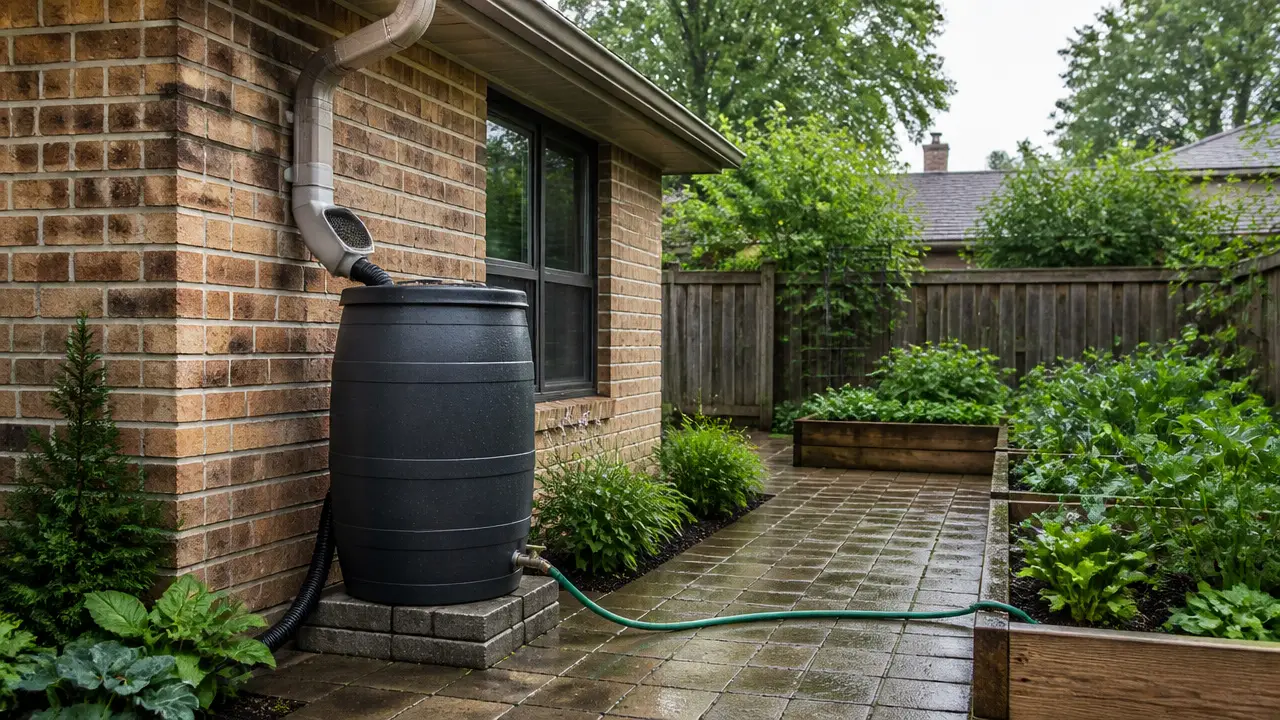
This matters especially with collected rainwater, private wells, or other sources where water quality may be uncertain.
For drinking-water use, think about the whole system: the source, storage, prefiltration, treatment stages, maintenance, and current laboratory testing. A freshly replaced filter by itself does not make untreated rainwater potable, meaning suitable for drinking.
When You Can Start Using the Water
You can normally begin using the filtered water once:
- The required flushing time or volume is complete
- The water runs clear
- Carbon particles have stopped appearing
- Trapped air has been purged
- Water flow is steady
- The filter housing and connections are not leaking
If your manufacturer's instructions require additional conditioning, soaking, tank flushing, or another startup step, complete that step before normal use.
Frequently Asked Questions
Is five minutes enough to flush a new water filter?
Five minutes is a common instruction for some carbon faucet and refrigerator filters, but it is not a universal rule. Follow the time or gallon amount given for your specific cartridge.
Can I drink the water immediately after replacing a filter?
Complete the manufacturer's flushing procedure first. This removes trapped air and loose filter material. Flushing does not, however, prove that the source water itself is safe to drink.
Why is my water black after changing the filter?
Fine black particles can come from activated carbon in a new carbon filter. Continue the required flushing procedure. If large amounts of material continue after flushing, check the cartridge and installation.
Why does my faucet sputter after changing a filter?
Air often becomes trapped in the filter housing and plumbing during replacement. Slowly running water usually pushes the air out and restores steady flow.
Should I use hot or cold water to flush a filter?
Use cold water for typical drinking-water filters unless the manufacturer's instructions specifically state otherwise. Many drinking-water cartridges are not designed for hot water.
How long should I flush a sediment filter?
There is no single flushing time for every sediment cartridge. Restore the water slowly and run it until trapped air is gone and the water runs clear and steady, while following any instructions supplied with the cartridge.
Do whole-house filters need to be flushed?
Many do. Whole-house systems can trap air during a cartridge change, and some filter media also require flushing. Follow the system instructions and check the housing and connections for leaks after pressure is restored.