As an affiliate, we may earn a commission from qualifying purchases. We get commissions for purchases made through links on this website from Amazon and other third parties.
A water tank stopper valve is a device that stops or allows water flow at a tank opening. Depending on the system, it may seal an outlet, drain, or inlet. When closed, it blocks water. When opened, it lets water pass.
The term “stopper valve” is not a standard name for one specific type of rainwater-tank valve. In some equipment, it describes a stopper that seats over an opening. In other systems, the term has been used for a valve controlled by a float.
For a rainwater tank, it is more useful to identify what the valve does, where it is installed, and how it connects than to rely on the name alone.
What Does a Water Tank Stopper Valve Do?
The basic job of a stopper valve is to prevent unwanted water flow.
A stopper-style valve usually has two positions:
- Closed: The valve seals an opening and keeps water from flowing through it.
- Open: The seal moves away from the opening so water can pass.
Some stopper mechanisms physically press a rubber or similar sealing part against a valve seat. A valve seat is the surface the stopper presses against to make the seal.
This basic design has long been used in tank systems where a plug or stopper closes an opening.
However, most rainwater tanks use more familiar valve types such as ball valves, gate valves, float valves, or tank outlet valves rather than a component specifically sold as a “stopper valve.”
Where a Stopper Valve May Be Used on a Water Tank
The location of the valve tells you a lot about its purpose.
Tank Outlet
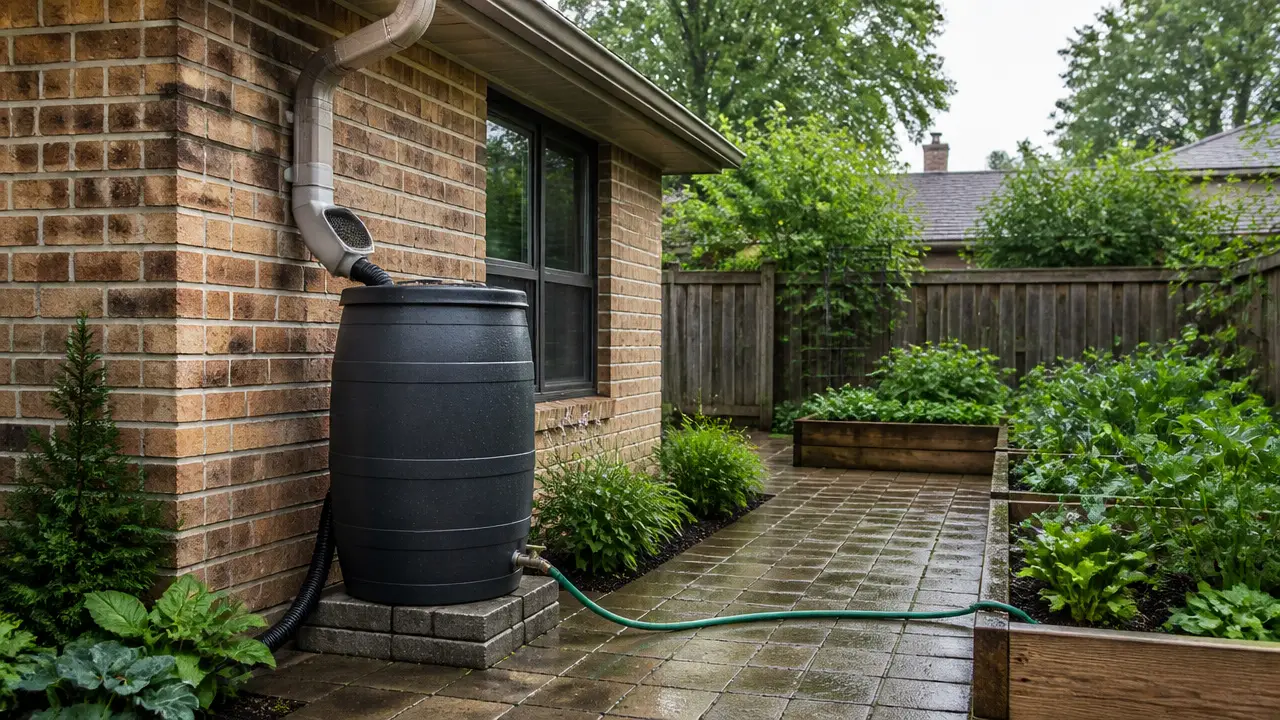
A valve near the bottom of a rain barrel, IBC tote, or cistern can stop water from leaving the tank.
This allows you to:
- Shut off water before disconnecting a hose
- Service a pump or filter
- Replace downstream fittings
- Keep the tank closed when a line is not being used
For this job, a quarter-turn ball valve is common because it provides a clear open or closed position.
Tank Drain
Some tanks have a low drain opening used for cleaning or emptying the tank.
A stopper or valve at this opening keeps water inside during normal use. Opening it allows sediment and water to drain.
A drain valve should be accessible. A valve buried behind equipment or placed where you cannot reach it easily can make tank cleaning much harder.
Automatic Inlet Control
A stopper valve can also be part of a float-controlled filling system.
A float valve uses a floating part that rises and falls with the water level. When the water drops, the valve opens. As the tank fills, the float rises and closes the valve.
Some older technical descriptions refer to the sealing part of this type of mechanism as a stopper valve.
For rainwater storage, float valves are sometimes used where another water source is allowed to top up a tank. That setup needs careful backflow protection and must follow applicable plumbing requirements, especially if a potable water supply is connected.
Stopper Valve vs. Shutoff Valve
The terms can be confusing because both devices stop water.
A shutoff valve is a broad term for a valve that lets you manually isolate part of a plumbing system. Ball valves and gate valves are common examples.
A stopper valve usually describes a mechanism in which a stopper or plug seals against an opening or valve seat.
For a typical rainwater tank outlet, you will usually be choosing a shutoff valve rather than looking specifically for a stopper valve.
If a tank manual calls a component a stopper valve, use the manufacturer's description and diagram to identify its exact function before replacing it.
Stopper Valve vs. Float Valve
These are not automatically the same thing.
A float valve controls water according to the water level. A stopper may simply be one part of that mechanism.
For example:
- Water level falls.
- The float moves downward.
- The inlet valve opens.
- Water enters the tank.
- The water level rises.
- The float rises.
- The valve closes.
In other designs, a stopper valve has no float at all and simply opens or closes a drain.
That is why the valve's location and operating mechanism matter more than the label.
What to Check Before Replacing a Water Tank Valve
If you are replacing a stopper valve or another tank valve, do not choose a replacement based only on the tank's capacity.
Several connection details need to match.
Connection Size
Check the actual pipe or fitting size.
A tank may hold hundreds or thousands of gallons, but that does not tell you whether its outlet is 1 inch, 1 1/2 inches, 2 inches, or another size.
Also check whether the connection uses:
- Male threads
- Female threads
- Slip fittings
- Hose threads
- Compression fittings
- A flanged connection
Thread standards can also differ. Parts that look close may not seal correctly if their threads are incompatible.
Tank Fitting
Many tanks have a bulkhead fitting at the outlet.
A bulkhead fitting passes through the tank wall and forms a watertight connection. The valve normally attaches to the outside of this fitting.
Do not assume the valve itself is what seals the hole through the tank wall. The bulkhead fitting and its gasket usually handle that job.
Valve Material
Choose materials suitable for the water, plumbing, and intended use.
A valve used for garden irrigation does not automatically make a system suitable for drinking water.
For potable use, every water-contact component and the entire collection and treatment system need to be appropriate for that purpose.
Operating Pressure
With three common water-valve types, you can assess component compatibility before materials are finalized.
Gravity-fed tanks usually operate at relatively low pressure.
A pumped system can place much more pressure on valves, fittings, hoses, and filters.
If a pump is downstream of the tank, check that every component is suitable for the pressure the pump can produce.
Access
A valve should be easy to reach.
You may need to operate it when:
- Cleaning the tank
- Servicing a pump
- Changing a filter
- Repairing a leak
- Winterizing plumbing
- Disconnecting irrigation equipment
A shutoff valve that cannot be reached without moving the tank or draining the entire system defeats much of its purpose.
Why a Water Tank Valve May Leak
A stopper or shutoff valve can leak for several reasons.
Debris on the Sealing Surface
Leaves, grit, sediment, or small pieces of organic material can prevent a stopper from seating fully.
Tank sediment is especially important when a valve is located near the bottom of the tank.
Cleaning the sealing surface may solve a minor problem, but the tank should be isolated and depressurized before disassembling plumbing.
Damaged Seal
Rubber seals and gaskets can harden, crack, distort, or wear.
Once the sealing surface is damaged, tightening the valve may not fix the leak. The seal or complete valve may need replacement.
Loose Connection
Water around a valve does not always mean the valve is leaking internally.
The leak may come from:
- Threaded connections
- Union fittings
- Bulkhead gaskets
- Tank-wall fittings
- Cracked adapters
Dry the area and identify where the water first appears before replacing parts.
Cracked Valve Body
Plastic valves can crack from impact, overtightening, poor support, or freezing.
Do not try to solve a cracked valve body by tightening adjacent fittings harder. That can damage the valve, bulkhead, or tank.
Freeze Damage
Water trapped inside valves and exposed plumbing can freeze and expand.
In freezing climates, tanks, valves, pipes, pumps, and filters need a winter plan appropriate to the system. Simply insulating a valve does not guarantee that trapped water will not freeze.
Can You Install a Water Tank Valve Yourself?
Many simple rain-barrel and above-ground tank valves can be installed as a DIY job if the existing tank fitting is sound and you know the connection type.
A basic job may involve:
- Emptying the tank below the valve level.
- Closing or isolating connected plumbing.
- Removing the old valve without twisting the tank fitting.
- Checking the fitting and gasket for damage.
- Installing a compatible replacement.
- Refilling gradually while checking for leaks.
Avoid placing excessive force on a plastic tank wall or bulkhead fitting.
If the fitting through the tank wall starts rotating, leaking, deforming, or cracking, stop. The problem may involve the bulkhead rather than the valve.
Professional help is a better choice when the work involves household plumbing, potable water, backflow prevention, pumps, pressurized systems, buried tanks, electrical equipment, or difficult access.
Choosing the Right Valve for a Rainwater Tank
Instead of shopping for a valve based on the phrase “stopper valve,” start with its job.
For a simple tank outlet, you generally need a valve that:
- Fits the tank outlet correctly
- Provides reliable shutoff
- Has an adequate flow opening
- Works with your pipe or hose
- Can handle the system pressure
- Is suitable for the intended water use
- Can be reached for maintenance
For an automatic fill system, you may need a float-controlled valve instead.
For a cleaning drain, you need a valve that can pass sediment without becoming difficult to operate.
The right choice depends on the full water path, not just the tank.
Frequently Asked Questions
Is a water tank stopper valve the same as a ball valve?
Not necessarily. A ball valve uses a rotating ball with a hole through it to control flow. A stopper valve normally uses a plug or sealing part that seats against an opening. Ball valves are commonly used as manual shutoff valves on rainwater tanks.
Where is the stopper valve located on a water tank?
It depends on its purpose. It may be at the outlet, drain, or inlet-control assembly. Check where the valve connects before deciding what replacement you need.
Can I use any valve on a rainwater tank?
No. The connection size and type must match, and the valve must be suitable for the system pressure and intended water use. Materials and connections also need to work with the surrounding plumbing.
Why is my tank valve dripping when it is closed?
Possible causes include debris on the sealing surface, a worn seal, damaged threads, a loose fitting, a cracked valve, or a leaking bulkhead gasket. Identify the actual leak point before replacing the valve.
Do I need a valve between my water tank and pump?
A service shutoff valve is often useful because it lets you isolate the tank when working on downstream plumbing. The exact arrangement depends on the pump, plumbing layout, and manufacturer instructions.
Can a stopper valve control the water level automatically?
Some stopper-style mechanisms can be linked to a float, but an automatic water-level valve is more commonly called a float valve. The float closes the inlet as the tank reaches the desired level.
Does a tank valve make rainwater safe to drink?
No. A valve only controls water flow. Drinking-water safety depends on the entire collection, storage, treatment, testing, and maintenance system. Roof runoff should not be assumed potable without appropriate treatment, current laboratory testing, and compliance with applicable requirements.