As an affiliate, we may earn a commission from qualifying purchases. We get commissions for purchases made through links on this website from Amazon and other third parties.
Rain gutter chains, usually called rain chains, really do work. They guide water from a roof gutter down toward the ground, a drain, or a rainwater collection container.
But a rain chain does not control water as tightly as a closed downspout. It works best when the gutter has a proper outlet, the chain is sized for the expected flow, and the water has a safe place to go at the bottom.
How Rain Gutter Chains Work
A rain chain hangs from an opening in the gutter. Water leaves the gutter and follows the chain downward.
There are two common styles:
- Link chains let water run along metal links.
- Cup-style chains catch water in small cups and pass it from one cup to the next.
Cup-style chains usually control splashing better. Simple link chains are more open, so wind and heavy flow can push more water away from the chain.
A rain chain does not pull water out of the gutter. Gravity does the work. The gutter still needs to slope toward the outlet just as it would with a normal downspout.
Are Rain Chains as Effective as Downspouts?
Not always.
A standard downspout encloses the water and carries it directly downward. That gives it several advantages during heavy rain.
A rain chain leaves the water exposed. Some water can splash or blow away before reaching the bottom.
A rain chain can still work well when:
- The roof section draining to it is not too large.
- The gutter and outlet are correctly sized.
- Rainfall is not overwhelming the outlet.
- The chain hangs almost straight down.
- The bottom is anchored or stabilized.
- Water is directed away from the foundation.
- Splashing will not damage walls, doors, or nearby surfaces.
For a large roof area or very intense storms, a conventional downspout often provides more reliable drainage.
What Happens During Heavy Rain?
Heavy rain is where the limits of a rain chain become most noticeable.
A chain can only guide the water that reaches it. If more water arrives than the gutter outlet or chain can handle, water may:
- Splash away from the chain.
- Run down the outside of the gutter.
- Overflow the gutter.
- Hit siding or windows.
- Pool near the foundation.
The amount of water can be much larger than it looks.
As a simple example, 1 inch of rain on 1,000 square feet of roof represents about 623 gallons of water before allowing for collection losses. A gutter outlet serving only part of that roof may still have to move a large amount of water during a short storm.
This is why the roof area feeding the chain matters more than the appearance of the chain itself.
Do Rain Chains Need Gutters?
Usually, yes.
A rain chain works best when attached to a gutter outlet. The gutter gathers water from a wide roof area and directs it to one point.
Without a gutter, roof runoff comes off the whole roof edge rather than one controlled opening. Hanging a chain below that edge usually will not capture much of the water unless the roof was specifically designed to concentrate runoff there.
Where Should the Water Go?
The bottom of the chain matters just as much as the top.
Do not allow large amounts of roof runoff to collect against the house foundation.
Depending on the property, the chain can discharge into:
- A gravel drainage area
- A suitable drain
- A splash basin
- A drainage channel
- A rain barrel
- A larger rainwater storage system
Whatever you use must be able to handle overflow.
A decorative bowl with no drainage may look good during light rain but fill quickly during a storm.
Can You Use a Rain Chain With a Rain Barrel?
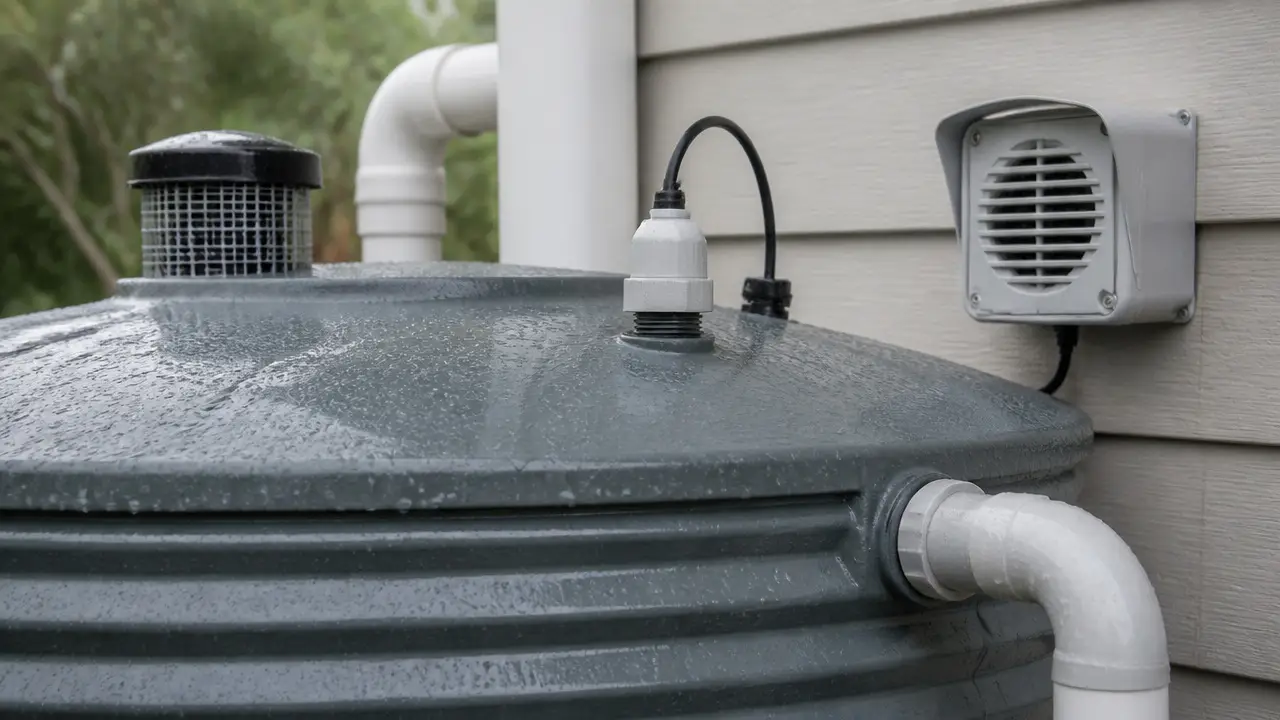
Yes. A rain chain can guide roof runoff toward a rain barrel or other storage container.
However, the connection is less controlled than a sealed downspout connection.
For reliable rainwater collection, consider the entire path:
roof → gutter → outlet → rain chain → screened container inlet → storage → overflow
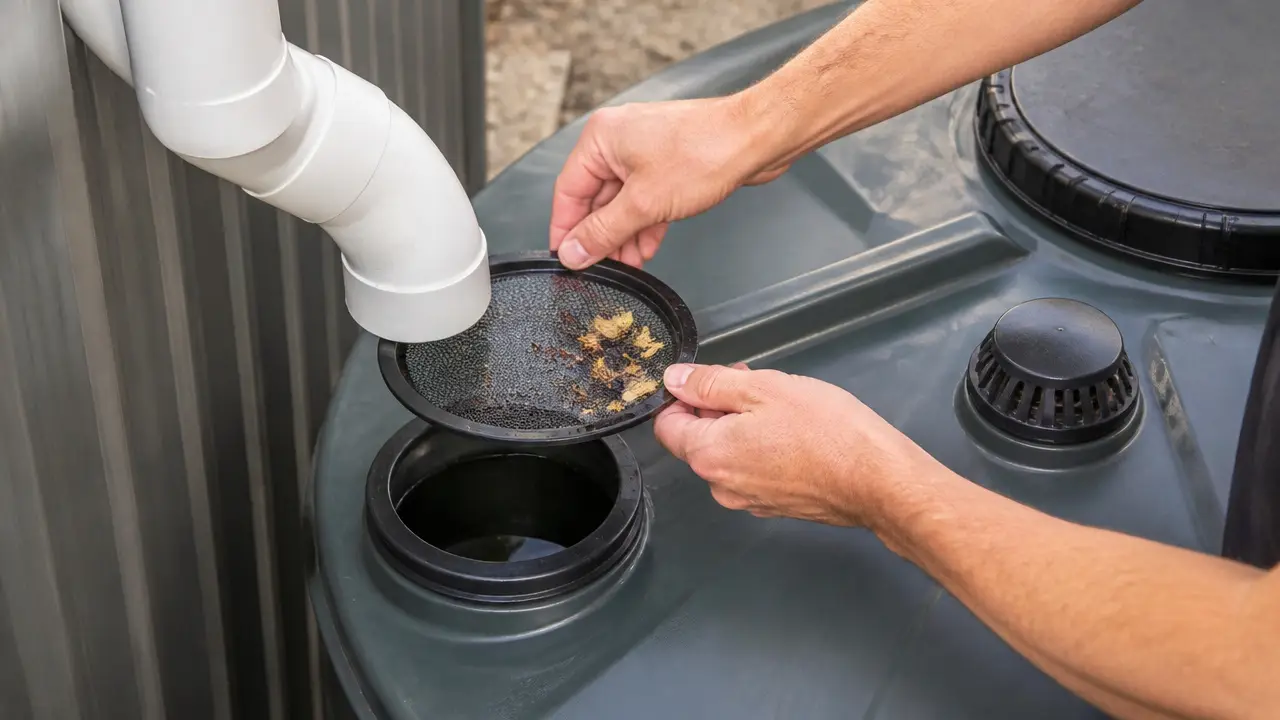
The barrel should have a screened inlet that keeps mosquitoes and debris out. It also needs an overflow path that carries excess water somewhere safe.
Remember that roof runoff can contain dirt, bird droppings, roofing particles, and other contaminants. Collected rainwater should not be assumed to be safe to drink.
Do Rain Chains Splash?
Yes. All rain chains can splash to some degree.
Splashing tends to increase when:
- Rain is heavy.
- The chain is too short.
- Wind moves the chain.
- Water falls a long distance before reaching the chain.
- The bottom lands on a hard surface.
- The chain cannot handle the incoming flow.
Cup-style chains often reduce splash compared with open links, but they do not eliminate it.
A gravel bed or suitable catch basin below the chain can help manage the water that reaches the ground.
Does Wind Affect Rain Chains?
Wind can be a problem.
Consider whether rain chains can feed storage reliably to assess screening and conveyance for anticipated storm conditions.
Because a rain chain is exposed, strong wind can move both the chain and the falling water. This may cause water to miss the intended drain or container.
The bottom of the chain can often be secured to reduce movement. It should still be installed in a way that does not create excessive tension on the gutter.
Very exposed corners of a house may be less suitable for rain chains than sheltered locations.
Can Rain Chains Cause Foundation Problems?
The chain itself does not cause foundation problems. Poor drainage can.
A normal downspout can also cause trouble if it dumps water directly beside the foundation.
The important question is where the roof water ends up.
Watch for:
- Standing water near the house
- Soil erosion
- Splashing against siding
- Water entering crawlspaces or basements
- Overflow during strong storms
If a large amount of roof runoff needs to be moved away from the building, a closed downspout connected to a suitable drainage system may be the better choice.
What About Freezing Weather?
Rain chains can develop ice in freezing climates.
Ice can add considerable weight to the chain, gutter outlet, and gutter. Water can also freeze around the bottom of the chain and create slippery surfaces.
Check the system during freezing weather rather than assuming it will continue draining normally.
Homes with frequent freeze-thaw cycles may need more careful placement and maintenance.
Do Rain Chains Need Maintenance?
Yes, although maintenance is usually simple.
Check the chain and gutter periodically for:
- Leaves
- Twigs
- Roof debris
- Blocked gutter outlets
- Loose attachment points
- Corrosion or damage
- Movement at the bottom anchor
- Erosion around the discharge area
Also watch the chain during a real rainstorm when it is safe to do so. That is often the easiest way to see whether water is staying on the chain or spilling where it should not.
Do not climb onto a wet roof to inspect it.
When a Rain Chain Makes Sense
A rain chain can be a good choice when you want a visible alternative to a downspout and the drainage conditions suit it.
It works especially well when the water can fall into a planned drainage area or rainwater collection system.
A rain chain may be a poor choice when:
- A very large roof area drains to one outlet.
- The location gets frequent intense storms.
- Strong winds are common.
- Splashing could damage nearby walls.
- Water must be carried several feet away from the foundation.
- Ice buildup would create a hazard.
- The chain would discharge onto a walkway.
In those situations, a normal downspout usually gives you better control.
So, Do Rain Gutter Chains Really Work?
Yes. Rain gutter chains really work, but they are not a direct replacement for every downspout.
They can guide normal roof runoff effectively when the gutter outlet, chain, drainage area, and expected rainfall all work together.
Their biggest weaknesses are splashing, wind exposure, heavy-flow capacity, and controlling where the water goes after it reaches the ground.
If keeping water away from a foundation is critical, design the drainage at the bottom first. Then decide whether a rain chain can deliver the water there reliably.
Frequently Asked Questions
Do rain chains work better than downspouts?
Usually not for maximum water control. Downspouts enclose the flow and handle wind and heavy rain better. Rain chains can work well where their lower flow control is acceptable.
Do rain chains work in heavy rain?
They can, but heavy rain increases splashing and overflow. Performance depends on the roof area, gutter outlet, chain design, wind, and rainfall intensity.
Do rain chains have to touch the ground?
They do not have to lie on the ground, but the bottom should reach the intended drainage or collection point. Stabilizing the bottom can also reduce movement in wind.
Can a rain chain drain into a rain barrel?
Yes. The barrel should have a screened inlet and a properly planned overflow. Roof runoff should not be assumed safe to drink.
Why is water missing my rain chain?
Possible causes include strong wind, poor gutter alignment, excessive flow, an outlet that does not direct water onto the chain, or a chain that is moving too much.
Can I replace every downspout with a rain chain?
Not necessarily. Large drainage areas, exposed locations, intense rainfall, foundation concerns, and freezing conditions may make conventional downspouts more suitable.
Do rain chains clog?
The open chain itself may not clog easily, but leaves and debris can block the gutter outlet above it. Cup-style chains can also collect debris. Regular gutter cleaning is still necessary.