As an affiliate, we may earn a commission from qualifying purchases. We get commissions for purchases made through links on this website from Amazon and other third parties.
A rain chain basin is a shallow catch area placed under the bottom of a rain chain. It catches falling water, reduces soil erosion, and gives the water a controlled place to drain or overflow.
You can make a simple basin with a wide planter saucer, bowl, stone-lined depression, or small decorative container. The most important part is not how it looks. The basin must handle the water coming from the roof without holding water against your foundation.
What a Rain Chain Basin Does
A rain chain guides roof runoff from a gutter toward the ground. Water travels down the cups, links, or chain instead of through a closed downspout.
When that water reaches the bottom, it still has energy. If it falls directly onto bare soil, it can:
- Splash mud onto siding
- Dig a hole in the soil
- Wash away mulch
- Create a puddle
- Send water toward the foundation
A basin catches the water and slows it down.
The basin can then let the water soak into suitable soil, direct it toward a drainage path, or feed another part of a rainwater system.
Choose Where the Water Will Go First
Before building the basin, decide what should happen when it fills.
This is more important than choosing the bowl or stones.
Let the water soak into the ground
A shallow stone basin can work where the soil drains well and the location is safely away from the foundation.
This approach is simple, but it is not suitable everywhere. Heavy clay soil may absorb water slowly. Saturated or frozen soil may absorb very little.
Direct the overflow away
A basin can have a planned overflow route leading toward a landscaped drainage area, swale, or other suitable discharge point.
The overflow path should move water somewhere it can safely drain. Do not simply redirect roof runoff toward a neighboring property, walkway, basement, or another part of your foundation.
Connect it to rainwater storage
The bottom of a rain chain can also lead toward a rain barrel or other storage system.
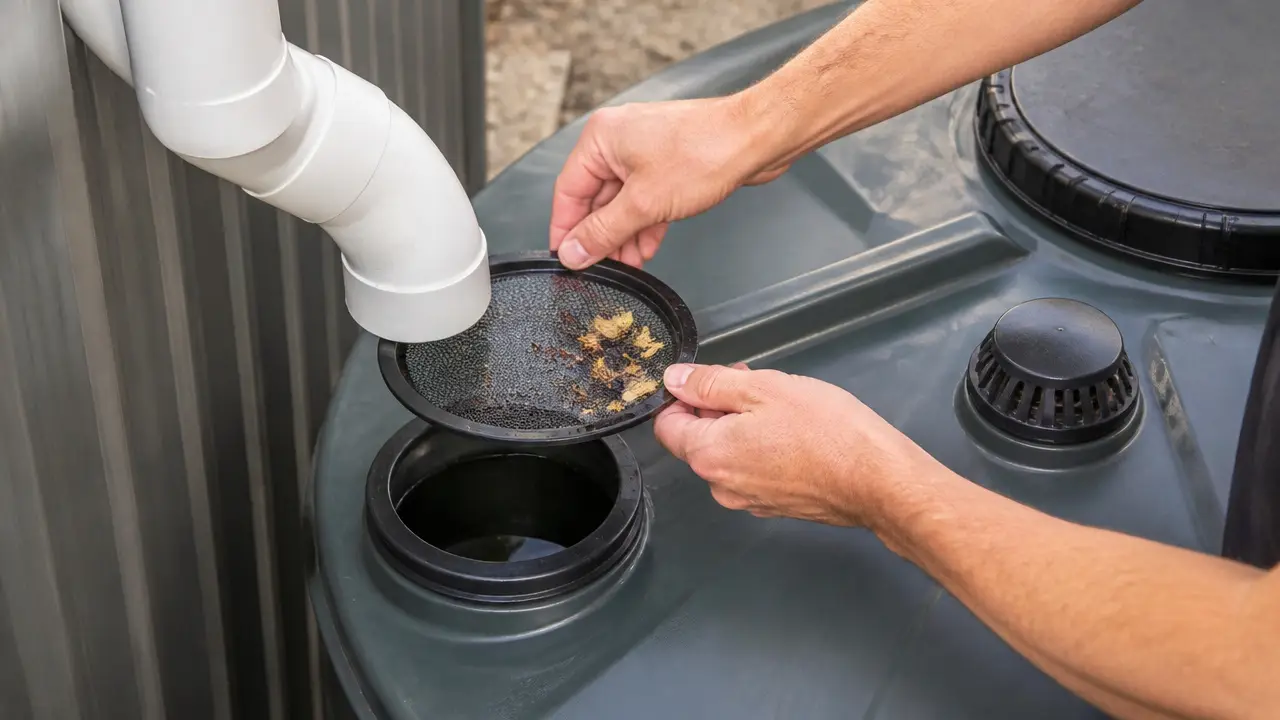
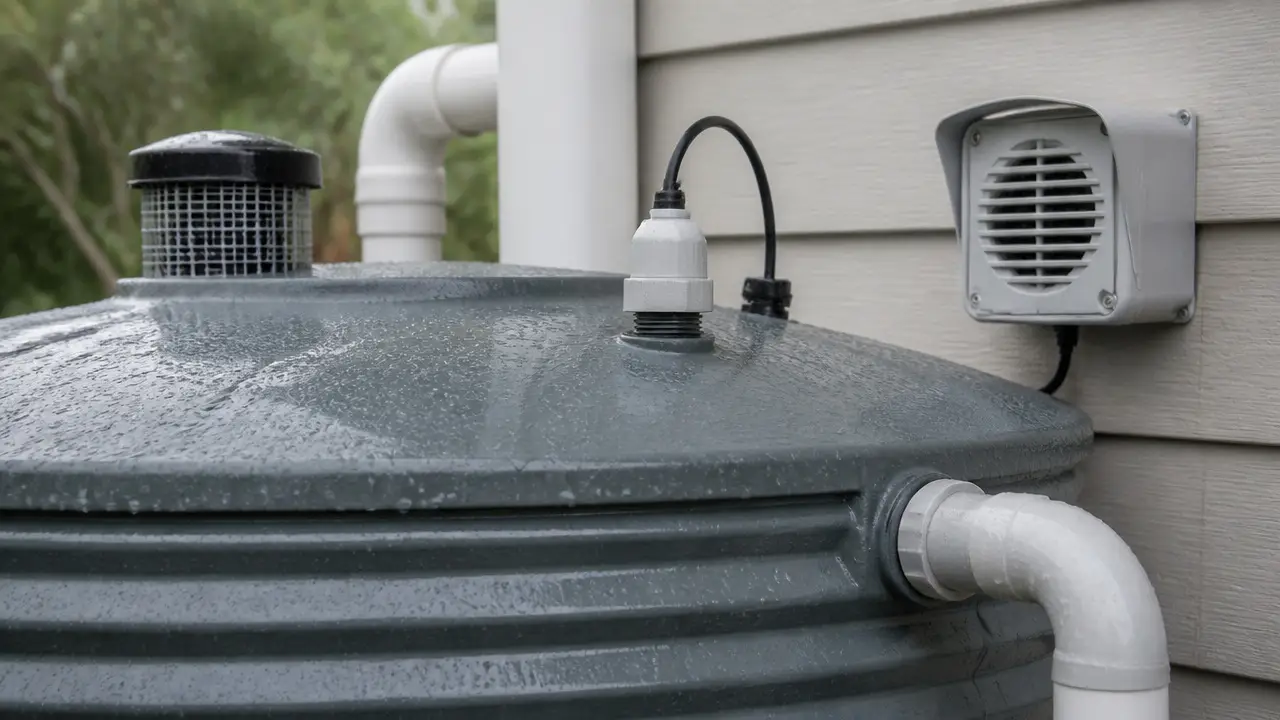
In that case, the basin may be unnecessary unless it is serving as part of an overflow or decorative arrangement. A storage system also needs proper screening, overflow control, and connections suitable for the intended use of the water.
How Big Should a Rain Chain Basin Be?
There is no single basin size that works for every rain chain.
The amount of runoff depends mainly on:
- Roof area draining to that gutter outlet
- Rainfall intensity
- Gutter layout
- Basin depth
- Soil drainage
- Where the basin overflow goes
A tiny decorative bowl may look good during light rain but overflow almost immediately during a storm.
For most installations, think of the basin as a splash-control feature, not as storage for all the water coming from the roof. Give excess water a safe route out of the basin.
The wider the falling water spreads, the wider the catch area should be. Cup-style rain chains usually control water better than loose chains during windy or heavy rain, but any open rain chain can splash.
Materials You Can Use
A simple rain chain basin does not require complicated parts.
Useful materials include:
- Wide outdoor bowl or basin
- Large planter saucer
- Shallow concrete or stone container
- Landscape rocks or river stones
- Gravel
- Flat paving stone
- Landscape edging
- Drainage pipe, if the design needs controlled discharge
Choose materials that can stay outdoors in your climate.
A thin ceramic bowl may crack after repeated freezing. Lightweight plastic containers may move or tip. Metal containers can corrode unless they are made for outdoor exposure.
If children or pets use the area, avoid unstable containers, sharp edges, and loose arrangements that can tip.
How to Make a Simple Rain Chain Basin
1. Watch where the rain chain actually drops water
Do not assume the water falls perfectly straight down.
During a rain, observe where water reaches the bottom of the chain if it is safe to do so from ground level. Wind and chain movement can change the landing area.
Place the basin so most of the water falls near its center.
You should not climb onto a wet roof or ladder to inspect the system during rain.
2. Check the ground slope
Water should not collect beside the house.
Look at how the surrounding ground slopes. If the area naturally sends water back toward the foundation, adding a decorative basin does not solve the drainage problem.
The drainage route may need to be corrected first.
3. Prepare a stable base
Remove loose mulch or soft soil where the basin will sit.
Create a firm, level base using compacted gravel, a paving stone, or another suitable outdoor surface.
This keeps the basin from tilting as soil becomes wet.
A heavy stone basin may need more support than a lightweight planter saucer. Do not place a large, heavy feature over unsupported structures or buried components without knowing what is below it.
4. Position the basin under the chain
Center the end of the rain chain over the basin.
The chain should generally terminate close enough to the basin to reduce splash, but it should not be packed tightly against the bottom unless the chain design requires that arrangement.
Check the manufacturer's installation guidance if you are using a manufactured rain chain.
5. Add stones if desired
Stones can break up the falling stream and reduce splashing.
Use stones large enough that normal runoff will not easily wash them out of the basin.
Avoid filling the basin completely with very fine gravel. Fine material can collect roof debris and sediment quickly and may be harder to clean.
A few larger stones often work better for splash control.
6. Create a safe overflow
This is the step that turns a decorative bowl into a useful drainage feature.
Water entering from a roof can quickly exceed the capacity of a small basin. Make sure overflowing water has somewhere safe to go.
Depending on the site, that might mean:
- A lower edge facing away from the house
- A stone-lined drainage path
- A landscaped swale
- An appropriate underground drain
- Another approved stormwater feature
Do not make a sealed basin with no overflow plan unless you specifically want standing water and have accounted for drainage, mosquitoes, freezing, cleaning, and local requirements.
7. Test it
You can test the setup with a garden hose at the gutter only if you can do so safely from the ground or another safe location.
Check that:
- Water reaches the basin
- The basin does not tip
- Stones stay in place
- Splash is acceptable
- Overflow moves away safely
- Water does not pool against the house
A hose test does not reproduce every heavy storm, so inspect the basin again after actual rain.
Making a Stone Rain Chain Basin
A shallow stone-lined catch area can blend into landscaping better than a separate bowl.
Start with a shallow depression only where excavation is safe and appropriate. Before digging, account for buried utilities, irrigation, drainage pipes, cables, and other services.
Line the area according to how you want it to behave.
If the goal is infiltration, the design needs suitable draining soil below it. Simply filling a hole with rocks does not guarantee good drainage.
If the goal is to carry water somewhere else, the basin needs a properly planned outlet or drainage path.
Place larger stones where the falling water lands. These help absorb the impact before water moves through the rest of the basin.
Can You Use a Planter as the Basin?
Evaluating suitable placement for a rain chain helps understand reliable drainage when gutters carry peak runoff.
Yes, but drainage matters.
A wide planter can make an attractive rain chain basin. You can fill it partly with stones or use water-tolerant plants where conditions are suitable.
Do not assume that ordinary planter drain holes can handle roof runoff. They may clog with leaves and sediment, and they may be far too small during heavy rain.
Provide a separate overflow route if needed.
Also remember that a container full of wet soil and stones can become very heavy. Put it on a stable surface.
How to Keep Water From Splashing
Some splash is normal with an open rain chain.
You can reduce it by:
- Using a wider basin
- Lowering the end of the chain closer to the basin
- Adding larger smooth stones
- Keeping the chain vertical
- Securing the bottom if wind makes it swing
- Keeping the gutter outlet aligned with the top of the chain
If water is shooting past the chain before reaching the basin, the problem may be higher up. Heavy roof flow, a poorly positioned gutter outlet, or a rain chain that is too small for the runoff can cause water to bypass the chain.
A larger basin cannot fix an overflowing gutter.
Do You Need to Anchor the Rain Chain?
Anchoring can help if the bottom of the chain moves a lot in wind.
Some chains can be connected to a stake, basin feature, or other suitable anchor. The connection should not create so much tension that it pulls on the gutter.
The gutter and its supports carry the hanging load of the chain. Heavy chains become even heavier when wet, covered with ice, or moving in wind.
Follow the chain manufacturer's mounting instructions when available.
Avoid Standing Water Near the House
A rain chain basin should not become a permanent puddle beside your foundation.
If water remains for long periods, determine why.
Possible causes include:
- Poorly draining soil
- A basin with no outlet
- A blocked outlet
- Compacted ground
- Excess roof runoff for the drainage area
- Ground sloping toward the house
Adding more rocks usually does not fix poor drainage. Water still needs somewhere to go.
Persistent drainage problems near a foundation are a good reason to consult a qualified drainage, landscaping, or building professional.
What About Mosquitoes?
A basin that drains promptly is easier to manage than one designed to hold water.
Inspect containers after rain. Remove leaves and other debris that may block drainage.
If your design intentionally stores water, mosquito control becomes part of the maintenance plan. Use screening and other methods appropriate to the system and follow local public-health guidance.
Do not assume a layer of decorative stones prevents mosquitoes if water remains underneath them.
Using a Basin in Freezing Climates
Freezing changes both drainage and material choices.
Water trapped inside a container can expand when frozen and crack some materials. Ice can also block an outlet and cause later runoff to spill somewhere unexpected.
Before freezing weather:
- Keep outlets clear
- Remove debris
- Check that water can drain
- Follow manufacturer instructions for outdoor containers
- Remove or protect components that are not freeze-resistant
Watch for heavy ice accumulation on the rain chain itself. Ice adds weight to the gutter connection.
Cleaning and Maintenance
Rain chain basins collect some of the same material that washes off the roof and gutter.
That can include:
- Leaves
- Twigs
- Roof grit
- Dust
- Pollen
- Bird droppings
- Insect debris
Check the basin regularly and after major storms.
Remove accumulated debris and make sure the drainage or overflow route remains open. Clean algae or slippery buildup where it creates a walking hazard.
Also inspect the gutter above. A clean basin will not compensate for a clogged gutter.
Can the Basin Supply Plants?
It can sometimes direct runoff toward landscaping, but roof runoff should not automatically be treated as clean irrigation water.
Its quality depends on the roof surface, coatings, nearby pollution, animal activity, debris, and other conditions.
For ornamental landscapes, roof runoff may be usable where local rules and site conditions allow it. Be more careful when water could contact edible portions of food crops.
Do not use a decorative rain chain basin as evidence that roof runoff is safe to drink. Potable means suitable for drinking. Drinking-water use requires a properly planned collection and treatment system, suitable materials, maintenance, current laboratory testing, and compliance with applicable local requirements.
Common Rain Chain Basin Mistakes
Making the basin too small
A small bowl may fill within moments.
Instead of trying to hold all roof runoff, plan where overflow will travel.
Putting it against the foundation
The basin may hide a drainage problem while keeping soil beside the house wet.
Control the discharge direction instead.
Using rocks without planning drainage
Rocks slow and spread water. They do not make water disappear.
The soil underneath still needs enough drainage capacity, or the system needs an outlet.
Forgetting about debris
Roof runoff carries material into the basin. Small drain openings can clog.
Make drainage parts accessible for cleaning.
Ignoring heavy rain
A basin that works during a drizzle may behave very differently during a downpour.
Inspect the complete path from roof to gutter to rain chain to basin to overflow.
Frequently Asked Questions
How deep should a rain chain basin be?
It does not need to be very deep if its main job is controlling splash. A wide, shallow basin with a safe overflow route is often more useful than a deep container that traps water. Size the feature around your roof runoff and drainage conditions rather than relying on one standard depth.
Should a rain chain basin have drainage holes?
Usually, the water needs a way to leave the basin. Drain holes may help with small amounts of water, but they can clog and may not handle heavy roof runoff. A planned overflow path is often needed as well.
Can I fill a rain chain basin with rocks?
Yes. Larger stones can reduce splash and make the basin more decorative. They do not replace proper drainage, however. Water must still soak into suitable soil or leave through an outlet or overflow path.
How far should a rain chain basin be from the house?
There is no universal distance that works for every property. What matters is preventing runoff from collecting against the foundation. Foundation type, soil, slope, drainage systems, climate, and local building requirements can all affect the proper arrangement.
Can I use a birdbath as a rain chain basin?
A sturdy birdbath-style bowl can catch water, but a bowl designed to hold water can overflow rapidly when connected to roof runoff. It needs stable support and a safe overflow route. Standing water also requires regular cleaning and mosquito management.
Why is my rain chain splashing outside the basin?
The basin may be too narrow, the chain may be swinging, or water may be falling too far before reaching the basin. Large flows can also exceed what the rain chain can control. Check the chain alignment, gutter outlet, basin width, and runoff path.
Can I connect a rain chain basin to a drain?
Yes, where an appropriate drainage system is available and the connection is permitted. The drain must be able to accept the runoff and should be designed so debris does not immediately clog it. For underground drainage or uncertain site conditions, a qualified drainage professional can help determine a suitable setup.