As an affiliate, we may earn a commission from qualifying purchases. We get commissions for purchases made through links on this website from Amazon and other third parties.
A rain chain needs something at the bottom to catch, slow, and direct the water. The simplest choices are a drainage basin filled with stone, a bed of gravel, a splash block, or a connection to a drain.
What works best depends on where the water needs to go. The main goal is to keep runoff from washing away soil, splashing mud onto the house, or collecting beside the foundation.
What Should Go Under a Rain Chain?
For most homes, put the bottom of the rain chain over one of these:
- A rain-chain basin or shallow drainage bowl
- A bed of gravel or river rock
- A splash block that directs water away
- A small landscaped drainage area
- A drain inlet connected to a suitable drainage system
The chain should end close enough to the receiving area that water does not blow or splash everywhere, but it should not be buried or tightly blocked.
A decorative stone by itself may look good, but it may not control much water during a heavy storm.
A Gravel or Stone Bed Is a Simple Choice
A gravel bed works well when the soil below can absorb water and runoff is not especially heavy.
The stones help break the force of the falling water. They also reduce soil erosion and muddy splashing.
A basic arrangement can include:
- A shallow depression below the chain.
- Landscape fabric if needed to separate stone from soft soil.
- Several inches of washed gravel or larger decorative stone.
- A slight slope that carries excess water away from the house.
Larger stones generally stay in place better than small pea gravel when water falls from a tall chain.
The stone bed still needs somewhere for excess water to go. Gravel does not make poorly draining soil absorb water faster.
Use a Rain-Chain Basin for Better Splash Control
Rain-chain basins are shallow containers placed directly below the chain. Some are decorative, while others are designed mainly to control runoff.
A basin can:
- Catch the water falling from the chain
- Reduce splashing
- Hold the chain in position
- Direct overflow toward a drain or landscaped area
Look at where the basin will overflow during a large storm. A basin that simply fills and spills toward the foundation can create the same drainage problem as having no basin at all.
Some installations anchor the bottom of the chain inside the basin. This can help keep a lightweight chain from swinging in strong wind.
A Splash Block Can Direct Water Away
A standard downspout splash block can also work below a rain chain.
Its purpose is simple. Water hits the block and travels away from the wall instead of soaking into the ground directly beside the foundation.
Position the block so that it slopes away from the building. Make sure water has a clear path beyond the end of the block.
This arrangement may not look as decorative as a stone basin, but it can be practical where controlling runoff matters more than appearance.
Connecting the Rain Chain to a Drain
If the existing downspout emptied into a drainage system, you may be able to direct the rain chain into the same type of drainage path.
For example, the chain can end above a suitable drain inlet that leads to an approved stormwater or landscape drainage system.
Do not assume every buried pipe beside a house is meant to receive roof runoff. Drainage systems vary. Some pipes may be foundation drains, sewer connections, or other plumbing that should not receive rainwater.
If you cannot identify the pipe or where it discharges, have the drainage system checked before connecting to it.
Can a Rain Chain Empty Into a Rain Barrel?
It can, but controlling the water is more difficult than with a closed downspout.
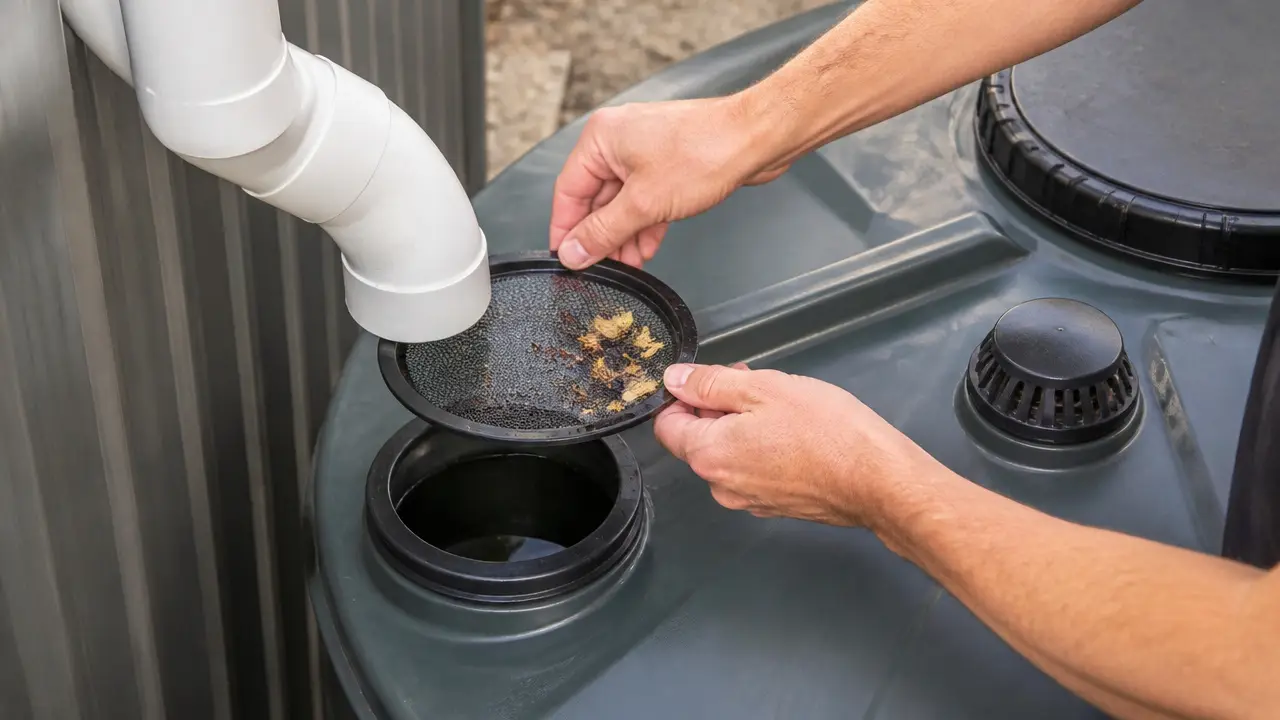
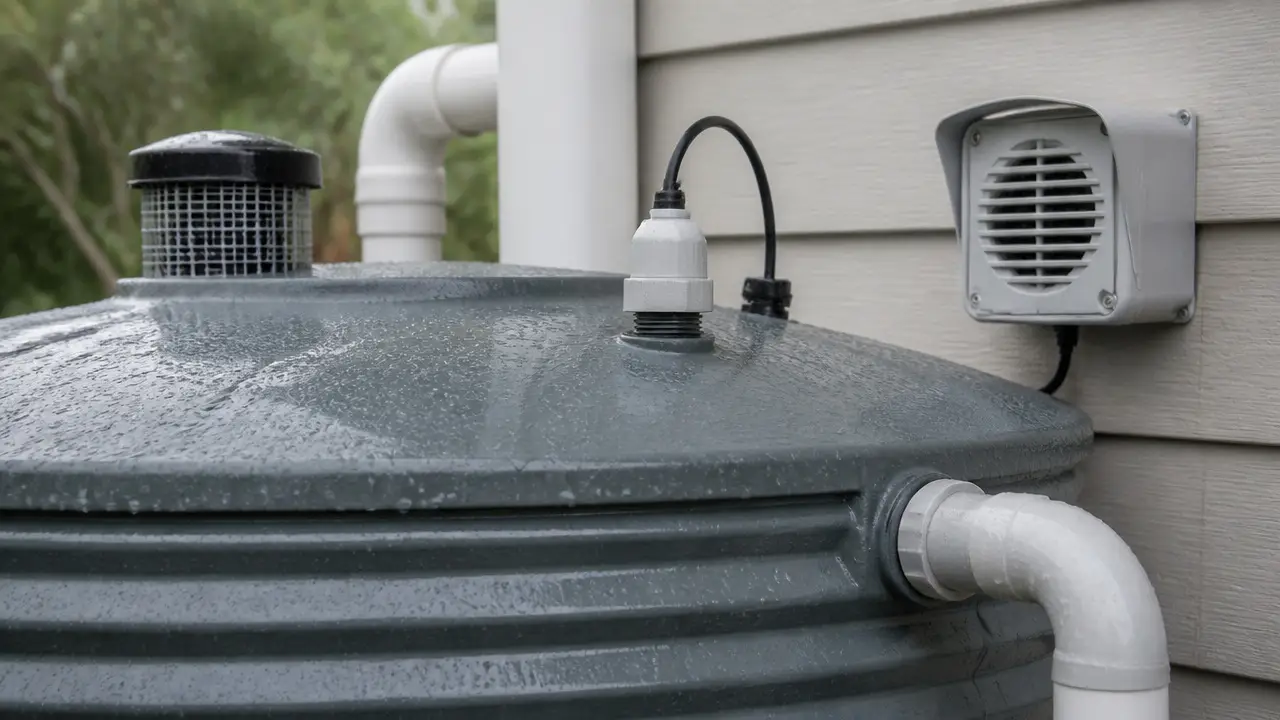
Wind can push water away from the barrel opening, and heavy rainfall can cause splashing. The barrel also needs a screened inlet and a properly sized overflow route.
A normal roof collection system often works better when gutters feed a closed downspout or diverter into the storage tank.
If appearance is the main reason for using a rain chain, one option is to use the chain in an area where water is meant for landscape drainage rather than making it the main connection to a storage tank.
Remember that roof runoff can carry dirt, bird droppings, roofing particles, pollen, and other contaminants. Collecting it in a barrel does not automatically make it safe to drink.
Keep Water Away From the Foundation
This is the most important part of choosing what goes below a rain chain.
A rain chain receives essentially the same roof runoff that a downspout would handle. During a storm, that can be a substantial amount of water concentrated in one location.
Do not create a basin that holds water against the house.
The ground and drainage arrangement should move excess runoff away from the foundation. Watch the area during a real rainstorm. Check for:
- Standing water beside the wall
- Soil washing away
- Water flowing toward a basement or crawlspace
- Mud splashing onto siding
- Overflow from the basin
- Water crossing a walkway
- Ice forming in cold weather
If the property already has basement seepage or foundation drainage problems, replacing a functional downspout with a rain chain deserves extra care.
Consider How Much Water the Roof Produces
Check recommended rain chain basins for anchoring and splash control to evaluate the site’s ability to carry runoff away safely.
A small roof section and a large roof section can produce very different amounts of runoff.
As a useful estimate, 1 inch of rain falling on 1 square foot of roof produces about 0.62 gallons of water before losses.
For example, 200 square feet of roof receiving 1 inch of rain represents roughly:
200 × 1 × 0.62 = 124 gallons
Not all of that will necessarily reach the bottom of the chain because of wind, splash, gutter losses, and wetting of surfaces. Still, the example shows why a tiny decorative bowl may overflow quickly.
The receiving area needs to handle the water after the bowl or gravel bed fills.
What About a Dry Well?
A dry well can receive runoff where soil conditions and local requirements make one appropriate.
A dry well temporarily collects water underground and allows it to soak into the surrounding soil. It is more involved than placing gravel beneath a rain chain.
Poorly placed infiltration systems can contribute to foundation moisture, saturated soil, or drainage problems. Soil type, groundwater conditions, distance from structures, and local drainage rules can all matter.
For anything beyond a small surface drainage feature, consider getting advice from a qualified drainage professional.
What Should You Avoid Putting Under a Rain Chain?
Avoid arrangements that create new water problems.
In particular, do not rely on:
- Loose soil that will quickly erode
- A tiny container with no overflow route
- A basin that drains toward the house
- Lightweight material that washes away
- An unidentified underground pipe
- A permanently sealed container that becomes standing water
- A walking surface that becomes slippery or icy
Standing water can also support mosquitoes in warm conditions. Containers should drain, be covered or screened where appropriate, or otherwise be maintained so water does not remain stagnant.
What Works Best in Freezing Climates?
Rain chains can accumulate ice. Water can also freeze in bowls, drains, and depressions below them.
Avoid an arrangement where ice buildup can damage the chain, block drainage, or create a slippery walkway.
The chain and its attachment also have to support the additional weight of ice. Check the gutter attachment and mounting point periodically.
Where freeze-thaw conditions are severe, a conventional downspout may sometimes provide more predictable drainage.
Choosing the Best Bottom for Your Rain Chain
For a simple landscape installation, a wide bed of gravel or river rock with a safe overflow path is often enough.
For better control and appearance, use a rain-chain basin that drains or overflows away from the foundation.
Where runoff must travel farther from the building, use a splash block, drainage channel, or properly designed drain connection rather than allowing water to soak into one small spot beside the house.
The decorative part is easy. The important part is deciding where the roof water will go after it reaches the bottom.
Frequently Asked Questions
Does a rain chain have to touch the ground?
No. It can stop slightly above a basin, gravel bed, or drain. Some rain chains are anchored at the bottom to reduce movement in wind.
Can I just put rocks under a rain chain?
Yes, if the rocks control erosion and the surrounding area can safely handle the runoff. A rock bed still needs an overflow path during heavy rain.
How deep should gravel be under a rain chain?
There is no single required depth for every installation. The bed needs to be deep and wide enough to stay stable under falling water and prevent soil erosion. Drainage below the stone matters more than simply adding extra depth.
Can I put a pot under a rain chain?
You can use a pot or decorative bowl, but it needs a safe way to drain or overflow. A closed pot can fill quickly and may become a source of standing water.
Should I anchor the bottom of a rain chain?
Anchoring can help prevent swinging in windy areas. The attachment should not prevent drainage or place damaging tension on the chain or gutter.
Can a rain chain drain directly onto concrete?
It can, but repeated runoff may splash onto walls or create a wet, slippery area. Direct the water toward suitable drainage and away from entrances and walking paths.
Can a rain chain replace any downspout?
Not always. Rain chains are more exposed to wind and splashing and may handle concentrated runoff less predictably than enclosed downspouts. Large roof areas, difficult drainage sites, and locations close to foundations may be better served by a conventional downspout.