As an affiliate, we may earn a commission from qualifying purchases. We get commissions for purchases made through links on this website from Amazon and other third parties.
A rain chain does not usually need to rest on the ground. In most setups, the bottom of the chain should end just above a drain, catch basin, gravel bed, rain barrel inlet, or other place that can safely handle the water.
The important part is not whether the chain touches the ground. It is whether the bottom is secure and the water has somewhere to go.
How High Should a Rain Chain Be From the Ground?
A rain chain normally hangs from the gutter opening and extends almost all the way to its drainage point.
At the bottom, you can:
- Let the chain hang slightly above a catch basin or gravel bed.
- Allow the last link or cup to lightly touch the drainage area.
- Attach the bottom to an anchor so it does not swing.
- Direct it into a rain barrel or other collection container.
There is no single required gap between the chain and the ground. A small gap is often useful because it keeps the chain from sitting in dirt, mud, or standing water.
For cup-style rain chains, leave enough room for water to leave the final cup freely.
Why Rain Chains Are Often Anchored at the Bottom
Although a rain chain does not have to touch the ground, securing the bottom is often a good idea.
An unsecured chain can swing in strong wind. It may hit siding, windows, plants, or nearby objects. Movement can also make water splash farther from the intended drainage area.
A bottom anchor keeps the chain roughly vertical.
Common anchor points include:
- A stake driven into the soil.
- A heavy decorative basin.
- A grate over a drain.
- A gravel-filled drainage basin.
- A purpose-made chain anchor.
The chain should have a little freedom to move rather than being pulled extremely tight. Gutters and their fittings should not be used to support unnecessary tension.
Where Should the Water Go?
The drainage point matters more than the exact position of the last chain link.
A rain chain can concentrate a large amount of roof runoff into one small area. Sending that water directly onto bare soil next to a house can cause erosion, mud, or unwanted water near the foundation.
A better setup directs the water into something designed to receive it.
Gravel or Stone Basin
A shallow basin filled with stone can reduce splashing and help protect the soil from erosion.
However, gravel does not automatically solve a drainage problem. Water still needs a suitable place to soak in or drain away.
Drainage System
A rain chain can discharge into a catch basin connected to an appropriate drainage system.
Keep the grate and basin clear of leaves and other debris so water can enter freely.
Rain Barrel
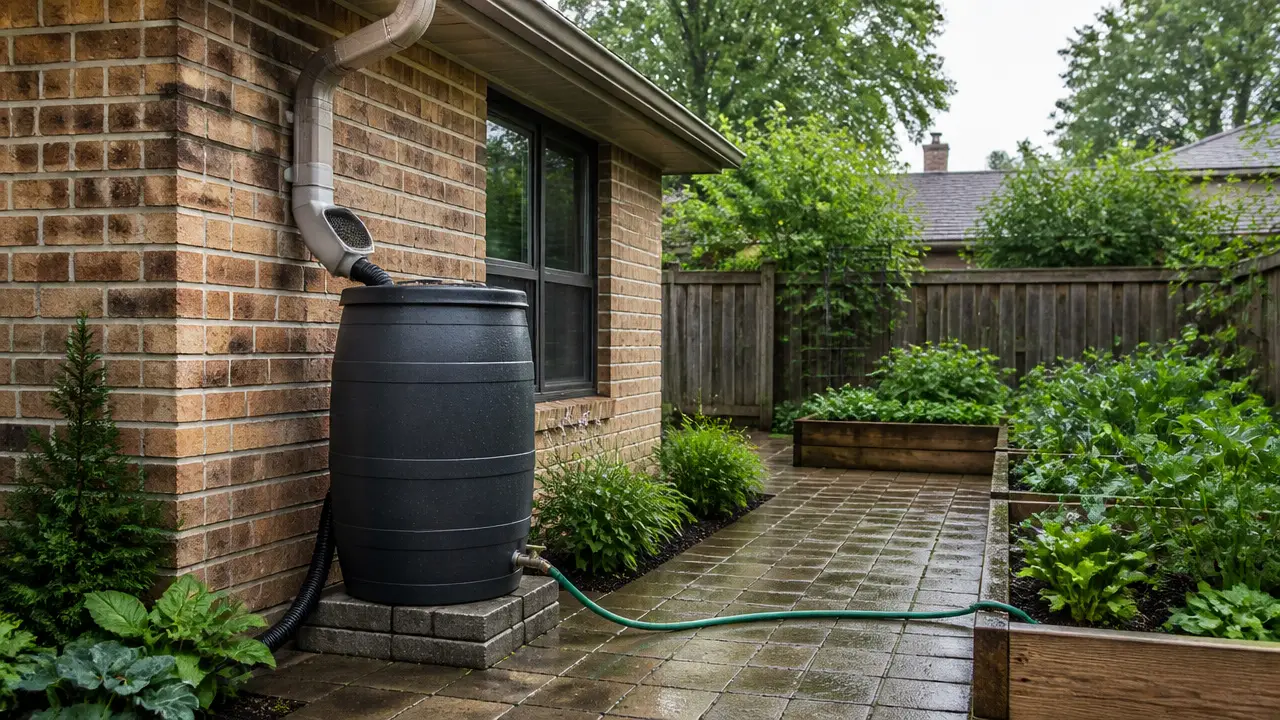
A rain chain can also feed a rain barrel when the barrel opening is positioned to catch the runoff.
Remember that a rain barrel can fill quickly during heavy rain. It needs a properly placed overflow route that carries excess water somewhere safe.
Rain Garden
Where soil, slope, climate, and local conditions are suitable, runoff may be directed toward a rain garden or landscaped infiltration area.
The rain chain itself only moves water downward. The landscape still has to manage the resulting flow.
Should the Rain Chain Touch a Catch Basin?
It can.
Having the final link touch or sit just inside a basin can help control movement. Another option is to attach the chain to an anchor inside the basin.
Just avoid leaving a metal chain lying across soil or permanently sitting in standing water. Constant contact with wet soil and debris can make the chain dirtier and may shorten the life of some materials.
What If the Rain Chain Is Too Short?
A chain that ends well above its drainage point may produce more splashing, especially during heavy rain.
You can usually add compatible links, cups, or an extension to bring the outlet closer to the receiving area.
Before adding weight, check that the gutter attachment is suitable for the completed chain. Long cup-style chains can become considerably heavier when wet or icy.
The goal is a nearly continuous path from the gutter outlet to the drainage point without stretching the chain tight.
What If the Rain Chain Is Too Long?
Do not simply pile a large amount of extra chain on the ground.
Depending on the design, you can:
- Remove extra links.
- Remove one or more cups.
- Adjust the lower attachment point.
- Secure a small amount of extra chain within the drainage basin.
Regarding ways to manage a full rain barrel, verify the storage-vessel configuration for the installation area.
Keep the bottom clear enough that water can drain freely.
Rain Chains in Windy Areas
Wind is one of the strongest reasons to secure the bottom of a rain chain.
A long chain can act like a pendulum. The longer and lighter it is, the more movement you may see.
Check that the chain cannot strike:
- Windows.
- Siding.
- Doors.
- Outdoor equipment.
- Fragile plants.
- Walkways where swinging metal could be a hazard.
Anchoring the bottom normally reduces this movement substantially.
Rain Chains in Freezing Climates
Cold climates need extra care.
Water can freeze on a rain chain and add a large amount of weight. Ice can also block cups or create large icicles near the bottom.
Do not assume the gutter or chain hanger can safely support unlimited ice buildup.
During freezing weather, periodically check the chain, gutter outlet, attachment point, and drainage area from the ground. Avoid standing beneath heavy ice or pulling on a frozen chain.
Also make sure the drainage point does not create an icy walking surface.
Can a Rain Chain Drain Directly Onto the Ground?
It can, but bare ground is usually not the best receiving surface.
Water falling from the roof becomes concentrated at the bottom of the chain. Over time, that concentrated flow can wash away soil and create a depression.
This is especially important close to a foundation.
A stone basin, drain, or other planned drainage area gives the runoff a more controlled destination.
Using a Rain Chain With Rainwater Collection
If your goal is rainwater harvesting, think of the rain chain as part of the conveyance system rather than the storage system itself.
The path is roughly:
Roof → gutter → rain chain → collection inlet → storage
Leaves, dust, bird droppings, roofing debris, and other contaminants can enter roof runoff. A rain chain does not clean or treat the water.
For garden use, consider how debris will be kept out of the storage tank and how overflow will be handled. For any intended drinking-water use, collection and treatment require a much more complete approach involving suitable collection surfaces, prefiltration, treatment, maintenance, current laboratory testing, and applicable local requirements.
A Simple Setup That Works
For many homes, a practical installation is:
- Hang the rain chain securely from the gutter outlet.
- Extend it close to the drainage area.
- Position a gravel basin or catch basin below it.
- Secure the bottom of the chain to an anchor.
- Make sure runoff can move away without causing erosion or collecting against the foundation.
- Observe the system during actual rain and check for excessive splashing or overflow.
The last step is important. A rain chain that looks well positioned during dry weather may behave differently during a heavy downpour.
Frequently Asked Questions
Does the bottom of a rain chain have to be anchored?
No, but anchoring is usually helpful. It limits swinging during wind and keeps the chain positioned over its drainage area.
How far above the ground should a rain chain end?
There is no universal required distance. It can end just above the drainage area or lightly contact an anchor or basin. Keep it close enough to reduce splashing without leaving unnecessary chain piled on the ground.
Can a rain chain sit directly on gravel?
Yes. The lower end can touch gravel, although anchoring it beneath or within the gravel often provides better control. Make sure the drainage area can handle the amount of roof runoff it receives.
Can I let a rain chain hang freely?
Yes, especially if it is short and protected from wind. Longer chains in exposed locations are more likely to swing and usually benefit from a bottom anchor.
Should a rain chain be tight?
No. It should hang naturally rather than being stretched tight between the gutter and ground. Excess tension can place unnecessary force on the gutter attachment.
Why is water splashing away from my rain chain?
The chain may end too high above the drainage area, the basin may be too small, or heavy rainfall may exceed the chain's ability to guide water neatly. Lowering or anchoring the chain and improving the receiving basin may help.
Can a rain chain empty into a rain barrel?
Yes, if the barrel inlet is positioned to catch the water. The barrel also needs debris control and a safe overflow route for water once the barrel is full.