As an affiliate, we may earn a commission from qualifying purchases. We get commissions for purchases made through links on this website from Amazon and other third parties.
Choosing the right hose adapter starts with three things: what you are connecting, the thread or fitting type on each side, and how the water will be used. An adapter that looks close can still leak, restrict flow, or damage threads.
For rain barrels, IBC totes, cisterns, pumps, filters, and garden hoses, do not choose an adapter by diameter alone. Check the connection style, male or female ends, actual thread standard, hose size, pressure, and material before buying.
Start With the Two Things You Need to Connect
A hose adapter joins two fittings that would not otherwise connect.
For example, you might need to connect:
- A rain barrel outlet to a garden hose
- An IBC tote valve to a hose
- A cistern outlet to irrigation tubing
- A pump outlet to a garden hose
- A filter housing to flexible tubing
- A threaded pipe fitting to a hose barb
Write down the connection on both sides before choosing an adapter.
A simple description might look like this:
Rain barrel outlet: female pipe thread → Garden hose: female garden hose connection
That tells you the adapter needs the correct pipe thread on one end and a male garden hose connection on the other.
Check the Connection Type, Not Just the Size
One of the most common mistakes is assuming two fittings will connect because both are labeled with the same nominal size.
They may use completely different connection systems.
Garden Hose Thread
Standard garden hoses in the United States commonly use 3/4-inch garden hose thread, often called GHT.
Garden hose fittings normally seal with a flat rubber washer inside the female fitting. The washer presses against the flat face of the male fitting.
This is important because garden hose threads are not meant to seal the same way tapered pipe threads do.
Pipe Thread
Many rain barrels, tanks, pumps, valves, and filters use threaded pipe connections.
In the United States, NPT, or National Pipe Thread, is common. These threads are tapered. The connection tightens as the fittings screw together.
A fitting labeled 3/4-inch NPT is not the same thing as a 3/4-inch garden hose fitting.
Do not force one into the other.
Hose Barb
A hose barb has ridges that slide inside flexible tubing.
The barb size should match the inside diameter of the hose.
For example, a hose designed for a 1/2-inch barb should fit around a 1/2-inch hose barb. Depending on the hose material and operating pressure, a suitable clamp may also be needed.
Quick-Connect Fittings
Quick-connect fittings let you disconnect hoses without unscrewing threaded fittings each time.
They are useful for:
- Seasonal systems
- Pump connections
- Removable filters
- Garden watering lines
- Systems that need frequent cleaning
However, quick-connect systems are not all interchangeable. Confirm that both halves belong to the same connection standard and size.
Identify Male and Female Fittings
Threaded fittings are described as either male or female.
A male fitting has threads on the outside.
A female fitting has threads on the inside.
To connect two parts, you normally need a male end going into a matching female end.
If both existing parts are female, you need an adapter with male connections where required. If both are male, you may need a female-to-female coupling.
Do not rely only on product photographs. Read the connection description carefully.
Measure the Existing Fitting Correctly
Nominal fitting sizes can be confusing.
A fitting called "3/4 inch" does not necessarily measure exactly 3/4 inch across with a ruler. Pipe sizes are based on standardized fitting systems rather than a simple outside-diameter measurement.
Before choosing an adapter, look for markings on the:
- Valve
- Spigot
- Tank outlet
- Pump
- Filter housing
- Existing fitting
If no markings are present, measure the fitting and compare it with a reliable thread or fitting-size chart for the system you are using.
When possible, identify the thread standard as well as the nominal size.
Knowing that a fitting is "about one inch" across is not enough.
Check Your Rain Barrel or Tank Outlet
Rainwater storage systems can have several different outlet arrangements.
A rain barrel may use:
- A garden-hose-style spigot
- A threaded bulkhead fitting
- A plastic valve
- A molded tank outlet
A bulkhead fitting passes through the tank wall and creates a sealed connection point. One side is inside the tank and the other is outside.
Larger cisterns and IBC totes can use even more connection types. An IBC tote valve, in particular, should not be assumed to use ordinary pipe or garden hose threads.
Identify the actual outlet before buying an adapter.
Pay Special Attention to IBC Tote Adapters
IBC tote outlets cause many adapter problems because different totes can use different valve designs and threads.
Do not buy an adapter simply because it is advertised as an "IBC adapter."
Check:
- Valve manufacturer or markings
- Thread diameter
- Thread style
- Outlet design
- Existing cap dimensions
Some IBC outlets use coarse buttress-style threads rather than standard pipe threads.
If the original markings are unclear, measure carefully before ordering an adapter. Forcing the wrong fitting can damage the tank valve and create a much harder leak to repair.
Match the Adapter to the Hose Size
The adapter also needs to match the hose or tubing you plan to use.
For threaded garden hoses, matching the connection standard is normally the main concern.
For hose barbs, match the barb to the hose's inside diameter.
Common hoses in rainwater systems include:
- Garden hoses
- Flexible vinyl tubing
- Polyethylene irrigation tubing
- Lay-flat hose
- Pump discharge hose
Do not assume the hose's outside diameter tells you which barb you need.
Think About Flow Before Reducing the Size
An adapter can physically connect two parts while still being a poor choice for water flow.
For example, reducing a large tank outlet to a very small hose can limit how quickly water moves.
This matters when feeding:
- Irrigation systems
- Transfer pumps
- Large garden areas
- Multiple watering lines
Gravity-fed systems are especially sensitive to restrictions because they have less pressure available to push water through narrow fittings and long hoses.
If possible, avoid unnecessary reductions.
Keeping fittings and hoses reasonably close to the tank outlet size can help maintain flow.
Consider Gravity Pressure
A rain barrel does not produce the same pressure as a household water supply.
The water pressure comes mainly from the height of the water above the outlet. This vertical difference is sometimes called head height.
A barrel sitting slightly above the garden may provide enough flow for simple watering but may struggle through:
- Very long hoses
- Narrow adapters
- Fine filters
- Restrictive spray nozzles
- Some irrigation devices
Choosing a larger, less restrictive adapter can help, but an adapter cannot create pressure that the system does not have.
Choose Materials That Fit the Water Use
Common adapter materials include plastic and metal.
Plastic Adapters
Plastic fittings can work well for many low-pressure rainwater systems.
They are usually light and resistant to corrosion, but they can be damaged by:
- Overtightening
- Cross-threading
- Impact
- Sun exposure over time
- Freezing water inside the fitting
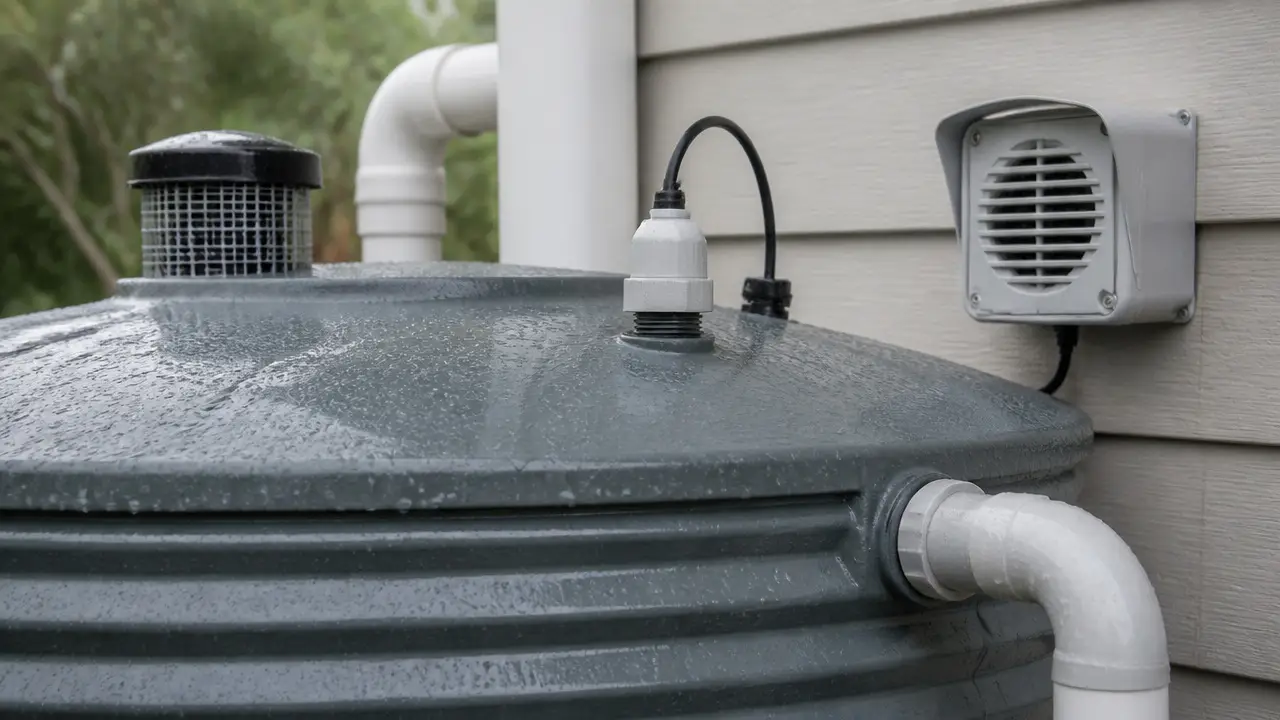
Use key facts about the standard sizes of barrel connectors to compare long-term tank ventilation with dependable overflow handling.
Follow the fitting manufacturer's installation guidance.
Metal Adapters
Brass and other metal fittings are often stronger than light plastic fittings.
However, material compatibility still matters, especially when connecting different metals or attaching rigid metal fittings to plastic tank threads.
Heavy fittings can put stress on plastic valves and tank outlets if they are not supported.
Drinking-Water Use Needs More Care
If collected rainwater may be used for drinking, cooking, or another potable purpose, the adapter is only one part of the safety question.
Potable means intended for drinking.
Use fittings, hoses, sealants, and other wetted components that are suitable for the intended water use and applicable system requirements.
More importantly, a food-grade-looking hose adapter does not make collected roof runoff safe to drink.
Drinking-water use requires a whole-system approach that may include:
- A suitable collection surface
- Debris control
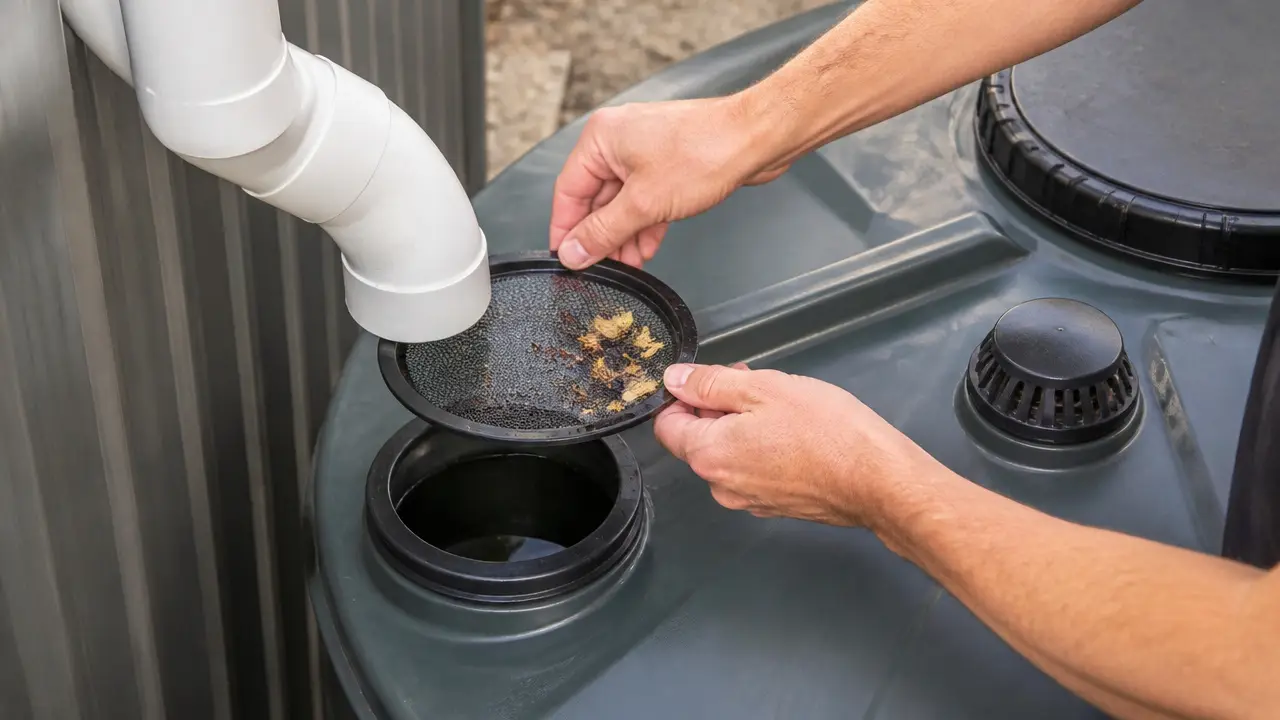
- First-flush or similar runoff management where appropriate
- Protected storage
- Suitable treatment stages
- Current laboratory water testing
- Ongoing cleaning and maintenance
- Compliance with applicable local requirements
A first flush system diverts some of the first roof runoff, which may carry accumulated debris and contaminants.
For potable systems, consider professional water-treatment guidance rather than choosing components one at a time without a complete treatment plan.
Know How the Connection Is Supposed to Seal
Different fittings seal in different ways.
Using the wrong sealing method can create leaks even when the threads appear to fit.
Garden Hose Connections
Garden hose fittings normally use a washer or gasket.
If the connection leaks, inspect the washer before adding thread-sealing tape.
A missing, hardened, damaged, or poorly seated washer is a common cause of garden hose leaks.
Tapered Pipe Threads
Tapered threaded pipe fittings may require a compatible thread sealant according to the fitting manufacturer's directions.
Do not automatically use sealing tape on every threaded connection.
Some fittings seal with:
- Washers
- O-rings
- Gaskets
- Compression surfaces
Adding tape where it does not belong can interfere with the intended seal.
Avoid Cross-Threading
Cross-threading happens when two threaded fittings start at the wrong angle and damage each other's threads.
Plastic fittings are especially easy to damage this way.
Start threaded connections gently by hand. If the fitting immediately becomes difficult to turn, stop and check the alignment and thread type.
Do not use a wrench to force incompatible threads together.
Check the Pressure Rating
Gravity rain barrels usually operate at relatively low pressure, but pumps can change the situation.
If an adapter is installed downstream of a pump, make sure the:
- Adapter
- Hose
- Valve
- Filter
- Clamps
- Other fittings
are suitable for the pump system's operating pressure.
The weakest component can become the failure point.
If you are building a pressurized household reuse system, pump and pressure-tank system, or complex irrigation network, follow the equipment manufacturer's requirements and use qualified help when needed.
Think About Freezing Weather
Water trapped inside adapters, valves, hoses, and filters can freeze and expand.
This can crack fittings even when the storage tank itself survives.
In freezing climates, your system may need a seasonal shutdown or another freeze-protection approach appropriate to the installation.
Do not assume a fitting is freeze-proof simply because it is made from metal or thick plastic.
Detachable adapters can make seasonal draining and storage easier.
A Simple Hose Adapter Checklist
Before buying an adapter, confirm:
| Question | What to Check |
|---|---|
| What is connection A? | Garden hose, NPT, barb, tank valve, quick-connect, or another type |
| What is connection B? | Identify the exact second fitting |
| What sizes are they? | Use nominal fitting size or hose inside diameter as appropriate |
| Male or female? | Check both ends |
| What thread standard is used? | Do not assume similar-looking threads match |
| How does it seal? | Washer, O-ring, gasket, or threaded seal |
| How much flow is needed? | Avoid unnecessary restrictions |
| Is the system pressurized? | Confirm fitting and hose pressure suitability |
| What is the water used for? | Garden, non-potable household use, or potable system |
| Will it freeze? | Plan for draining or appropriate seasonal protection |
Common Hose Adapter Mistakes
Buying by Diameter Alone
Two fittings can measure similarly while using different thread systems.
Identify the thread type.
Assuming Every 3/4-Inch Fitting Is the Same
A 3/4-inch garden hose fitting and a 3/4-inch pipe fitting are not automatically compatible.
Buying an IBC Adapter Without Checking the Valve
IBC outlet threads vary. Check the specific valve before choosing an adapter.
Forgetting the Washer
A garden hose connection can leak badly from a missing washer even when the adapter is correct.
Using Too Small an Adapter
A severe reduction can restrict flow, especially in gravity systems.
Overtightening Plastic Fittings
More force does not always create a better seal. It can crack the fitting or damage the threads.
Using the Wrong Sealant
Thread tape does not replace a garden hose washer, O-ring, or gasket.
Choose the Simplest Adapter That Fits Correctly
For most rainwater systems, the best hose adapter is not the most complicated one.
Choose an adapter that:
- Matches the exact connection on the tank, valve, pump, or filter.
- Matches the hose or tubing on the other side.
- Uses the correct male or female ends.
- Uses compatible thread standards.
- Provides enough flow for the intended use.
- Is suitable for the system pressure and water use.
- Can be removed or serviced when maintenance is needed.
If you cannot positively identify an existing tank or valve thread, stop before forcing a fitting onto it. Replacing an incorrect adapter is easy. Repairing damaged threads on a tank outlet can be much harder.
Frequently Asked Questions
Can I connect a garden hose directly to a rain barrel?
Yes, if the rain barrel has a compatible garden hose outlet or spigot. If the barrel uses a different threaded outlet, you will need an adapter that converts that connection to garden hose thread.
Is 3/4-inch NPT the same as 3/4-inch garden hose thread?
No. They are different thread systems. A fitting may be described as 3/4 inch in both systems without being interchangeable.
Do I need thread tape on a garden hose adapter?
Usually not on the garden-hose side when the fitting is designed to seal with a washer. Check that the washer is present and in good condition. Other threaded portions of the adapter may use a different sealing method.
What size hose barb should I use?
Match the hose barb to the inside diameter of the flexible hose or tubing. Also make sure the hose material is suitable for the barb, clamp, pressure, temperature, and intended water use.
Why does my new adapter leak?
Common causes include a missing washer, damaged gasket, cross-threaded connection, incompatible threads, insufficient sealing on a fitting designed for thread sealant, or a cracked fitting. Identify how that specific connection is supposed to seal before tightening it further.
Can a small hose adapter reduce rain barrel flow?
Yes. Small adapters, long narrow hoses, restrictive valves, filters, and nozzles can reduce flow. This is especially noticeable in gravity-fed systems because they operate at relatively low pressure.
Are all IBC tote hose adapters interchangeable?
No. IBC tote valves can use different thread sizes and designs. Check the valve markings, dimensions, and thread type before choosing an adapter.
Can I use any hose adapter for drinking-water rainwater systems?
No. Wetted fittings and hoses should be suitable for the intended potable-water application, but appropriate components alone do not make harvested rainwater safe to drink. Potable use requires suitable collection, treatment, current water testing, maintenance, and compliance with applicable local requirements.