As an affiliate, we may earn a commission from qualifying purchases. We get commissions for purchases made through links on this website from Amazon and other third parties.
Yes. Some tapes can slow or stop small leaks, but the right tape depends on where the leak is and whether the pipe is under pressure.
Self-fusing silicone repair tape can work well for a small leak in a hose or pipe. It stretches and bonds to itself rather than sticking to the wet surface. However, tape is usually a temporary repair, especially on pressurized water lines.
For rain barrels, tanks, hoses, pumps, and irrigation systems, it is better to find the cause of the leak and repair the fitting, seal, hose, or pipe correctly.
What Kind of Tape Stops Water Leaks?
Several products are called leak-repair tape, but they do different jobs.
| Tape type | Best use | What to know |
|---|---|---|
| Self-fusing silicone tape | Small hose and pipe leaks | Wraps tightly and bonds to itself |
| Rubber repair tape | Hoses and low-pressure lines | Often used as a temporary patch |
| Waterproof adhesive repair tape | Cracks and small holes on some surfaces | Surface preparation matters |
| PTFE thread-seal tape | Threaded pipe fittings | Goes inside the threaded connection, not over a leaking pipe |
| Fiberglass pipe-repair wrap | Damaged rigid pipe | Usually uses resin and becomes hard after curing |
For many simple water-system repairs, self-fusing silicone tape is the most useful tape-style option.
How Self-Fusing Silicone Tape Works
Self-fusing tape has no normal sticky adhesive. Instead, the stretched layers bond to each other.
You normally:
- Shut off the water if possible.
- Relieve pressure in the line.
- Clean dirt and loose material from the damaged area.
- Stretch the tape as you wrap it.
- Start before the leak and continue past it.
- Overlap each wrap so several layers cover the damaged area.
The tape forms a tight rubber-like sleeve around the pipe or hose.
Follow the tape manufacturer's instructions for stretch, overlap, temperature, and curing time. Different repair tapes have different limits.
Can You Put Tape Over an Active Water Leak?
Sometimes, but results are much better if you can stop the water first.
Water pressure pushes outward through the damaged area. Trying to wrap tape around a pipe while water is spraying out can make it hard to create a tight seal.
A better approach is to shut off the pump or valve, drain or depressurize the line, and then make the repair.
If you cannot isolate the leaking section, tape should be viewed as an emergency measure rather than a dependable permanent fix.
Will Tape Stop a Pressurized Pipe Leak?
It may stop a very small leak temporarily, but pressure makes tape repairs less reliable.
Pressure can eventually:
- Push water underneath the repair.
- Stretch or move the tape.
- Enlarge an existing crack.
- Cause a damaged fitting to fail completely.
This matters with rainwater pumps. A pump may create much more pressure than a gravity-fed rain barrel.
A patch that works on a low-pressure garden line may fail quickly on the discharge side of a pump.
If a pressurized PVC, copper, PEX, or other rigid pipe is cracked, replacing or properly repairing the damaged section is usually the better solution.
What About Leaking Hoses?
Tape can be much more practical on hoses.
A small pinhole in a garden or irrigation hose can sometimes be wrapped tightly with self-fusing silicone tape. It can keep the hose usable until you install a proper repair connector or replace the damaged section.
Check the hose after restoring pressure. If the hose is bulging, splitting, badly cracked, or deteriorating in several places, replacing it is safer than adding more patches.
Can Tape Fix a Leaking Rain Barrel?
It depends on where the barrel leaks.
Around a fitting
If water is coming from around a spigot, bulkhead fitting, or pipe connection, wrapping tape around the outside usually does not fix the real problem.
A bulkhead fitting is a fitting that passes through the wall of a tank and seals against it.
A leak there may come from:
- A loose fitting.
- A damaged gasket.
- A gasket installed on the wrong side.
- Dirt between the gasket and tank.
- A cracked fitting.
- A damaged tank wall.
- Threads that were sealed incorrectly.
Drain the water below the fitting and inspect the connection instead of simply covering it with tape.
From a crack in the barrel
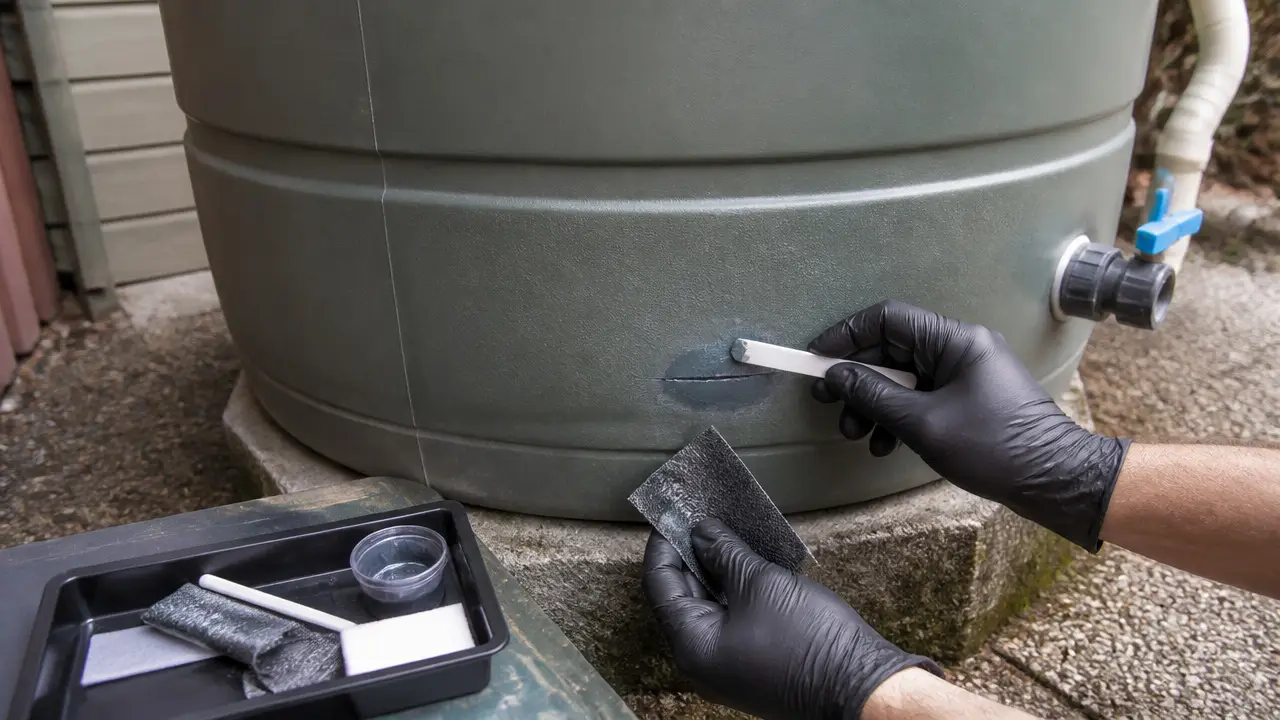
Tape may temporarily slow a small crack, but cracks can continue growing as the barrel fills.
Remember that stored water is heavy. A full tank puts constant force on its walls. Large cracks, splits near fittings, or damage near the bottom of a container deserve a proper repair or replacement.
Can You Use PTFE Tape to Stop a Leak?
Regarding practical what tape do plumbers use to stop leaks, compare long-term maintenance priorities for the installation.
Yes, but only for the type of leak it was designed to address.
PTFE tape, often called plumber's tape or thread-seal tape, is used on certain threaded pipe connections.
The fitting must normally be taken apart first. The tape is wrapped around the correct male threads before the connection is reassembled.
Wrapping PTFE tape around the outside of an already leaking pipe joint generally will not seal it.
Also, not every threaded connection uses PTFE tape. Some fittings seal with gaskets, washers, flared surfaces, O-rings, or other methods. Adding thread tape where it does not belong can sometimes make the connection worse.
Tape Does Not Fix Every Type of Leak
Before reaching for tape, find the source.
A leak from a pump system could actually be coming from:
- A threaded adapter.
- A hose clamp.
- A cracked fitting.
- A loose union.
- A worn pump seal.
- A damaged O-ring.
- A split hose.
- A tank connection.
Water can also travel along a pipe before dripping, making the apparent leak location misleading.
Dry the area if possible and watch where water first appears.
When a Tape Repair Makes Sense
Tape can be useful when:
- The leak is small.
- The damage is easy to reach.
- The pipe or hose is still structurally sound.
- Water pressure is low.
- You need a temporary repair before replacing a part.
- The tape is compatible with the pipe material and operating conditions.
It is less suitable when you see a long crack, badly corroded pipe, damaged tank wall, broken fitting, large opening, or high-pressure leak.
Be Careful Around Pumps and Electricity
If the leak is near an electric pump, controller, outlet, extension cord, or wiring, switch off power safely before working around the water.
Do not depend on tape to keep leaking water away from electrical equipment.
A leaking pump housing or pressure-system component can also indicate damage that should be inspected rather than wrapped.
The Better Long-Term Fix
The best repair usually depends on what failed.
For example:
- Leaking hose: Install a hose repair coupling or replace the hose.
- Threaded fitting: Disassemble and reseal it using the correct sealing method.
- Loose hose connection: Inspect the clamp and fitting.
- Damaged gasket: Replace the gasket.
- Cracked PVC: Replace or properly repair the damaged pipe section.
- Leaking tank bulkhead: Drain below the fitting and inspect the gasket, fitting, and tank wall.
- Pump leak: Identify whether the leak comes from plumbing or the pump itself.
Tape is useful to have in a rainwater-system repair kit, but it should not hide a problem that is getting worse.
Frequently Asked Questions
What is the best tape for stopping a water leak?
Self-fusing silicone tape is one of the more useful options for temporarily sealing small leaks in hoses and pipes. Its suitability depends on pipe material, pressure, temperature, and the size of the damage.
Can waterproof tape stop a pipe from leaking?
It can sometimes stop or slow a small leak, especially on a low-pressure line. It should not normally be considered a permanent repair for damaged pressurized plumbing.
A temporary wrap is more dependable when it uses tape intended for sealing water leaks on the relevant pipe material and pressure.
Can I put tape on a wet pipe?
Some self-fusing tapes can be applied in damp conditions because they bond to themselves. Even so, shutting off the water and drying the area usually gives you a better repair.
Will duct tape stop a water leak?
Duct tape may slow a very small leak for a short time, but it is not a dependable pipe-repair method. Water and pressure can weaken the adhesive and allow the leak to return.
Can plumber's tape fix a leaking connection?
PTFE plumber's tape can help seal certain threaded connections when it is applied correctly during assembly. It is not normally effective when simply wrapped around the outside of a leaking joint.
Can tape repair a leaking rain barrel fitting?
Wrapping tape around the outside usually does not solve a leaking tank fitting. Check the gasket, fitting tightness, threads, and tank wall instead.
Is leak-repair tape permanent?
Some repair tapes can last a long time under suitable conditions, but a damaged pipe, fitting, hose, or tank should still be repaired properly. Pressure, sunlight, temperature changes, and movement can eventually cause a taped repair to fail.