As an affiliate, we may earn a commission from qualifying purchases. We get commissions for purchases made through links on this website from Amazon and other third parties.
Boiling rainwater can kill many disease-causing germs, but boiling alone does not make collected rainwater reliably safe to drink.
Rainwater can pick up bird droppings, dirt, dust, smoke, roofing chemicals, metals, and other contaminants before it reaches your tank or barrel. Boiling deals mainly with germs. It does not remove most chemicals, salts, or heavy metals. In some cases, boiling can even concentrate contaminants because some of the water evaporates.
If you want to drink rainwater regularly, treat it as a whole-system water-quality job rather than simply boiling each batch.
What Does Boiling Rainwater Actually Do?
Boiling is a form of disinfection. It uses heat to kill disease-causing microorganisms.
Proper boiling can kill or inactivate many:
- Bacteria
- Viruses
- Protozoa
- Parasites
CDC guidance for emergency water treatment says to bring clear water to a rolling boil for 1 minute. At elevations above 6,500 feet, CDC recommends boiling for 3 minutes. The water should then cool naturally and be kept in a clean, covered container.
That makes boiling very useful when microbial contamination is the main concern.
But roof-collected rainwater can contain more than microbes.
What Boiling Does Not Remove
Boiling does not reliably remove contaminants such as:
- Lead
- Other heavy metals
- Nitrates
- Salts
- Many pesticides
- Many other chemicals
EPA specifically notes that boiling and disinfection do not destroy heavy metals, salts, and most other chemicals.
Boiling also does not remove lead.
It does not reduce nitrate either. Because water evaporates during boiling while nitrate remains behind, the nitrate concentration can actually increase.
This is why "I boiled it" and "it is safe to drink" do not mean the same thing.
Why Collected Rainwater Can Be Contaminated
Rain may start out relatively clean, but it can pick up contamination before and after reaching your roof.
CDC notes that rainwater can collect dust, smoke, and other particles from the air. After it hits a roof, additional contaminants can come from roofing materials, gutters, pipes, storage tanks, dirt, and animal droppings. Metals such as lead or copper may also enter the water from parts of the collection system.
A typical path looks like this:
Rain → roof → gutter → downspout → tank → plumbing → tap
Every part of that path can affect water quality.
A clean-looking tank of water is therefore not proof that the water is suitable for drinking. Harmful contaminants may have no obvious color, smell, or taste.
What About Rainwater Collected Directly From the Sky?
Catching rain in a clean container avoids some of the contamination found on a roof, but it still does not prove the water is safe to drink.
Rain can collect particles and chemicals from the air before reaching your container. The container itself can also introduce contamination.
Boiling may control many germs, but it still cannot tell you whether harmful chemicals are present.
For drinking water, knowing the source and testing the finished water matter more than whether the water looks clear.
Is Boiling Enough in an Emergency?
It depends on what may have contaminated the water.
If the concern is disease-causing germs and public-health guidance recommends boiling, boiling can be an effective emergency treatment.
If harmful chemicals, fuel, or radioactive contaminants are known or suspected, CDC advises using another water source because boiling will not make that water safe to drink.
So before boiling questionable rainwater, consider where it came from.
For example, rainwater collected from a reasonably maintained roof is a different situation from runoff that may have contacted:
- Chemical spills
- Fuel
- Fire residue
- Floodwater
- Recently applied roof chemicals
- Unknown industrial contamination
When chemical contamination is possible, use a known safe water source instead.
Should You Filter Rainwater Before Boiling?
Removing sediment before boiling can make treatment easier, but a basic sediment filter does not solve every water-quality problem.
If water is cloudy and emergency boiling is appropriate, EPA recommends first allowing material to settle or passing the water through a clean cloth, paper towel, or coffee filter before boiling.
This removes larger particles.
It does not mean the water is now chemically safe.
Filters also do different jobs. A sediment filter may catch dirt but do little or nothing about dissolved metals or chemicals. Other treatment methods may target particular contaminants.
Treatment should therefore be chosen based on what is actually in the water.
A Better Setup for Rainwater You Plan to Drink
A permanent drinking-water system needs more than a pot on the stove.
The goal is to reduce contamination from the moment rain reaches your collection surface, then treat what remains.
Start With the Collection Surface
Check whether the roof, gutters, flashing, sealants, pipes, and tank materials are suitable for collecting water intended for drinking.
Avoid assuming that any roof material is safe simply because rain runs over it.
Roof coatings, old paints, metals, and other materials can affect water quality.
Keep Debris Out
Screens can help keep leaves, insects, and larger debris from entering the tank.
Explore the safety limits of boiled rainwater to interpret which conclusions the measured water-quality values support.
Keep gutters and collection surfaces reasonably clean as well.
These steps reduce the load placed on later treatment equipment.
Use a First Flush Diverter When Appropriate
A first flush diverter sends the first portion of roof runoff away from your storage tank.
That first runoff can carry a larger amount of dust, dirt, bird droppings, and other material that collected on the roof between storms.
CDC recommends considering first-flush diversion as one way to improve collected rainwater quality.
A first flush does not make rainwater potable by itself. It is only one protective step.
Keep Storage Protected
The tank should be designed and maintained to limit entry of:
- Animals
- Insects
- Leaves
- Dirt
- Surface runoff
- Other outside contamination
Tank sediment and system cleanliness also need ongoing attention.
Treat for the Contaminants That Matter
There is no single filter that automatically makes every rainwater supply safe.
A drinking-water system may use several stages depending on the water quality. These could include sediment removal, treatment for specific chemicals, and microbial disinfection.
Potable means suitable for drinking.
The correct treatment train depends on your collection materials, local conditions, test results, and intended use.
Do not assume a sediment cartridge, carbon filter, UV unit, reverse-osmosis system, or other single device provides complete protection unless the whole system has been evaluated for the contaminants that may be present.
Test the Finished Water
If you use collected rainwater for drinking, cooking, or bathing, CDC recommends regular testing for harmful germs and chemicals. CDC also advises getting guidance from your health department about what should be tested.
Testing is especially important because many contaminants cannot be detected by sight, smell, or taste.
For a household rainwater supply, use an appropriate laboratory rather than relying only on simple home strips or meters.
A meter that measures something such as total dissolved solids, often shortened to TDS, tells you how much dissolved material is present in broad terms. It cannot tell you that the water is free from pathogens or harmful chemicals.
What If You Only Use Rainwater for the Garden?
The treatment requirements depend on how you use the water.
Non-potable water is water that is not intended for drinking.
Rainwater used for ornamental plants usually does not need to meet drinking-water standards. That means boiling a barrel of irrigation water would normally serve little purpose.
The important concerns instead may be keeping debris out, controlling mosquitoes, protecting the pump or irrigation system, and maintaining the tank.
Uses where people could swallow the water deserve more caution.
CDC recommends considering treated public water or bottled water instead of untreated rainwater for drinking, cooking, brushing teeth, washing foods, and similar uses when possible.
When Boiling Rainwater Makes Sense
Boiling is useful when all of these are true:
- You need microbial disinfection.
- There is no known or suspected hazardous chemical contamination.
- Public-health guidance supports boiling for the situation.
- You can boil and store the water without recontaminating it.
For a planned household drinking-water supply, however, repeated boiling should not replace good collection design, suitable treatment, maintenance, and laboratory testing.
The Bottom Line
You can boil rainwater to kill many harmful germs, but you cannot assume boiled rainwater is safe to drink.
Roof runoff may contain chemicals, metals, dirt, and other contaminants that boiling does not remove.
For occasional emergency treatment, follow current local public-health instructions. For regular drinking-water use, start with suitable collection materials, reduce contamination before the tank, use treatment matched to the actual water quality, maintain the system, and test the finished water regularly.
Frequently Asked Questions
Can I drink rainwater after boiling it for 10 minutes?
Boiling longer does not solve the main problem. Boiling can kill germs, but it does not remove most chemicals or heavy metals. If chemical contamination is possible, use another water source rather than relying on longer boiling.
How long should rainwater be boiled?
For emergency microbial disinfection, CDC says to bring clear water to a rolling boil for 1 minute. At elevations above 6,500 feet, CDC recommends 3 minutes. This guidance does not mean chemically contaminated rainwater becomes safe.
Does boiling remove bird-dropping contamination from rainwater?
Boiling can kill many disease-causing microorganisms associated with animal waste. However, rainwater that washed over bird droppings may contain other contaminants as well. Good roof cleaning, debris control, first-flush diversion, treatment, and testing are better protections for a regular drinking-water system.
Is filtered and boiled rainwater safe to drink?
Not necessarily. It depends on what the filter removes and what contaminants are present. A sediment filter followed by boiling may address particles and many germs but may leave dissolved chemicals or metals behind.
Can rain-barrel water be boiled and drunk?
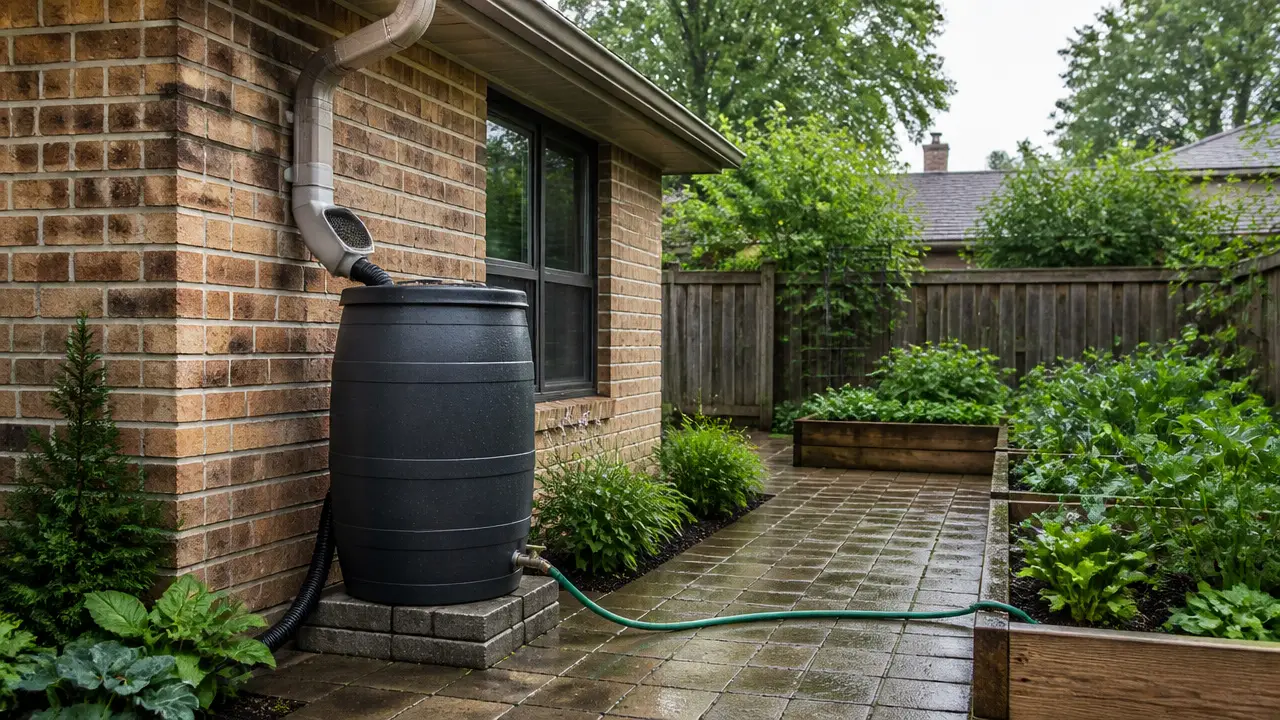
A typical garden rain barrel should not automatically be treated as a drinking-water source. The barrel, roof, gutters, fittings, and stored water may not have been selected or maintained for potable use. Boiling alone does not correct those problems.
Does boiling rainwater remove lead?
No. EPA states that boiling does not remove lead from water. If lead contamination is possible, the source of the lead and appropriate treatment need to be addressed.
Do I need to test rainwater if I boil it?
If collected rainwater is being used regularly for drinking, cooking, or bathing, testing is still important. Boiling provides no information about chemical contamination and cannot confirm overall drinking-water quality.