As an affiliate, we may earn a commission from qualifying purchases. We get commissions for purchases made through links on this website from Amazon and other third parties.
PVC is not “food-grade” just because it is white, clear, Schedule 40, or stamped with the letters PVC. The safest way to identify PVC for a water or food-contact job is to look for a recognized certification that matches the exact use.
For drinking-water plumbing, look for certification to NSF/ANSI/CAN 61 or an NSF-pw marking. For equipment that directly contacts food, a different standard, such as NSF/ANSI 51, may apply. FDA food-contact requirements are also specific to the material, manufacturer, food type, temperature, and intended conditions of use.
That distinction matters in rainwater systems. A PVC pipe that is fine for a garden overflow line may not be the right pipe for water that will later be treated for drinking.
What Does “Food-Grade PVC” Actually Mean?
“Food grade” is a useful everyday phrase, but it is not a universal grade of PVC that can be identified by color or pipe size.
PVC stands for polyvinyl chloride. Different PVC products can contain different stabilizers, pigments, processing aids, and other ingredients. They can also be manufactured for very different jobs, such as:
- Drinking-water piping
- Drain and sewer piping
- Electrical conduit
- Irrigation
- Industrial chemical piping
- Food-processing equipment
Because the intended uses are different, simply confirming that something is made from PVC does not tell you whether it should contact drinking water or food.
The better question is:
Potable compatibility also depends on the difference between garden and food grade hoses used downstream of the PVC.
Is this specific PVC product certified or documented for the type of contact I intend to use it for?
How to Check PVC for Drinking-Water Use
If water will be used for drinking, cooking, brushing teeth, or another potable use, look for a drinking-water certification.
Potable means water intended to be safe for human consumption. Non-potable water is water used for purposes such as irrigation or toilet flushing where drinking-water quality is not required.
Look for NSF/ANSI/CAN 61
NSF/ANSI/CAN 61 is a standard for materials and components that contact drinking water. It evaluates substances that could be contributed to the water by products such as pipes and fittings.
NSF states that plumbing materials used in a home's potable-water system should meet NSF/ANSI/CAN 61 requirements.
On PVC pipe, you may see markings such as:
NSF-61NSF pw- The NSF certification mark accompanied by information identifying potable-water use
NSF explains that the NSF-pw mark indicates certification for potable-water applications.
Do not rely on the letters “NSF” alone without checking what the certification covers. NSF certifies products for many applications, including potable water, drainage, sewage, reclaimed water, geothermal systems, and other uses.
Verify the exact product
A printed certification mark is a good starting point, but you can go one step further.
Look up:
- Manufacturer
- Product or trade name
- Pipe size
- Material
- Certification
- Intended application
in the certifier's current online listing.
This can help catch situations where a manufacturer makes several visually similar PVC products but only certain sizes or product lines are certified.
Current NSF listings, for example, separately identify PVC products certified for potable water and products made for sewer, reclaimed-water, or electrical applications.
What About PVC That Will Contact Food?
PVC used directly around food is a somewhat different question from PVC used to carry drinking water.
NSF/ANSI 51 covers materials and finishes used in commercial food equipment. NSF lists PVC among the plastic materials that can be evaluated for food-contact applications.
FDA requirements are also use-specific. A material's acceptability can depend on all of its components and on how it will be used.
The FDA considers factors such as:
- Type of food
- Whether the food is acidic
- Whether oils or fats are present
- Alcohol content
- Contact temperature
- Length and conditions of storage
- Whether the material is heated
FDA guidance divides food-contact applications into different food types and conditions of use rather than treating all contact as interchangeable.
For that reason, a statement such as “FDA compliant” should be supported by manufacturer documentation describing the particular material and intended conditions of use.
Do not assume that a piece of PVC pipe certified for cold drinking water is automatically suitable for hot food, cooking liquids, oils, alcoholic beverages, or commercial food-processing equipment.
Markings That Do Not Prove PVC Is Food-Safe
Several common markings are often mistaken for food-safety certifications.
Schedule 40
“Schedule 40” describes pipe dimensions and wall thickness.
It does not mean food grade.
Some Schedule 40 PVC is certified for drinking water. Other Schedule 40 PVC is made for drains, conduit, or other uses.
NSF's current listings include Schedule 40 PVC certified for potable water, but they also list PVC made for non-potable applications separately.
Schedule 80
The same rule applies to Schedule 80.
Schedule 80 generally has a thicker wall than Schedule 40 of the same nominal size, but that says nothing by itself about what chemicals may migrate from the material.
Look for the appropriate potable-water or food-contact certification.
ASTM numbers
An ASTM designation tells you that the product is manufactured to requirements in a particular ASTM standard.
For example, NSF listings include potable-water PVC made to ASTM D1785. But the ASTM number alone should not be treated as proof of drinking-water certification.
Look for the health-effects certification as well.
White PVC
Color does not prove anything about food or drinking-water suitability.
White pipe is commonly used for water plumbing, but white PVC can also be manufactured for other applications.
Clear PVC
Clear PVC is not automatically food-safe either.
It still needs documentation for the intended use.
Recycling symbol 3
Plastic resin identification code 3 indicates PVC.
It tells you the type of plastic. It does not tell you whether the finished product is suitable for drinking water or food contact.
A Simple PVC Identification Checklist
Before using PVC where water or food quality matters, check these items.
| What to check | What you want to find |
|---|---|
| Material | PVC clearly identified |
| Intended use | Drinking water or the specific food-contact application |
| Certification | NSF/ANSI/CAN 61 or NSF-pw for potable-water plumbing |
| Food equipment use | Suitable certification or manufacturer documentation for the food-contact conditions |
| Manufacturer | Identifiable company and product line |
| Temperature | Rated for the actual water or food temperature |
| Certification listing | Product can be matched to a current certified listing |
| Fittings and cement | Also suitable for the same intended use |
Reviewing non-toxic hose materials for potable water helps verify setup choices that improve routine system reliability.
The last point is easy to overlook.
A certified PVC pipe does not make the entire assembly suitable if you connect it using fittings, valves, gaskets, primer, or solvent cement that are not appropriate for the same water-contact application.
Water touches the whole system, not just the pipe.
Does PVC Solvent Cement Need to Be Food-Grade Too?
For drinking-water plumbing, use solvent cement and primer that are specifically approved or certified for the intended potable-water system and compatible with the pipe and fittings.
NSF notes that plumbing products evaluated for drinking-water applications can include PVC cements and primers as well as the pipes themselves.
Follow the manufacturer's instructions for:
- Pipe material
- Pipe diameter
- Primer requirements
- Application
- Cure time
- Temperature limits
- Pressure testing
Do not fill a drinking-water system before the joint has cured as required by the cement manufacturer.
Does Rigid PVC Contain Phthalates?
Phthalates are plasticizers commonly associated with flexible vinyl products. They help make some plastics softer.
Rigid drinking-water PVC should not simply be judged by assumptions about PVC as a whole. Certification of the finished product is more useful.
NSF states that rigid PVC pipe and fittings certified by NSF do not contain phthalates or phthalate plasticizers. NSF-certified PVC is also subject to testing related to substances including residual vinyl chloride and metals.
Flexible PVC products can be formulated differently, so certification for rigid potable-water pipe should not be extended to an unrelated flexible hose or tubing product.
What PVC Should You Use in a Rainwater System?
Start with what you plan to do with the water.
Garden irrigation
For a rain barrel that feeds ornamental plants, potable-water-certified PVC is usually not necessary simply because rainwater passes through it.
You still want pipe that is:
- Suitable for water service
- Compatible with the fittings
- Suitable for outdoor exposure
- Rated for any pressure involved
- Protected from freezing where necessary
For edible-garden irrigation, consider how and where the water is applied and follow local health guidance for harvested rainwater.
Cistern supply lines
A cistern line may operate under gravity or pump pressure.
Choose pipe based on pressure, installation conditions, temperature, sunlight exposure, freezing risk, and intended water use.
If the water remains non-potable, clearly keep that plumbing separate from the potable-water system where required.
Rainwater intended for drinking
Use a more conservative approach.
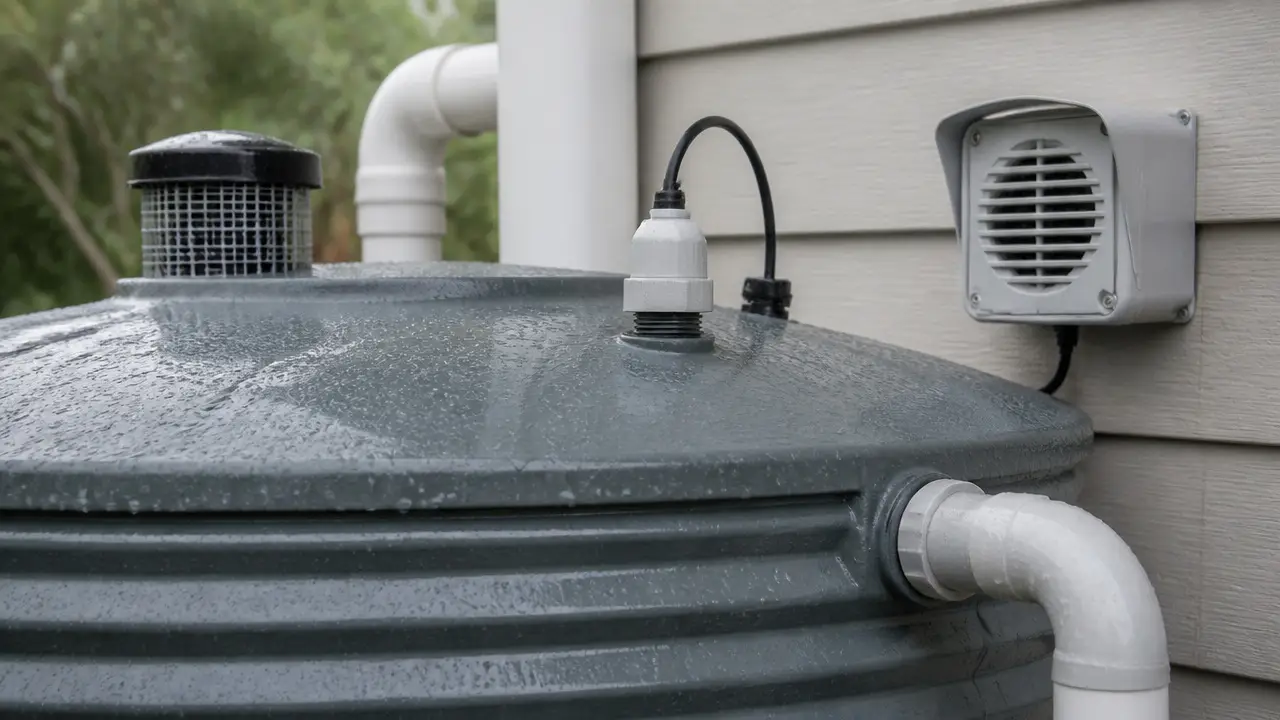
If collected rainwater will eventually be used as drinking water, components in the drinking-water contact path should be suitable for potable use. That includes more than the PVC pipe.
A complete system may involve:
- Suitable roof and collection surfaces
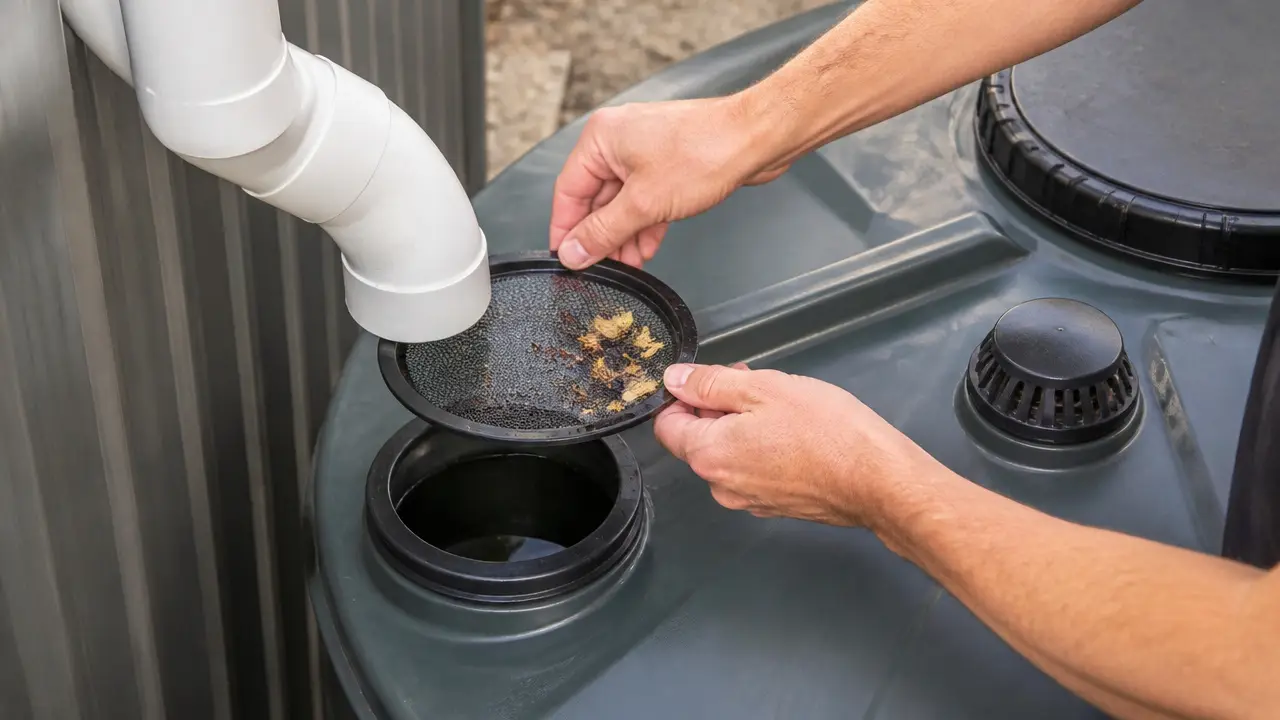
- Debris screening
- First-flush or other runoff management
- Covered storage
- Sediment control
- Appropriate treatment
- Potable-water-compatible pipes and fittings
- Pumps and pressure equipment suitable for the application
- Current laboratory testing
- Regular cleaning and maintenance
A first flush device diverts some of the early roof runoff, which can carry accumulated dirt and debris.
Using certified PVC does not make harvested rainwater safe to drink. Pipe certification addresses the pipe or component. It does not remove pathogens, chemicals, animal waste, roof contaminants, or contaminants introduced elsewhere in the system.
Drinking-water use should be treated as a whole-system decision and should follow current local requirements and qualified professional guidance where needed.
Be Careful With Used or Unmarked PVC
Avoid using mystery PVC for drinking water or food contact.
This includes:
- Scrap pipe with the printing worn off
- Used industrial pipe
- Electrical conduit
- Drain or sewer pipe
- Pipe whose previous contents are unknown
- Unmarked fittings
- Containers or tubing that only “look like” food-grade plastic
Cleaning a pipe does not change what it was manufactured for.
Used pipe can also retain contamination from its previous service.
For potable-water applications, new, traceable materials are the safer choice.
Temperature Matters
Certification for one temperature does not automatically mean a product is suitable at every temperature.
For example, some PVC products in current NSF potable-water listings are evaluated for water contact at about 73°F (23°C).
PVC is commonly used for cold-water applications. Do not run hotter water through ordinary PVC merely because the pipe is potable-water certified.
Use a piping material and components rated by the manufacturer for the actual operating temperature and pressure.
The Best Way to Tell If PVC Is Appropriate
Do not try to identify food-grade PVC by sight.
Instead:
- Decide whether you need it for drinking water, food contact, or non-potable water.
- Read the full print line on the pipe.
- Look for the certification that matches that use.
- Record the manufacturer and product name.
- Check the certifier's current online listing.
- Confirm temperature and pressure limits.
- Use compatible certified fittings, valves, cement, and other water-contact parts where required.
For a rainwater system carrying water that may be consumed, NSF/ANSI/CAN 61 or NSF-pw certification is a much more useful indicator than a vague “food-grade PVC” description.
Frequently Asked Questions
Is Schedule 40 PVC food grade?
Not automatically. Schedule 40 describes pipe dimensions and wall thickness, not food-contact safety. Some Schedule 40 PVC is certified for potable water, while other Schedule 40 products are intended for drains or other uses. Look for the appropriate certification.
Does NSF-pw mean PVC is safe for drinking-water plumbing?
The NSF-pw marking indicates certification for potable-water use. NSF says the mark includes drinking-water health requirements as well as applicable piping performance and quality-control requirements.
Is NSF/ANSI/CAN 61 the same as NSF/ANSI 51?
No. NSF/ANSI/CAN 61 addresses health effects from components used in drinking-water systems. NSF/ANSI 51 addresses materials and finishes used in food equipment. Choose the standard that fits the application.
Can I use electrical PVC conduit for rainwater plumbing?
It may physically carry water, but electrical conduit is manufactured and certified for electrical use rather than water plumbing. Use water-service pipe with ratings and connections appropriate for your rainwater system.
Is white PVC safer than gray PVC?
Color alone is not a safety rating. Read the markings and verify the product's intended use and certification.
Can I use potable-water PVC to make rainwater safe to drink?
No. Potable-water-certified PVC only addresses the suitability of that component for drinking-water contact. Harvested rainwater can still contain microorganisms, chemicals, roof contaminants, and other pollutants. Drinking use requires an appropriate collection, treatment, testing, and maintenance plan.
Do PVC fittings need the same certification as the pipe?
For a potable-water system, every component that contacts the water should be suitable for that use. Check fittings, valves, gaskets, solvent cement, primer, pumps, tanks, and other wetted parts rather than checking only the pipe.