As an affiliate, we may earn a commission from qualifying purchases. We get commissions for purchases made through links on this website from Amazon and other third parties.
For most U.S. homes, professional gutter guard installation costs about $650 to $2,500, with a typical project landing near $1,500. A useful planning range is about $6 to $13 per linear foot, including common gutter guard materials and professional labor.
That range does not cover every system. Premium gutter protection sold as a complete professionally installed package can cost much more. A 2026 homeowner survey found some professionally installed systems averaging around $40 per linear foot or more.
The best way to estimate your own cost is to measure the linear feet of gutter, then consider the guard type, number of stories, roof access, and condition of the existing gutters.
Average Gutter Guard Installation Cost
As of August 2026, a reasonable starting budget for standard professional gutter guard installation is:
| Gutter Length | Typical Installed Cost |
|---|---|
| 100 linear feet | $600–$1,300 |
| 150 linear feet | $900–$1,950 |
| 200 linear feet | $1,200–$2,600 |
| 250 linear feet | $1,500–$3,250 |
| 300 linear feet | $1,800–$3,900 |
These estimates use a general installed range of about $6 to $13 per linear foot. Actual contractor quotes can fall outside that range.
A linear foot is simply 12 inches of gutter length. You pay based mainly on how much gutter you have, not the square footage of the house.
For example, a 2,000-square-foot house does not automatically have 200 feet of gutter. A simple rectangular roof may need much less than a house of the same size with several roof sections, porches, dormers, and attached garages.
Why Gutter Guard Installation Prices Vary So Much
You may see one installer quote $1,200 and another quote several thousand dollars for what seems like the same house. Often, they are not offering the same type of system.
Gutter guard type
Simple screens and basic mesh guards are usually toward the lower end of the cost range.
More complex systems may use:
- Stainless steel micro-mesh
- Heavy aluminum frames
- Reinforced mounting systems
- Reverse-curve covers
- Custom-made sections
- Proprietary professionally installed systems
Material choice also affects how well the guard handles leaves, pine needles, roof grit, seeds, and other debris.
The most expensive option is not automatically the best option for every house. The guard needs to match the debris around your roof and the amount of water the gutter must handle.
Professional labor
Labor is a large part of the installed price. Angi lists professional gutter-guard labor at roughly $2 to $6 per linear foot before materials, although local rates vary.
A straightforward one-story house is usually easier to work on than a tall home with steep roof sections.
House height
Second- and third-story gutters take more time and may require different access equipment.
That raises labor costs and makes DIY installation less practical.
Working from a ladder or roof also brings a serious fall risk. If you cannot safely reach the gutters from stable equipment, professional installation is the better choice.
Roof layout
A long, straight gutter is easier to cover than a gutter system with many:
- Corners
- Valleys
- Roof transitions
- Short gutter sections
- Inside corners
- Difficult-to-reach sections
Complex roofs require more cutting, fitting, and installation time.
Existing gutter condition
Gutter guards should normally go onto a gutter system that is already working correctly.
Before installation, damaged sections may need to be repaired. Problems can include:
- Sagging gutters
- Loose hangers
- Leaking joints
- Improper slope
- Damaged fascia
- Clogged downspouts
- Poorly placed outlets
Installing guards over a failing gutter does not fix the underlying problem.
The gutters should also be cleaned before the new guards cover them.
Standard Guards and Premium Installed Systems Are Not the Same
This distinction explains many of the very different cost estimates you may find online.
Basic professionally installed gutter guards can fall near the $6-to-$13-per-foot range.
Some national gutter protection companies sell a more complete system that includes specialized materials, custom fitting, sales and installation services, and warranties. These packages can cost much more.
For example, a 2026 survey published by This Old House reported an average near $7,941 for 200 linear feet of professionally installed gutter protection, or roughly $40 per linear foot.
That does not mean every homeowner should expect an $8,000 bill. It shows why you need to compare what each quote actually includes instead of comparing only the final number.
How to Estimate Your Own Installation Cost
Start by finding the approximate length of your gutters.
You do not need to measure along dangerous roof edges. Building plans, previous gutter invoices, or measurements taken safely from the ground may give you enough information for an initial estimate.
For a basic planning estimate:
Gutter length × installed cost per linear foot = estimated project cost
Suppose your house has 180 linear feet of gutter.
Using a general $6-to-$13 installed range:
- Lower estimate: 180 × $6 = $1,080
- Higher estimate: 180 × $13 = $2,340
So a basic starting budget would be around $1,080 to $2,340.
Your actual quote may be higher if the roof is difficult to reach, the gutters need repairs, or you choose a premium system.
What Should Be Included in a Gutter Guard Quote?
Ask what the quoted price actually covers.
Consider professional advice on guarded gutters to compare stormwater capture details for the local roof conditions.
A useful quote should make it clear whether the job includes:
- Gutter guard materials
- Installation labor
- Cleaning before installation
- Minor gutter adjustments
- Removal of old guards
- Disposal of removed materials
- Repair work
- Taxes or other charges
- Workmanship coverage
Also ask whether gutter repairs are included or billed separately.
A low quote can become less attractive if cleaning, repairs, or removal of old material are added later.
Should You Replace Old Gutters Before Adding Guards?
Not necessarily.
If your gutters are firmly attached, properly sloped, free of major leaks, and large enough for the roof drainage they receive, you may only need cleaning and minor repairs.
Replacement makes more sense when the existing gutters are badly corroded, cracked, pulling away from the fascia, or repeatedly overflowing because of poor sizing or layout.
Gutter guards cannot correct an undersized gutter or a badly placed downspout.
Do Gutter Guards Eliminate Gutter Cleaning?
No.
Gutter guards reduce the amount of large debris entering the gutter, but they do not make a gutter system maintenance-free.
Leaves may collect on top. Fine roof grit can pass through some guards. Seeds, pollen, needles, and small debris may collect around openings.
You should still inspect the system periodically and make sure water can enter the gutter and reach the downspouts.
This is especially important after storms and during heavy leaf fall.
Gutter Guards and Rainwater Harvesting
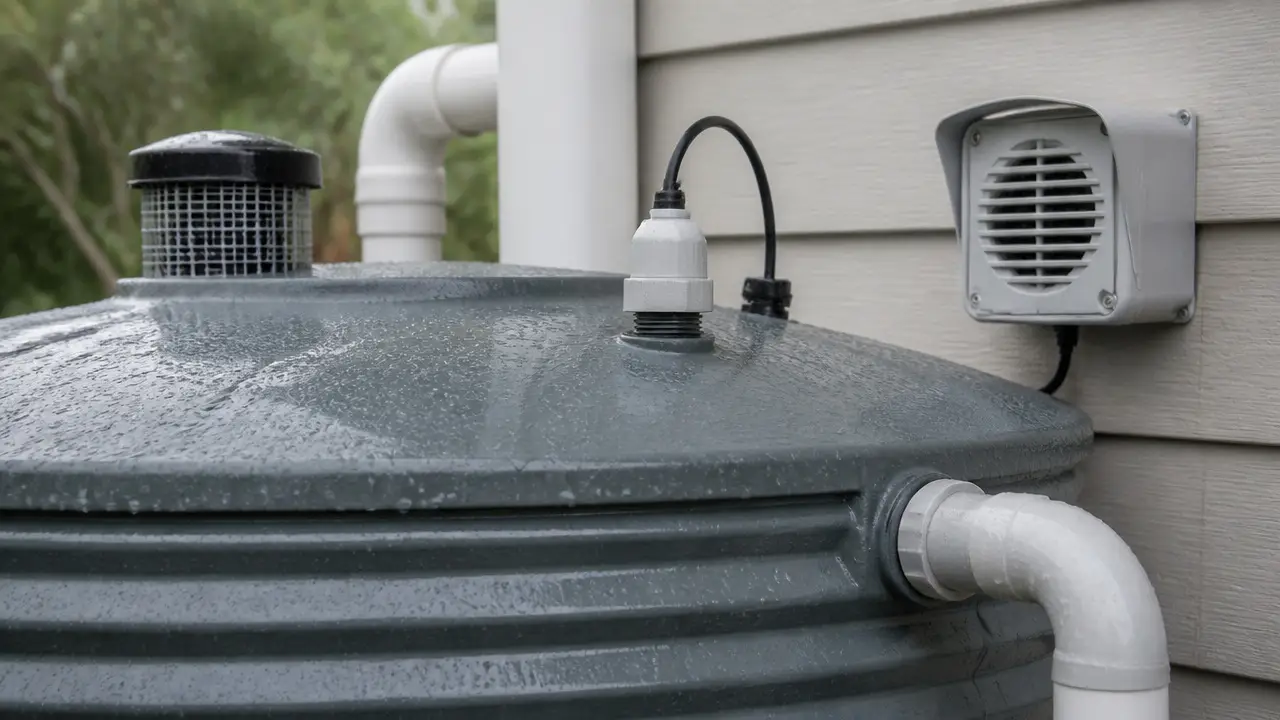
Gutter guards can be useful on a roof that feeds a rain barrel, IBC tote, or larger cistern because they provide an early layer of debris control.
But a gutter guard is only prefiltration. Prefiltration means removing larger debris before the water reaches later parts of the system.
A guard does not replace a proper rainwater collection setup.
Depending on the system, you may still need a leaf screen, inlet screen, first-flush device, tank screening, or other treatment.
A first flush diverts some of the first runoff from a roof so dirt and debris carried off the roof do not immediately enter storage.
Also check how well a guard accepts water during heavy rain. A guard that sheds water over the gutter edge can reduce the amount of rainwater you collect.
Most importantly, gutter guards do not make roof runoff safe to drink. Drinking-water use requires a suitable collection system, appropriate treatment, ongoing maintenance, current laboratory testing, and compliance with applicable local requirements.
Is Professional Installation Worth It?
Professional installation makes the most sense when:
- Your gutters are high above the ground
- The roof is steep
- Access is difficult
- Your gutters need repairs
- The guard requires careful fastening
- You are installing a proprietary system
- You are not comfortable doing ladder work
DIY installation can lower labor costs on a simple one-story home, but ladder safety should matter more than the potential savings.
You should also check the guard manufacturer's installation requirements before changing shingles, fascia, gutters, or roof components.
How to Compare Installation Quotes
Get more than one detailed quote if possible.
Do not compare only the total price. Compare the whole job.
Ask each installer what type of guard will be used, how it attaches, whether your gutters will be cleaned first, what repairs are needed, and what future maintenance will involve.
For a rainwater harvesting system, also ask whether the guard will restrict water entering the gutter during intense rainfall.
A good gutter guard should fit the existing gutter correctly while still letting the gutter do its main job: move roof runoff to the downspouts without overflowing.
Frequently Asked Questions
How much does it cost to have gutter guards professionally installed?
A common 2026 range is about $650 to $2,500 for a typical home, with roughly $1,500 being a useful general average. Standard professional installations often run about $6 to $13 per linear foot. Premium proprietary systems can cost considerably more.
How much does it cost to install gutter guards on 200 feet of gutter?
Using a typical installed range of $6 to $13 per linear foot, 200 feet would cost about $1,200 to $2,600. Complex roofs and premium systems may cost more.
Why are some gutter guard quotes so expensive?
Some companies sell complete professionally installed systems rather than basic guards. Material quality, custom fitting, home height, roof access, repairs, labor, and warranty coverage can also increase the price.
Is it cheaper to install gutter guards yourself?
Usually, because DIY installation removes most labor costs. However, working from ladders and roofs carries a fall risk. Professional installation is safer when gutters are high, difficult to reach, or located beside steep roof sections.
Do gutters need to be cleaned before gutter guards are installed?
Yes. Leaves, sediment, and other debris should normally be removed first. Downspouts should also be checked so the new guards do not cover an existing blockage.
Do gutter guards mean I never have to clean my gutters again?
No. Gutter guards reduce debris but still need inspection and cleaning. Leaves and fine debris can collect on or under the guards, and downspouts can still develop blockages.
Are gutter guards useful with a rainwater collection system?
They can be useful as an early debris screen, but they are not a complete rainwater treatment system. You may still need additional prefiltration, screened tank openings, a first-flush device, and other treatment appropriate to the intended water use.