As an affiliate, we may earn a commission from qualifying purchases. We get commissions for purchases made through links on this website from Amazon and other third parties.
For most homeowners, gutter cleaning is priced based on the size and difficulty of the job rather than one fixed national rate. The main cost drivers are the amount of guttering, number of stories, roof access, gutter condition, and whether downspouts also need to be cleared.
For a rainwater harvesting system, cleaning the gutters is more than routine home maintenance. Gutters are part of the collection path. Leaves, roof grit, animal waste, and other debris left in them can wash toward your rain barrel, IBC tote, or cistern.
What Affects the Cost of Gutter Cleaning?
Two homes with the same roof area can have very different gutter-cleaning jobs. A simple one-story house with easy access usually takes less work than a tall home with steep roof sections and several gutter runs.
Amount of Guttering
More gutter length normally means more labor.
A small house may have only a few straight gutter runs. A larger or more complex roof can have gutters around several roof sections, porches, garages, and additions.
When comparing estimates, find out whether the contractor is pricing the whole job or estimating it partly from the amount of guttering.
Number of Stories
Height is one of the biggest factors.
Second- and third-story gutters require longer ladders and more careful access. Difficult sections can also take longer to clean.
A one-story ranch home will usually be simpler than a two-story home even if their total gutter lengths are similar.
How Full the Gutters Are
A thin layer of dry leaves is much easier to remove than compacted organic material.
Gutters may contain:
- Wet leaves
- Pine needles
- Roof granules
- Seeds
- Twigs
- Moss
- Mud-like decomposed debris
Heavy buildup takes longer to remove and may require more cleanup afterward.
Downspout Blockages
Cleaning the open gutter channel does not always mean the downspouts are clear.
Leaves and small debris can collect at elbows or narrow sections. A blocked downspout can cause water to back up during heavy rain.
Ask whether clearing and checking downspouts is included in the service.
This is especially important when a downspout feeds a rainwater collection system. Poor drainage can reduce collection and cause gutters to overflow.
Roof and Ladder Access
Easy access keeps the job simpler.
Costs can increase when gutters are above:
- Steep ground
- Decks
- Conservatories
- Porches
- Landscaping
- Roof extensions
- Narrow side yards
A steep roof can also make some cleaning methods less practical.
Gutter Guards
Gutter guards do not always eliminate cleaning.
Leaves, seeds, roof grit, and fine organic material can collect on top of or underneath some guard systems. Removing and reinstalling sections can add work.
If you have guards, mention the type when asking for an estimate.
Gutter Cleaning for Rainwater Harvesting
If the gutters supply stored rainwater, cleanliness matters before the water ever reaches the tank.
The basic collection path is usually:
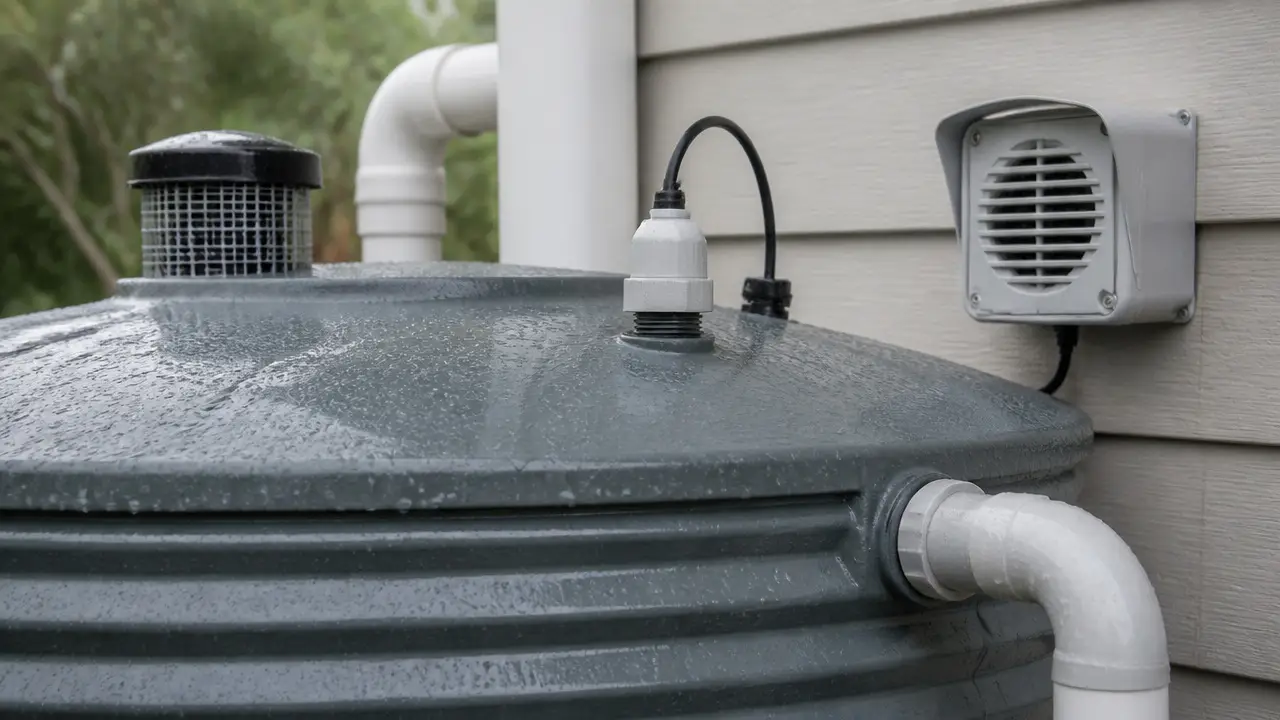
roof → gutter → downspout → debris control → storage
A first-flush diverter may also be included. This device redirects some of the first runoff from a rainfall event before allowing later runoff into storage. It can reduce part of the debris load entering the tank, but it does not replace gutter or roof maintenance.
Gutter cleaning is especially useful before periods when you expect significant rainfall.
Check More Than the Gutter Channel
For a rainwater system, inspect the collection path as a whole.
Look for:
- Leaves around gutter outlets
- Clogged downspouts
- Damaged gutter screens
- Loose fittings
- Standing water
- Bird nests or animal debris
- Overflow stains
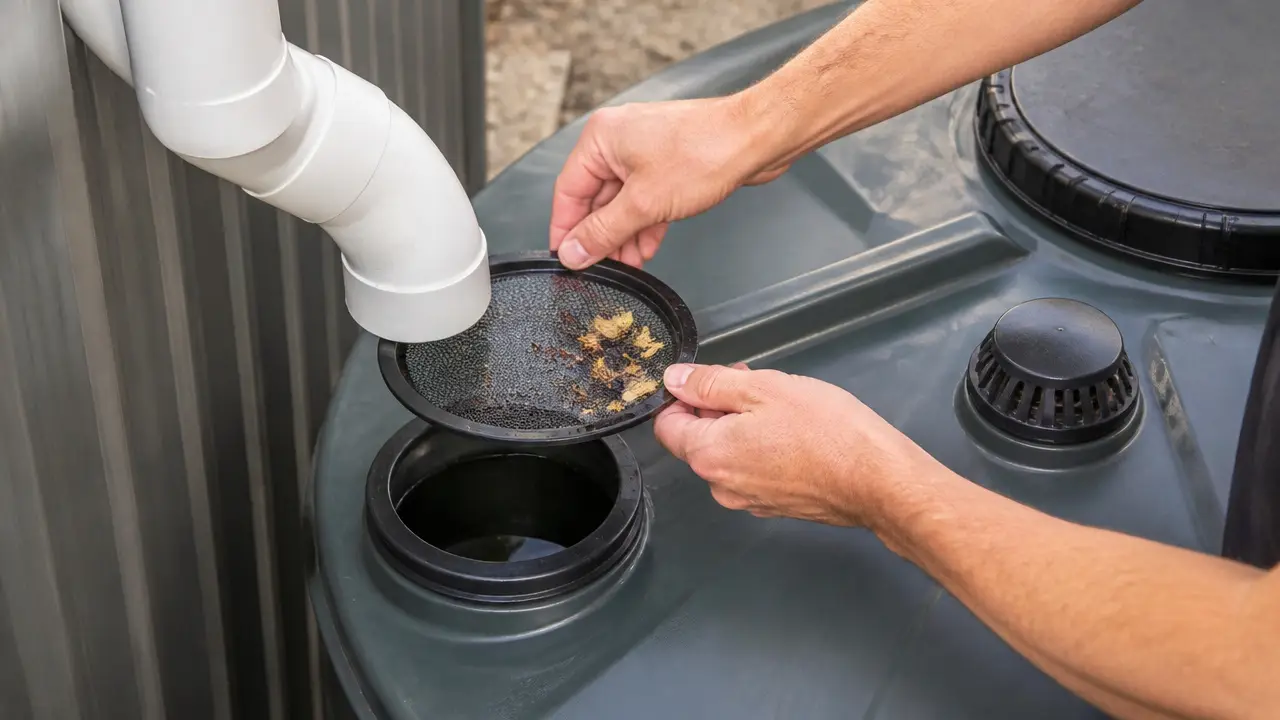
- Dirty inlet screens
- First-flush components that need service
Do not assume clean-looking water from a roof is safe to drink. Roof runoff can contain microorganisms, animal waste, metals, chemicals, and other contaminants.
Review using gutters to feed rainwater storage to evaluate available conveyance for the expected roof discharge.
Water intended for drinking requires a properly designed collection and treatment system, suitable maintenance, current laboratory testing, and compliance with applicable local requirements.
How Often Should Gutters Be Cleaned?
There is no single schedule that works for every property.
Many homes need inspection at least around major leaf-drop periods. Homes surrounded by trees may require more frequent attention.
Conditions that can increase cleaning frequency include:
- Pine or fir trees near the roof
- Heavy seasonal leaf fall
- Seed-producing trees
- Moss growth
- Frequent storms
- Birds nesting near gutters
- Gutter guards that trap fine debris
For rainwater harvesting, checking the gutters before an important collection season is a practical approach.
Can You Clean Gutters Yourself?
Some single-story gutters can be cleaned safely from appropriate ground-based equipment. Ladder work adds much more risk.
A professional service may be the better choice when gutters are high, access is poor, the roof is steep, or you are uncomfortable working around ladders.
Avoid walking on a roof simply to reduce the cost of cleaning. Roof surfaces can be slippery, fragile, or steeper than they appear from the ground.
Also stop if you find damaged electrical service equipment, badly deteriorated gutters, unstable fascia boards, or another condition that makes safe access uncertain.
What Should a Gutter-Cleaning Quote Include?
Do not compare estimates only by the final total. Check what work is actually included.
A useful quote should make clear whether the service covers:
| Service | Why It Matters |
|---|---|
| Removing gutter debris | Restores space for runoff |
| Checking gutter outlets | Helps prevent backups |
| Clearing downspouts | Allows water to reach drainage or storage |
| Removing collected debris | Avoids leaving waste around the property |
| Working around gutter guards | Can require additional labor |
| Basic flow check | Helps identify remaining restrictions |
For a rainwater system, also ask the contractor not to wash unnecessary debris directly into your storage tank.
It may be better to disconnect or divert the collection line while the gutters and downspouts are being flushed.
Should You Pay for Cleaning or Install Gutter Guards?
Gutter guards can reduce some types of debris, but they do not make a gutter system maintenance-free.
Fine material can still enter or collect around screens. Some systems are also more difficult to open for inspection.
For rainwater harvesting, a removable leaf screen or other accessible debris-control method can sometimes be more useful than a system that is difficult to inspect and clean.
The best choice depends on the debris around your home and how easily you can maintain the collection path.
How to Get a Useful Gutter-Cleaning Estimate
Give the service company enough information to understand the job.
Tell them:
- How many stories the house has
- Whether gutter guards are installed
- Whether access is difficult
- Whether downspouts appear blocked
- Whether the gutters connect to rainwater storage
- When the gutters were last cleaned, if known
Photos taken safely from the ground can also help a contractor understand the layout.
For unusual homes, an on-site estimate may be more useful than relying on a general average.
Frequently Asked Questions
Is gutter cleaning more expensive for a two-story house?
It can be. Higher gutters normally require more difficult ladder access and may take longer to clean safely.
Does gutter cleaning normally include downspouts?
Sometimes, but not always. Ask whether downspouts will be checked and cleared as part of the service rather than assuming they are included.
Do gutter guards eliminate professional gutter cleaning?
No. Guards can reduce larger debris, but leaves, seeds, roof grit, and other material can still accumulate. The gutters should remain accessible for inspection and maintenance.
Should gutters be cleaned before using a rain barrel?
Yes, especially if significant debris has accumulated. Cleaning the roof-drainage path can reduce the amount of material washing toward the barrel. An inlet screen and other suitable debris controls should still be used.
Can I flush gutter debris into my rainwater tank?
That is best avoided. During gutter or downspout cleaning, divert dirty flushing water away from the storage tank when practical. Otherwise, concentrated debris can enter the stored water.
How often should gutters connected to a rainwater tank be checked?
The right interval depends on nearby trees, weather, roof debris, and the collection system. Inspect them around heavy leaf-drop periods and before important collection seasons, and check them sooner if you see overflowing or reduced flow.
Is professional gutter cleaning worth it for a one-story home?
It can be when access is difficult, gutters are heavily clogged, or safe cleaning would require ladder work you are not comfortable doing. Easy ground-access maintenance may be practical for some homes, but safety should determine where DIY work stops.