As an affiliate, we may earn a commission from qualifying purchases. We get commissions for purchases made through links on this website from Amazon and other third parties.
How Much Does a Bag Filter Cost?
The cost of a bag filter depends on what you mean by the filter bag or the complete bag filter system.
A replacement filter bag is only one part of the setup. A working system also needs a housing that holds the bag, plus fittings and sometimes valves, pressure gauges, and plumbing changes. For a rainwater system, the housing and installation often make up a larger part of the initial cost than the filter bag itself.
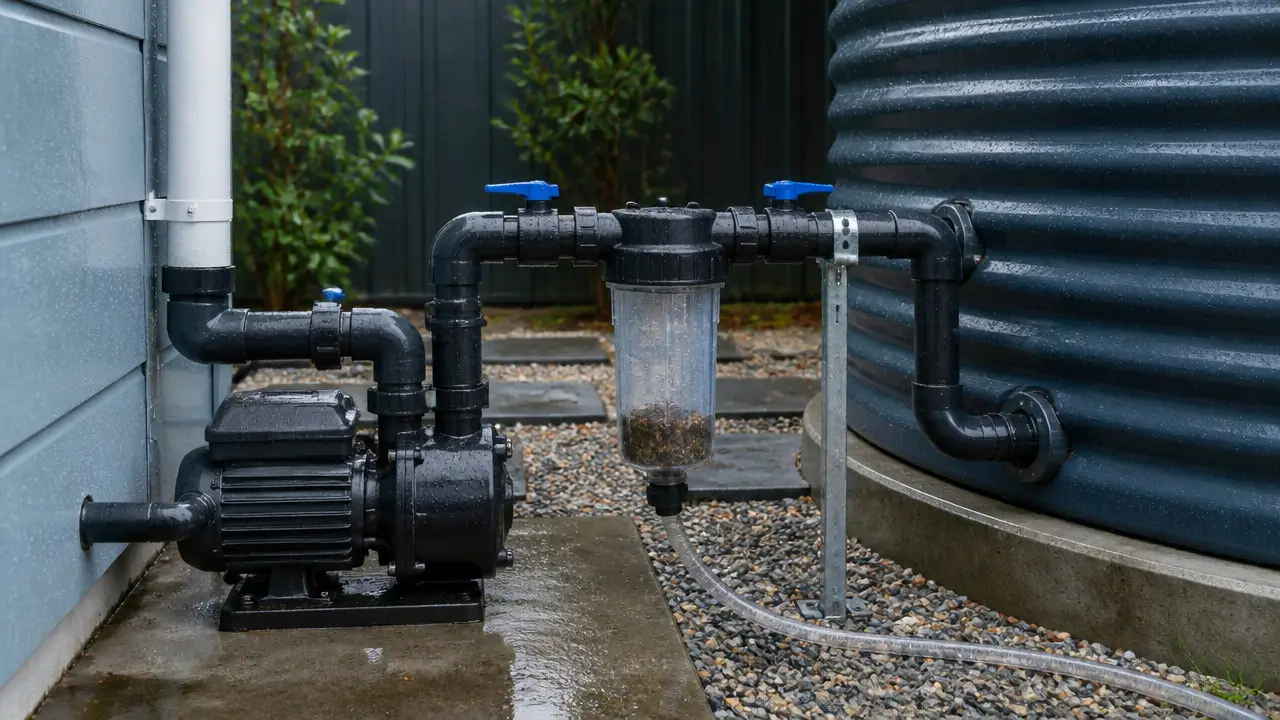
Bag filters are commonly used to remove sediment such as dirt, rust, plant debris, and other suspended particles. They can work well between rainwater storage and a pump, irrigation system, or later treatment stages.
What Affects the Cost of a Bag Filter?
Several details can make one bag filter system much more expensive than another.
Filter Size
Larger bags can hold more dirt before they need cleaning or replacement. They also need larger housings.
A small system serving a garden line may need much less capacity than a system filtering water from a large cistern for household reuse.
The right size depends on:
- How much water you need to move
- How dirty the water is
- How often you want to service the filter
- The flow rate needed downstream
Flow rate means how much water can pass through the filter during a certain amount of time.
Micron Rating
A bag filter's micron rating describes the approximate size of particles it is designed to catch. A micron is one-thousandth of a millimeter.
A coarse bag may catch leaves, grit, and larger sediment. A finer bag can capture smaller particles but may clog more quickly.
Using the finest bag available is not always the best choice. A very fine filter can restrict water flow and require frequent maintenance if your rainwater contains a lot of sediment.
Bag Material
Filter bags are made from different materials. Common types include polyester, polypropylene, and nylon.
The correct material depends on the water, temperature, cleaning method, and filter housing. Reusable bags may cost more to buy than basic disposable bags, but they may reduce replacement needs if they are suitable for the application and cleaned correctly.
Filter Housing Material
The housing is the pressure vessel or container that holds the filter bag.
Housing material can have a large effect on system cost. Options may include plastic, coated metal, or stainless steel.
A garden or low-demand rainwater system may not need the same type of housing as a pressurized household system. Never assume a container is safe for pressure just because a filter bag fits inside it.
Pressure Rating
Systems connected to a pump need a housing designed for the pressure the pump can produce.
This matters because a bag filter can create more resistance as it fills with sediment. Pressure may rise on one side of the filter while water flow drops on the other.
Pressure-rated housings, gauges, valves, and suitable fittings can increase the total system cost, but they are important parts of a safe pressurized installation.
The Filter Bag Is Only Part of the Budget
When planning a bag filtration system, include the parts needed to connect and maintain it.
A typical setup may require:
| Part | Why You May Need It |
|---|---|
| Filter housing | Holds the filter bag |
| Filter bag | Captures sediment |
| Inlet and outlet fittings | Connect the housing to the water line |
| Isolation valves | Let you shut off water during service |
| Pressure gauges | Help show when the bag is clogging |
| Drain | Makes servicing the housing easier |
| Pipe or hose | Connects the filter to the rest of the system |
| Mounting hardware | Supports the housing safely |
Some systems already have suitable plumbing and valves. Others may need significant changes before a bag filter can be installed.
Replacement Bags Create an Ongoing Cost
The initial equipment is only one part of what a bag filter costs over time.
Filter bags eventually fill with sediment. How quickly this happens depends heavily on the quality of the incoming water.
Rainwater that contains roof grit, pollen, leaves, insects, or tank sediment can clog a fine bag quickly.
Good upstream collection practices can reduce this load. Depending on the system, that may include gutter screens, inlet screening, a first-flush device, or settling inside the tank.
A first-flush device diverts some of the first roof runoff from a rain event. This early runoff may contain a higher amount of dirt and debris that collected on the roof between rains.
Reducing dirt before it reaches the bag can extend service intervals.
Disposable vs. Reusable Filter Bags
Disposable bags are normally removed when dirty and replaced.
Explore key facts about the disadvantages of bag filters to compare the next verification step for plausible water contaminants.
Reusable bags may be cleaned and returned to service when their material and construction allow it. Reuse is not automatically cheaper, however. Cleaning takes time and water, and damaged or permanently clogged bags still need replacement.
For simple non-potable rainwater uses, a washable bag can sometimes make sense when the main goal is removing larger sediment.
Non-potable means water that is not intended for drinking.
Does a Finer Bag Cost More to Operate?
It can.
The main issue is not simply the purchase cost of the bag. Finer filtration usually means greater resistance to flow and faster clogging when incoming water is dirty.
For example, putting a very fine bag directly after a sediment-heavy rainwater tank may mean frequent cleaning or replacement.
A staged setup can be more practical:
- Keep leaves and large debris out of the tank.
- Allow heavy sediment to settle where practical.
- Use coarse filtration for larger particles.
- Use finer filtration only when the intended water use requires it.
This reduces the amount of material the fine filter must handle.
How to Choose a Cost-Effective Bag Filter
Start with what the filtered water will be used for.
For garden irrigation, the main goal may be keeping sediment from clogging pumps, valves, or irrigation emitters. A very fine filter may provide little benefit if the downstream equipment does not require it.
Household reuse can require more careful filtration and treatment planning. A sediment bag may be useful as one stage, but it does not remove every contaminant.
For a rainwater system, check these details before choosing a filter:
- Required flow rate
- Pump pressure
- Pipe and fitting sizes
- Amount of sediment in the tank
- Micron rating needed downstream
- Filter housing pressure rating
- Available space for opening the housing
- How easily the bag can be cleaned or replaced
A filter that is difficult to service often becomes expensive in another way: it takes more time to maintain and may be neglected.
Can a Bag Filter Make Rainwater Safe to Drink?
No. A bag filter alone should not be treated as a complete drinking-water treatment system.
Even a fine filter cannot establish that roof-collected rainwater is safe to drink. Water can contain microorganisms and dissolved contaminants that a sediment bag may not adequately address.
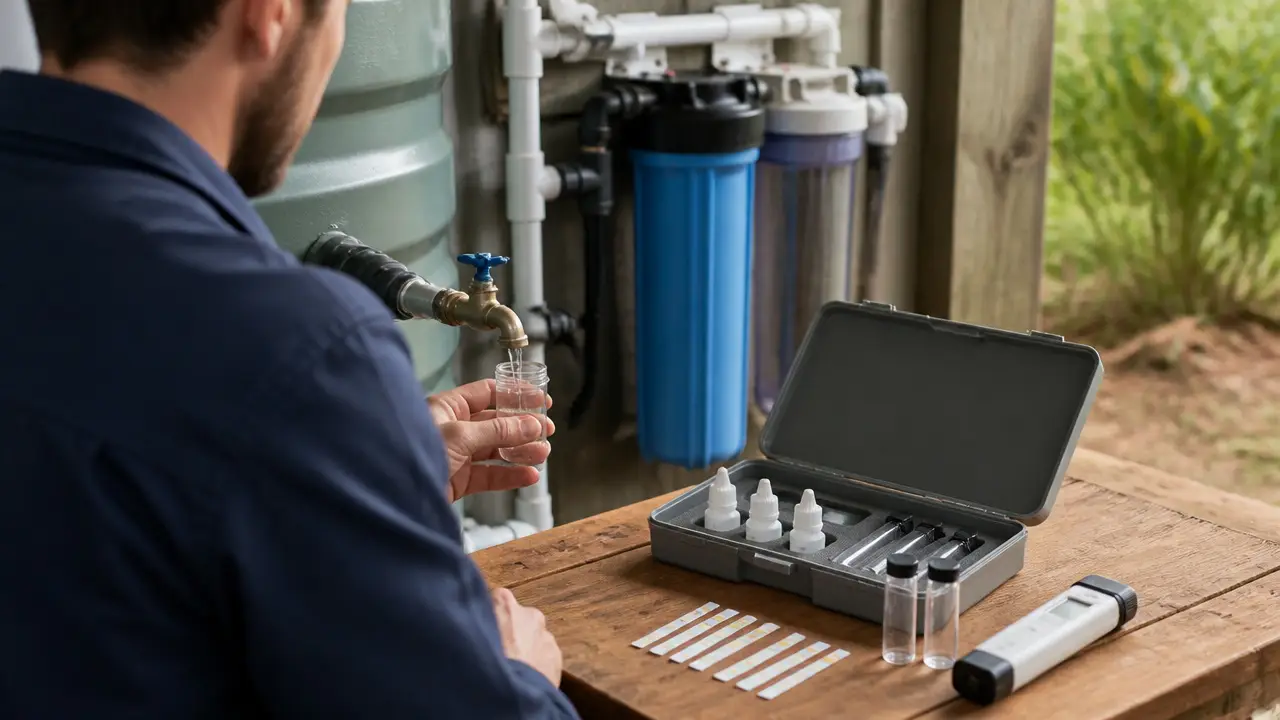
Drinking-water use requires a whole-system approach. That can include suitable collection surfaces, debris control, appropriate prefiltration and treatment, ongoing maintenance, current laboratory testing, and compliance with applicable local requirements.
A qualified water-treatment professional may be appropriate when rainwater is being considered for drinking or other higher-risk household uses.
Is a Bag Filter Worth the Cost?
A bag filter can be a good value when you need to remove a significant amount of suspended sediment while maintaining useful water flow.
It is especially useful when the system is designed so that the bag is easy to reach and replace.
It may be a poor choice when:
- The incoming water contains so much debris that the bag clogs constantly
- The housing cannot handle the system pressure
- The filter is too small for the required flow
- A much finer treatment method is actually needed
- Replacement or cleaning access is difficult
The best way to control cost is to size the filter for the actual system instead of simply choosing the smallest housing or finest filter bag.
Frequently Asked Questions
Is the filter bag or housing more expensive?
The housing is usually the larger part of the initial system investment. Filter bags are consumable parts that create an ongoing maintenance cost.
How often does a bag filter need to be replaced?
There is no fixed interval. Replacement depends on sediment levels, filter size, micron rating, water use, and whether the bag is designed for cleaning and reuse. Reduced flow or an increasing pressure difference across the filter can indicate that service is needed.
Are reusable bag filters cheaper?
They can reduce replacement needs in some systems, but they still require cleaning and inspection. A reusable bag should be replaced if it becomes damaged or can no longer be cleaned effectively.
What micron bag filter should I use for rainwater?
Choose the micron rating based on what you need to protect downstream. Coarse filtration is often better for heavy sediment, while finer filtration may be used later in the system. Using an unnecessarily fine bag can cause rapid clogging.
Can I put a bag filter before my rainwater pump?
Sometimes, but filter placement depends on the pump and system design. A clogged filter on the suction side of a pump can restrict water supply and contribute to poor pump performance. Follow the pump manufacturer's requirements and use properly sized components.
Do I need pressure gauges with a bag filter?
They are useful in pressurized systems. Gauges installed appropriately around the filter can help show increasing pressure loss as the bag becomes clogged.
Does a bag filter remove bacteria from rainwater?
A sediment bag should not be relied on to make rainwater microbiologically safe. Drinking-water treatment requires a broader treatment and testing plan.